With so many resources available today, learning all about Italy before your trip has never been easier. But no matter how much research you do, there are still a few classic mistakes that even the most prepared travelers can make.
To help you truly blend in with the locals, I’ve put together a list of the top faux pas that will instantly labelled you as a tourist. Whether it’s figuring out how tipping works, approaching a girl without making it awkward, or steering clear of sneaky scams, these tips will help make your long-awaited Italian adventure smooth.
1. Forgetting cash
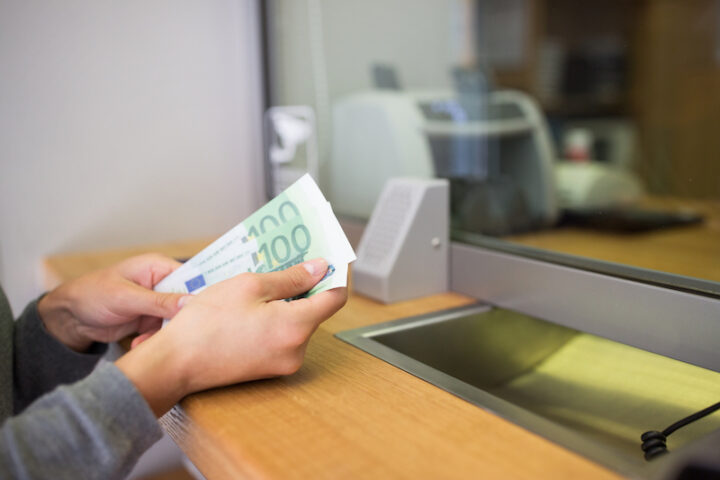
By law, merchants in Italy can’t refuse credit card payments, but in reality, you might run into some “technical issues” with the POS machine or spot signs that restrict card use to larger purchases. That’s why you should always carry a mix of bills. A lot of smaller places, like market stalls, cafés, or family-run restaurants, might give you a very puzzled look if you flash your card for a small transaction. And don’t forget to stash a few euro coins—these are a lifesaver for accessing public toilets, which often charge 50 cents to €1 for entry. Trust me, the last thing you want is to be caught coinless when nature calls!
2. Assuming everyone speaks English
Think everyone in Italy speaks English? Per carità (please), think again! Sure, you’ll find plenty of fluent speakers in touristy areas or upscale restaurants, but don’t be surprised if even some hotel staff or friendly neighborhood carabinieri (Italian police officers) have trouble with English. After all, according to the 2024 EF English Proficiency Index (EPI), Italy ranks 46th out of 116 countries for English skills — ouch! So, arm yourself with a few basic words and phrases like Come si arriva a…? (How do I get to…?), Dov’è il bagno? (Where’s the toilet?), or Vorrei…, per favore (I’d like…, please). They will go a long way, plus we will appreciate your effort and they might even score you a smile and some extra friendly service!

3. Looking for Alfredo at the restaurant
Ah, Italian food — so delicious, so loved, and yet… so misunderstood! While your local Italian restaurant back home might proudly serve “classics” like Chicken Parmesan or the iconic Fettuccine Alfredo, the reality is, those dishes are about as Italian as spaghetti with ketchup. Asking for these so-called “Italian” classics will likely earn you a sympathetic smile from the waiter, as f to say “Ah, bless their hearts, they have no clue what they’re saying.” So, embrace the local menu and trust me — you won’t miss Alfredo!

4. Living on pizza and pasta
Embracing the local menu doesn’t mean you should stick to only pizza and pasta. Sure, these carbs are mouthwatering, but Italy’s food scene is as diverse as its art and landscape, with each region boasting its own iconic dishes shaped by history, geography, and local traditions. From polenta con baccalà in umido (polenta with stewed salt cod) in Veneto to agnolotti del plin (tiny ravioli stuffed with roasted meats) in Piedmont, these regional specialties are so distinct and delicious, even we Italians feel like culinary explorers when we venture outside our hometowns! The best way to uncover these delicacies? Ask the locals!

5. Walking in high heels
Ladies, I know—those killer heels are practically begging to join you on your Italian adventure. But hey, Italy’s charming cobblestone streets aren’t exactly stilettos-friendly. From the ancient piazzas of Florence to the winding paths of Amalfi Coast’s hilltop villages, these historic streets were designed centuries before Louboutins were a thing. Imagine you’re strolling through a picture-perfect piazza, only to have your heel caught between cobblestones, turning your chic moment into a clumsy save-the-shoe mission! And please, don’t wear flip-flops for a hike — not only does it scream ‘tourist’, it’s also dangerous.

6. Not booking your tickets in advance
With Italy welcoming a whopping 215 million visitors in the summer of 2024 alone (source: FIPE), you can imagine how packed the major attractions can get. If you don’t want your dream vacation to turn into a “waiting in line” marathon (or, even worse, find out tickets are sold out), do yourself a favour and book your tickets online in advance, especially when it’s peak season. This applies to trains too, especially for popular high-speed routes like Rome to Florence. Not only will you save valuable time, but you’ll also get to actually enjoy your trip instead of feeling like you’re queuing for some Disneyland attractions.
7. Treating Italian cities like a playground
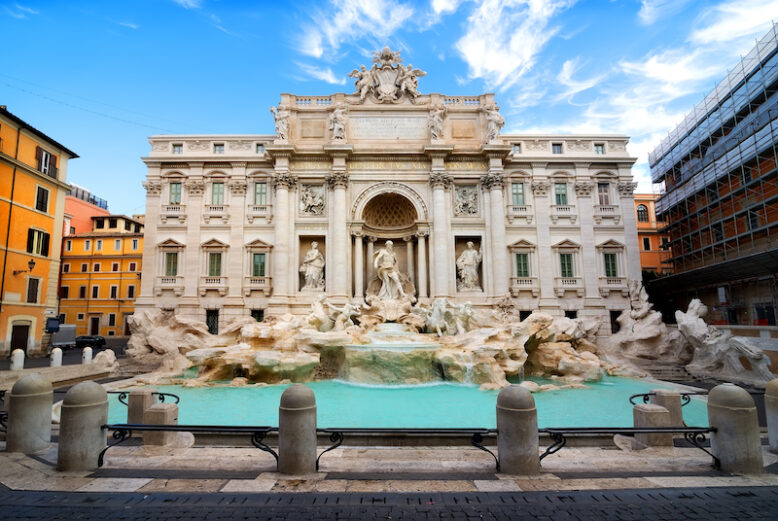
Speaking of Disneyland — you’re on vacation, soaking in all the beauty, and that magical fountain or magnificent statue looks perfect for an Instagram selfie. It’s hard to resist, I know, but these aren’t just tourist attractions; they are centuries-old masterpieces with profound historical and cultural significance, and preserving their beauty requires care and respect. So, as tempting as it may be to splash around a fountain or climb onto a statue to get that ultimate shot, let’s remember to appreciate these wonders for what they are and admire them while keeping your distance.
8. Falling for street vendor hustles
While visiting Italy, especially the big cities, chances are you’ll be approached by street vendors ready to sell you everything from souvenirs to experiences. If someone offers you a “gift,” like a bracelet for you or your kid, know that it’s not actually a gift. They’ll quickly ask for money, often playing on your emotions to pressure you into paying. Another common trick? The helpful stranger at train stations or metro ticket machines. They might step in, offering to “help” you, only to expect a tip afterward — or worse, sneakily overcharge you in the chaos. Don’t stress, though! Just keep your wits about you. A polite but firm no grazie (no, thanks) goes a long way.
9. Sticking to the city center
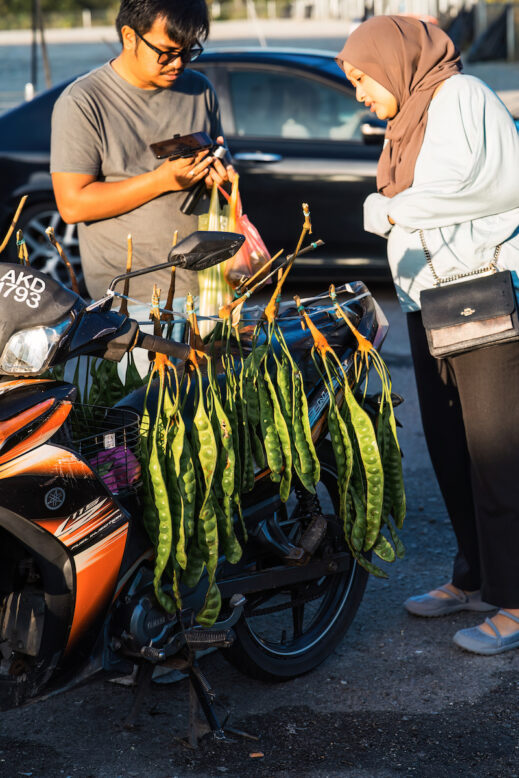
While the city center is often where the majority of must-see sights are located, if you’re only exploring the main tourist hubs, you’re missing out on a whole other side of Italy. Venture a little further, and you’ll find genuine experiences and hidden treasures that many often miss. For example, in Genoa, the coastal neighborhood of Nervi is a serene escape with its stunning 2-kilometer cliffside pedestrian trail. And in Rome, head to the Appio Claudio district, where the incredible Aqueduct Park lets you stroll among ancient Roman engineering marvels in a peaceful, open-air setting. So, research, ask locals for recommendations, or just hop on public transportation and explore!

10. Forgetting to get your train ticket validated
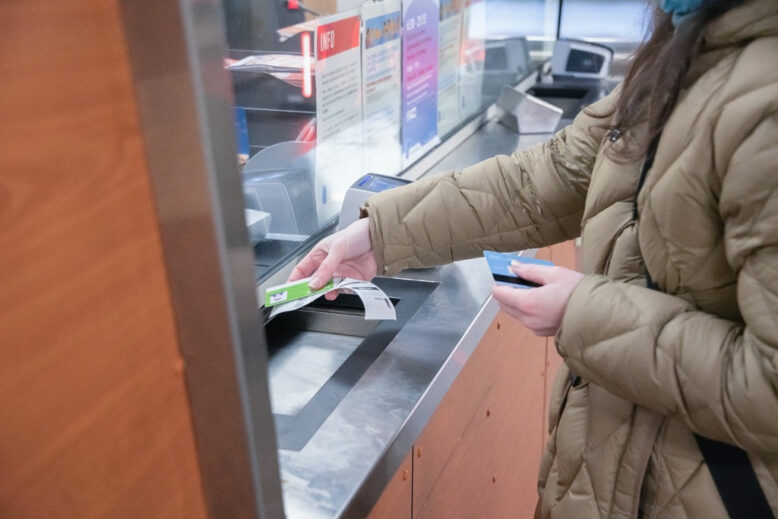
Here’s a super classic mistake: you’ve got your regional train ticket in hand, ready for your adventure, but if you don’t validate it before boarding, you’ll likely face a fine (and no, “I’m on vacation” doesn’t usually work as an excuse!). The golden rule is to always remember to convalidare (validate) your paper ticket before you hop on the train. All you need to do is pop it into the validation machine, get that stamp, and you’re all set. And if you’re having trouble finding the validation machine or it’s out of order (yes, it can happen), just look for the train conductor before you board—they’re used to this sort of thing and will help you (with no fines!).
11. Renting a car in big cities
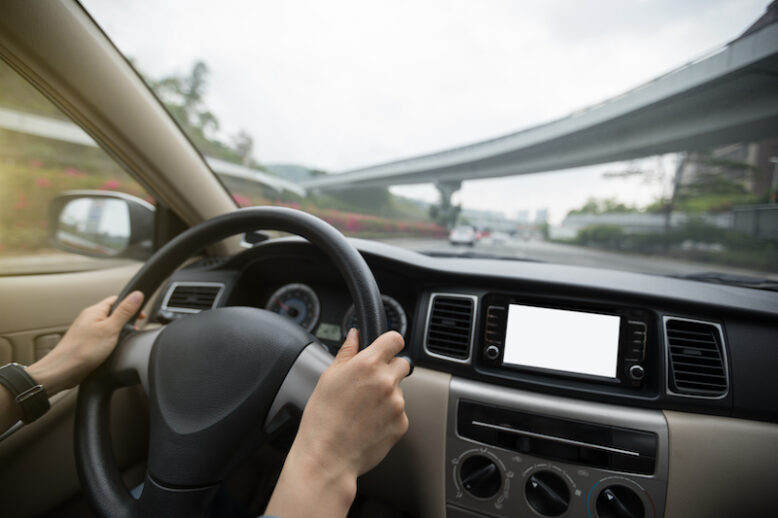
I get it—renting a car sounds tempting, especially if you’re planning to visit a couple of big cities. But trust me, don’t do it! You are not ready for the chaos that awaits: scooters zipping past you, bikes weaving in and out like they own the road. And don’t even get me started on the ZTL (Limited Traffic Zones) – it’s basically a maze of streets where your car absolutely doesn’t belong, and getting caught is like handing over your wallet to the city. If you must rent a car, summer might be your best bet. With most Italians off on vacation, the streets are a little more manageable. But, honestly, if you’re looking to explore a big city, skip the stress and hop on public transport. It’s way easier to get around, and you’ll be able to relax and enjoy the ride, while feeling like a true local zooming through the city.
12. Looking away during a toast
Making friends with Italians at the dinner table? Super! But when it’s time to raise your glass, here’s the golden rule: always make eye contact while toasting. Yes, sempre (always)! Back in the day, locking eyes during a toast was a sign of loyalty and honesty among diners, a tradition that lives on as a mark of good manners today. Plus, superstition says that failing to make eye contact during a toast brings bad luck. Oh, and while you’re at it, you might want to brush up on a few ways to say “cheers” in Italian.

13. Assuming shops and restaurants are always open
If you’re used to everything being open at all hours, Italy’s schedule might surprise you, especially in small towns. While big cities things are often open all day, in smaller places you’ll quickly realize that Italian life follows its own rhythm. For instance, restaurants might decide Sunday is their day off, or they might only open for pranzo (lunch) or cena (dinner). As for shops, expect a nice long riposo (break) from about 12:30 to 3:30 PM, and some bars may close after the morning rush, only to open again for aperitivi.

14. Calculating tips
Tipping in Italy is not mandatory nor expected, since most restaurants already include a coperto (service charge) or servizio al tavolo (table service) in the bill. So, unlike in other countries, you won’t have to stress over calculating the tip at the end of your meal. Now, don’t get me wrong—tips are always appreciated. If the service was exceptional or the food had you saying che buono! (how delicious) after every bite, you can absolutely leave a little extra. That said, tipping in Italy is usually more about rounding up the bill rather than doling out a huge percentage. For instance, if your bill is €29, you could leave €30. Or, if your coffee was €3, rounding up to €5 will do the trick.
15. Ordering a “latte” and getting plain milk instead
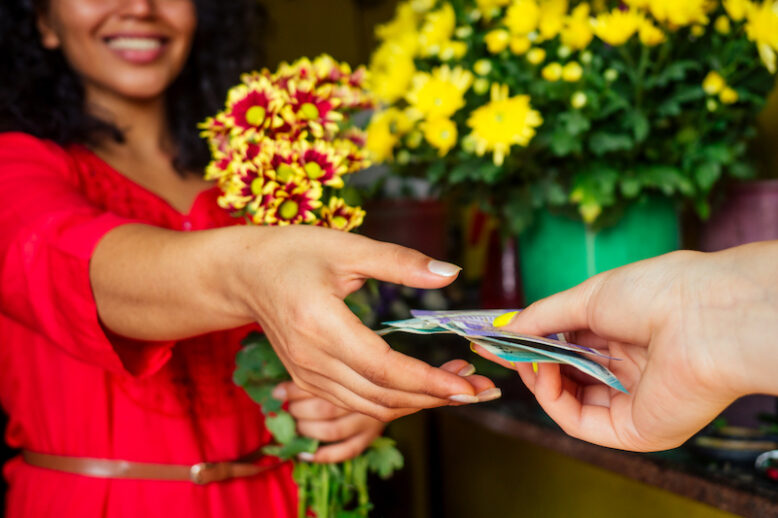
So, you stroll into an Italian bar and confidently ask for a “latte,” but the barista hands you a cup of plain milk? Here’s why: in Italy, latte means milk — no espresso, no foam, just straight-up milk. If you’re craving that creamy, coffee drink you’re used to, what you actually want is a latte macchiato (macchiato means “stained,” so it’s milk “stained” with a shot of espresso.)

16. Saying “ciao bella” to every girl you meet
If you want to approach an Italian girl you don’t know, don’t say ciao bella (hello beautiful). It’s not as common as you might think and, most importantly, it’s considered pretty unpleasant, almost like you’re implying something flirtatious or sexual, which is definitely not the best way to start a conversation. This phrase is something we’d say to close friends or in a playful, familiar context, not to random people you meet on the street. So, if you say ciao bella to a stranger, you’re likely to get an eye-roll or a suspicious che cavolo vuoi? (what the heck do you want?).

17. Cheek kissing strangers
While it’s true that a light kiss on both cheeks is a traditional way of greeting friends and family in Italy, doing this with a stranger is considered awkward. At best, you’ll get a polite chuckle; at worst, you’ll leave them thinking you’re weird. So, if you want to make a good first impression, keep it simple with a friendly handshake and a casual piacere! (nice to meet you). And if you ever make it to cheek-kissing status with someone, remember that we don’t actually kiss, it’s just a light brush of the cheeks.

18. Overemphasising the Italian accent or hand gestures
You’re in Italy and channeling your inner Godfather by speaking with a dramatic Italian accent? Or perhaps you’re gesticulating as if you’re leading a grand parade? While you may think this is just a fun way to connect with locals, what you’ll likely receive in exchange is a mix of puzzled looks and polite smiles. The thing is, mimicking that over-the-top movie-style Italian accent isn’t just inaccurate (we don’t speak that way), it comes across as disrespectful. And while it’s true we Italians are the reigning champions of hand gestures, there’s a fine line between charming and cartoonish, so best not to overdo it.

19. Eating in touristy restaurants
Don’t spoil the magic of Italian cuisine by falling into a tourist trap. If you see a restaurant with big boards in multiple languages or plastic replicas of dishes out front, take it as a warning sign for average food and inflated prices. Also, beware of the infamous buttadentro too—that overly enthusiastic individual at the entrance, sweet-talking you into grabbing a table. They might charm you, but the food? Mmm, probably not so good. Here’s how to find the real deal: ask the locals. In Italy, we love our food, and you’ll always get a passionate recommendation for the best trattoria in town. Also, keep an eye out for handwritten menus and smaller selections—that’s a sign of fresh, seasonal cooking.

20. Ordering cappuccino at meal time
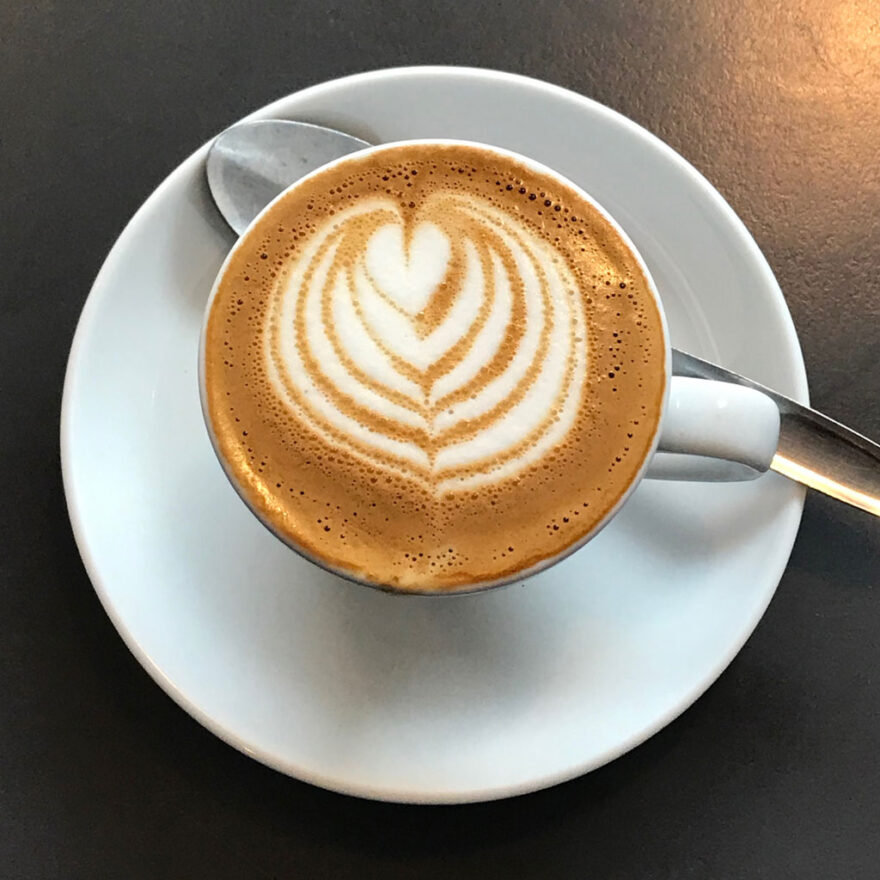
I’m pretty relaxed about cappuccinos and think you should get one whenever you like. However, I must warn you that few things scream tourist in Italy more than ordering a cappuccino at aperitivo time or, heaven forbid, during dinner. That’s because we take digestion seriously and save milky drinks like cappuccinos for the morning, believing that milk could disrupt digestion after a meal. So, while you might be tempted to sip a frothy cappuccino after a plate of spaghetti, be prepared for some puzzled stares. If you’re really craving something milky, ask for a caffè macchiato instead: an espresso with a tiny splash of milk.
21. Cutting spaghetti
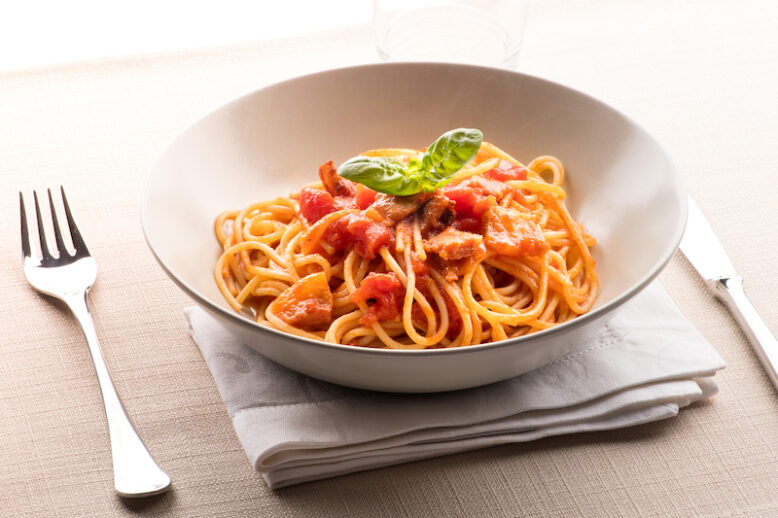
Since I mentioned spaghetti, here’s another common mistake: if you’re served a beautiful plate of spaghetti alla carbonara and instinctively reach for your knife—don’t! In Italy, cutting spaghetti is practically a cardinal sin. The correct way to handle them is grabbing your fork, twirling some spaghetti around it and create a nice little pasta nest to bring to your mouth. Sure, it might take a bit of practice, but don’t worry, you’ll master it in no time.
22. Searching for a savoury breakfast
In Italy, we don’t do savoury in the morning and those who do are definitely the exception, not the rule. For us, the perfect colazione (breakfast) involves something sweet: a warm cornetto (croissant), a few biscotti (cookies), or perhaps pane, burro e marmellata (bread, butter and jam). Therefore, unless you’re staying at some upscale hotel or you stumble upon a bar geared toward tourists, you won’t find scrambled eggs nor sausages.


Valentina Nicastro is a travel writer in love with her home country, Italy. Having travelled widely around the globe, she realised there was more to explore closer to home and decided to put the passport aside for a while. When she is not immersed in documenting Italy, you’ll find her donning her communication consultant hat, weaving words as a content writer and bridging linguistic divides as a translator.