Italian Word of the Day: Nebbia (fog / mist)
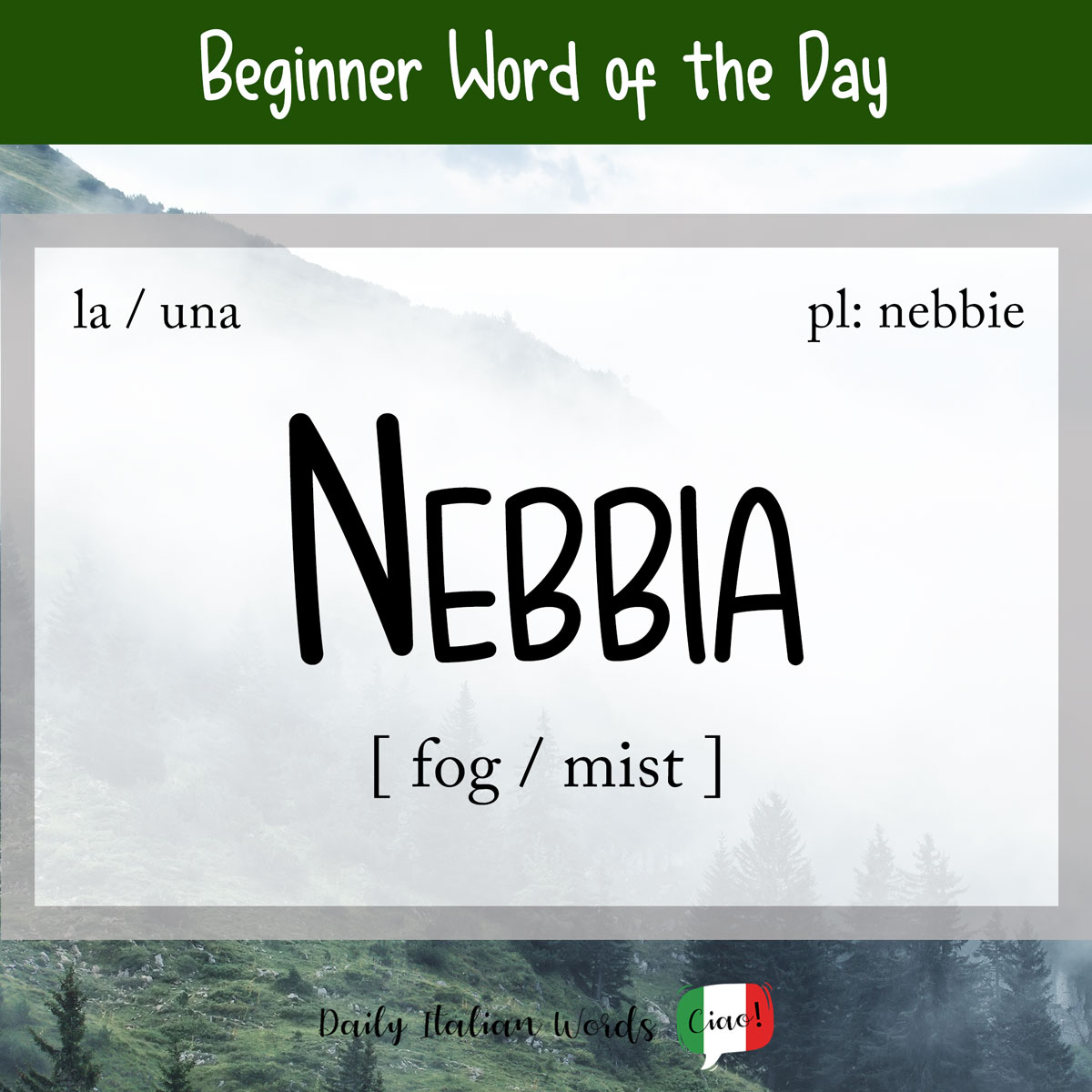
The word for fog in Italian is nebbia (feminine, plural: nebbie). If you have trouble remembering this word, I find it helps to create a mental association with the astronomical term nebula with which it shares the same Latin origin. Fog can be described according to its thickness (e.g. fitta = thick; densa = dense; …
Read more

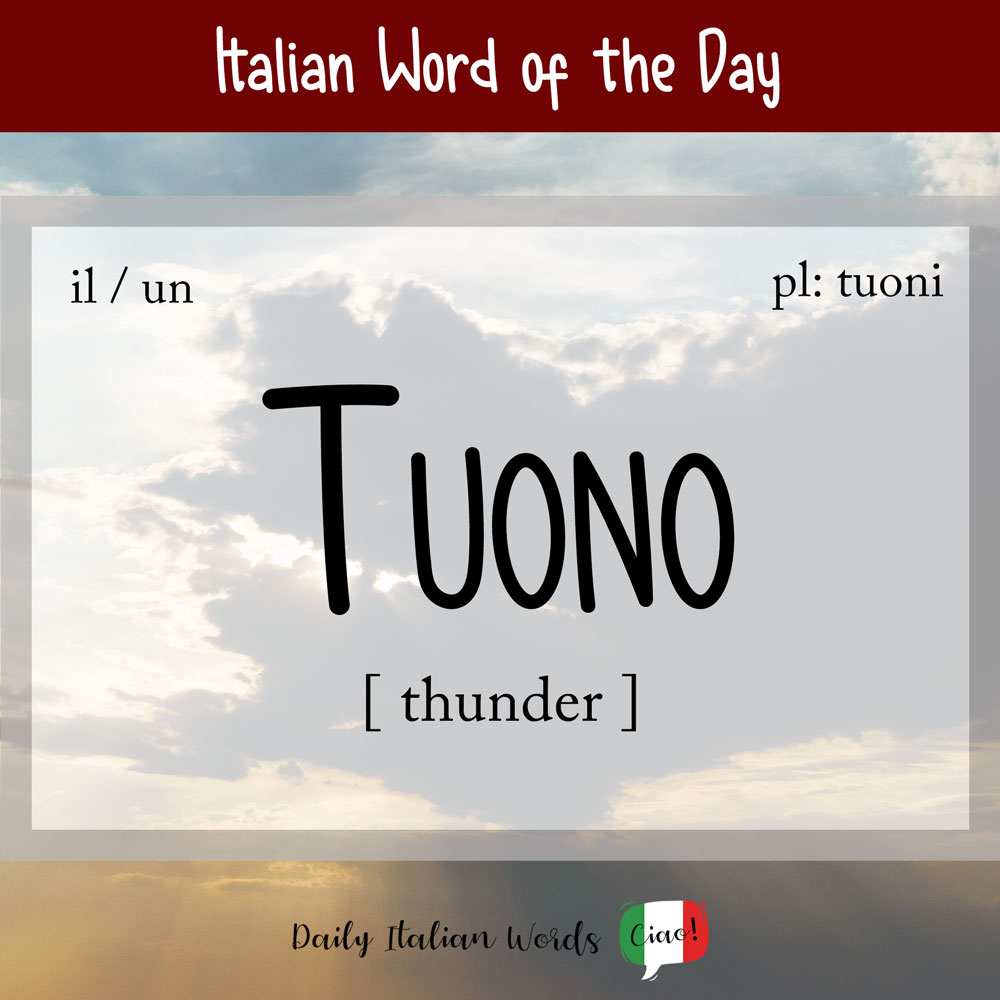
Italian Word of the Day: Tuono (thunder)

Only a couple of days ago, we published an article about the word for lightning (fulmine) so it would be remiss of us if we didn’t talk about its partner in crime tuono (masculine, plural: tuoni) which is the word for thunder in Italian. Tuono derives from the verb tuonare (or the old literary variation …

Read more

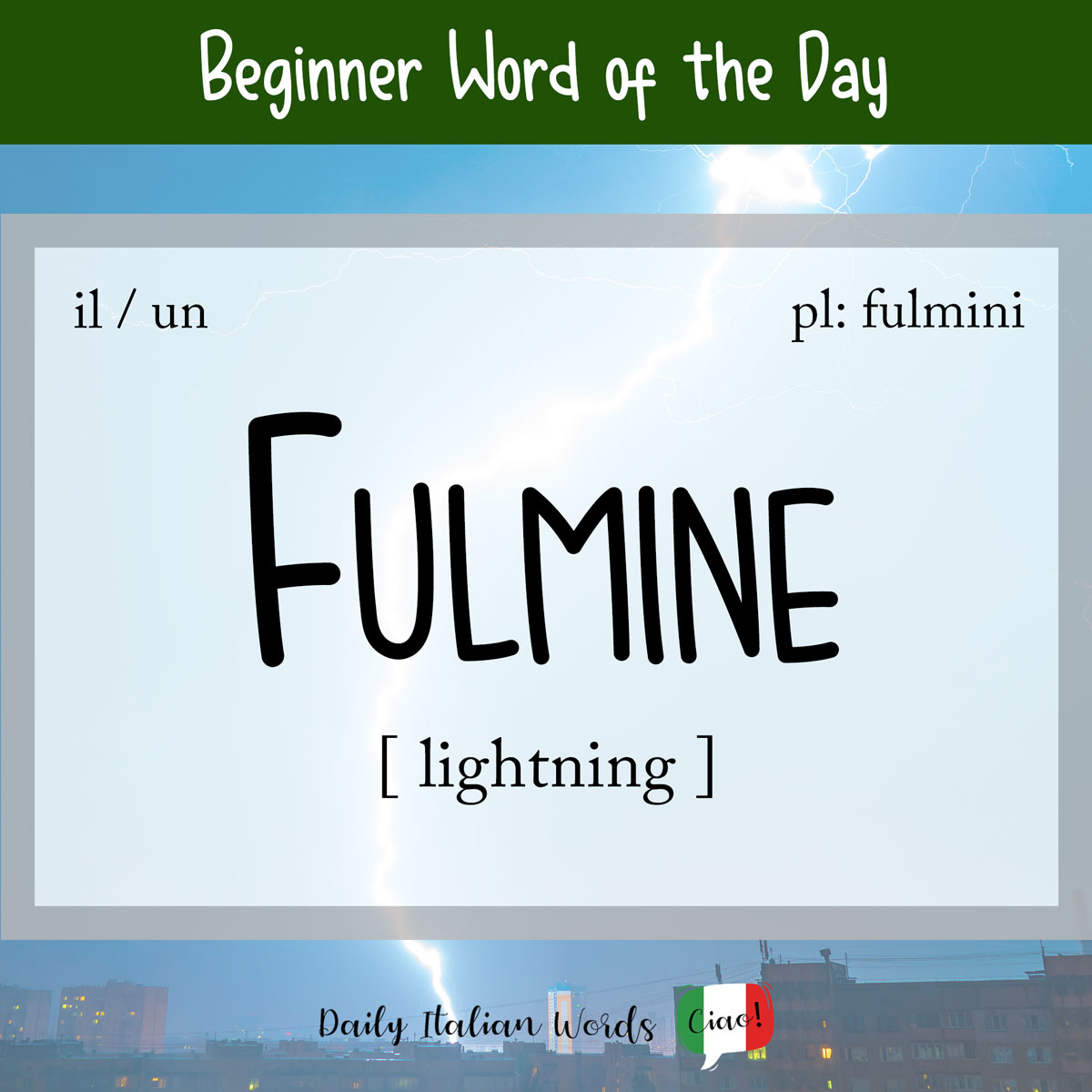
Italian Word of the Day: Fulmine (lightning)

Lightning, known as fulmine (masculine, plural: fulmini) in Italian, is a key element of a thunderstorm, along with thunder (tuono) and heavy rain (pioggia). Another word that translates as lightning is lampo. Whereas fulmine refers to the occurrence of a natural electrical discharge between a cloud and the ground or within a cloud (or in …

Read more

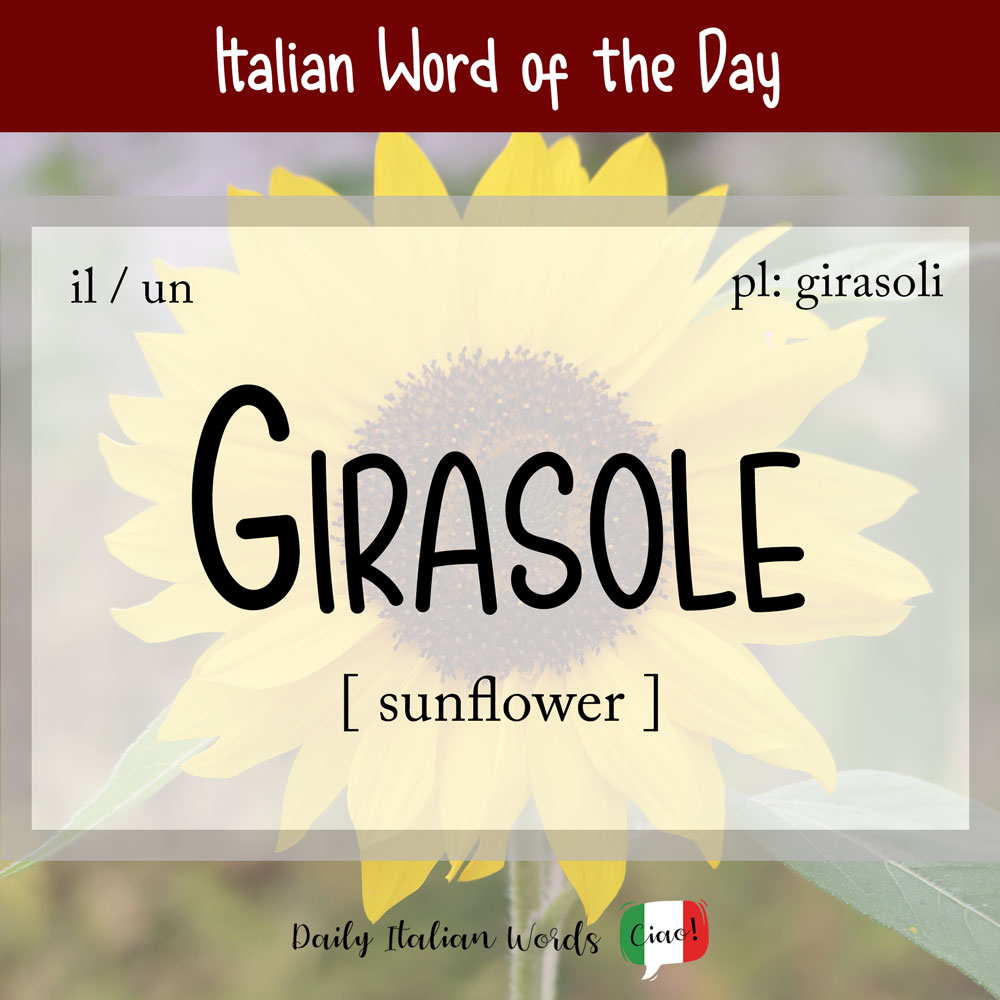
Italian Word of the Day: Girasole (sunflower)

The sunflower, known as a girasole (masculine, plural: girasoli) in Italian, is a beautiful tall plant of the daisy family with very large golden-rayed flowers. The Italian name is a combination of the verb girare (to turn, spin) and sole (sun). The name refers to the heliotropic behaviour of the flower (it turns throughout the …

Read more

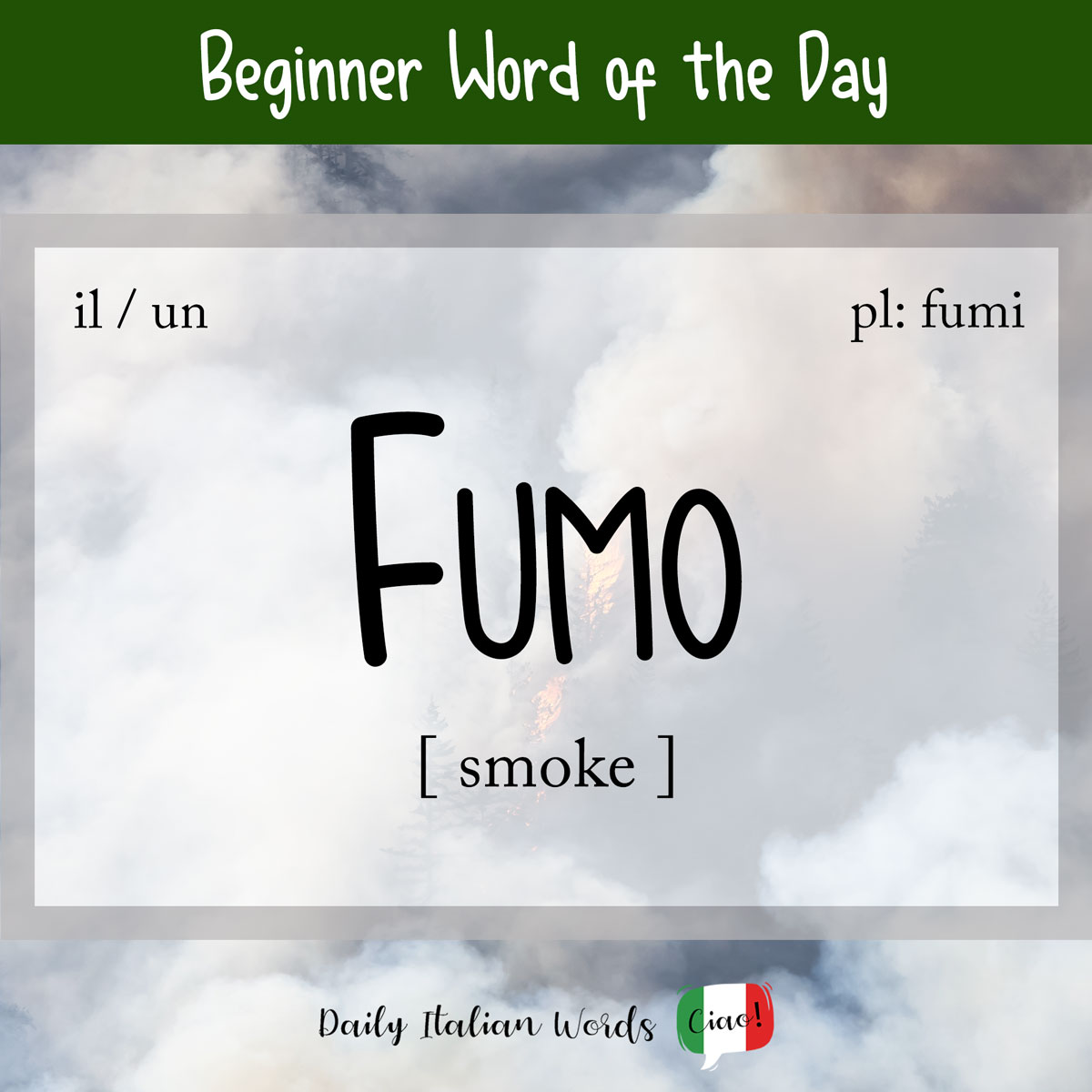
Italian Word of the Day: Fumo (smoke)

The Italian word for smoke is fumo (masculine, plural: fumi). If you have trouble remembering this word, I’ve found that it helps to think of the English term fume which shares the same origin. Related to fumo is the verb fumare which means to smoke in both the transitive and intransitive sense of the word. …

Read more

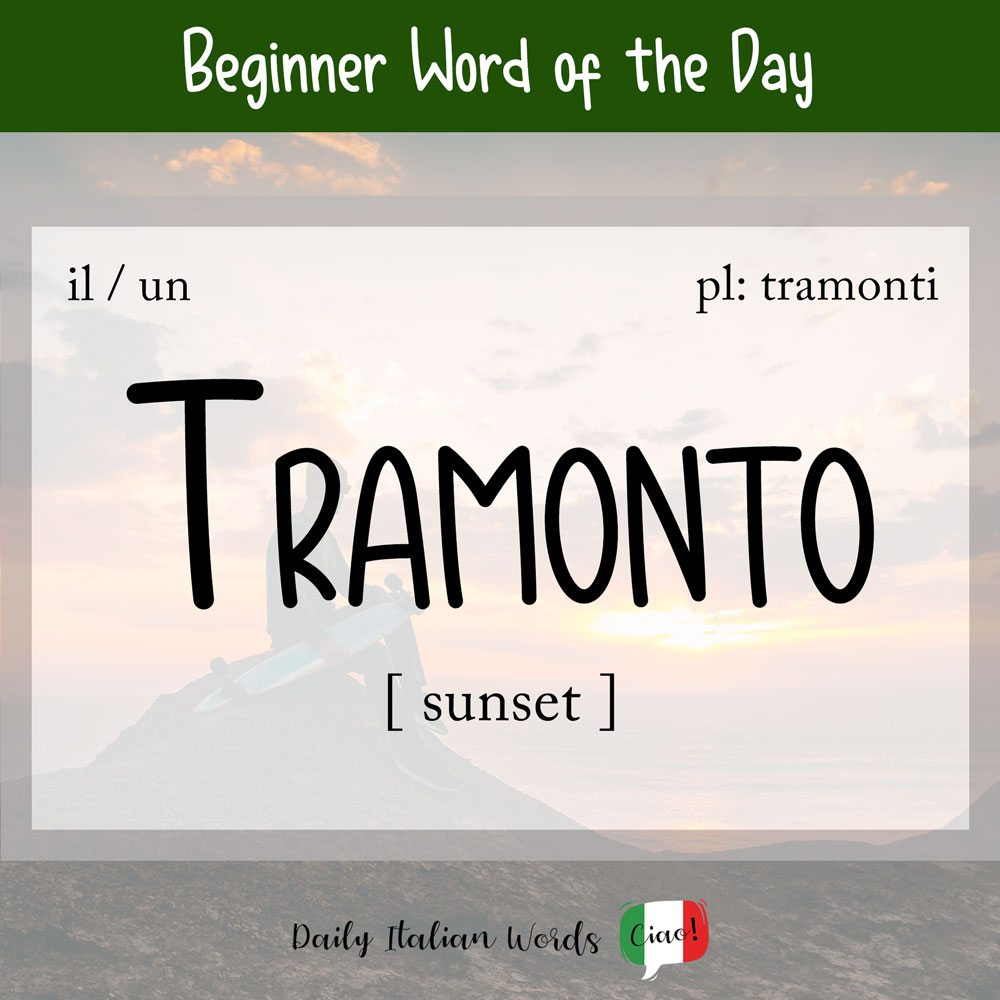
Italian Word of the Day: Tramonto (sunset)

The word for sunset in Italian is tramonto (masculine, plural: tramonti). Derived from the verb tramontare (to set, fade, wane), it is a combination of the word monte (mount) and the prefix tra-. The latter normally means between, but in this case, the definition is closer to beyond. Together they form ‘to go beyond the …

Read more