When you’re visiting Italy, one of the must-do activities (besides indulging in an embarrassing amount of gelato) is definitely sipping on some local wine. But honestly, the wine talk can get a little intimidating—DOC this, amabile that… it’s like a whole new language! So, to save you from the awkward smile-and-nod routine when the waiter starts describing tannins and terroir in rapid-fire Italian, I’ve put together a handy little guide to the Italian wine words you’re most likely to come across.
Wine production
Before you’re clinking glasses and chatting about the “notes” in your Nero d’Avola, let’s rewind for a second, back to where the magic actually begins. No, not the wine shop. Earlier than that.
Vite (Grapevine)
This is the plant itself, the one doing the hard work growing those juicy little grapes that eventually turn the wine in your glass.
Vitigno (Grape variety)
Think of this as the “grape breed.” Some are proudly local (like Nebbiolo in Piedmont or Passerina in le Marche), while others, like Merlot or Chardonnay, are international. According to a research by Intesa Sanpaolo, Italy is home to around 80 native grape varieties, beating Portugal (40), France (15), and Spain (15).
Vigna (Vineyard)
This is the plot of land where grapes grow, and where farming often becomes an experience. Think cene in vigna (dinners in the vineyard), aperitivi in vigna, (aperitifs in the vineyards), picnics, yoga, even dormire tra le vigna (sleeping among the vines). Effortlessly atmospheric!
Vigneto (Vineyard)
It’s basically the same as vigna, just a touch more technical. If it’s perched on a steep slope, clinging to a cliffside, or growing in some wildly challenging spot, it’s called a vigneto eroico, literally a “heroic vineyard.”
Vignaiolo (Vine grower)
This is the person doing all the work behind the scenes—pruning vines, checking soil, reading the weather like a fortune teller.
Vendemmia (Harvest)
The big moment! It typically happens between late August and October, and can be manuale (by hand) or meccanica (by machine). There’s also the vendemmia tardiva (late harvest), where grapes are left on the vine longer so they develop more sugar, perfect for producing sweet wines like Passito.
Annata (Vintage)
This marks the year the grapes were harvested. You’ll usually spot it printed on the label, just below the wine’s name. Some years are stars (una buona annata– a good year), others not so much (una cattiva annata– a bad year), depending on the whims of that year’s weather.
Azienda vinicola (Winery)
This is the wine-producing estate or business, growing and bottling their own grapes. One of the oldest is Ricasoli in Tuscany, with a winemaking tradition dating back to 1141! It’s not just Italy’s oldest winery, but one of the oldest in the world. Can you imagine the stories in that cellar?
Vinificazione (Wine-making)
The whole process of turning grapes to wine, starting with the vendemmia (harvest), then la pressatura (pressing), la fermentazione (fermentation), l’affinamento (aging), and finally l’imbottigliamento (bottling).
Botte (Barrel, cask)
Where the wine matures. Fun fact: the oldest barrel-making company in Italy is Garbellotto, founded in 1775 in Conegliano Veneto. In 2024, they snagged a Guinness World Record for building the world’s largest wine barrel, one that holds 674 hectoliters!
Mosto (Must)
It’s the mixture obtained from crushing the freshly harvested grapes, including the juice, skins and seeds. In many regions, it gets a second life in the kitchen, used as ingredient to prepare regional delights like ciambelline al mosto (grape must donuts), mostata (Sicilian grape must pudding), or vincotto (literally “cooked wine,” a rich, slow-cooked syrup).
Types of wine
Now comes the fun part: whether you’re team red, white, or “I’ll take whatever pairs well with this pasta,” getting familiar with the main types of Italian wine is the key to enjoying every sip.
Let’s start with the basics: the colours.
Vino rosso (Red wine)
The bold one, made from red-skinned grapes. Examples are Brunello di Montalcino in Tuscany, Barbaresco from Piedmont, and Negroamaro in Apulia.
Vino bianco (White wine)
Bright and refreshing, these wines span hues from soft lemon to rich golden tones. Great Italian whites include Greco di Tufo from Campania and Verdicchio from Le Marche.
Vino rosato (Rosé wine)
A summer classic, with its signature blush or salmon-pink hue. An excellent Italian rosé is Cerasuolo d’Abruzzo.
Next, the style:
Vino fermo (Still wine)
Classic and calm, this is the standard, no-fizz wine. Examples include Amarone della Valpolicella or Barolo from Veneto.
Vino mosso (Sparkling wine)
This is the fizzy kind of wine. Think Lambrusco from Emilia-Romagna or Bonarda from Piedmont.
Vino spumante (Sparkling wine)
Spumante has more bubbles than the average sparkling wine. The name comes from spuma (foam), which is what you see when it’s poured. You might also hear the term metodo classico, referring to a traditional production method where the wine goes through a second fermentation in the bottle. Well-known Italian spumanti include Trentodoc from Trentino Alto Adige and Asti Spumante from Piedmont.
Now let’s talk sweetness levels:
Vino secco (Dry wine)
Dry wines are crisp, structured, and not sweet at all because the natural grape sugars are converted into alcohol during fermentation. If it’s a spumante wine, you’ll often see the word Brut on the label: this is a French term meaning “raw” or “unrefined,” which highlights the distinctly dry taste of the wine. Excellent dry Italian wines include Nebbiolo from Piedmont and Grechetto from Umbria.
Vino abboccato (Off-dry / medium-dry wine)
These are wines with just a touch of sweetness. The term abboccato comes from the idea of someone with a buona bocca (a “good mouth”) who eats and drinks with pleasure. In the same spirit, this label is used for wines with a pleasantly balanced, easy-to-enjoy flavor. Trebbiano d’Abruzzo, for example, is often produced in a very nice abboccato version.
Vino amabile (Semi-sweet wine)
Amabile means “lovable” and that’s exactly the vibe of this wine: noticeably sweet, but still smooth and balanced. It’s sweeter than abboccato, but not as intense as dessert wines. Great examples include Bonarda dell’Oltrepò Pavese in Lombardy and Gewürztraminer in Trentino Alto Adige.
Vino dolce (Sweet wine)
These are dessert wines, lusciously sweet and often rich and aromatic. Notable wines in this category include Vin Santo, perfect with cantucci in Tuscany, and Malvasia, produced in different regions.
And a few special categories:
Vino liquoroso (Fortified wine)
Fortified wines are enriched with added alcohol, resulting in a stronger structure. Renowned examples in Italy are Marsala from Sicily and Barolo Chinato from Piedmont.
Vino aromatizzato (Aromatized wine)
Aromatised wine is fortified with added alcohol, but also infused with herbs, spices, and sugar, giving it a distinctively complex and layered flavor. The most famous example is Vermouth, first crafted in 1786 in Piedmont and now a key ingredient in iconic cocktails like the Negroni and Manhattan.
Vino passito (Raisin wine)
These decadent wines are made from grapes that have been dried, either on the vine or after harvest, to intensify their sugars and flavors. The most famous is Sicily’s Passito di Pantelleria.
Italian wine classification
Now, let’s talk about those mysterious acronyms on Italian wine labels—IGT, DOC, DOCG… they all sound fancy, but also slightly intimidating if you’re not familiar with the topic. In short, these labels are designed to guarantee the wine’s geographic authenticity and production standards, so you know where the grapes were grown and how strictly the wine followed traditional methods.
IGT – Indicazione Geografica Tipica
Typical Geographic Indication
This label means the wine is produced within a specific geographic area, and at least 85% of the grapes must come exclusively from that region.
IGP – Indicazione Geografica Protetta
Protected Geographical Indication
Essentially equivalent to IGT, this is the European Union’s official designation for wines that come predominantly (85% or more) from a defined region.
DOC – Denominazione di Origine Controllata
Controlled Designation of Origin
The DOC label certifies that a wine comes from a specific geographic area and is made according to strict rules regarding grape varieties, cultivation methods, and winemaking techniques unique to that zone. Italy currently boasts around 330 DOC wines, with excellent examples including Buttafuoco from Lombardy, Tintilia from Molise, and Verdicchio dei Castelli di Jesi from Le Marche.
DOCG – Denominazione di Origine Controllata e Garantita
Controlled and Guaranteed Designation of Origin
This is top-quality wine, the highest tier in Italy’s wine classification system. DOCG wines undergo even stricter production standards and rigorous quality testing. Typically, for a wine to be promoted to DOCG status, it must have maintained DOC classification for at least 10 years. There are currently 77 DOCG wines, with Piedmont leading the way. These include Asolo Prosecco (Veneto), Vernaccia di San Gimignano (Tuscany), and Cerasuolo di Vittoria (Sicily)
You’ll also come across other categories of Italian wine, such as:
Vino biologico (Organic wine)
These wines are made from grapes grown the organic way: no chemical fertilizers, no pesticides, just pure, traditional farming.
Vino naturale (Natural wine)
It’s wine stripped down to the essentials: grapes, spontaneous fermentation, and nothing else.
Vino da tavola (Table wine)
These wines don’t need to follow strict production rules other than being made safely according to general wine regulations. However, while this label may suggest simplicity, the quality can be anything but low. That’s because sometimes, respected producers intentionally opt out of formal denominations to craft bold, unique identities for their wines.
Vino sfuso (Loose wine)
This is wine sold straight from the producer, poured into refillable containers like damigiane (large glass jugs) or small kegs. It’s budget-friendly (no labels, no bottling costs), low-waste, and deeply rooted in local tradition. Plus, you feel like a true local filling up your keg at the cantina (wine cellar).
Vino della casa (House wine)
At Italian restaurants, the vino della casa is typically the most budget-friendly option, served by the glass or in carafes: un quartino (1/4 liter), mezzo litro (half liter) or un litro (a full liter). Traditionally, it was homemade by the restaurant owner, but today it’s typically a reliable, locally sourced wine chosen to pair well with the menu.
More wine label terms to know:
Classico (Classic)
When you see Classico on the label, it’s telling you that the wine comes from the historic core area within a DOC or DOCG region. For example, Chianti Classico must be produced within the original Chianti boundaries and contain at least 80% Sangiovese grapes, reflecting its authentic heritage and style.
Riserva (Reserve)
This term means the wine has been left to age a bit longer than usual, so it gets richer and more nuanced.
Superiore (Superior)
If the label says Superiore, it means the wine has got extra alcohol compared to the regular version.
Novello (New)
A young, fresh red wine that hits the table just weeks after harvest.
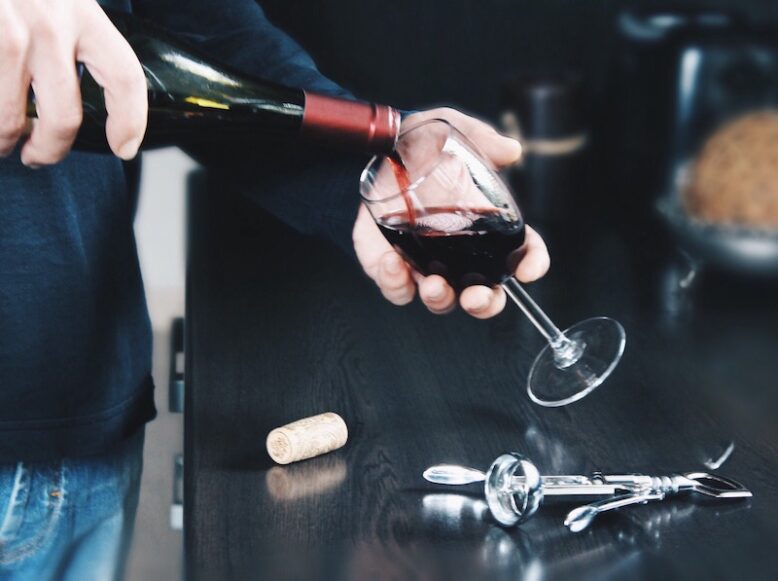
Tasting wine in Italy
One of the best ways to dive into Italian wine culture is visiting a cantina (wine cellar) and tasting your way through their selections. With just a handful of key terms, you’ll enjoy the experience so much more. And since wine tasting is a full-on sensory experience, let’s break it down into three essentials: sight, smell, and taste.
La vista (Sight)
Before you take a sip, check out what’s swirling in your glass. What you see can tell you a lot about what you’re about to drink:
- Colore(colour): maybe you spot a giallo dorato (golden yellow), typical of mature white wines, or an ambrato (amber) hue, often seen in dried-grape passito wines. And if it’s a young red, expect a rosso rubino (ruby red).
- Limpidezza (clarity): a clear wine means it’s well-made and refined; if it looks a bit torbido (cloudy) that could mean it’s natural, unfiltered or a little flawed.
- Consistenza (consistency): this is all about how the wine moves in your glass. If it swirls rapido (quickly) and looks acquoso (watery), it’s lighter-bodied; if it moves lento (slowly) and looks omogeneo (smooth), that’s a good sign of a richer, more structured wine.
L’olfatto (Smell)
Time to annusare(sniff)! The aroma in wine can be described with words like:
- Fruttato (fruity): when it recalls fresh or ripe fruits
- Elegante (elegant): when the scent is layered, balanced, and just plain classy
- Una nota di… (a note of…): use this expression to refer to a specific fragrance, like una nota di vaniglia (a note of vanilla) or note agrumate (citrusy notes)
Il gusto (Taste)
Finally, sip and pay attention to these key elements:
- Acidità (acidity): that zesty tang that livens up the wine and makes it pair beautifully with food. You’ll feel it along the sides of your tongue.
- Sapidità (salinity): the salty edge that pops up especially in wines grown near the coast or in volcanic soils (like the Etna wines from Sicily)
- Corposità (body): is it corposo (full-bodied), rich and dense, or more leggero (light), delicate, and easy to drink? This really shapes how the wine feels in your mouth.
- Retrogusto (aftertaste): the flavors that linger once you’ve swallowed.
- Sa di tappo (It tastes corked): this is a colloquial expression for when the wine tastes or smells a bit off, usually due to a faulty cork that has spoilt it. Hopefully, you won’t need to use this one!
Some common phrases for ordering wine in Italy
Now that you know your way around styles, classifications, and tasting, it’s time to actually order that much-deserved glass (or bottle!). Here are some handy phrases:
Un calice di vino (bianco/rosso), per favore.
A glass of (white/red) wine, please.
Una bottiglia di vino, per favore.
A bottle of wine, please.
Posso vedere la carta dei vini per favore?
Can I see the wine list, please?
Che vino mi/ci consiglia?
What wine do you recommend for me/us?
(Use mi if you’re alone, and ci when asking for the table)
Qualcosa di speciale della zona?
Something special from the area?
Chi assaggia?
Who’s tasting?
This is what the waiter usually asks when you order a bottle of wine. Just reply Assaggio io, grazie (I’ll taste, thank you), take a sip and, if all is well, give a nod and say Va bene (it’s good).
Wine related sayings in Italian
To wrap things up, here are some charming Italian wine sayings to impress your Italian friends:
Il vino fa buon sangue
(Lit. “good wine makes good blood”)
Similar to the saying “an apple a day keeps the doctor away,” this old proverb celebrates the health benefits of wine (when consumed in moderation!). Curiously, it appears to originate from a passage in the Bible: Vinum bonum laetificat cor hominis (Good wine gladdens a person’s heart).
Nella botte piccola c’è il vino buono
(Lit. “In the small barrel, there’s the good wine”)
This saying means that good things come in small packages. We often use it affectionately to describe people, especially those who may be petite but have a big personality. The origin lies in winemaking tradition: small barrels allow for better interaction between the wine and the wood, enriching the flavour.
Finire a tarallucci e vino
(Lit. “To end with tarallucci and wine”)
This expression refers to resolving a conflict or disagreement in a friendly way. It comes from Southern Italian culture, where traditionally tarallucci (a savory biscuit) and wine were shared at the table, symbolizing hospitality and conviviality.
Non si può avere la botte piena e la moglie ubriaca
(LIt. “You can’t have a full barrel and a drunk wife”)
This old phrase means you can’t have it all: if you want joy and laughter (a merry wife!), you have to pour the wine.

Valentina Nicastro is a travel writer in love with her home country, Italy. Having travelled widely around the globe, she realised there was more to explore closer to home and decided to put the passport aside for a while. When she is not immersed in documenting Italy, you’ll find her donning her communication consultant hat, weaving words as a content writer and bridging linguistic divides as a translator.