The word sacco in Italian has several meanings. It can mean a sack, the punching bag you hit at the gym, or even a big pile of something. We also use it informally to mean “a ton” or “loads.”
Sacco
Sacco is a masculine noun, so it’s il sacco in the singular form and i sacchi in the plural.
- il sacco
- i sacchi
- un sacco
- dei sacchi
Now let’s explore the key contexts in which sacco is used:
1. SACCO = Sack / bag
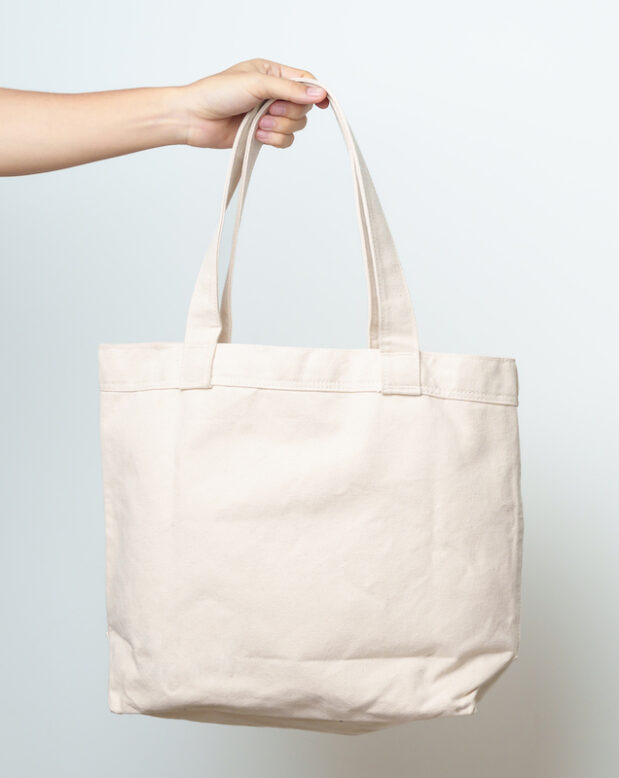
The primary meaning of sacco in Italian is a large sack or bag made of strong fabric, typically used to hold or carry things.
La polizia ha trovato il sacco con tutta la refurtiva.
The police found the bag with all the stolen goods.
We use it in different everyday situations, for example:
- Un sacco di patate: a bag of potatoes
- Un sacco di farina: a bag of flour
- Un sacco di cemento: a bag of cement
- Un sacco della spazzatura: a garbage bag
If you go camping in Italy, you’ll need:
- Il sacco a pelo: the sleeping bag
- Il sacco lenzuolo: the bag liner
And if you ever join a local school party, there may be a corsa nel sacco, which is the classic race where kids hop to the finish line with their legs stuck inside a big sack.
In daily life, the diminutive form sacchetto (literally, “little bag”) is what shop assistants ask you about at checkout:
Vuole un sacchetto?
Would you like a bag?
In fashion, the same word appears in the expression a sacchetto to describe clothes that evoke the classic “sack” shape. For example, in pantaloni a sacchetto (literally, “sack-style trousers”), the high waist design creates a scrunched effect that resembles a traditional paper bag.
2. SACCO = Punching bag
At the gym, sacco is the big, heavy bag waiting to be punched. Boxers (and wannabe boxers) use it to train and improve their punches, but only with i guantoni (boxing gloves) because without them… ahia! (ouch).
Adoro allenarmi con il sacco, scarico tutta la tensione della giornata!
I love training with the punching bag; I let go of all the day’s stress!
Here are the most common expressions in this context:
- Allenarsi al sacco / con il sacco: to train on/with the punching bag
- Allenamento al sacco / con il sacco: a workout with the punching bag
- Sacco appeso: a hanging punching bag
- Sacco da terra: a freestanding punching bag that sits on the floor
3. UN SACCO = A lot
In everyday, informal Italian, we use un sacco as an adverb to mean “a lot” or “loads.” It’s like saying molto or tanto, but much more relaxed. You’ll especially hear it used with the verb piacere (to like):
Ci piace un sacco viaggiare in treno.
We really like traveling by train.
Le sono piaciuti un sacco i regali.
She really liked the gifts.
Naturally, you can also use un sacco with plenty of other verbs, always to express a high degree of something. For example:
Stasera non ceno, ho mangiato un sacco a pranzo
I’m skipping dinner, I ate a lot at lunch.
Mi manchi un sacco, quando ci rivediamo?
I miss you loads, when are we seeing each other again?
4. UN SACCO DI = A lot of
Add the preposition di (of) and voilà, you get un sacco di! This indicates a large amount of something, like “a lot of,” “a bunch of,” or “loads of” in English. It’s informal, so perfect for casual chats.
Ieri abbiamo comprato un sacco di cose al mercato.
Yesterday we bought a ton of things at the market.
Ci sono un sacco di nuovi iscritti al corso di yoga di Sabrina.
There are lots of new people registered for Sabrina’s yoga class.
In Italian, you can also express a large quantity with tanto or molto, but these adjectives must agree in gender and number with the noun they describe. Un sacco di, on the other hand, never changes. For example:
Abbiamo comprato tanti / molti vestiti
We bought many clothes.
(Here, tanti/molti agree with vestiti, which is masculine plural.)
Abbiamo comprato un sacco di vestiti
We bought many clothes.
(Here, un sacco di is invariable, so you don’t have to worry about remembering the gender of the noun.)
Fun fact: There’s also the quirky expression un sacco e una sporta (literally, “a sack and a shopping bag”), which emphasises a huge amount of something, like saying “an awful lot” in English. It’s a bit old-fashioned or dialectal, but still good to know in case you hear it:
Erano tutti molto arrabbiati con Diego per aver fatto saltare la gita scolastica, gliene hanno dette un sacco e una sporta!
Everyone was super mad at Diego for ruining the school trip, they told him all sorts of things!
5. SACCHI = Euros
In some Italian dialects (especially in Rome), the plural form sacchi is slang for money, specifically euros. It’s used casually to talk about how much something costs, similar to saying “bucks” in English.
Sti due biglietti mi sono costati 100 sacchi.
These two tickets cost me 100 euros.
Some idioms and related words
Aside from its everyday use, sacco also features in various Italian idioms. The most common are:
Cogliere qualcuno con le mani nel sacco
Literally: to catch someone with their hands in the bag
Meaning: to catch someone red-handed, to catch someone with their hands in the cookie jar
I due truffatori sono stati colti con le mani nel sacco mentre cercavano di raggirare una vecchietta.
The two scammers got caught red-handed trying to trick an old woman.
Vuotare il sacco
Literally: to empty the bag
Meaning: to spill the beans, reveal a secret. Picture a full sack suddenly opened and everything tumbling out… that’s your secret being told!
Claudia non ce la faceva più a tenersi il segreto e alla fine ha vuotato il sacco.
Claudia couldn’t keep the secret anymore and in the end she spilled the beans.
Mettere nel sacco
Literally: to put in the bag
Meaning: to trick or fool someone
Quei due mi hanno messo nel sacco senza che me ne accorgessi!
Those two tricked me without me even noticing!
Farina del proprio sacco
Literally: flour from your own sack
Meaning: your own work, your own effort (not copied or borrowed). I read that this expression likely comes from a shady trick some millers used to pull in the past: they would sneak lower-quality flour into their sacks of good flour and sell it at a higher price. So, when you say something is farina del tuo sacco, it means everything in your work genuinely comes from you… no sneaky shortcuts!
Ragazzi, questa ricerca non è tutta farina del vostro sacco: alcune frasi sono copiate pari pari dal libro!
Guys, this research is not all your own work: some sentences are copied exactly from the book!
Con le pive nel sacco
Literally: with the bagpipes in the sack
Meaning: to walk away disappointed or empty-handed. Back in the day, soldiers celebrated victories with the pive (bagpipes). But if the pipes stayed in the bag, that meant they’d lost!
Hanno aspettato l’attore davanti all’hotel sperando in un autografo, ma sono tornate con le pive nel sacco: se ne era già andato.
They waited outside the hotel for the actor hoping to get an autograph, but came back empty-handed because he had already gone.
Un sacco di patate
Literally: a sack of potatoes
Meaning: looking clumsy, bulky
Quel cappotto è enorme, sembri un sacco di patate!
That coat is huge, you look so bulky!
Il pranzo al sacco
Literally: lunch in a sack
Meaning: packed lunch
I bambini devono portare il pranzo al sacco per la gita al museo.
The kids need to bring a packed lunch for the trip to the museum.
And then there are some words connected to sacco, all linked to the idea of taking things and putting them in a sack:
- saccheggiare: to raid, plunder, sack
- Ił saccheggio: a raid, plundering
- Il saccheggiatore: a looter

Valentina Nicastro is a travel writer in love with her home country, Italy. Having travelled widely around the globe, she realised there was more to explore closer to home and decided to put the passport aside for a while. When she is not immersed in documenting Italy, you’ll find her donning her communication consultant hat, weaving words as a content writer and bridging linguistic divides as a translator.