Say the word frizzante (fizzy, sparkling, bubbly) out loud: freet-TSAHN-teh. Don’t you feel those tiny bubbles almost popping on your tongue?
That’s the beauty of certain Italian words: they express their meaning through the way they sound.
I’ll share a few below. Some of these will make you laugh, others will make you want to whisper them just to feel every syllable. Ready? Let’s kick things off with some verbs.
Russare — To snore
roos-SAH-reh
The initial rolled r is the rumbling intake — you know, that rough, vibrating pull of air as the snore begins — while the long, hissing double s stretches out the exhale. Together, they recreate the exact acoustic profile of nonno (grandpa) three minutes after announcing he’s “just going to rest his eyes” post Christmas lunch.
Sussurrare — To whisper
soos-soor-RAH-reh
Say soos-soor-RAH-reh slowly and feel those soft s sounds shushing their way through the word. I don’t know about you, but the image that’s popping in my head right now is that of Sir Hiss from Disney’s Robin Hood leaning in with his forked tongue to whisper court gossip into the king’s ear.
Borbottare — To grumble
bohr-boht-TAH-reh
Here, every b forces our lips to pop together, while the o‘s stay soft and half-closed, like they can’t even be bothered to fully open. The whole word sounds like it’s grumbling to itself, exactly like a pot of tomato sauce angrily burping on the stove because we turned the heat up too high – bohr-boht… bohr-boht!
Scivolare — To slide / to slip
shee-voh-LAH-reh
Picture yourself acting this one out, like in a cartoon. Shee... your foot slides. Voh… you’re trying to stay upright. LAH… you’ve completely lost it. Reh… and down you go!
Schioccare — To snap
skyohk-KAH-reh
Here, the sharp skyohk creates the crackling start, then the KAH lands like the smack itself. If you’ve ever been ambushed by an overenthusiastic zia (aunt) and her signature loud cheek kiss, you already know the exact sound!
Ronzare — To buzz
rohn-TSAH-reh
Ronzare begins with a low, drowsy rohn that vibrates straight into the sharp TSAH, perfectly resembling that infuriating little hum of a mosquito hovering near our ear the exact second we hit the bed.
Sgocciolare— To drip
zgohch-choh-LAH-reh
Let’s do this cartoon-style again. Zgohch... the water gathers and a drop begins to form. Choh… it lets go. LAH… down it goes, splashing into the sink. Reh... and just when you think it’s over, one tiny final drop follows behind.
Rimbombare — To resound
reem-bohm-BAH-reh
Just say the middle part — bohm-BAH — out loud and tell me that isn’t the sound of your upstairs neighbour moving heavy furniture at 1am for absolutely no reason, with the noise rumbling through your ceiling and echoing through the building. Classic!
Scricchiolare — To creak
skreek-kyoh-LAH-reh
Here it’s all in that screeching skr sound at the beginning of the verb, perfectly mimicking an old wooden stair creaking under our feet when we try (and fail) to sneak past it undetected.
Singhiozzare — To sob uncontrollably / to hiccup
seen-gyoht-TSAH-reh
Ah, the sound of losing our composure! The emotion starts to rise immediately with SEEN, then that swallowed gyoht chokes our throat shut like we just heard shocking news, and the punchy TSAH, well, is the hysterical sob (or explosive hiccup) that takes over the conversation.
Balbettare — To stammer
bahl-beht-TAH-reh
Listen to those back-to-back b sounds (bahl… beht…). They make our lips open and close like they’re trying to get the words out but keep catching. And just when we think we’re trapped forever, TAH pushes through and saves the day. Surely a fitting rhythm for its meaning!
Accarezzare— To caress
ahk-kah-reht-TSAH-reh
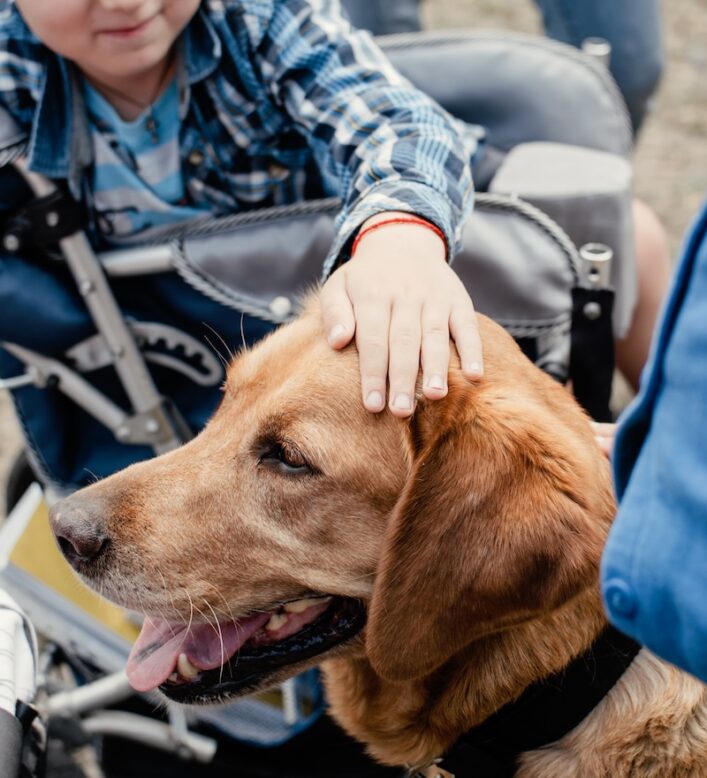
This is a beautiful verb that seems to follow the motion it describes. It begins with a firm touch on the double c (ahk-kah), glides through a softly rolled r, and then opens into the stressed TSAH, letting the sound soften and linger at the end like a hand completing a slow, gentle stroke.
And now let’s see some nouns:
Una sberla— A slap, smack
ZBEHR-lah
Sberla opens with a quick ZB buzz, slides through the air on EHR, and lands with a flat lah. Short, sharp, and over almost as quickly as the slap itself.
Un brusio— A murmur, a rustle of voices
broo-ZEE-oh
That ZEE right in the middle is the unmistakable sound of a buzz of voices — like what happens in those tiny towns when the locals spot a new face!
Uno scroscio— A pouring
SKROH-shoh
That SKROH at the start strikes with force, and then shoh comes flooding out, just like water that has finally burst free and is pouring down… you can almost feel the soaking!
Un ticchettio — A ticking, a rhythmic tapping
teek-keht-TEE-oh
Four syllables, four little taps. Teek-keht-tee-OH. The tongue is basically doing what the word means: sharp, precise movement, like when we’re tapping our fingers impatiently on the counter while the microwave counts down its last thirty seconds standing between us and that lasagna.
Un gorgoglio — A gurgling
gor-goh-LYEE-oh
The word hides down in the throat at first, with two deep g sounds repeating one after the other (gor-goh). And just when it feels trapped there, it breaks free into LYEE-oh, smooth and flowing. I know, that gli is a notorious Italian sound: getting it right can feel like getting your tongue rolled up on itself, but, don’t worry, struggling with it at first is completely normal.
Un tuono — The thunder
TOO-oh-noh
That opening T hits hard and sharp, and then oo-oh-noh rolls out slow and wide, filling our mouth the way the thunder fills the sky. Just don’t rush the uo in the middle — both vowels need their moment. And see how the word never really closes at the end? It just fades out, like a long, low rumble dying in the distance. Go on, try it: TOO-oh-noh!
Uno scoppio — An explosion, a burst
SKOHP-pyoh
Only two syllables here, each performing a specific act: SKOHP builds up, pyoh releases. After all, there’s no middle ground with an explosion, right?

Valentina Nicastro is a travel writer in love with her home country, Italy. Having travelled widely around the globe, she realised there was more to explore closer to home and decided to put the passport aside for a while. When she is not immersed in documenting Italy, you’ll find her donning her communication consultant hat, weaving words as a content writer and bridging linguistic divides as a translator.