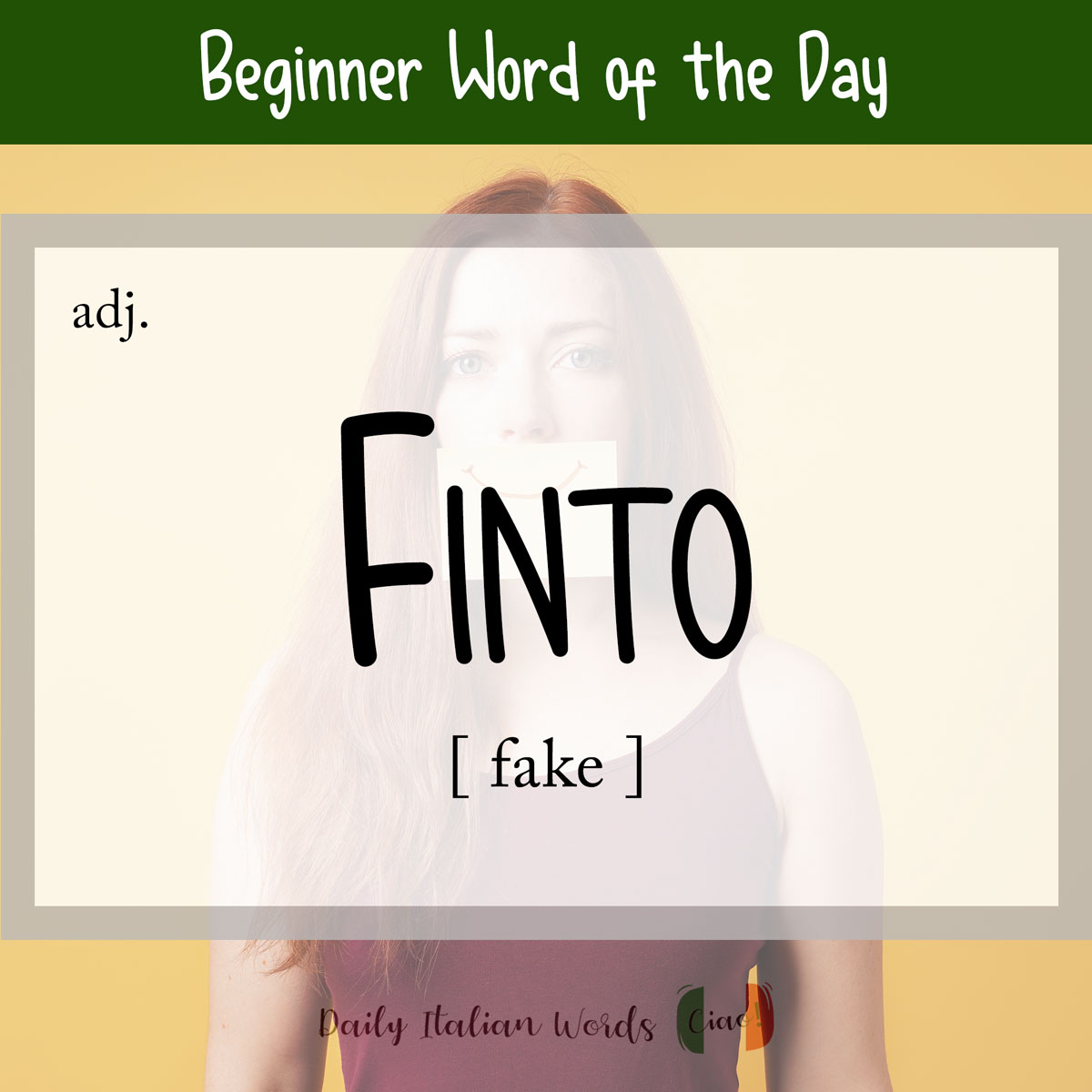
Italian Word of the Day: Finto (fake)

Finto, the word for fake in Italian, is the past participle of the verb fingere (to pretend). The verb comes from the Latin of the same spelling. Because it is an adjective, the final letter changes depending on whether the subject is masculine, feminine or plural: When talking about things, actions or events, finto can …

Read more

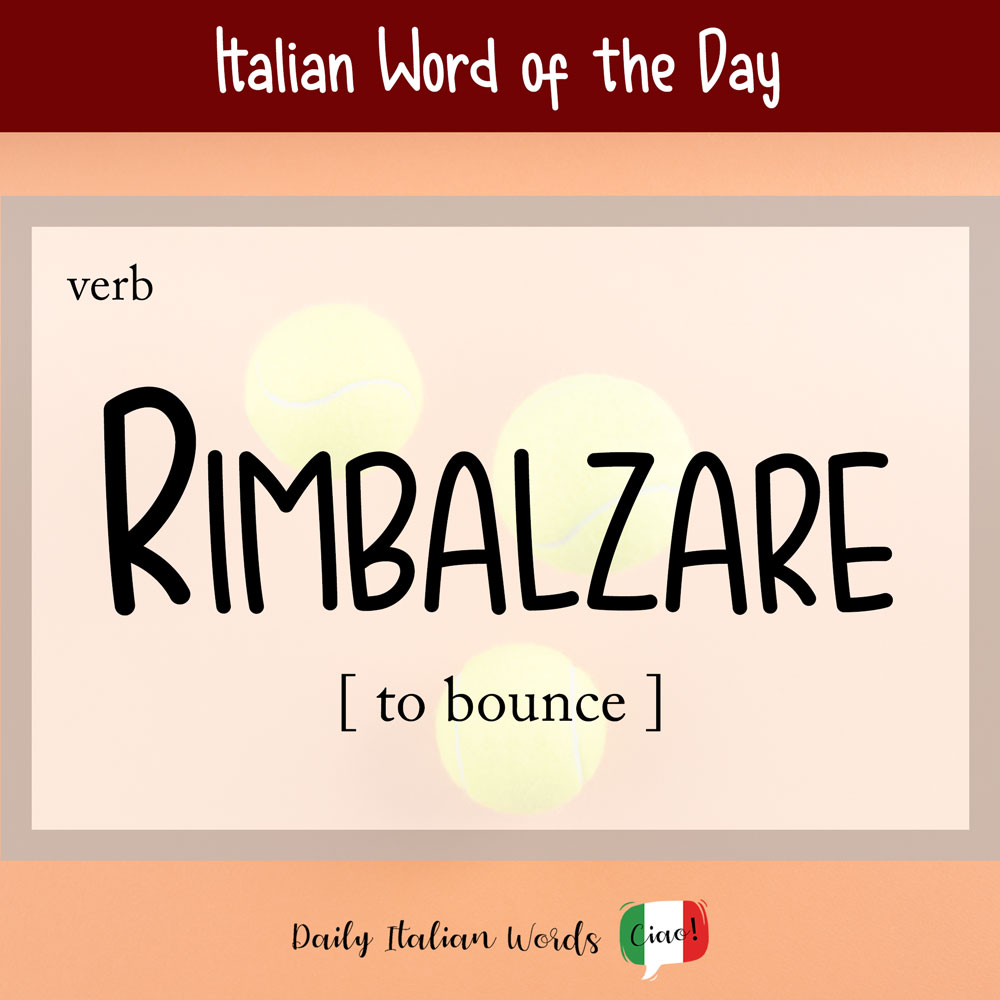
Italian Word of the Day: Rimbalzare (to bounce)

Today, my husband and I discovered a brand-new technique to help our extremely fussy baby to sleep during the day: we hold him tightly in our arms while bouncing him on an exercise ball! The word for the intransitive verb to bounce in Italian is rimbalzare. It is formed from the prefix rin- (which is …

Read more

Italian Word of the Day: Ridere (to laugh)

Today was a landmark in our son’s cognitive development. At just shy of 13 weeks, he figured out how to laugh (ridere) for the first time! Sadly it wasn’t directed towards either of us but rather a particular white wall in our house of which he’s grown very fond for some reason. Ah well, a …

Read more

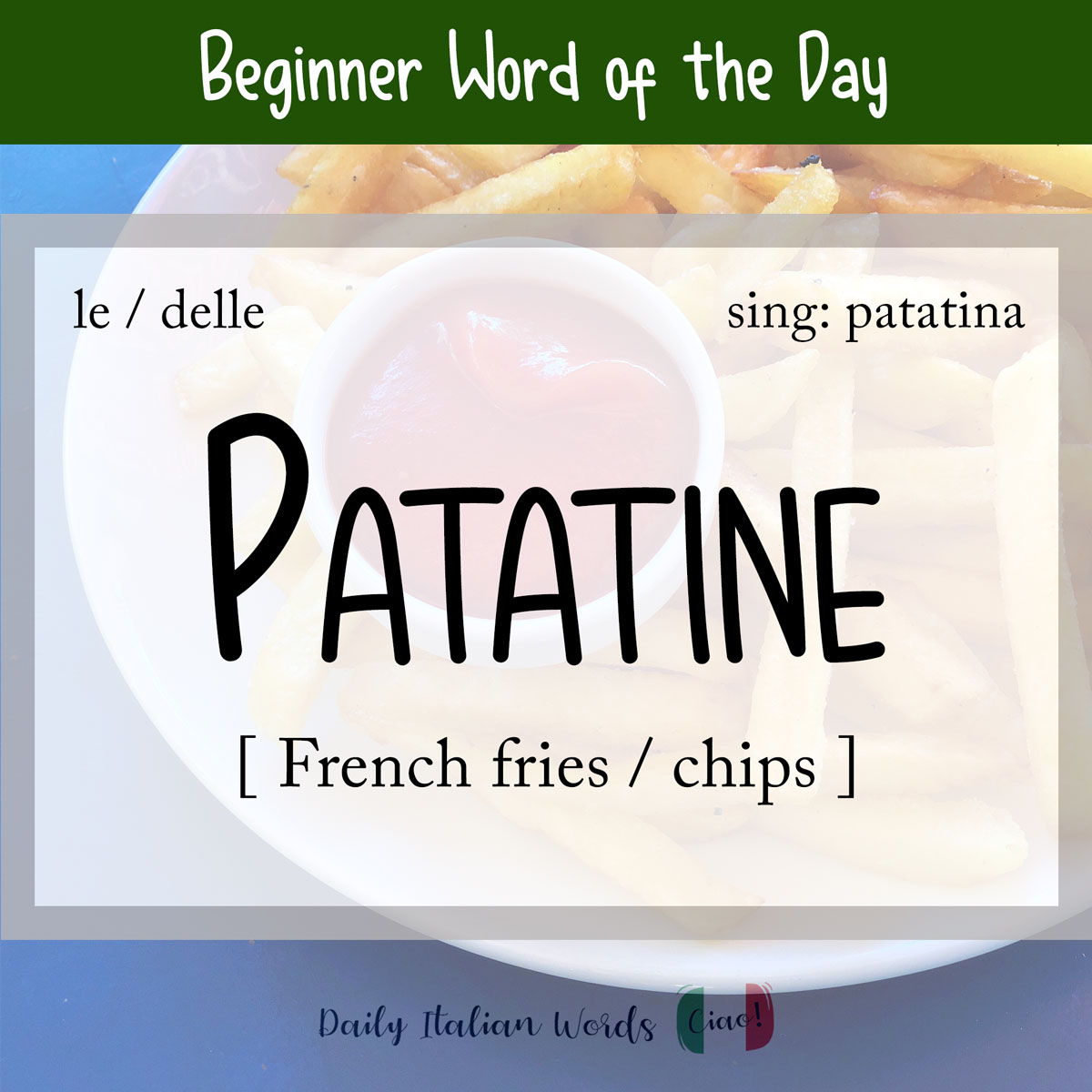
Italian Word of the Day: Patatine (chips / fries)

When not in the midst of a short-lived diet regime, I have the terrible habit of binging on chips (or crisps as they are known in the UK) and French fries. There is something about their salty greasiness that just hits the spot! The word for both of these irresistible junk foods in Italian is …

Read more

Solo vs Solamente vs Soltanto: What’s the difference?

In Italian, the words solo, solamente and soltanto all translate as only in English. When used as adverbs and conjunctions, they are completely interchangeable. As an adverb: When used as an adverb, all three correspond to the English adverb only (as in exclusively or merely). For example: Mio figlio mangia solo pane e pasta.Mio figlio …

Read more