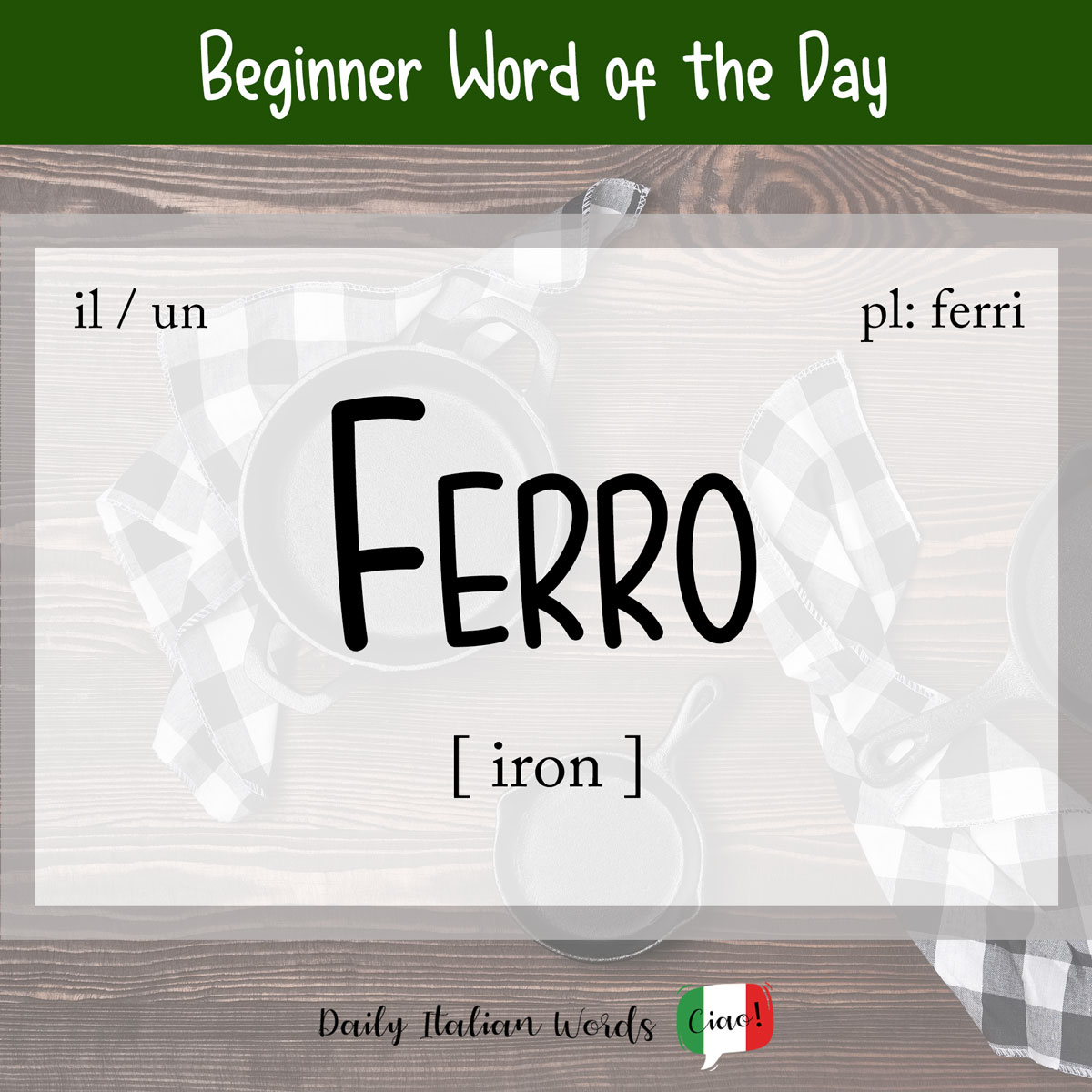
Italian Word of the Day: Ferro (iron)

Ferro (plural: ferri) may not seem like a very interesting word on the surface, but dig a little deeper and you’ll soon discover that it forms the basis of many terms and expressions in both Italian and English! Il ferro si usa solitamente per produrre acciaio. Iron is normally used to produce steel. For example, …
Read more

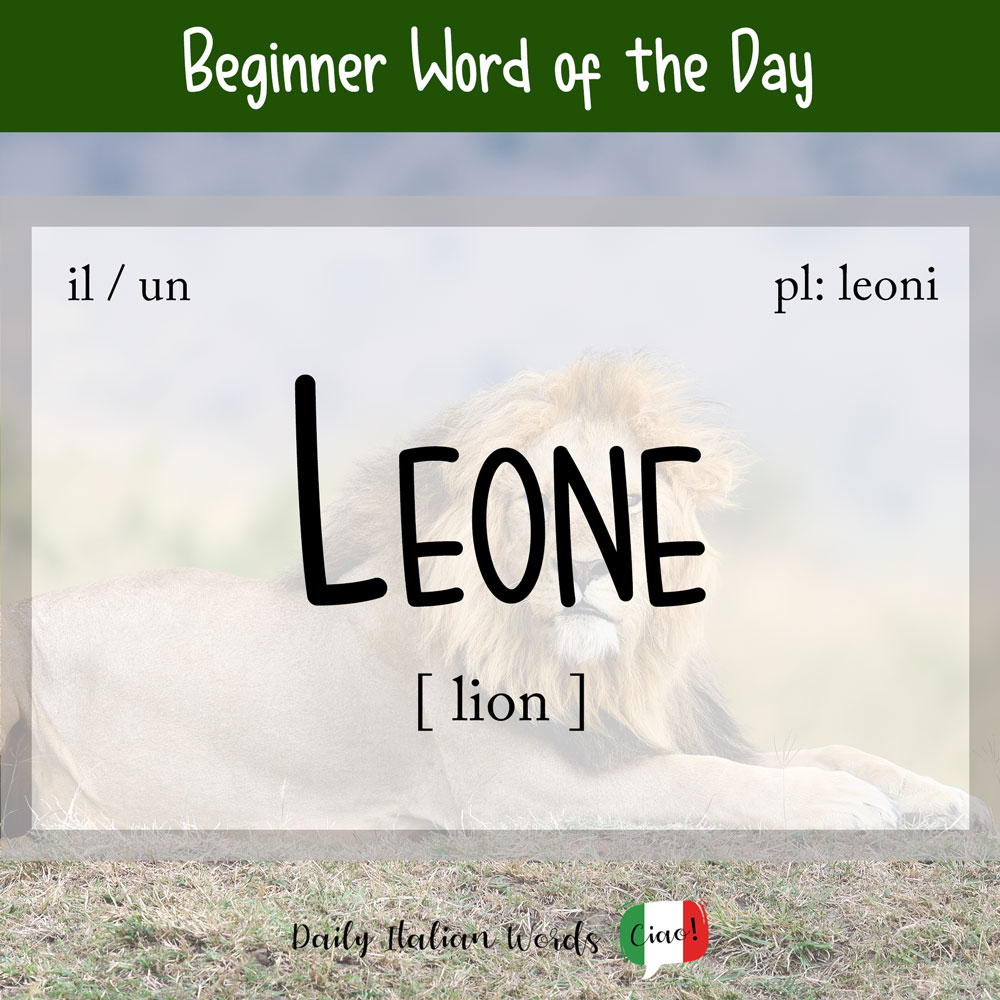
Italian Word of the Day: Leone (lion)

There are thirty-eight big cat species in the world, but none is quite as iconic as the lion – or leone (masculine, plural: leoni) in Italian. A female lion, or lioness, is called a leonessa, whereas a lion cub can be translated as leoncino (little lion), although you will also hear cucciolo di leone. African …

Read more

10 Borrowed English Words in the Italian Language

We are all well aware that English is abound with words of Italian origin but did you know that Italian regularly borrows from English as well? Italian has a long history of incorporating foreign words into its vocabulary but it is only in recent years that the amount of English vocabulary entering Italian has exploded. …

Read more

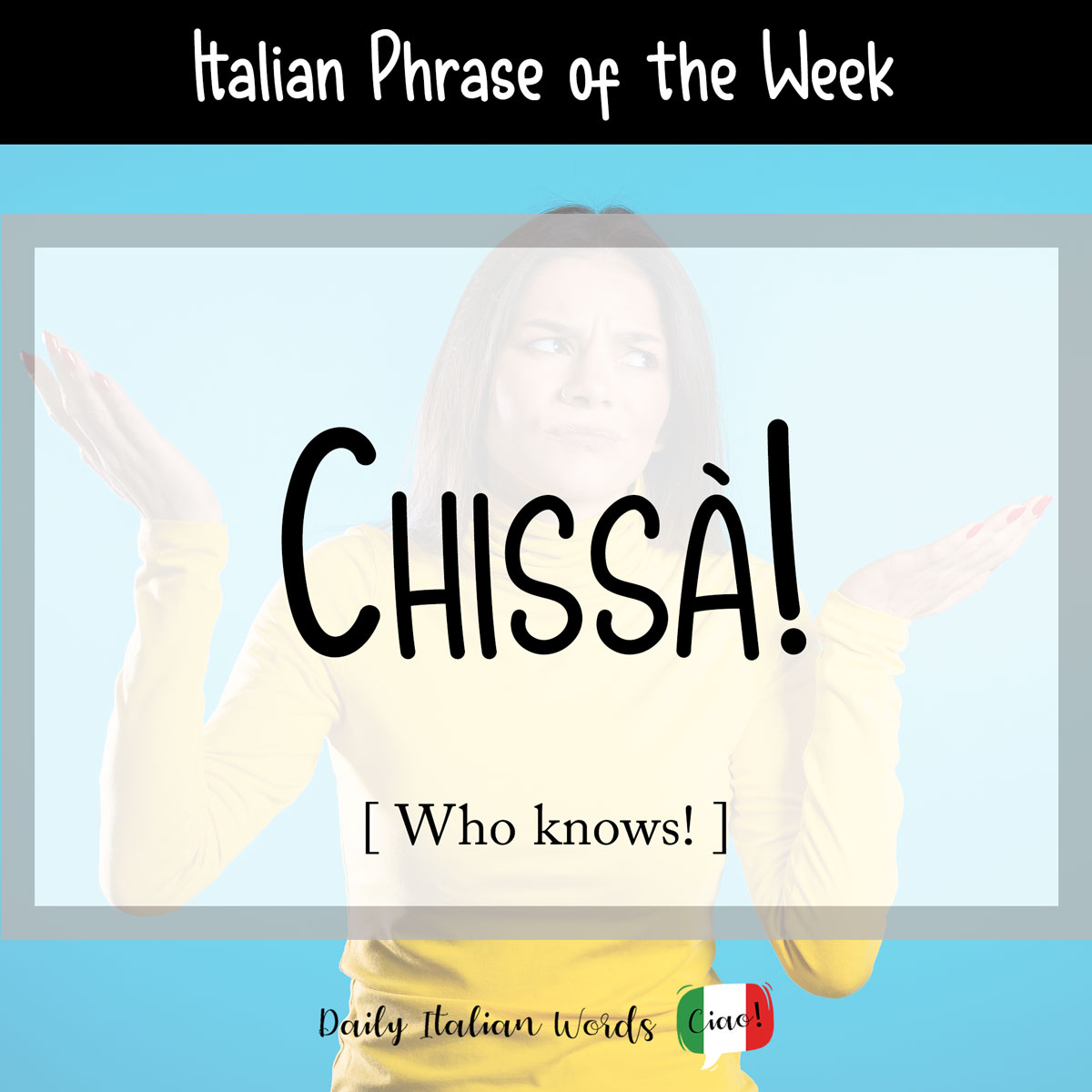
Italian Phrase of the Week: Chissà! (Who knows!)

Chissà is an interesting word in Italian because it is an abbreviation of chi lo sa (literally, who knows it). The accent on the à tells you that the stress falls on the final syllable. When used on its own in response to a question, its closest translation is Who knows! or Goodness knows! in …

Read more

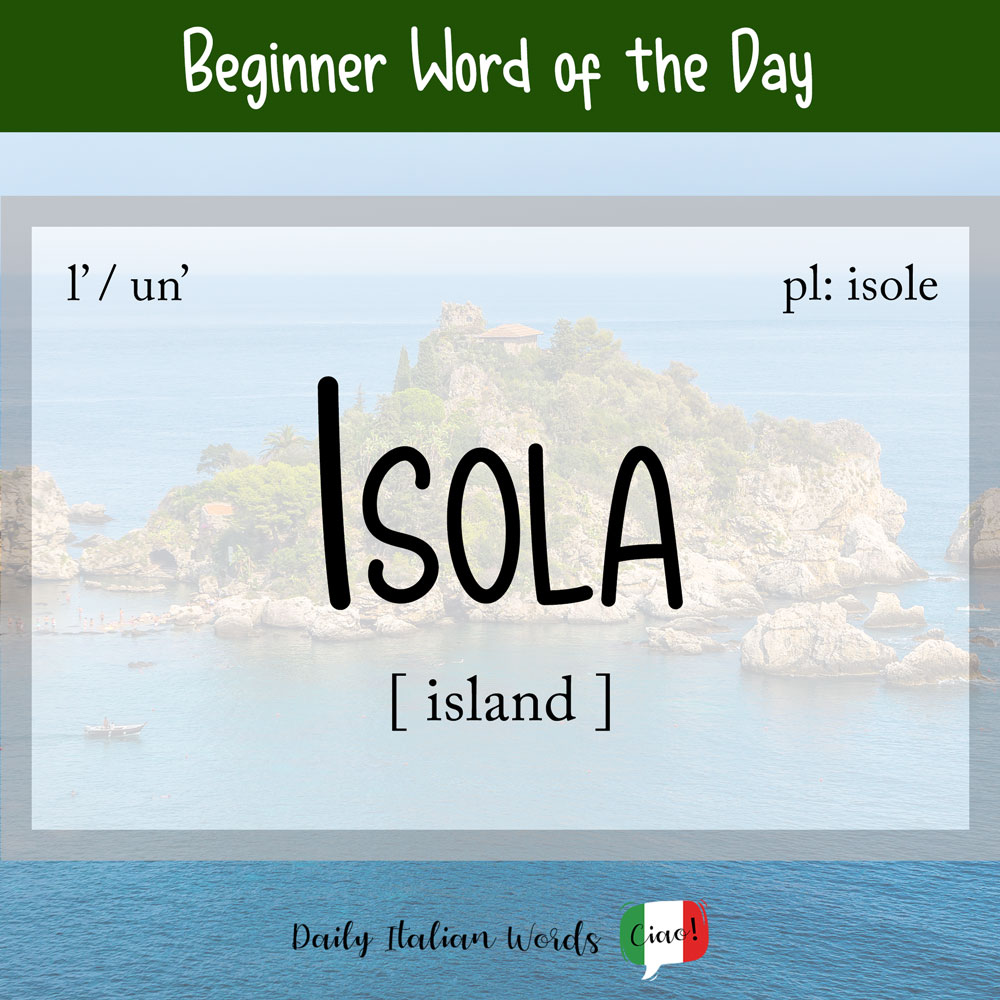
Italian Word of the Day: Isola (island)

An island – or isola (feminine, plural: isole) in Italian – can be formed in three different ways. The first is when continental plates (placche continentali) collide and push land up above the ocean’s surface. The second is when underwater volcanoes (vulcani sottomarini) continuously erupt in one area, causing land to form. The third is through …

Read more

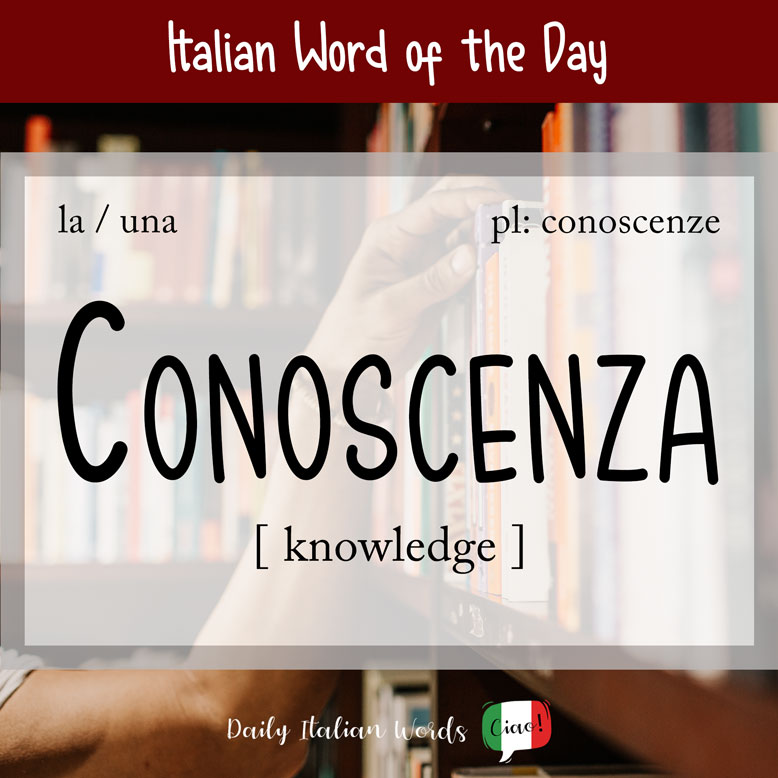
Italian Word of the Day: Conoscenza (knowledge)

cover image with the word “conoscenza” and books in the background

Conoscenza, or knowledge in English, is an understanding of facts, information, descriptions, and/or skills which is acquired through experience (esperienza) or education (apprendimento). Conoscenza is a feminine noun and takes the following articles: la conoscenzauna conoscenza le conoscenzedelle conoscenze Ho una buona conoscenza della lingua italiana. I have good knowledge of the Italian language. Conoscenza …

Read more