Italian Word of the Day: Nascondere (to hide / conceal)
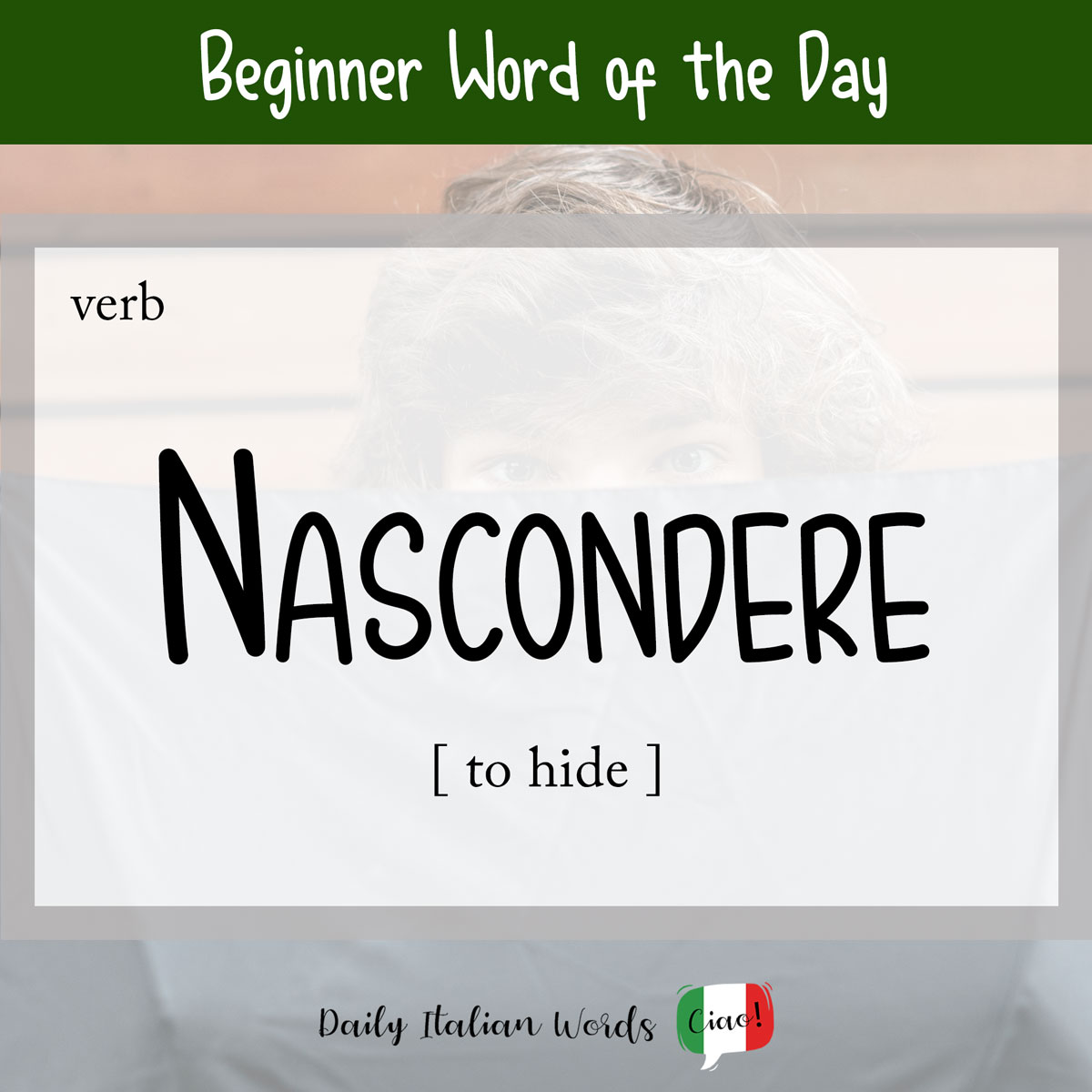
Whenever my mom and I take my son to school, he enjoys playing hide-and-seek behind the walls and buildings that line the streets, adding a bit of excitement to our daily stroll! His penchant for this game inspired me to write about the word nascondere, which translates to to hide. nascondere to hide The word …
Read more

Italian Word of the Day: Guasto (broken / damage)

My son is currently obsessed with trains of all sorts, so it shouldn’t come as a surprise that one of his favourite words in Italian is guasto. It is used when something, such as a machine, vehicle or toy, stops working as it should. guasto broken / faulty Guasto is the past participle of the …

Read more

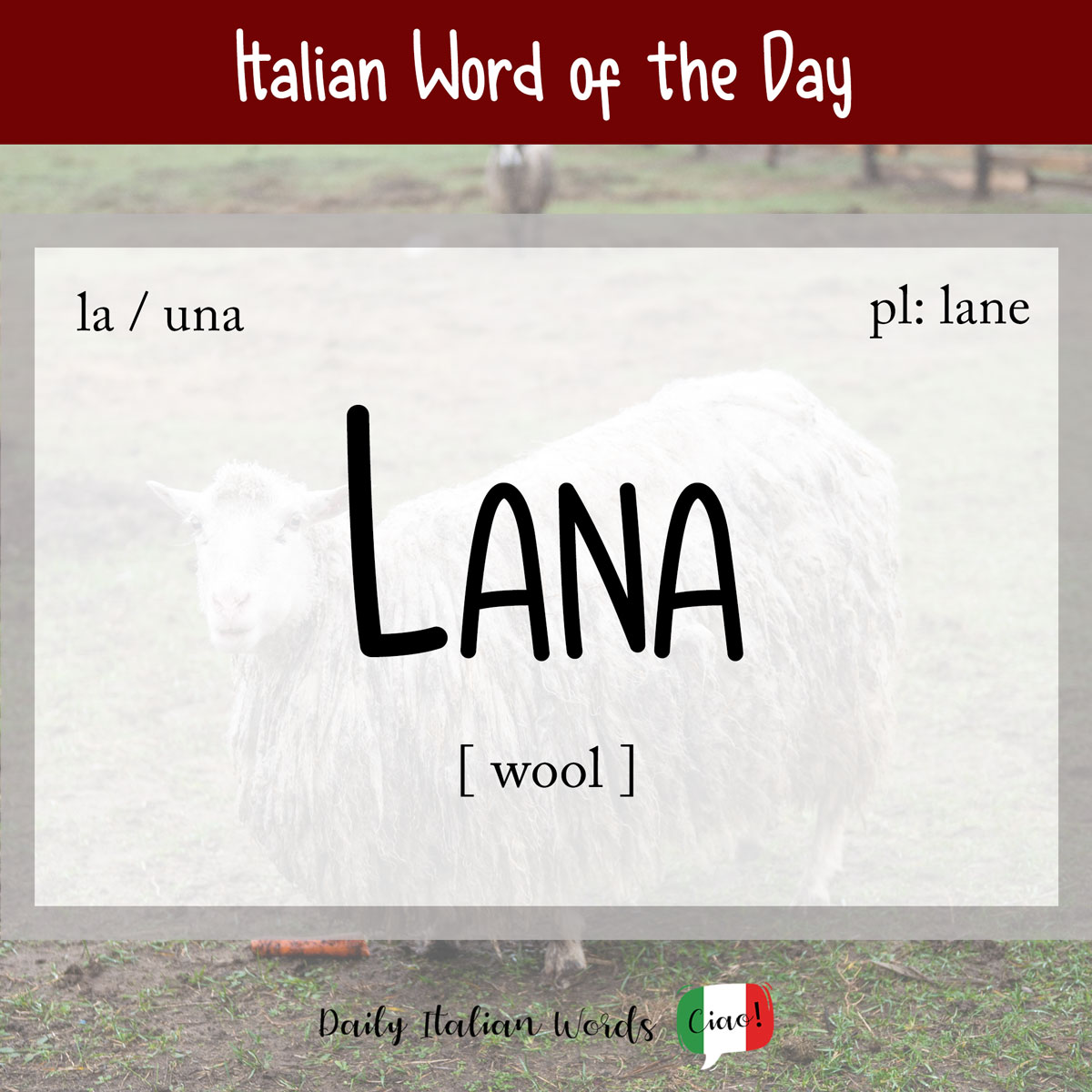
Italian Word of the Day: Lana (wool)

The soft curly hair forming the coat of a sheep, goat or camel is known as wool in English, or lana in Italian. lana wool Lana, which is a feminine noun, is derived from the Latin word of the same spelling and meaning. Below are its definite and indefinite articles: The expression di lana (of wool) is …

Read more

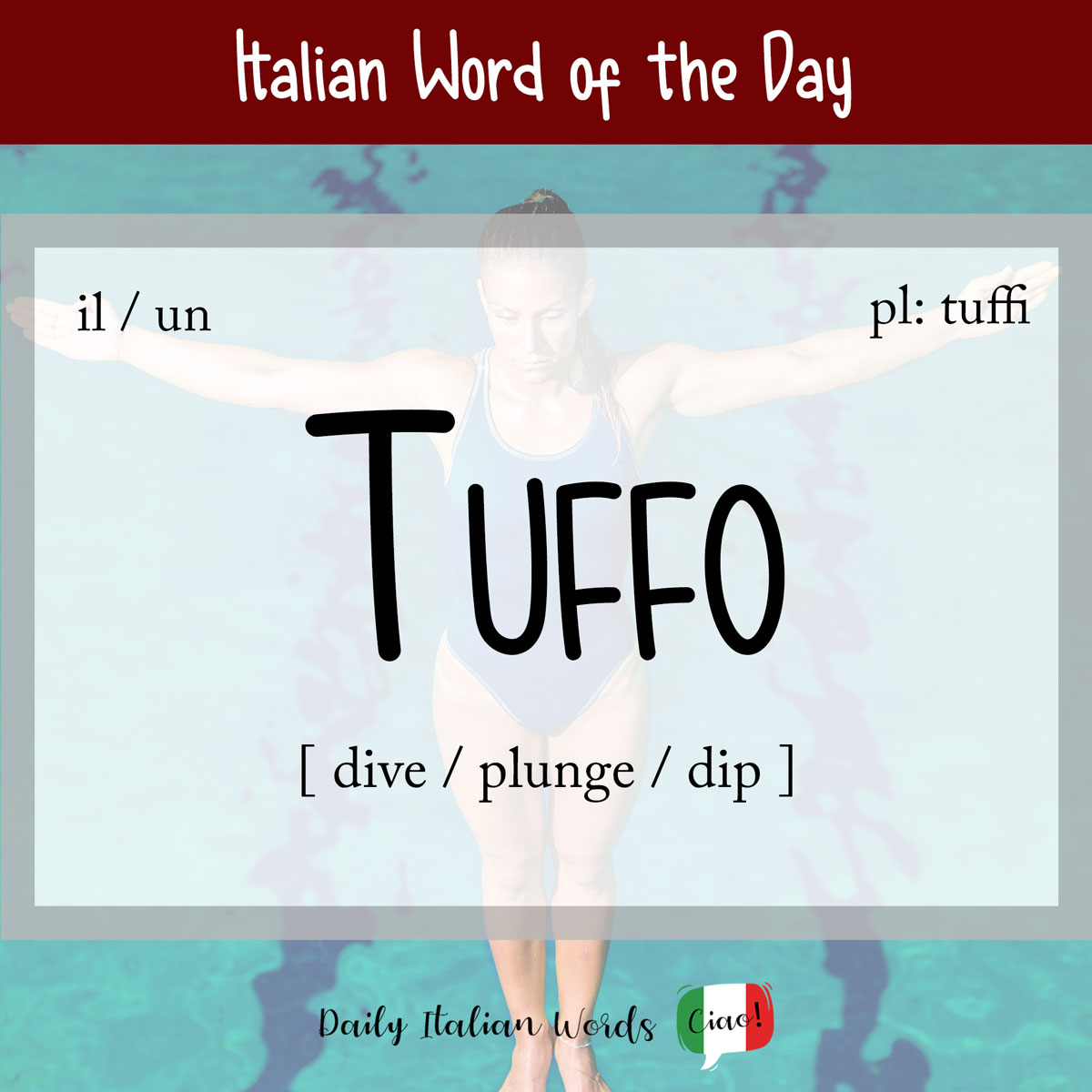
Italian Word of the Day: Tuffo (dive / plunge / dip)

My son, during his swimming lessons, is happy to do anything the teacher tells him to do except dive into the water. The word for a dive or plunge is tuffo in Italian. tuffo dive / plunge / dip Tuffo is derived from the verb tuffare (to plunge / immerse), which interestingly enough, comes not …

Read more

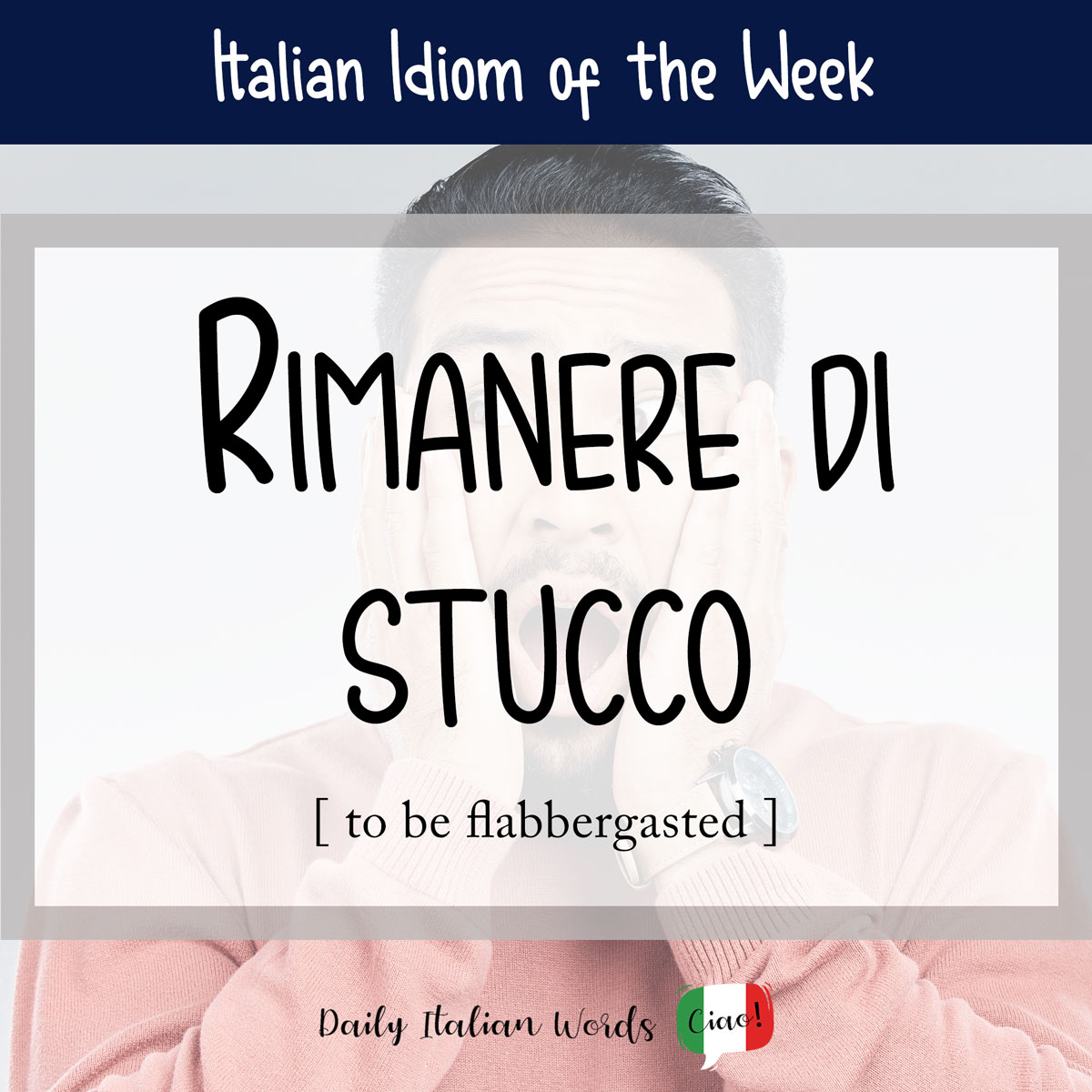
Italian Idiom: Rimanere di stucco (to be flabbergasted)

Italian idiom "Rimanere di stucco"

I’m sure we’ve all encountered gossip or news at some point in our lives that has left us gaping in disbelief. In Italian, there’s a fantastic idiom you can employ to capture that feeling—rimanere di stucco—which essentially means being flabbergasted / dumbfounded. rimanere di stucco to be flabbergasted / dumbfounded Stucco is the Italian word …

Read more