Italian Word of the Day: Schietto (pure / frank / genuine)
Today we’ll be taking a look at the adjective schietto, which comes from the Gothic slaihts via the Tuscan stietto. Because schietto is an adjective, the ending changes in accordance with the gender and number. schiettomasculine, singular schiettafeminine, singular schiettimasculine, plural schiettefeminine, plural Schietto, in the most literal sense of the word, refers to something …
Read more

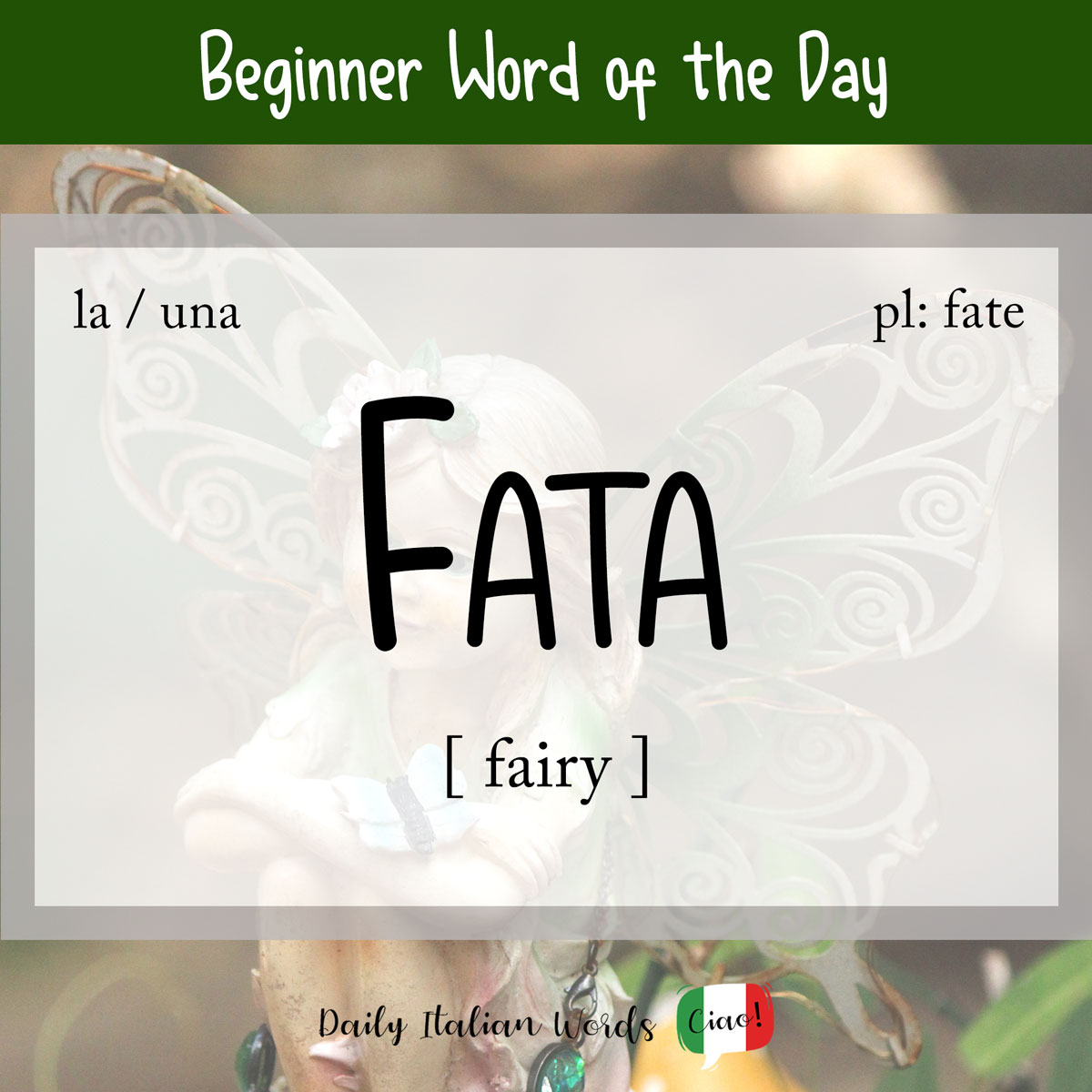
Italian Word of the Day: Fata (fairy)

The word for a fairy in Italian is fata. It comes from the Vulgar Latin fata, the neuter plural of fatum (destiny) that was later mistaken for the feminine singular form with the meaning “the deity of destiny” or “goddess of fate”. Only later did it assume the modern meaning of a mythical creature with …

Read more

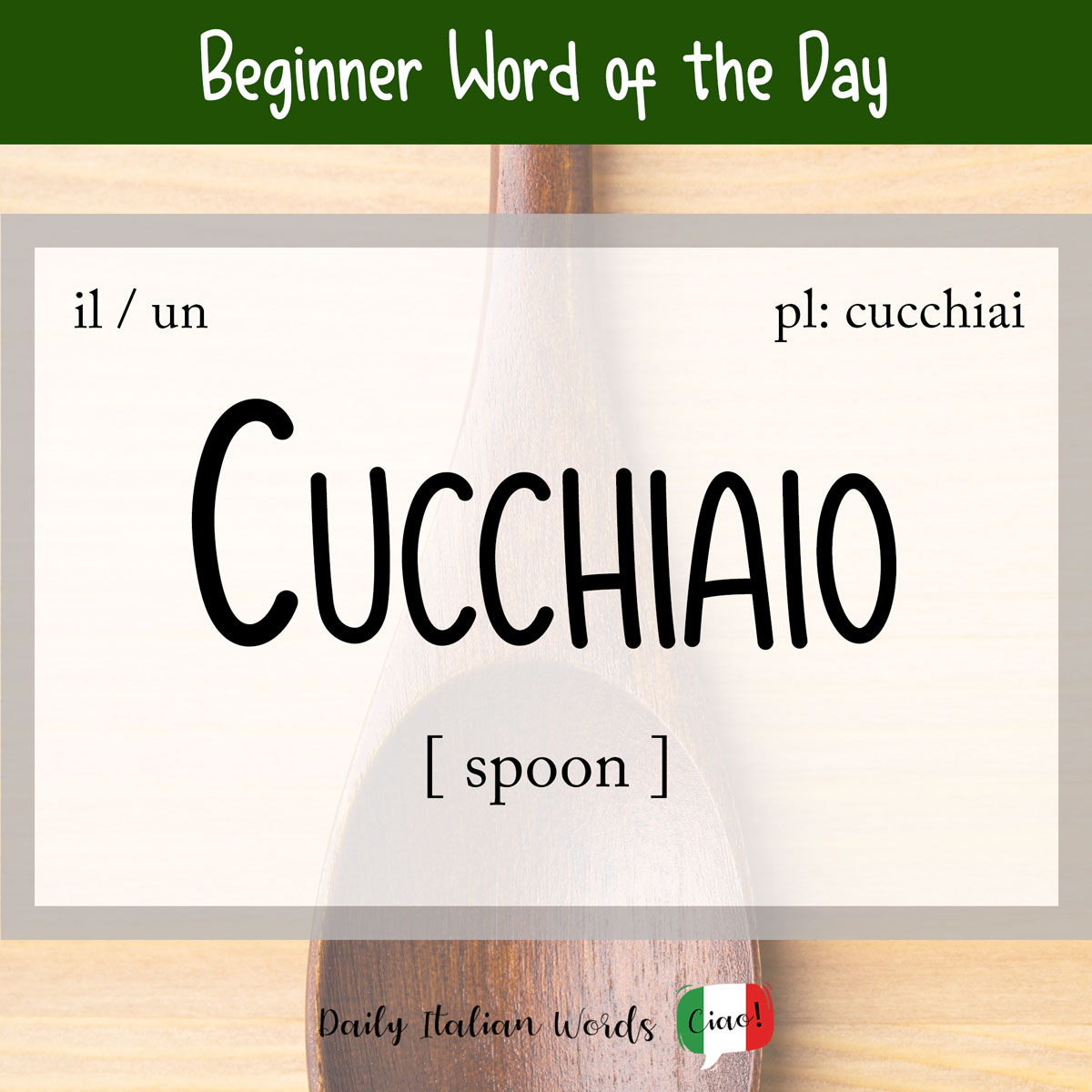
Italian Word of the Day: Cucchiaio (spoon)

The word for spoon in Italian is cucchiaio. Its origin can be traced back to the Latin cochlearium, a derivative of cochlea, which was the tool originally used to eat snails! Here are the definite and indefinite articles that accompany this masculine noun: il cucchiaiothe spoon un cucchiaioa spoon i cucchiaithe spoons dei cucchiai(some) spoons …

Read more

Italian Word of the Day: Magone (the blues / down in the dumps)

If you are feeling depressed, upset or anxious about something, so much so that it causes a feeling of tightness in the stomach, a great word you can use to describe the feeling in Italian is magone. Magone is a masculine noun that derives from the Lombardic mago, which in turn comes from the Proto-Germanic …

Read more

Gloria – Umberto Tozzi – Lyrics & English Translation

Gloria is a love song written and composed in 1979 by Umberto Tozzi and Giancarlo Bigazzi. It was later translated into English and performed by Jonathan King. From 1979 to 1984, it sold 29 million copies all over the world and occupied the top spot on the European charts. Below you can watch the song …

Read more