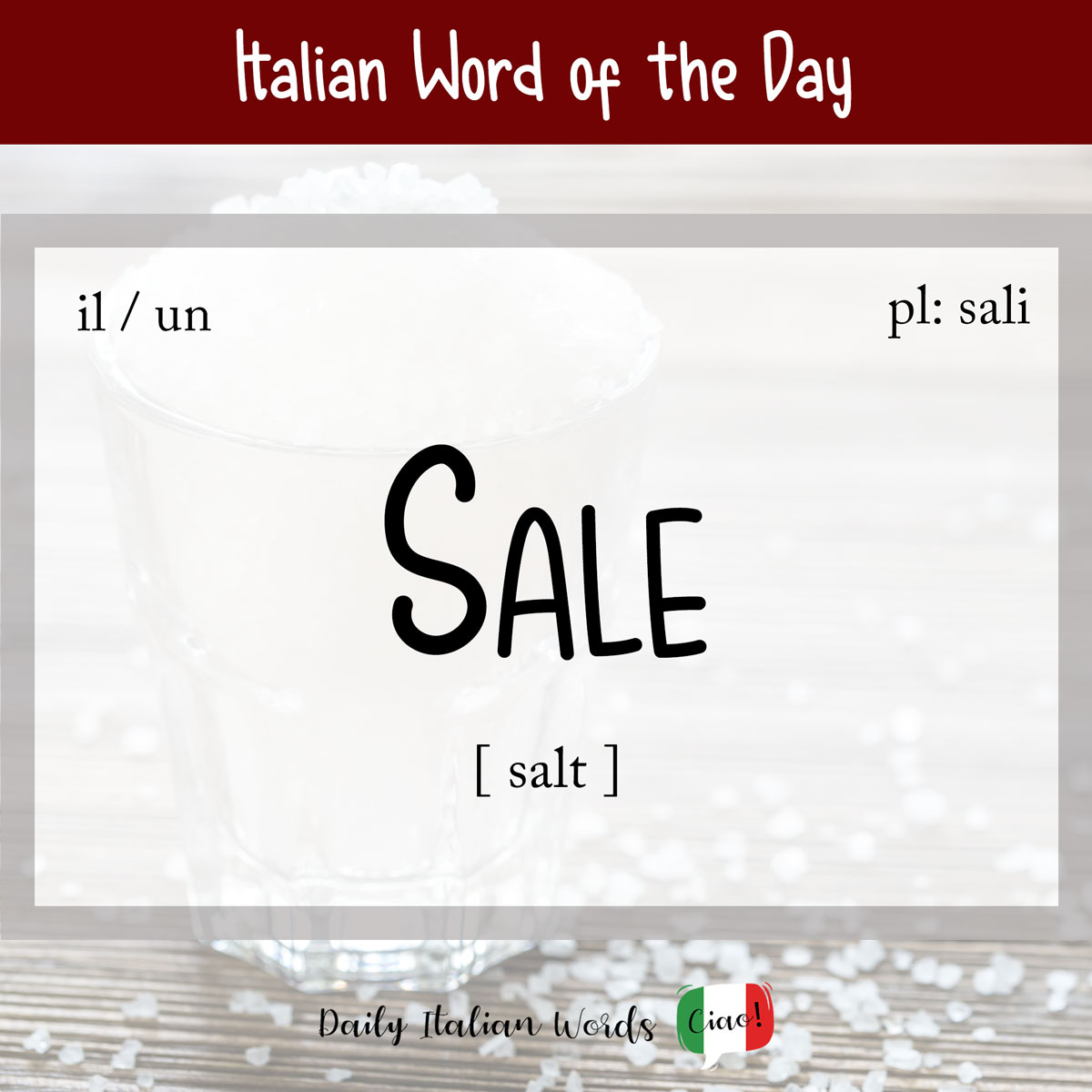
Italian Word of the Day: Sale (salt)

Sale looks identical in Italian and English, so it’s easy to assume it means the same thing in both language. But actually, its meanings couldn’t be more different! sale First of all, the grammar: sale is a masculine noun, and its plural form is sali (but we generally use it only in certain contexts, and …
Read more

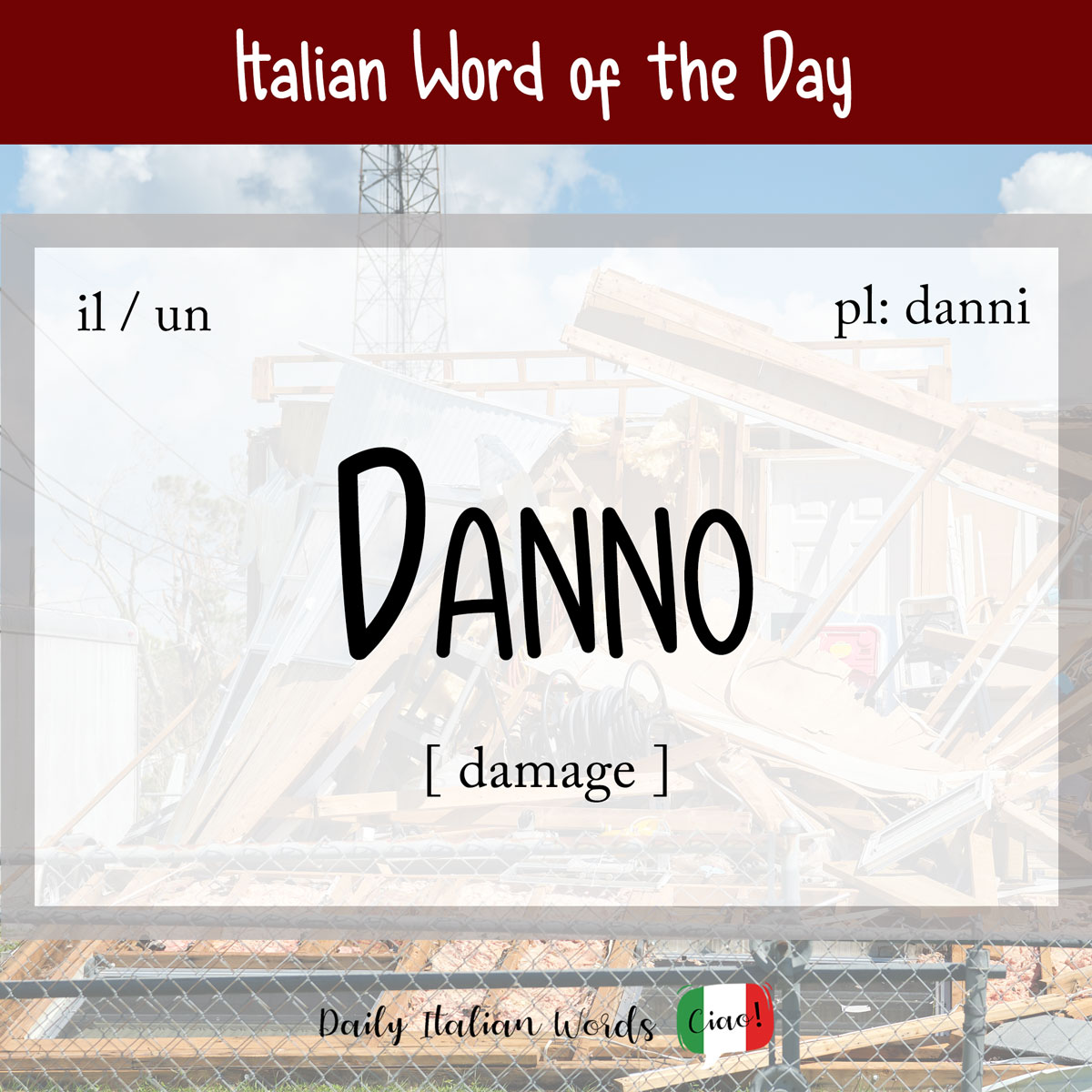
Italian Word of the Day: Danno (damage)

In Italian, danno can be a masculine noun (il danno in the singular form, i danni in the plural) or a verb. The trick to figuring out which one you’re dealing with is context, and especially the article: if you see il or un danno, you’re looking at a noun. No article, then it’s a …

Read more

Italian Word of the Day: Notizia (news)

The word notizia in Italian is all about knowing things, being informed, in the loop, or, as we say in Italy, sul pezzo (on top of things). notizia It’s a feminine noun (plural: notizie), and it comes from the Latin notus, meaning “known.” Here are its definite and indefinite articles: Here are the three main …

Read more

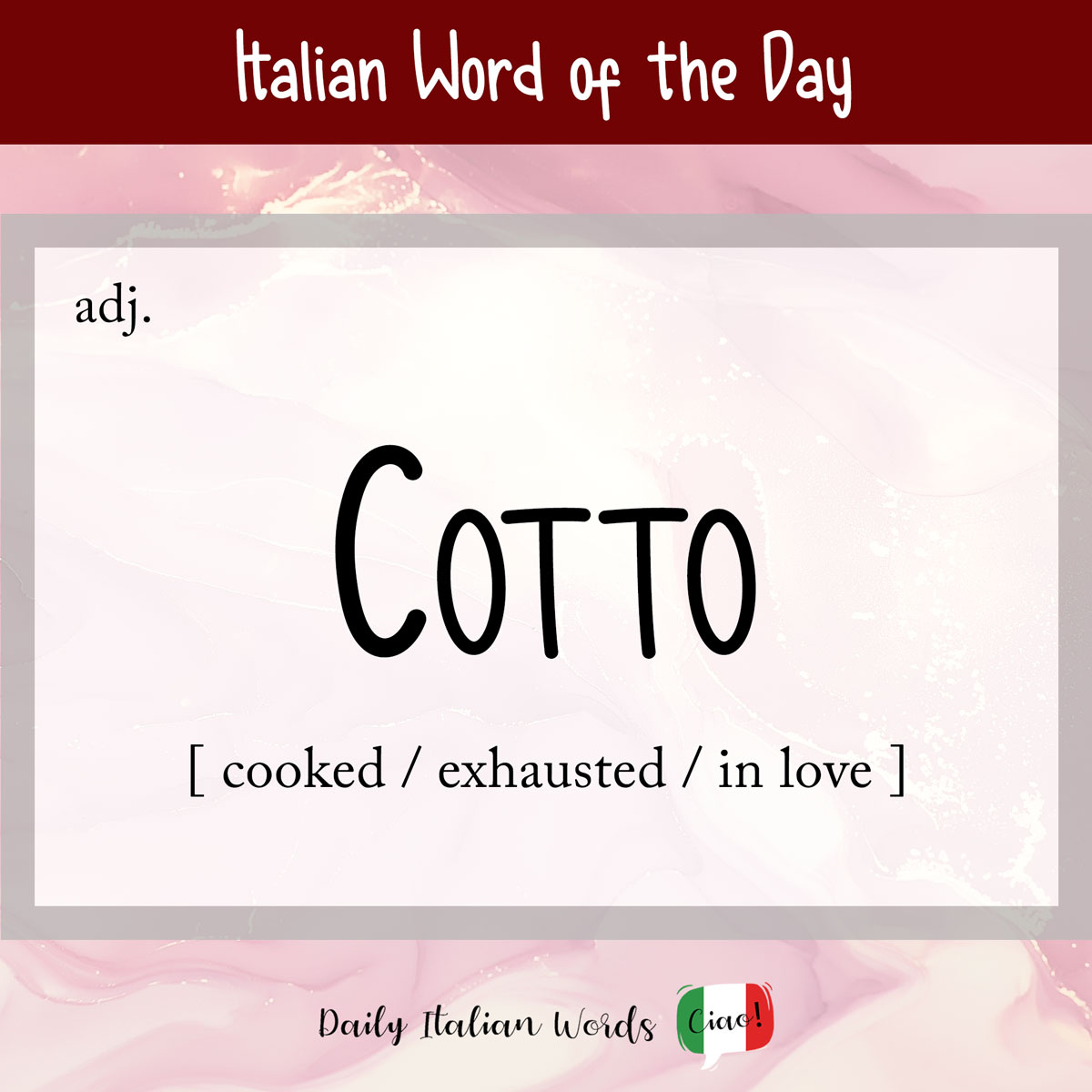
Italian Word of the Day: Cotto (cooked / exhausted / in love)

Depending on the context, cotto in Italian can refer to the food in your plate, your energy level, your crush or even your tiles at home. Pretty versatile, right? cotto cooked / exhausted / in love Let’s explore the main meanings of this adjective and how it’s used: 1. COTTO = Cooked / baked First, …

Read more

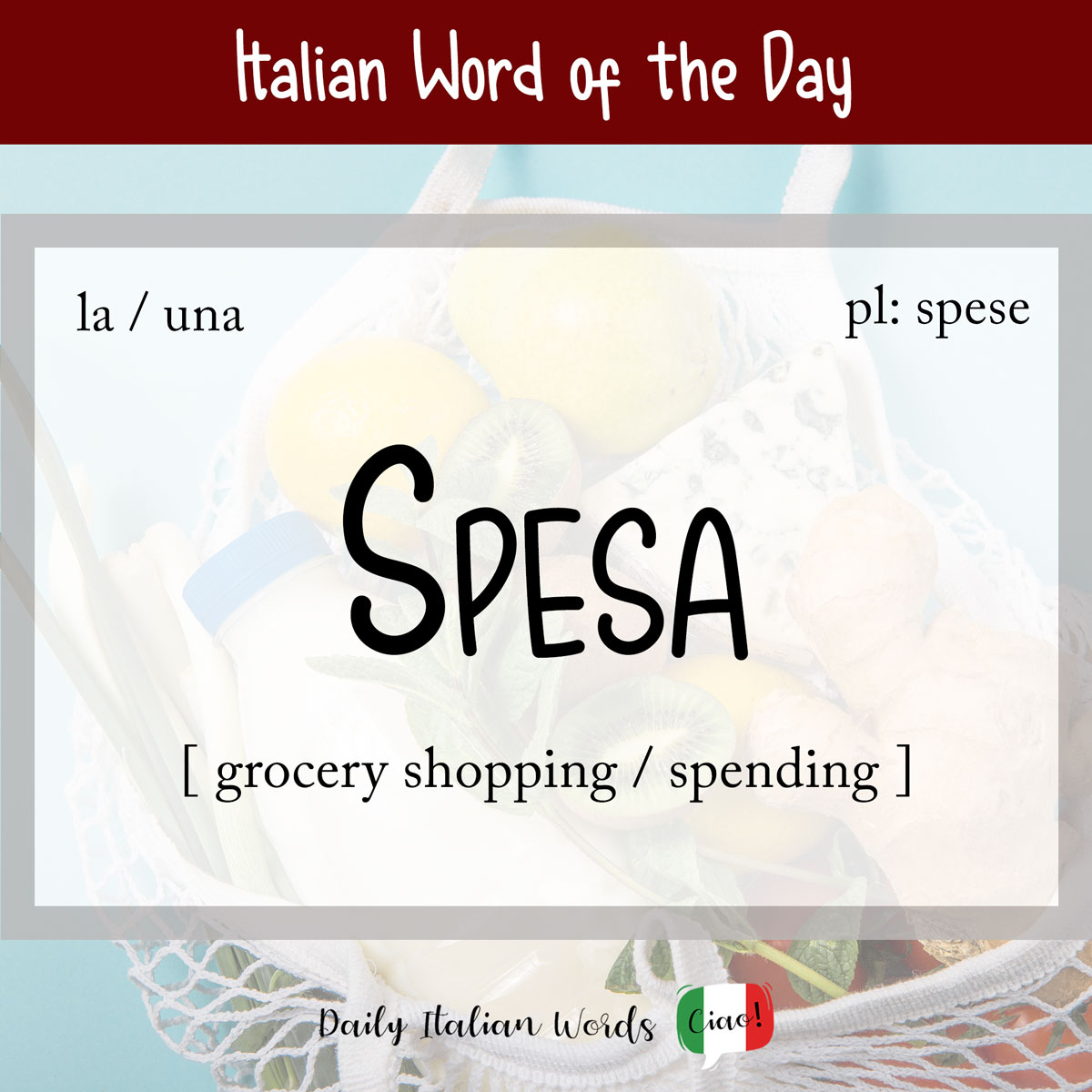
Italian Word of the Day: Spesa (grocery shopping / spending / expense)

If you’ve ever visited a supermarket in Italy or casually chatted with locals about the cost of living, you’ve probably come across the word spesa. It’s a useful one to master because we use it a variety of everyday situations, from running grocery errands to talking about general expenses, and even in figurative ways. spesa …

Read more

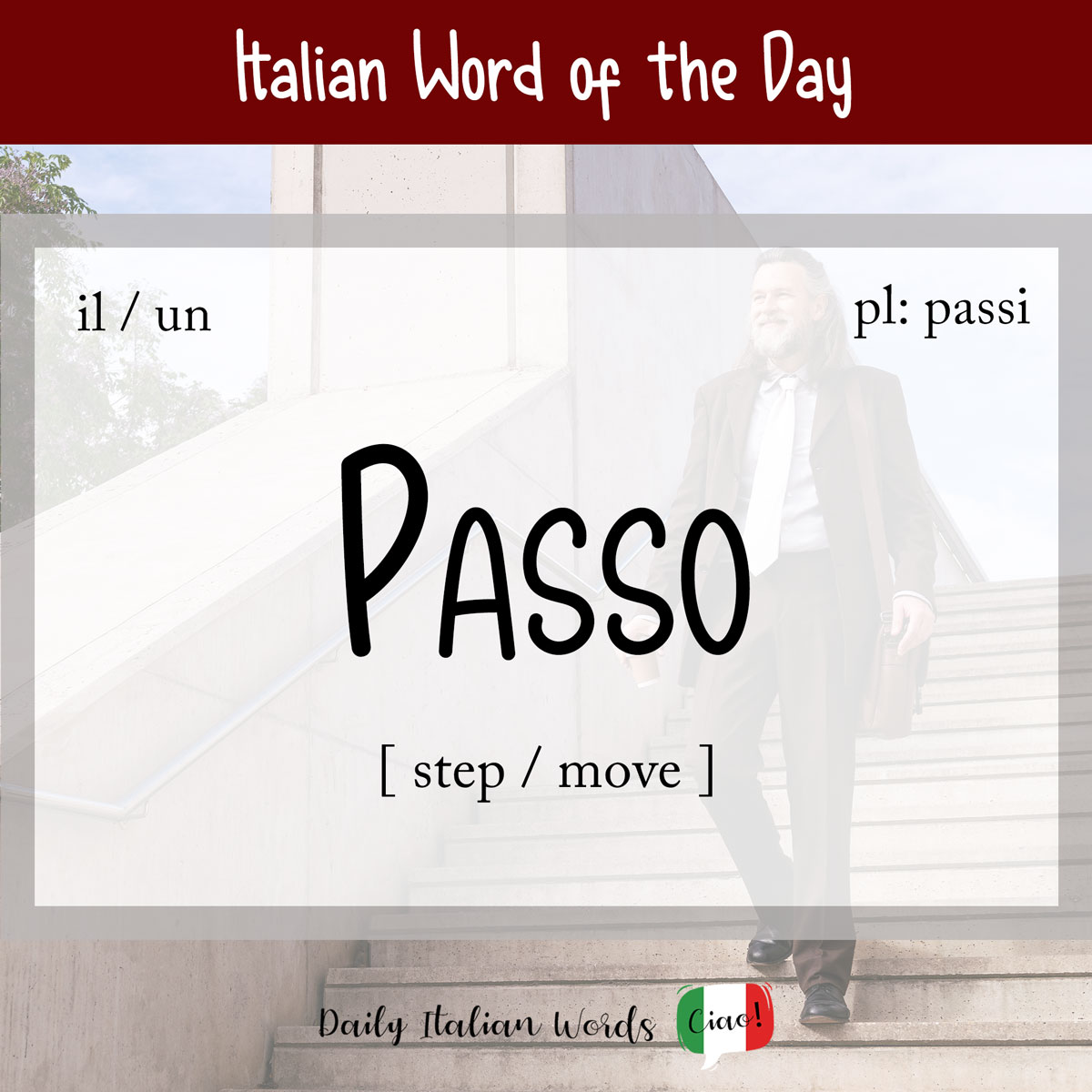
Italian Word of the Day: Passo (step / move)

Passo is a masculine noun that refers to steps, rhythm, and movement – both in literal walking and in a wider, figurative sense. passo step / move It is a masculine noun whose plural form is passi. It takes the following definite and indefinite articles: Here are its main meanings in Italian: 1. PASSO = …

Read more