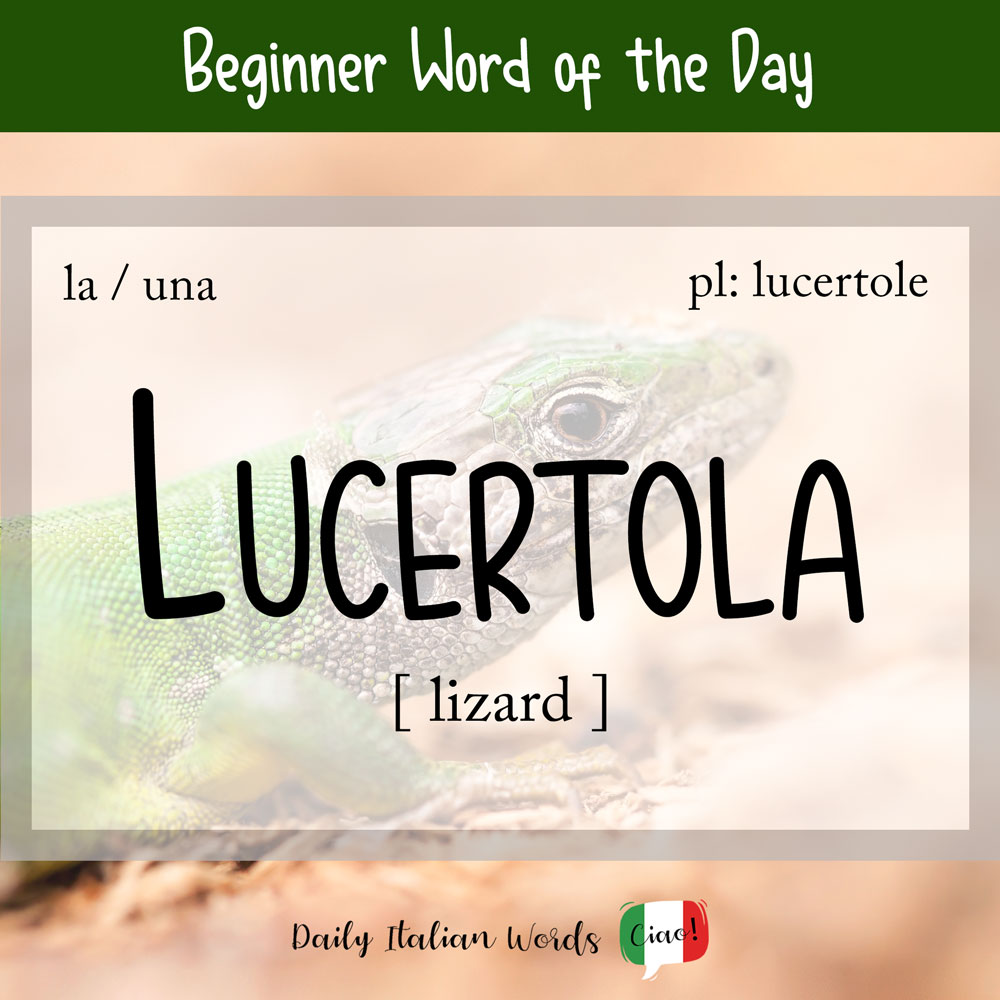
Italian Word of the Day: Lucertola (lizard)

Although the words lizard and lucertola share the same Latin origin – the word lacertus which meant lizard, sea fish or muscle – I think many of you would agree that the Italian has a much prettier ring to it! Lucertola is a feminine singular noun that becomes lucertole in its plural form. la lucertolauna …

Read more

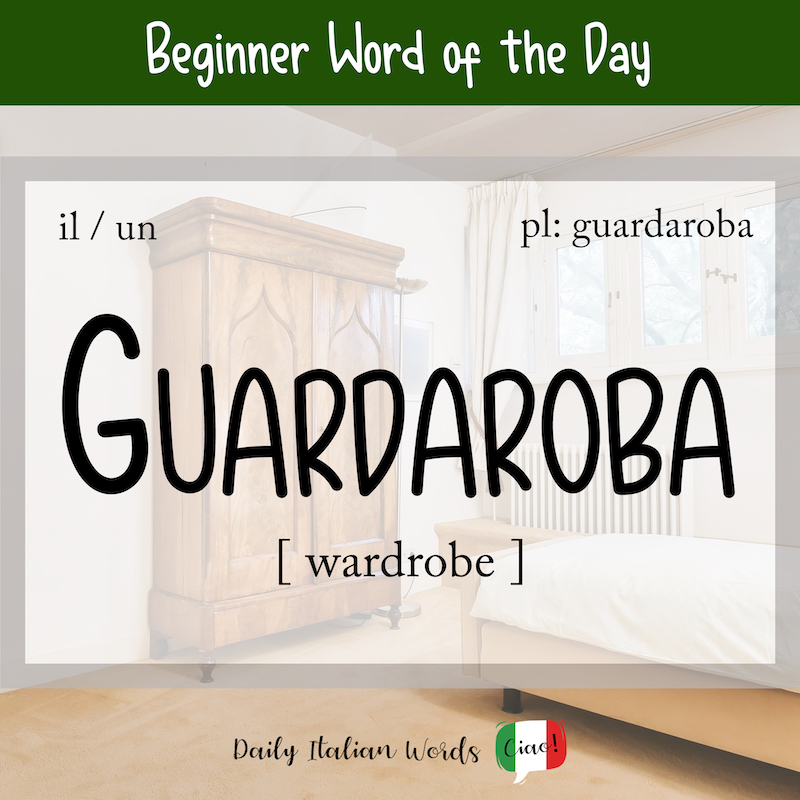
Italian Word of the Day: Guardaroba (wardrobe)

A key piece of furniture that occupies the corner of most bedrooms is the guardaroba, the word for a wardrobe in Italian. Derived from the French noun garde-robe, it is the combination of the verb garder (meaning ‘to guard’ or ‘to look after’) and robe (meaning ‘gown’ or ‘suit’). The word final -a might lead …

Read more

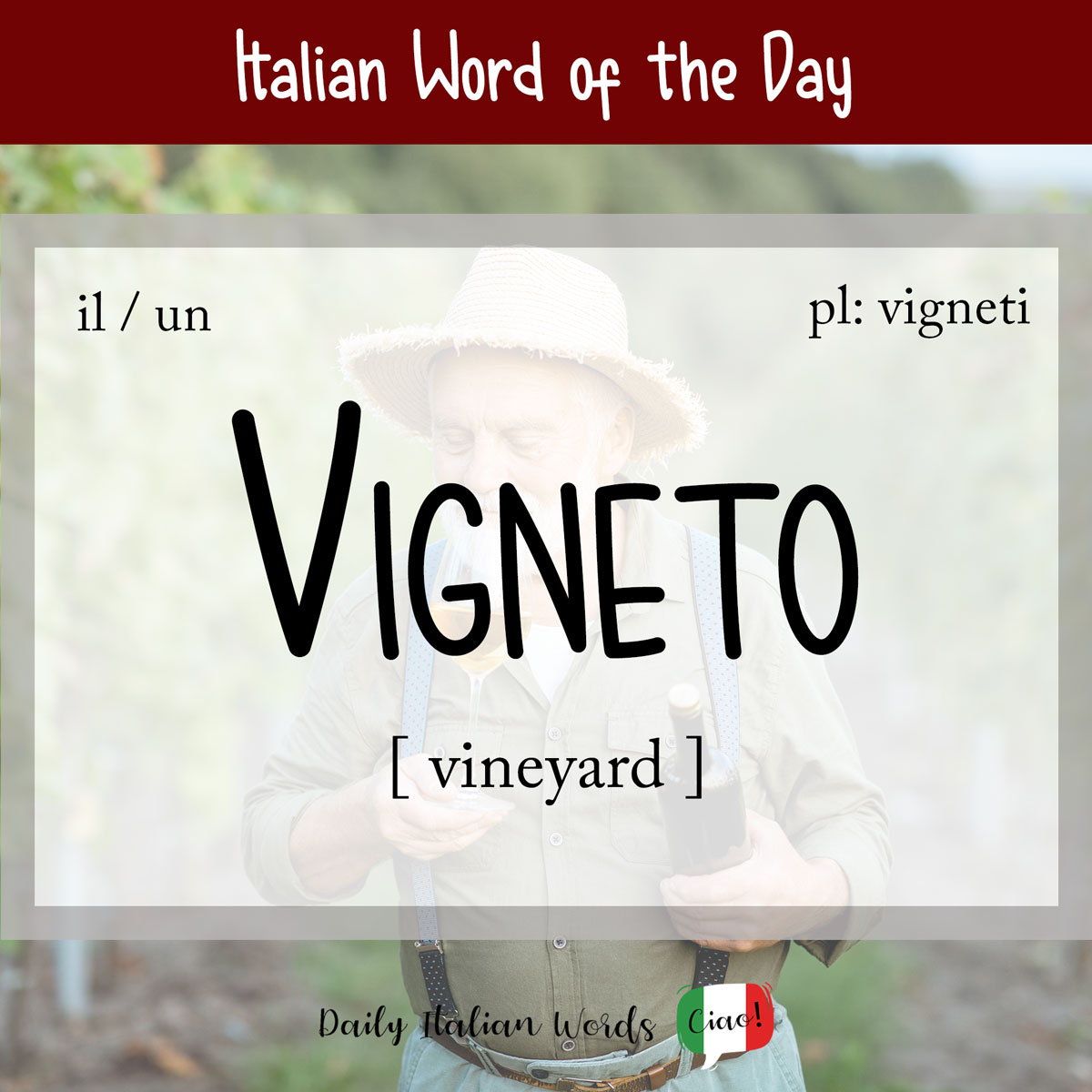
Italian Word of the Day: Vigneto (vineyard)

The Italian word for a vineyard is vigneto. It derives from the Latin vinetum, which in turn comes from vinum, the Latin word for wine. Note: Vigneto is easily confused with the similar-sounding term vignetta, which is the word for a cartoon or comic strip, so pay attention to the pronunciation! Vigneto is a masculine …

Read more

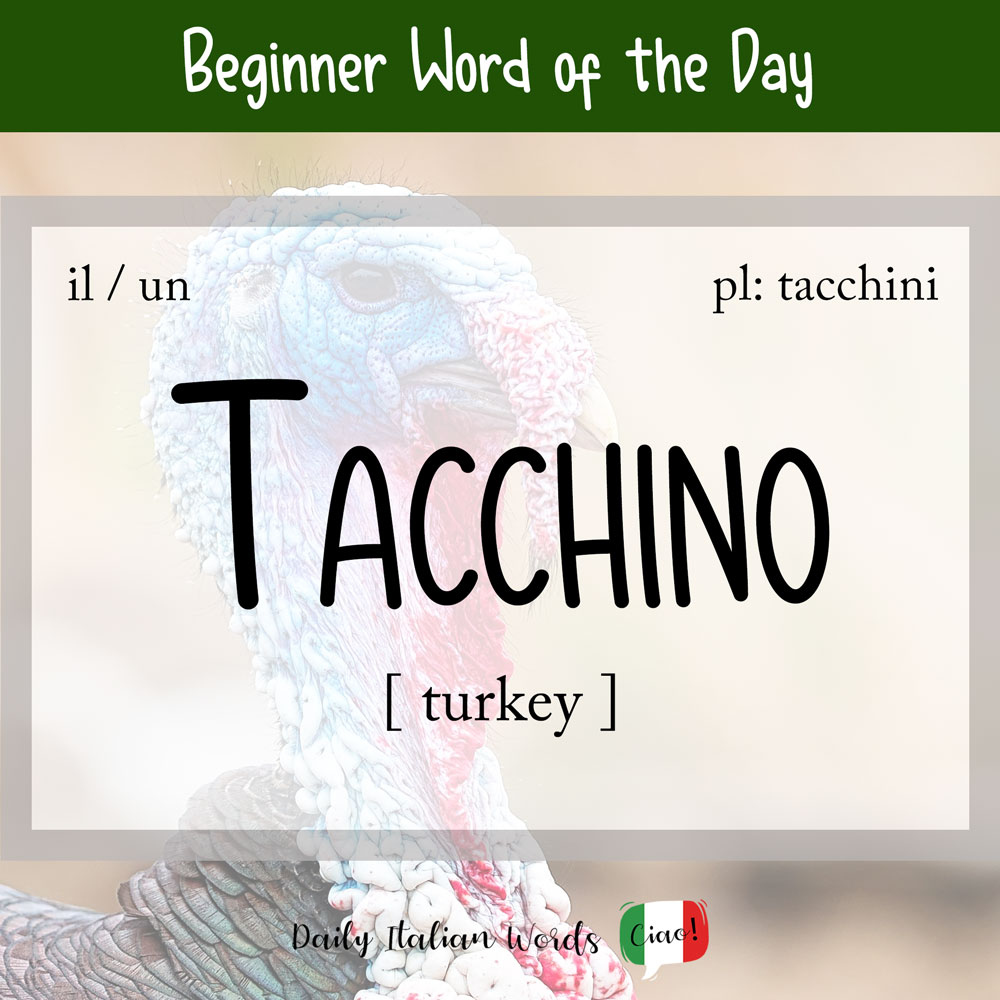
Italian Word of the Day: Tacchino (turkey)

The humble centrepiece of the Thanksgiving (Festa del Ringraziamento) dinner table: is the tacchino (turkey). Tacchino is a masculine noun ending in -o, making its plural form tacchini. Note that the feminine versions also exists for a female turkey: tacchina and tacchine. il tacchinoun tacchino la tacchinauna tacchina i tacchinidei tacchini le tacchinedelle tacchine The …

Read more

Italian Word of the Day: Torcicollo (crick in the neck)

In Italy, you’ll often hear people use the single word torcicollo to describe a crick in one’s neck or a stiff neck caused by an injury. It is made up of two words: the verb torcere meaning to twist or to contort, and collo meaning neck. Torcicollo is a masculine noun. The plural is torcicolli. …

Read more

Italian Word of the Day: Cintura (belt)

The word for belt, or any kind of material typically worn around the waist, is cintura in Italian. It comes from the Latin cinctura, which in turn is a derivative of the verb cingere (to wrap, tie, enclose). Cintura is a feminine noun, and its plural is cinture. la cinturauna cintura le cinturedelle cinture Six …

Read more