Italian Word of the Day: Fattoria (farm)
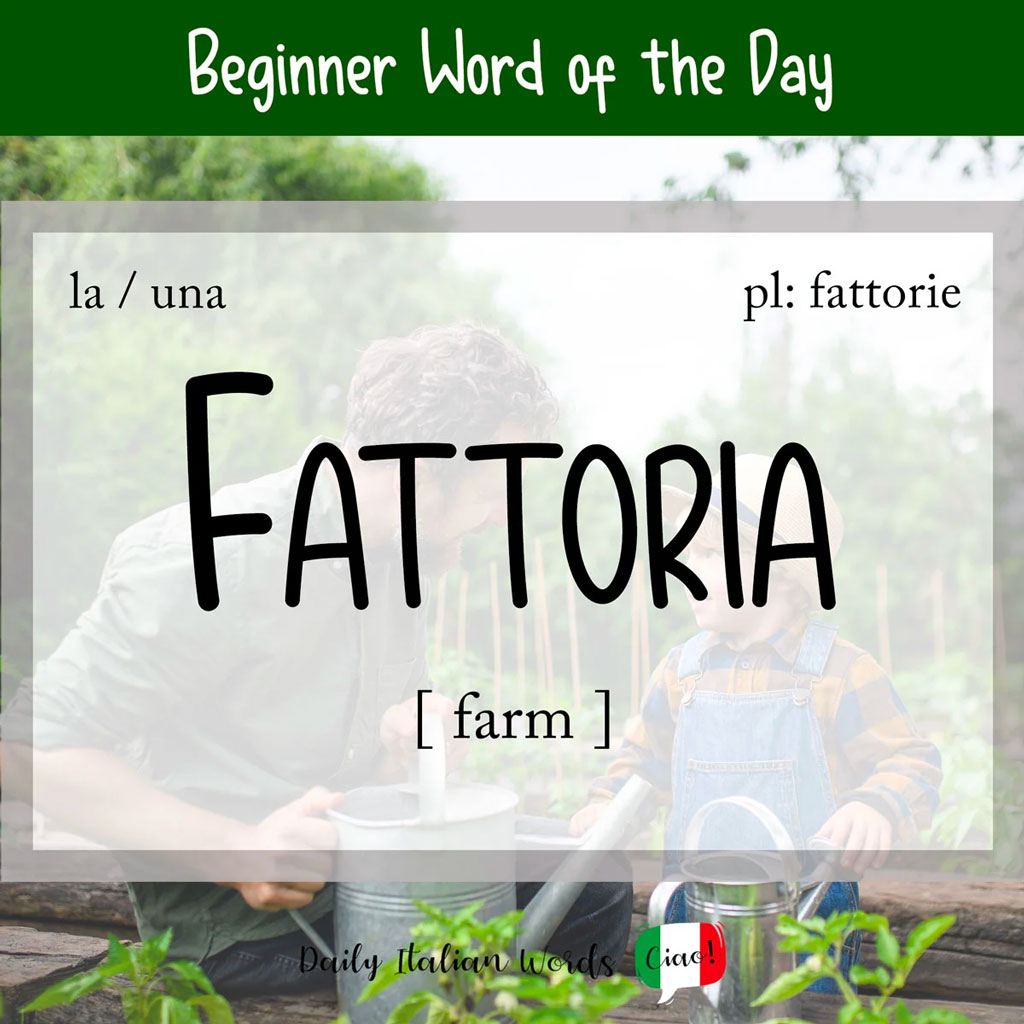
Italian word for farm fattoria

Don’t let the appearance of today’s word fool you: fattoria (feminine, plural: fattorie) is the word for farm in Italian, not factory! (If you’re interested in learning about even more “false friends” in Italian and English, check out our dedicated article!) It derives from the word fattore, the name for a person who manages a …
Read more

Pronunciation Guide: How to pronounce “Gnocchi” in Italian

Gnocchi is the plural of gnocco, an Italian variety of dumpling that has been around since Roman times. Although recipes vary from region to region, the three most basic ingredients are cooked mashed potato, flour (farina), and eggs (uova). Other common additions include semolina, cheese (formaggio), ricotta, spinach and polenta. Origin of the word: The …

Read more

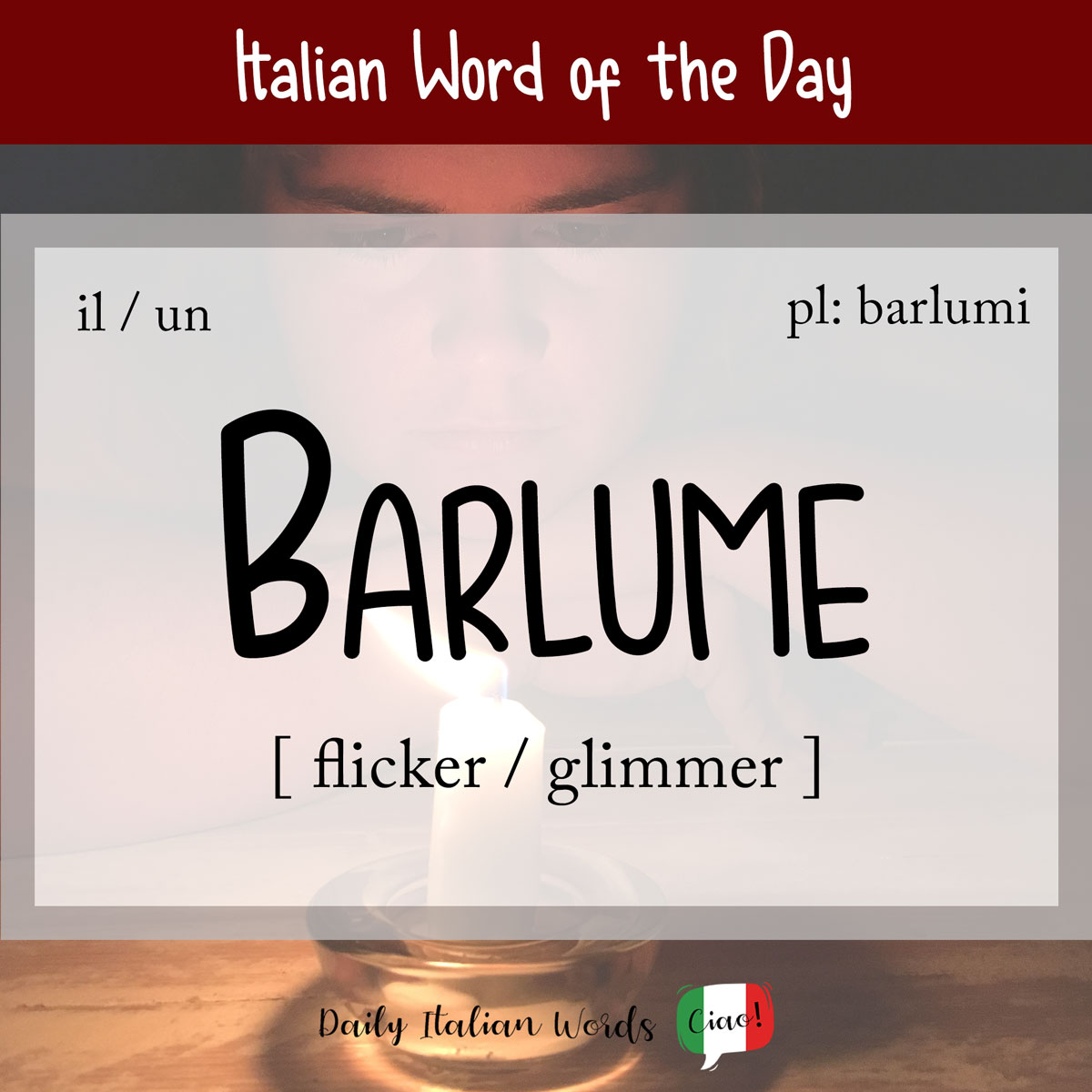
Italian Word of the Day: Barlume (flicker / glimmer)

What I consider a rather romantic-sounding term in Italian is barlume (masculine, plural: barlumi) which is the word for any kind of dim light, such as a glimmer, flicker or gleam. It derives from the word lume (one possible translation for light in Italian) and the prefix bar- which is akin to the pejorative prefix …

Read more

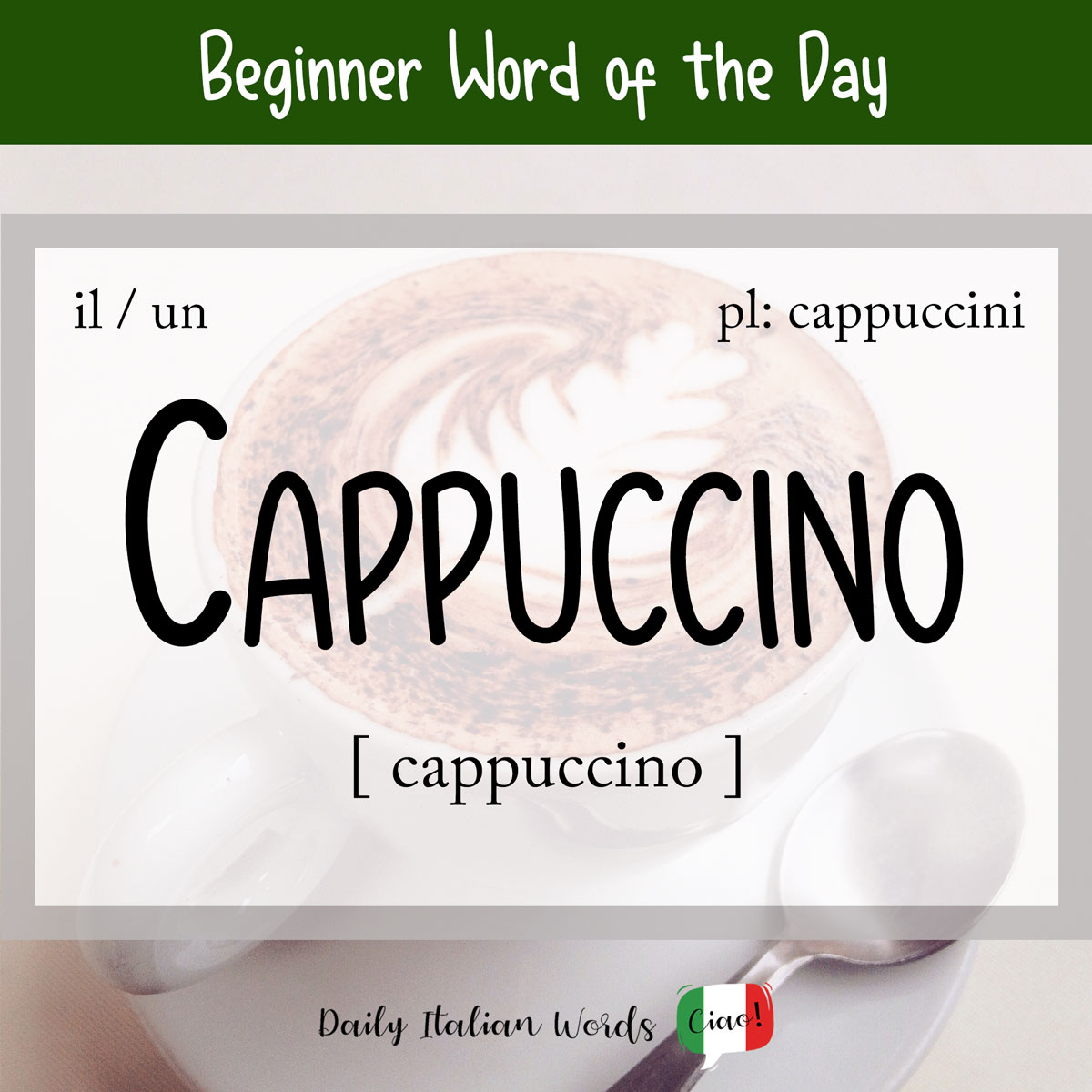
How to Pronounce “Cappuccino” in Italian – Pronunciation Guide

The cappuccino is a hot drink of Italian origin consisting of coffee and milk that has been frothed up with pressurised steam. It is traditionally consumed with sugar at or following breakfast, accompanied by a cornetto (croissant) or other baked goods. A cardinal rule of Italian coffee drinking is to never order a cappuccino or …

Read more

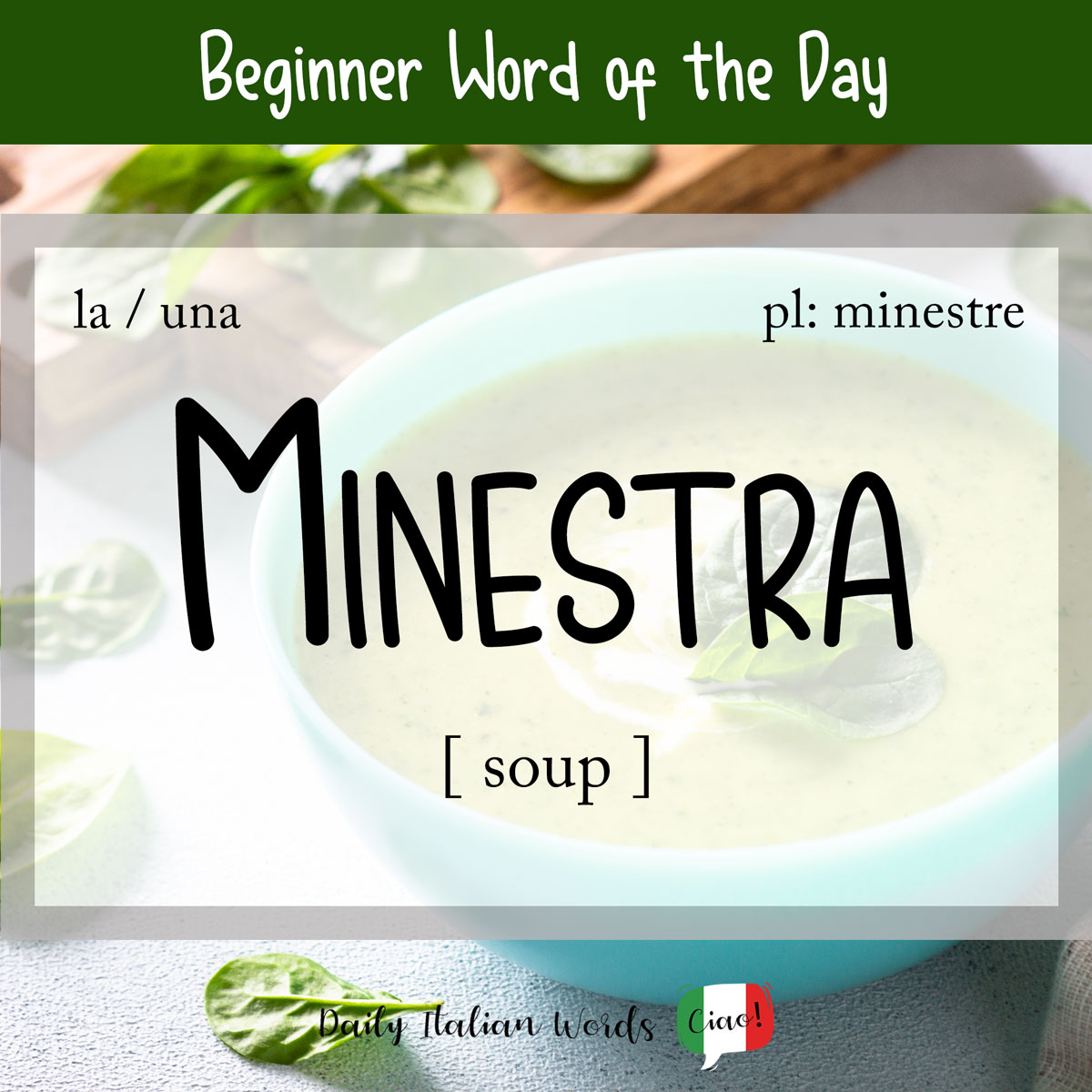
Italian Word of the Day: Minestra (soup)

On a cold wintery day, few things are more comforting than curling up with a bowl of hot minestra (feminine, plural: minestre). Minestra is just one way of saying soup in Italian, and it has a fascinating history as we’ll discover in this article! Learn with our video Although minestra is now a generic term …

Read more

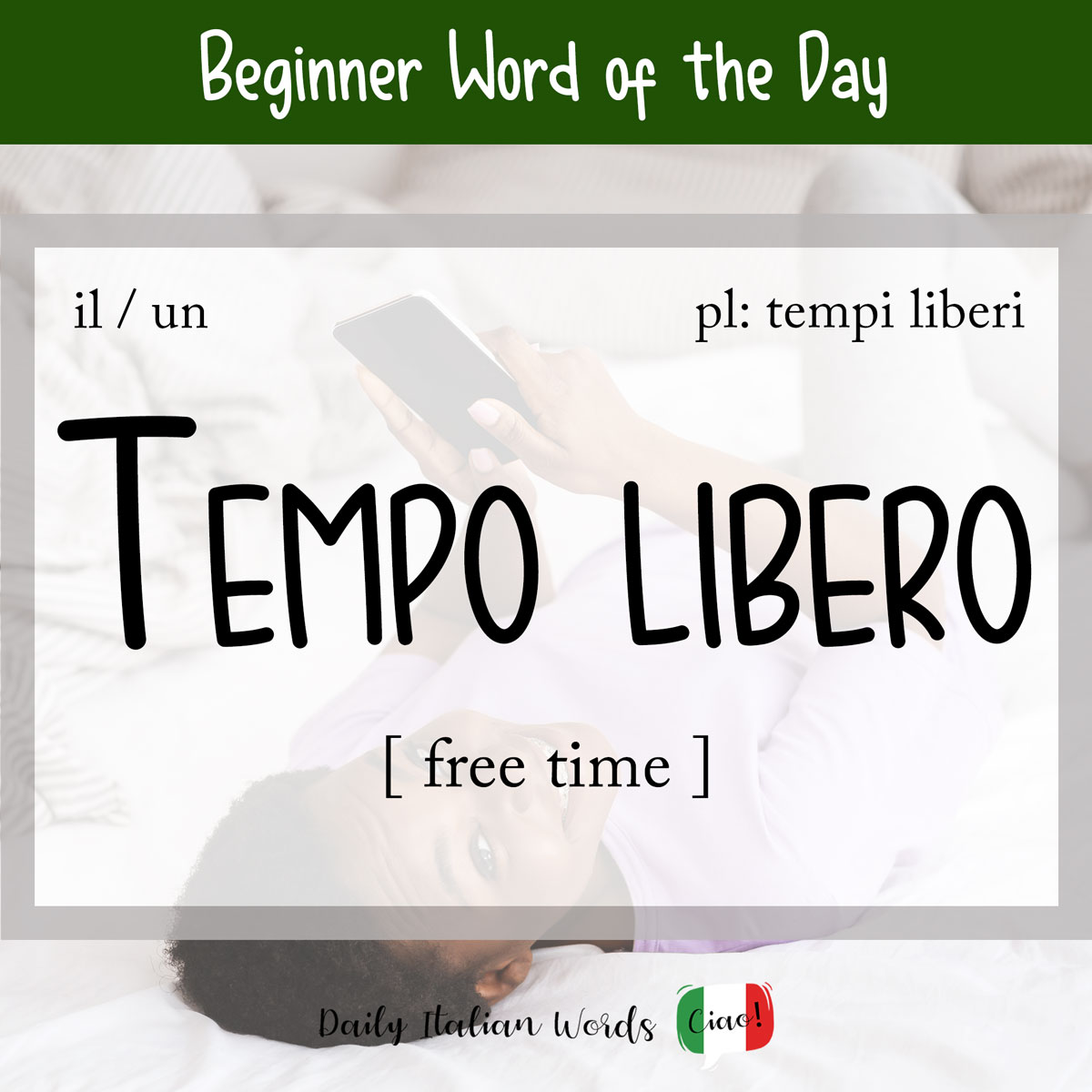
Italian Word of the Day: Tempo libero (free time)

The opposite of work is free time, which translates quite literally as tempo libero in Italian. Tempo means time and libero means free. The adjective libero ends with an “o” because tempo is a masculine noun. Some examples of hobbies people enjoy in their tempo libero include: Passo il tempo libero a suonare il pianoforte. …

Read more