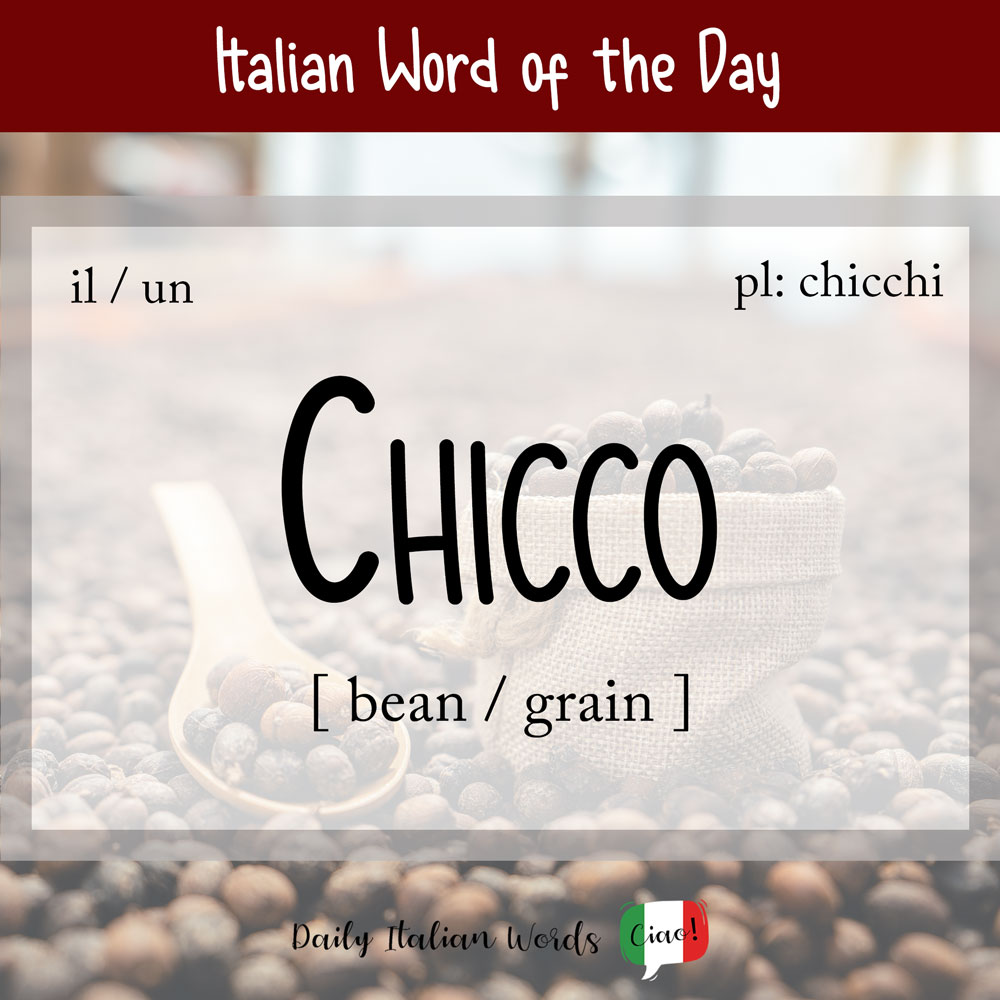
Italian Word of the Day: Chicco (grain / bean)

The word chicco (masculine, plural: chicchi) in Italian primarily describes the grain from certain cereals. Some examples of chicchi include: Il mugnaio produce la farina macinando i chicchi di grano. The miller makes flour by grinding wheat grains. However it may also be used to talk about seeds from other plants including the coffee bean …

Read more

Italian Word of the Day: Alba (dawn / sunrise)

Although the word alba (feminine, plural: albe) in Italian can translate as either dawn or sunrise in English, it is technically closer in meaning to the former because it denotes the first appearance of light in the sky as night transitions to day. It comes from the Latin alba, which in turn derives from the …

Read more

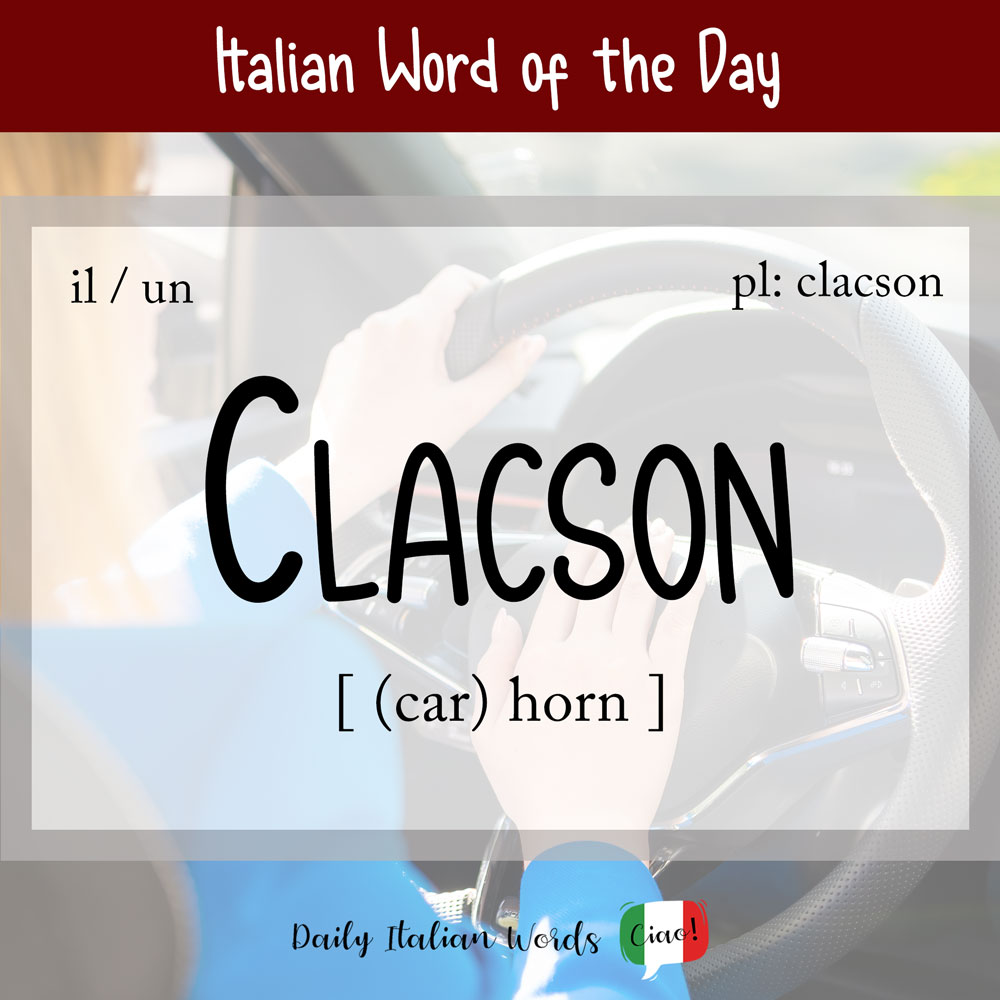
Italian Word of the Day: Clacson (car horn)

Today’s word of the day is clacson, which is the word for horn, or more specifically, car horn in Italian. Now, you may be thinking to yourself that clacson doesn’t look very Italian, and you’d be right. This is because it comes from the English word klaxon, a type of electromechanical horn or alerting device …

Read more

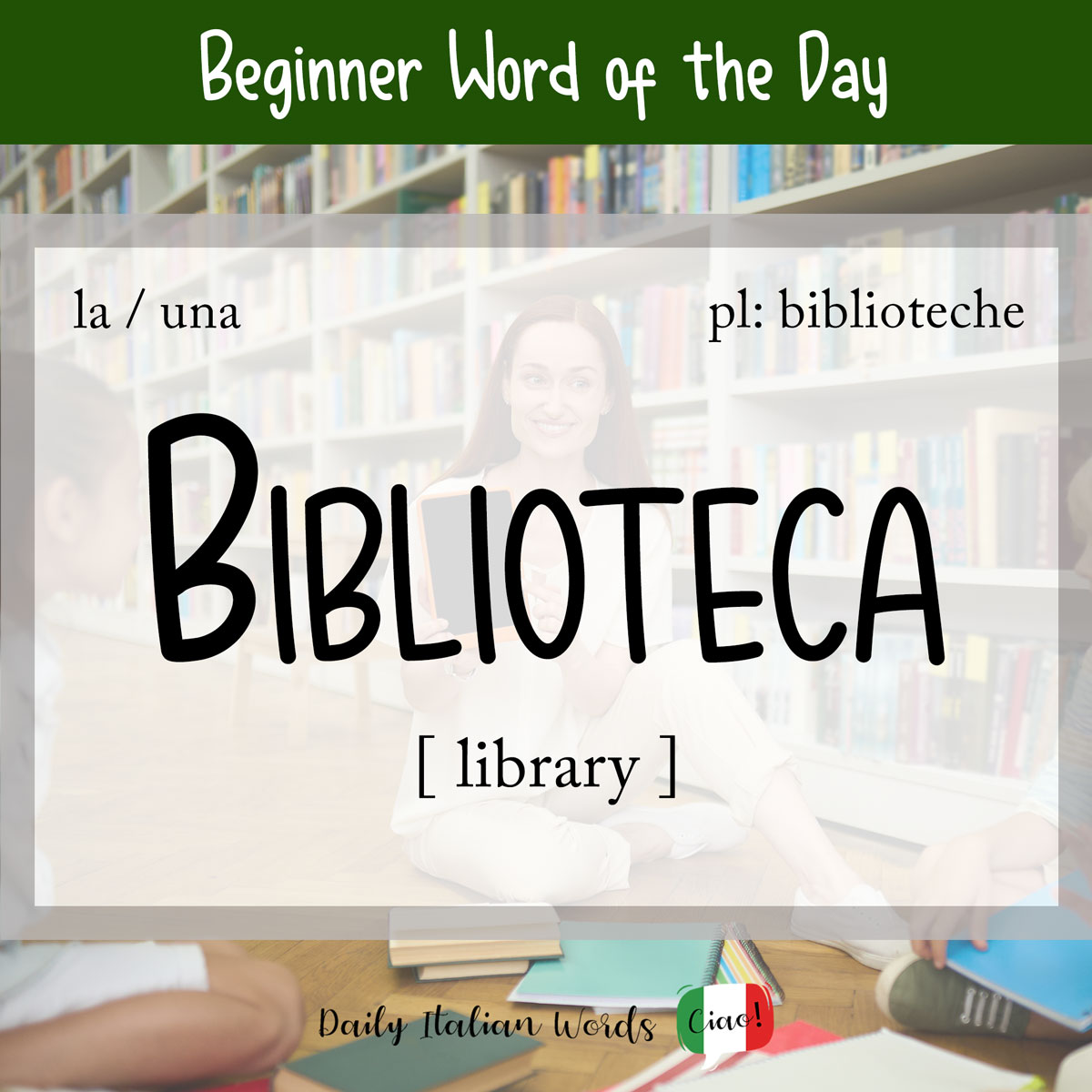
Italian Word of the Day: Biblioteca (library)

The word for library in Italian is biblioteca (feminine, plural: biblioteche). Its origin can be traced back to the ancient Greek word βιβλιοθήκη which is a combination of βιβλίον (biblion meaning book) and -θήκη (-theke meaning box or chest). Some different kinds of biblioteche include: Mia cugina lavora in biblioteca da cinque anni. My cousin …

Read more

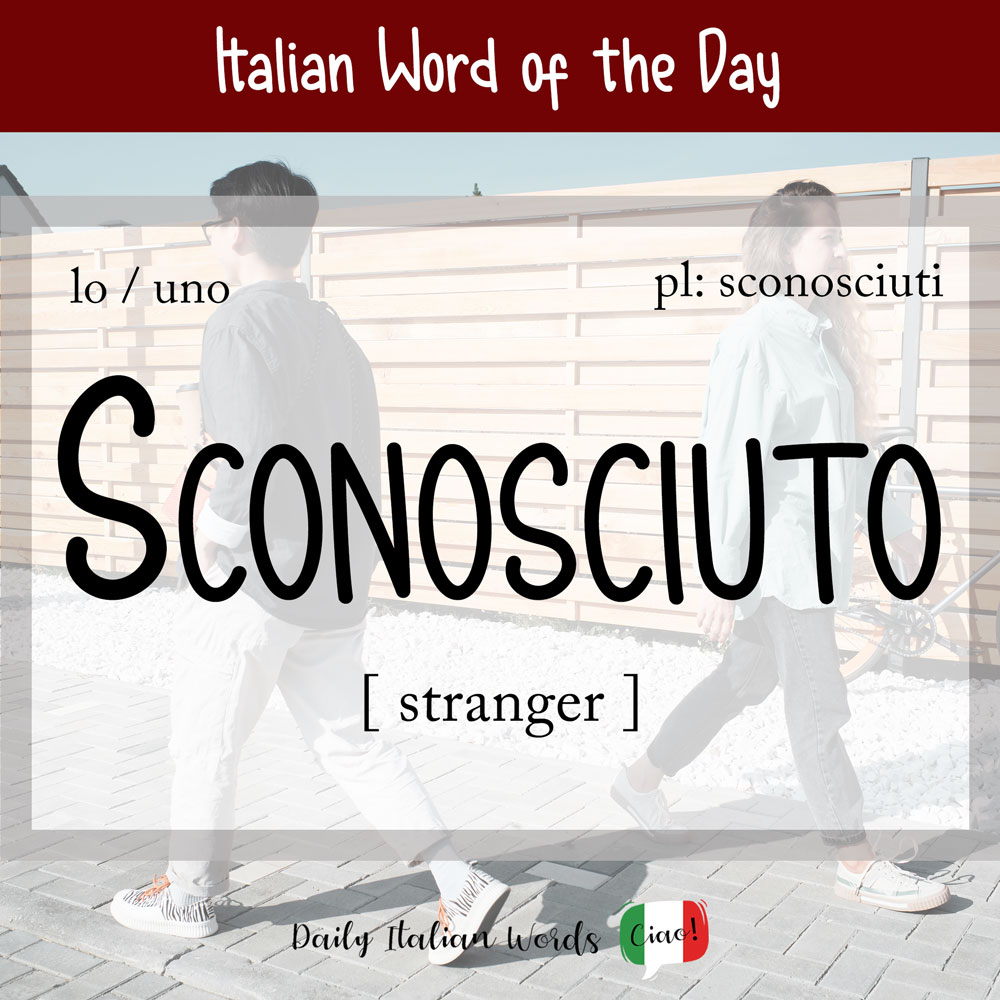
Italian Word of the Day: Sconosciuto (stranger)

The Italian word for a person one does not know or with whom one is not familiar is sconosciuto if you are talking about a man or sconosciuta for a woman. It is the past participle of sconoscere, a relatively uncommon verb meaning to disown or not want to recognise. The respective plurals are sconosciuti …

Read more

Italian Word of the Day: Cucciolo (puppy / baby animal)

The original meaning of the word cucciolo (plural: cuccioli) in Italian was puppy but it has since expanded to include any type of baby animal. If you want to specify which kind of baby animal you are talking about, simply add the preposition di (of) plus the name of the animal after cucciolo. For example: …

Read more