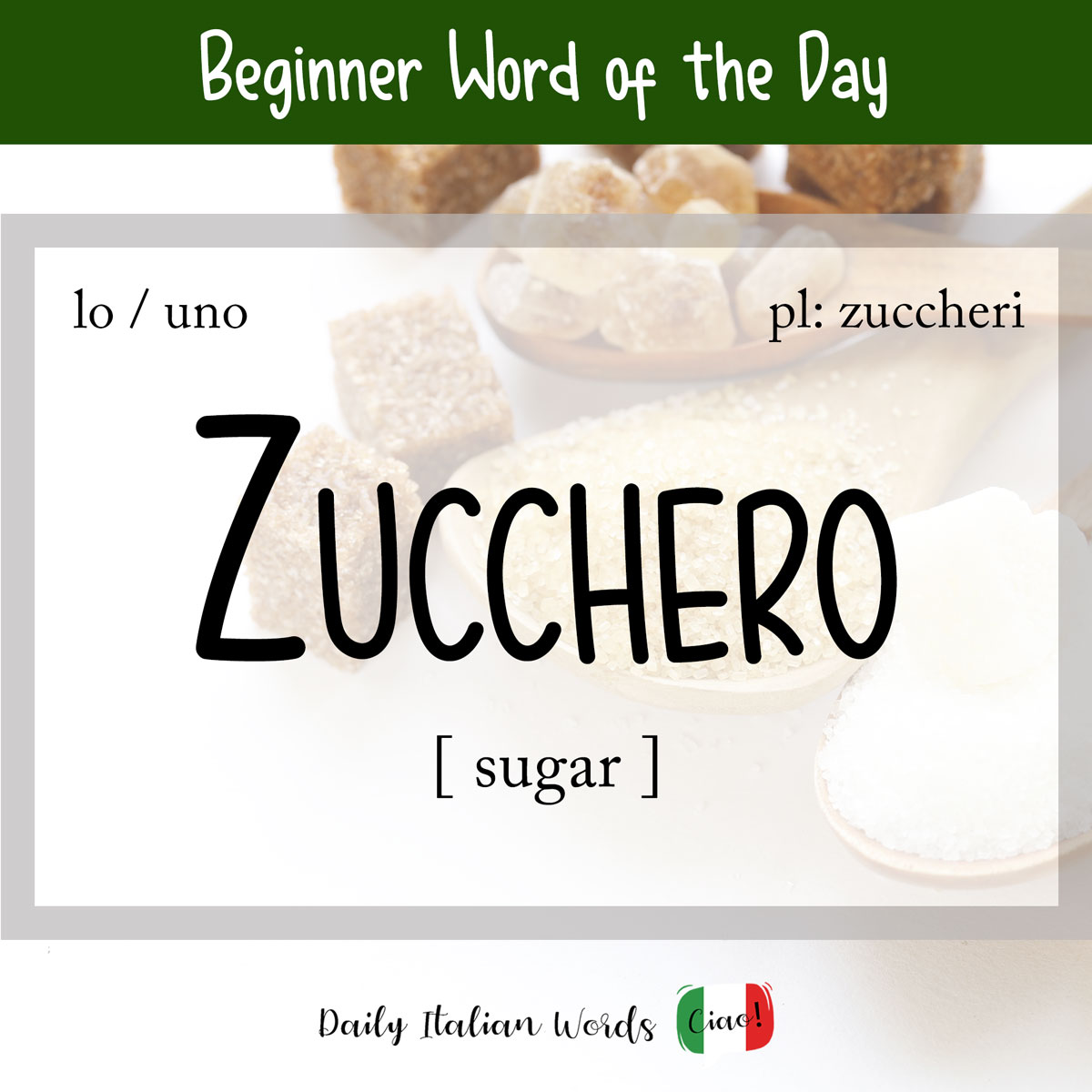
Italian Word of the Day: Zucchero (sugar)

The word for sugar in Italian is zucchero (masculine, plural: zuccheri). It likely entered the language via medieval Latin from the Arabic word sukkar. Most people are familiar with the standard zucchero semolato (white sugar) or zucchero bruno (brown sugar) but there are also many other kinds of sugar in existence including: Ho usato lo …

Read more

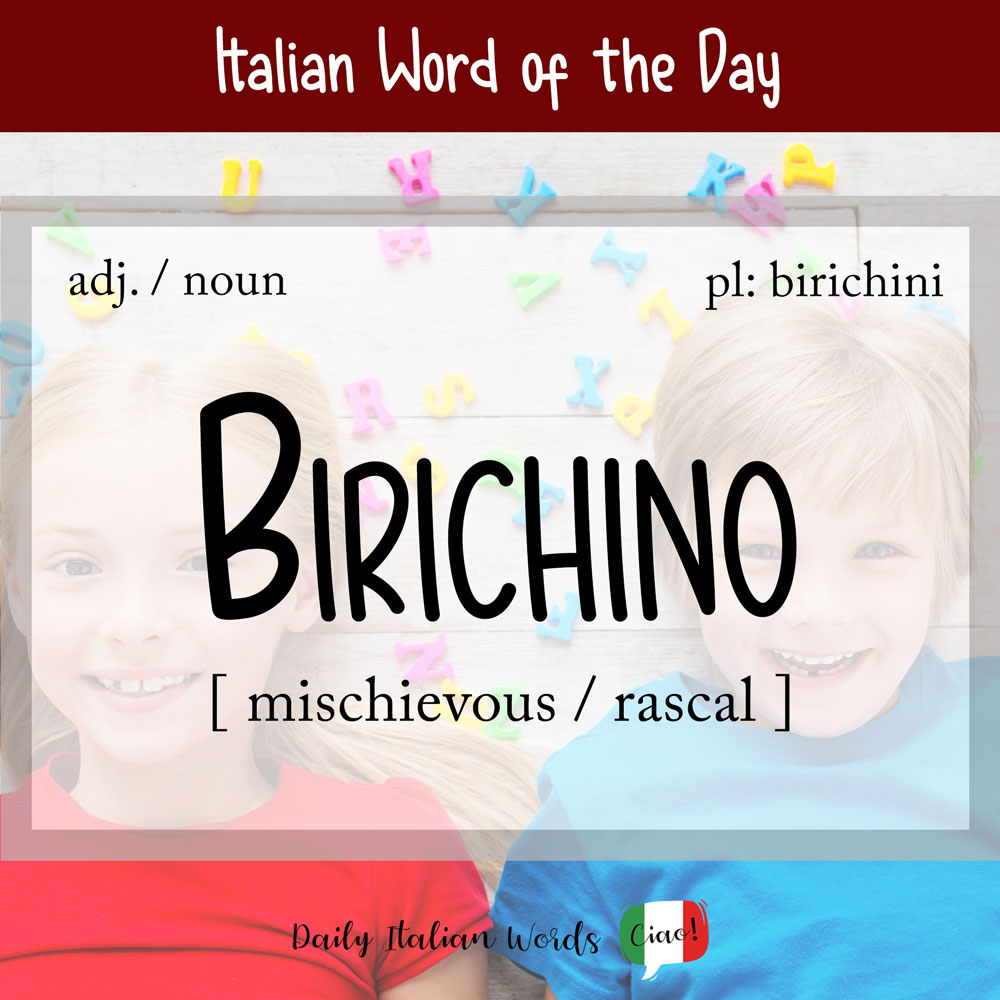
Italian Word of the Day: Birichino (mischievous)

A child who causes trouble in a playful manner can be called mischievous or cheeky, which in Italian translates as birichino (masculine). Although the etymology of the word is uncertain, it is thought to originate from the Emilian dialect and may possibly be related to the word briccone (rascal). The feminine equivalent is birichina, whereas …

Read more

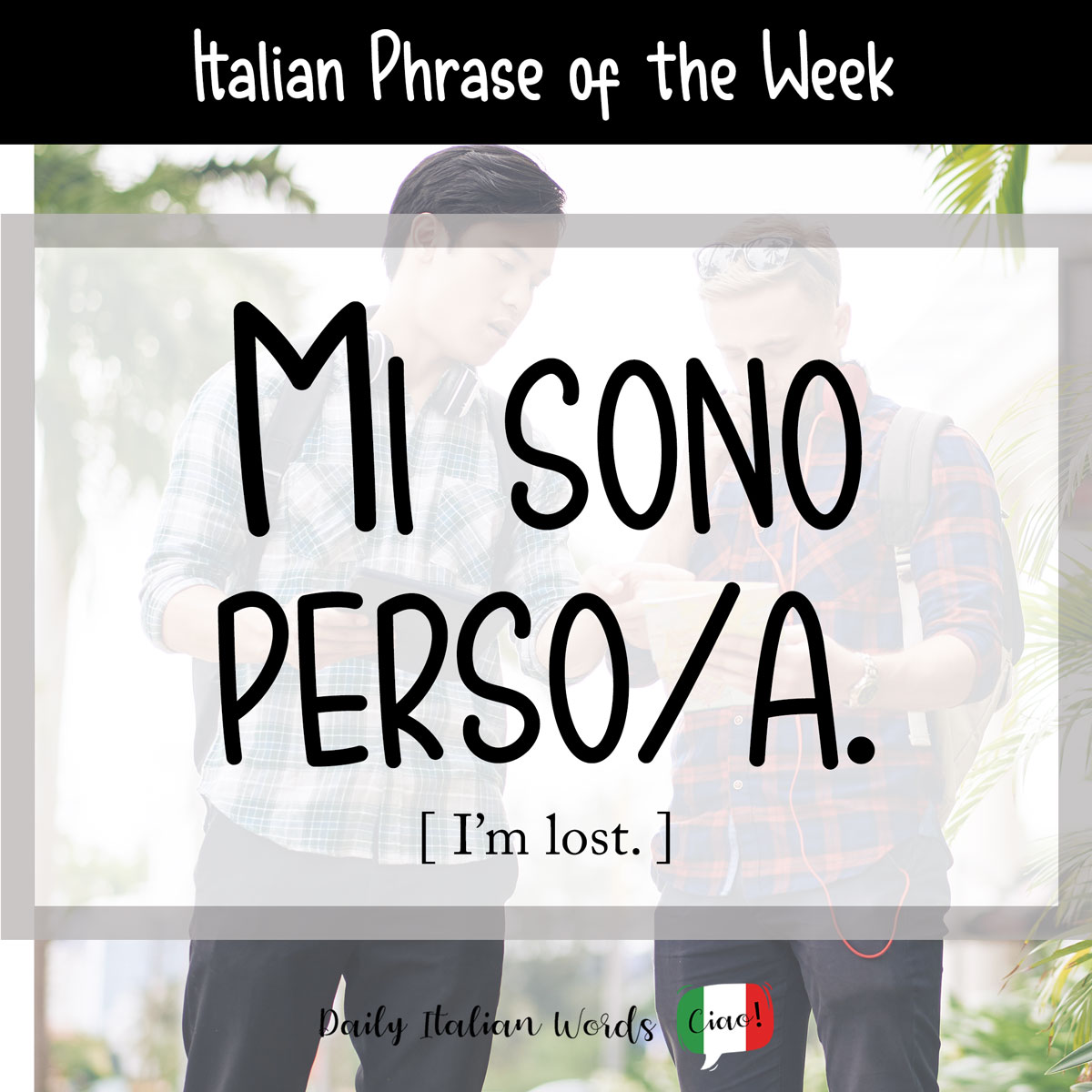
Italian Phrase of the Week: Mi sono perso/a! (I’m lost!)

If you are travelling around Italy and somehow manage to lose your way despite having invested in a reliable map and travel book, fear not – you can always rely on the tried and tested method of asking the locals for help! 😀 To inform someone that you are lost in Italian, you can use …

Read more

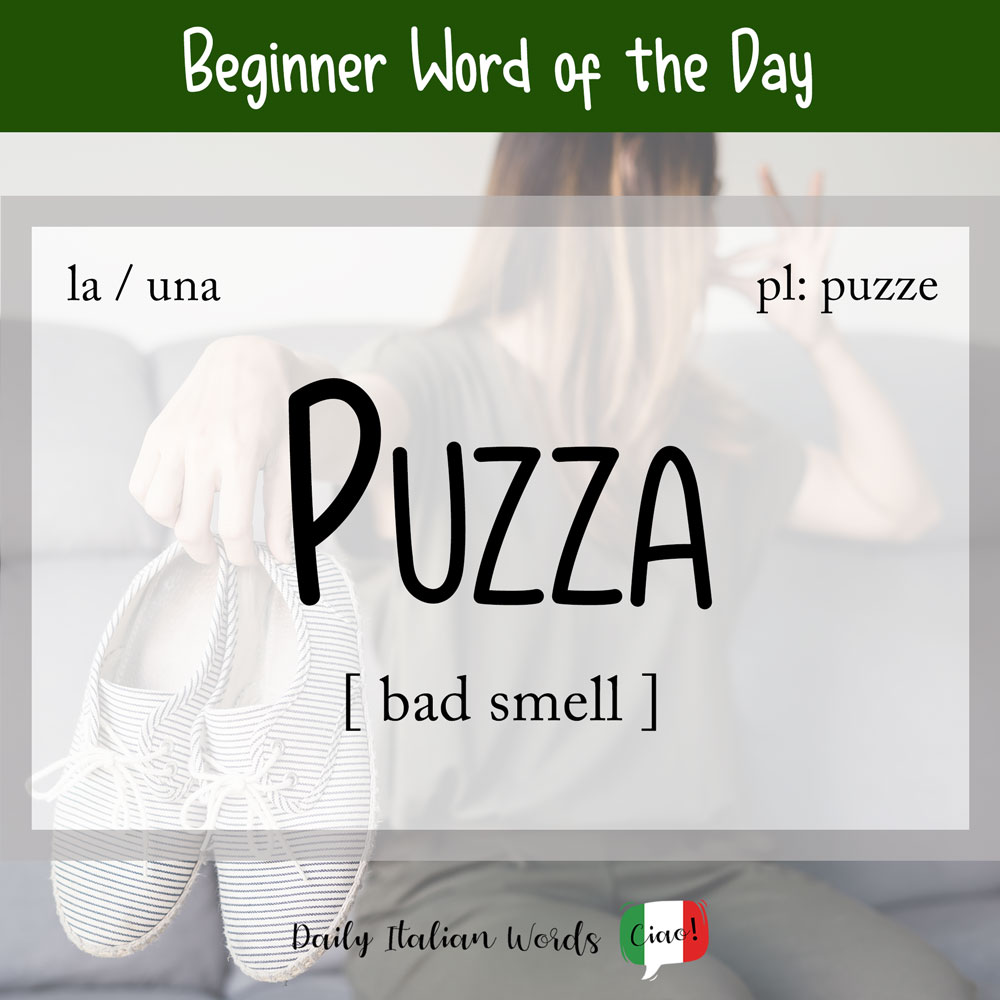
Italian Word of the Day: Puzza (bad smell)

What do a wet dog, an overflowing garbage bin and mouldy blue cheese that’s been left in the fridge too long all have in common? They all emit a terrible puzza (feminine, plural: puzze), the Italian word for bad smell, stink or stench! If you’re having trouble committing this word to memory, I find it …

Read more

Italian Word of the Day: Bivio (crossroads)

The word for crossroads in Italian is bivio (masculine, plural: bivi). Like the English equivalent, bivio has both a literal and figurative meaning. In the literal sense, it refers to the place where two roads meet, whereas in the figurative sense, it denotes the point at which a crucial decision, which will have significant consequences, …

Read more

Italian Word of the Day: Fumo (smoke)

The Italian word for smoke is fumo (masculine, plural: fumi). If you have trouble remembering this word, I’ve found that it helps to think of the English term fume which shares the same origin. Related to fumo is the verb fumare which means to smoke in both the transitive and intransitive sense of the word. …

Read more