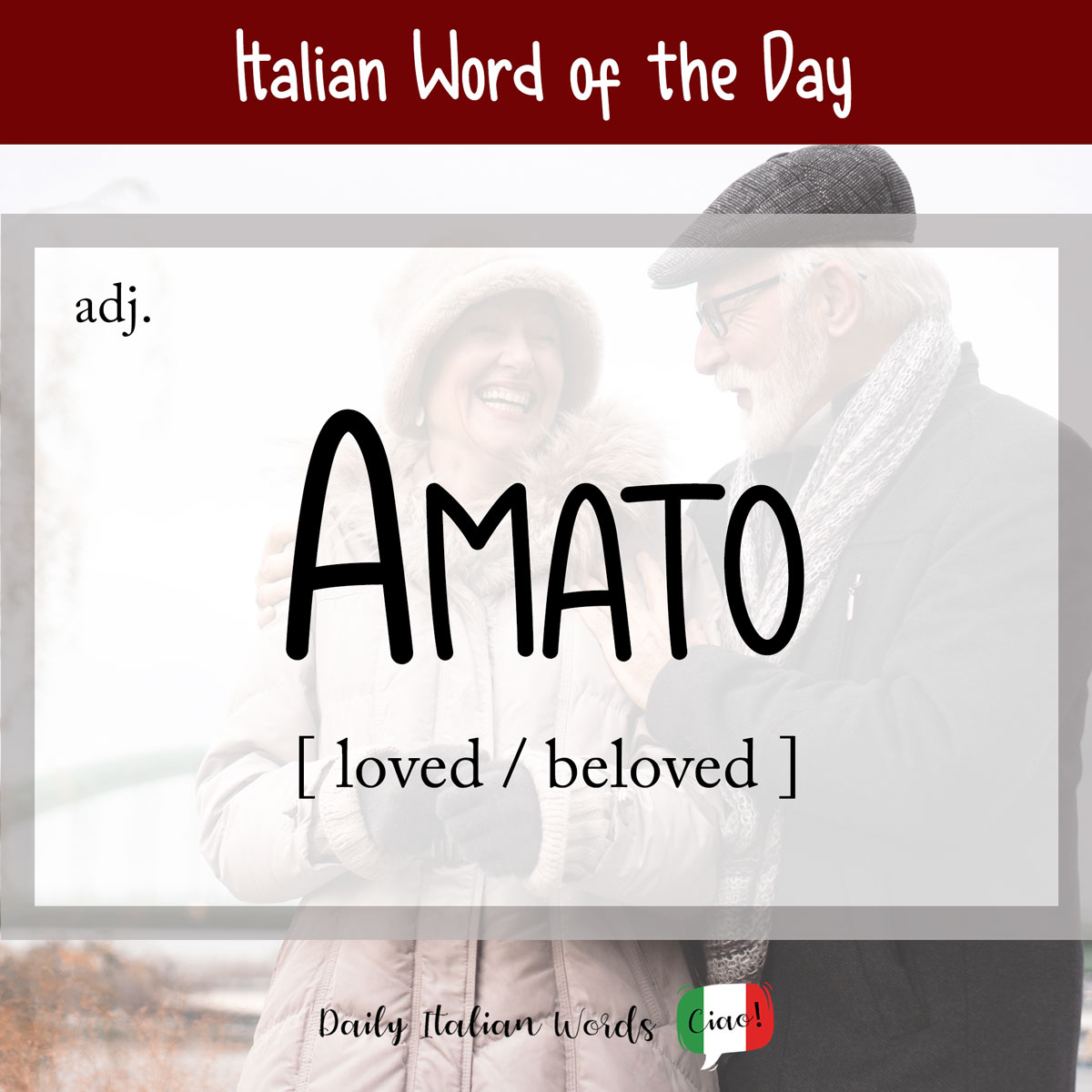
Italian Word of the Day: Amato (beloved / loved)

Amato is an adjective in Italian that means beloved or loved. It is the past participle of the verb amare (to love). Because it is an adjective, the ending must match the gender and number of the subject in question: This particular adjective can appear before or after the subject it modifies – which may …

Read more

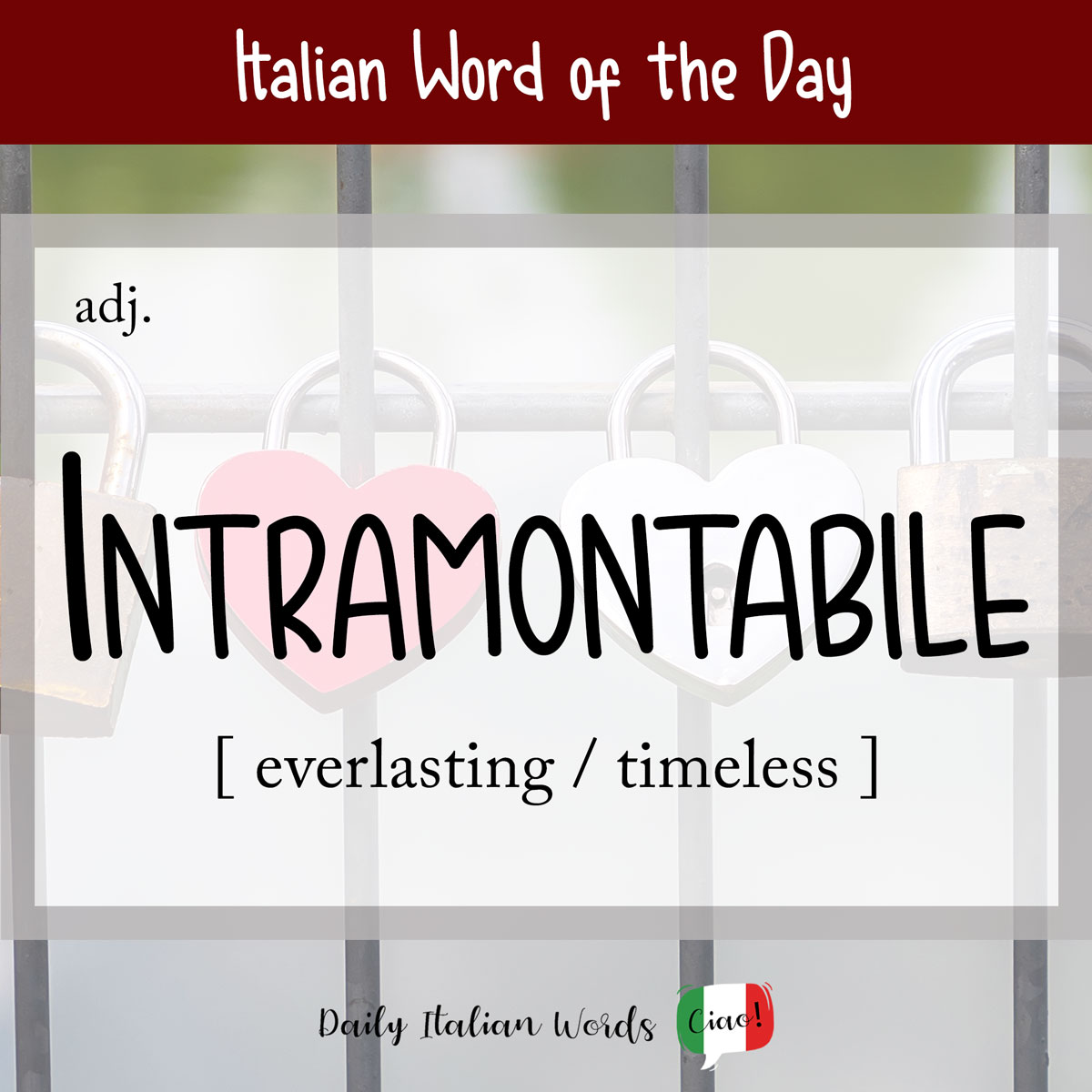
Italian Word of the Day: Intramontabile (timeless / everlasting)

A wonderful Italian word I love throwing into conversation at every opportunity is intramontabile (plural: intramontabili) which is an adjective meaning timeless, everlasting, enduring, immortal or evergreen. Note that the e/i ending (singular/plural) doesn’t change according to the gender of the noun. It derives from the verb tramontare meaning to set (as in the setting …

Read more

Italian Word of the Day: Trasandato (shabby / sloppy)

An adjective that describes something in poor condition due to neglect or lack of care is trasandato (masculine). The feminine equivalent is trasandata and their respective plurals are trasandati and trasandate. It is the past participle of the obsolete verb trasandare, which is a combination of the prefix tra(n)s-, meaning across or beyond, and the …

Read more

Italian Word of the Day: Attonito (astonished)

One way of saying astonished, speechless or shocked in Italian is attonito. Being an adjective, it also has a feminine form (attonita), as well as masculine and feminine plural forms (attoniti and attonite). The word has an interesting origin according to Treccani. It comes from the Latin attonitus which itself is a derivative of the …

Read more

Italian Word of the Day: Spicciolo (loose change)

Spicciolo is the word for loose / spare / small change or coins in Italian. It derives from the verb spicciolare which means to pick off or to change (a sum of money) into (a different currency or denomination). spicciolo loose change / coin It is a masculine noun that takes the following definite and …

Read more

Italian Word of the Day: Vigliacco (coward)

One way of saying coward in Italian is vigliacco. For once, we have a word that doesn’t derive directly from Latin but rather the Spanish bellaco meaning wicked or vile. vigliacco coward Here are the definite and indefinite articles used with this word: There is also the feminine form vigliacca and its plural vigliacche. Here …

Read more