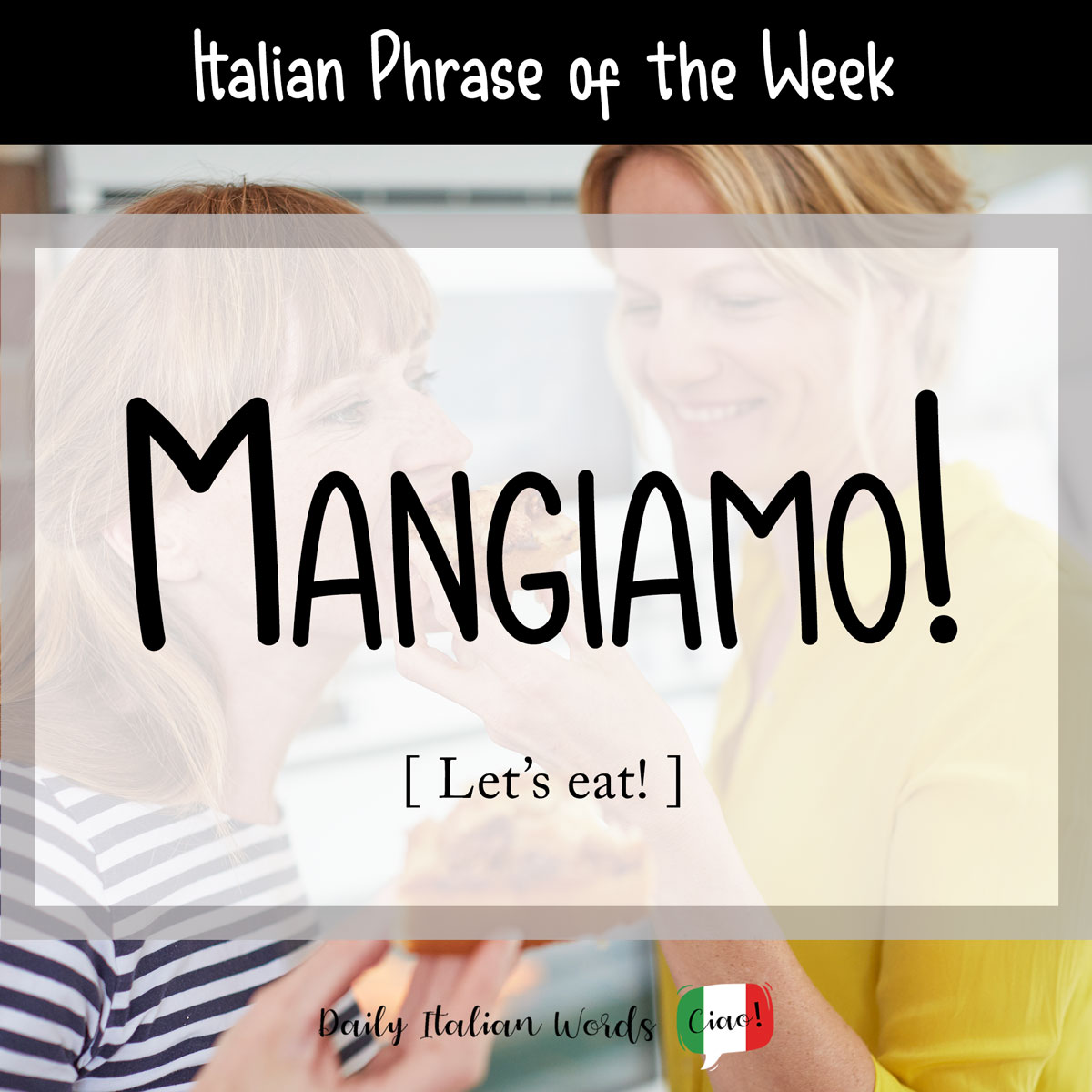
Italian Phrase: Mangiamo! (Let’s eat!)

In Italian, any verb that follows the plural first-person pronoun noi (we) must be conjugated with the ending -iamo in the present tense. This means that, for example, the infinitive andare (to go) becomes noi andiamo (we go), fare (to do/make) becomes noi facciamo (we do/make) and venire (to come) becomes noi veniamo (we come). …
Read more

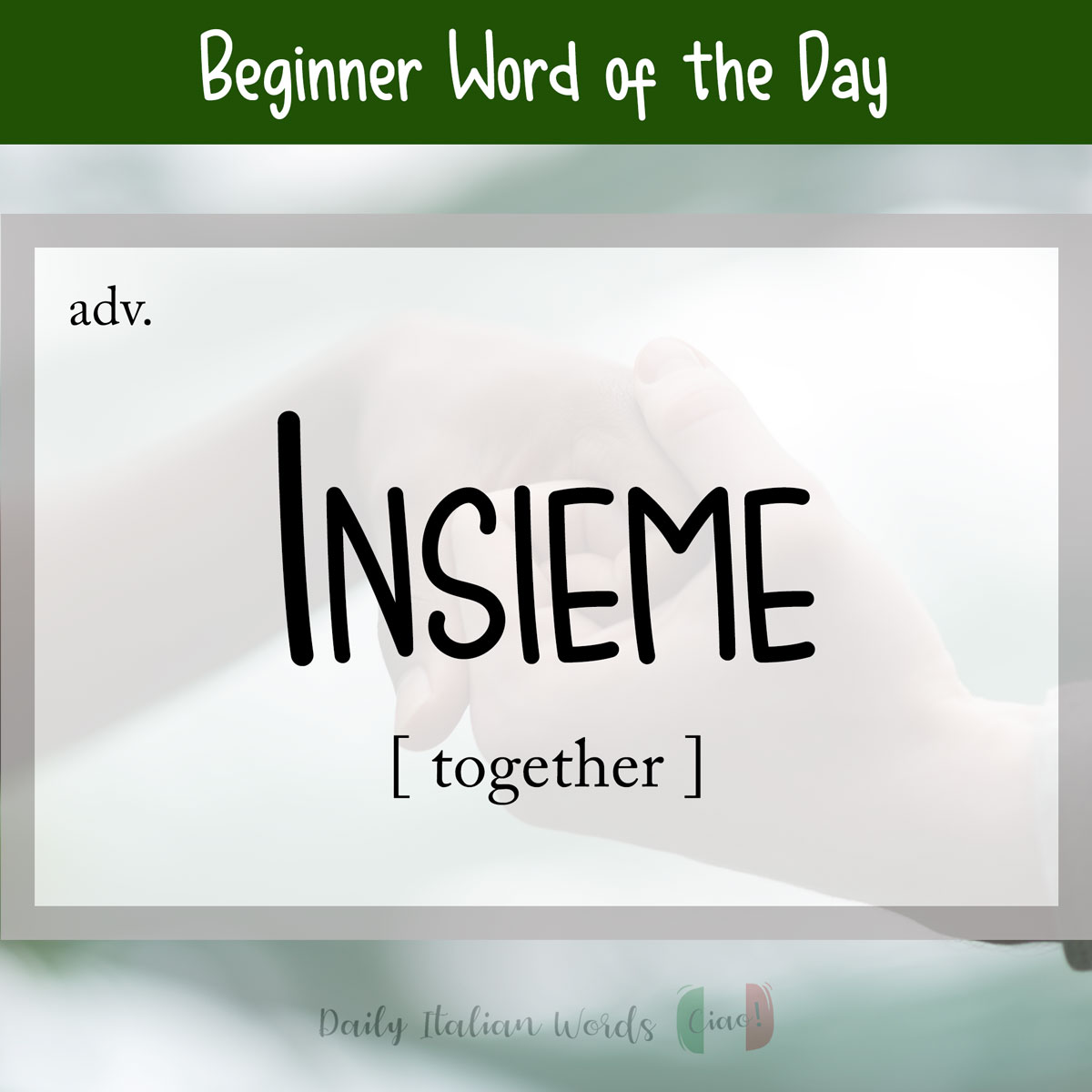
Italian Word of the Day: Insieme (together)

One of two ways to translate the word together in Italian is insieme, which comes from the vulgar Latin insemel. The other is assieme, and while they are almost completely interchangeable, insieme is the term you will hear more often. Note: If you have trouble remembering this word, I find it helps to think of …

Read more

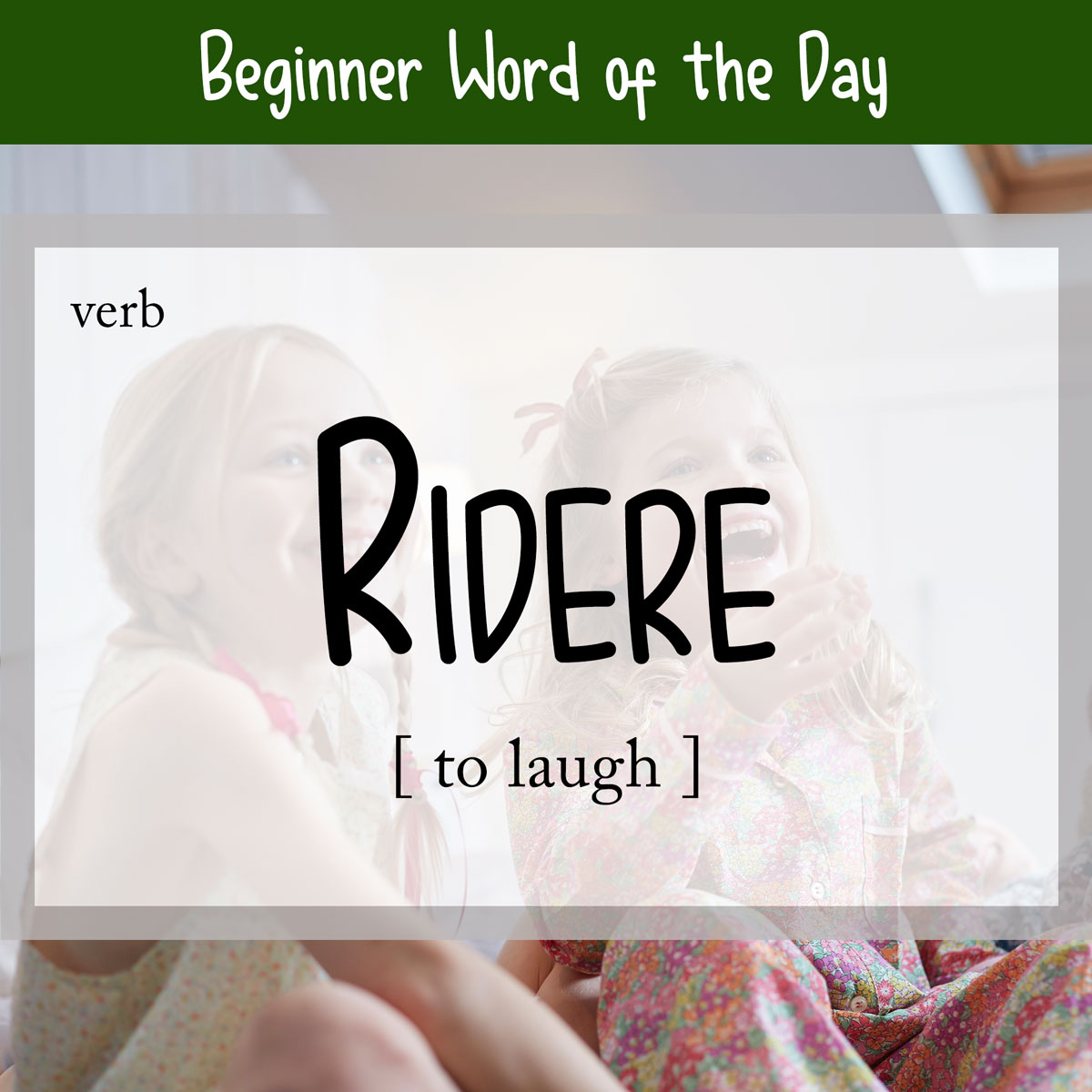
Italian Word of the Day: Ridere (to laugh)

Today was a landmark in our son’s cognitive development. At just shy of 13 weeks, he figured out how to laugh (ridere) for the first time! Sadly it wasn’t directed towards either of us but rather a particular white wall in our house of which he’s grown very fond for some reason. Ah well, a …

Read more

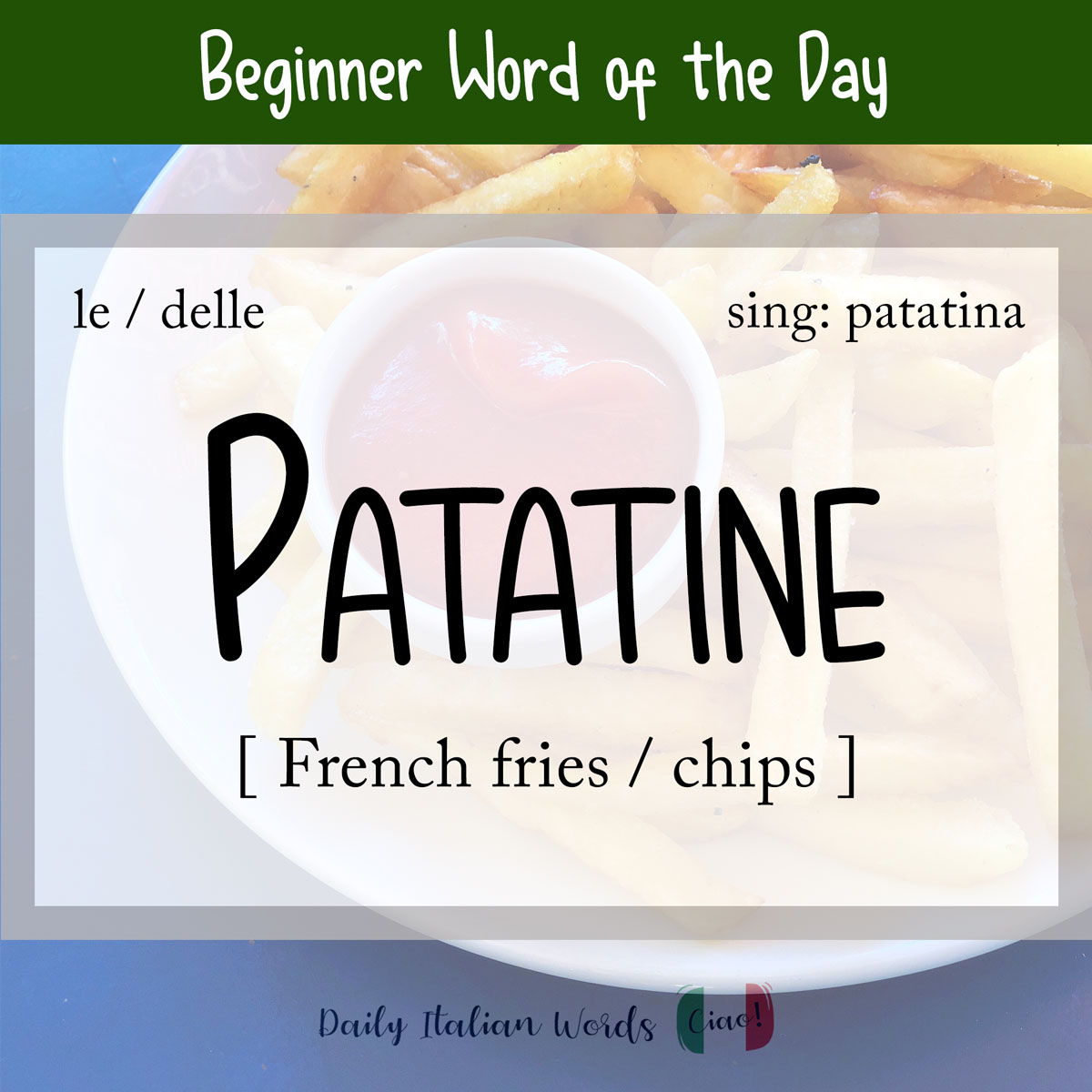
Italian Word of the Day: Patatine (chips / fries)

When not in the midst of a short-lived diet regime, I have the terrible habit of binging on chips (or crisps as they are known in the UK) and French fries. There is something about their salty greasiness that just hits the spot! The word for both of these irresistible junk foods in Italian is …

Read more

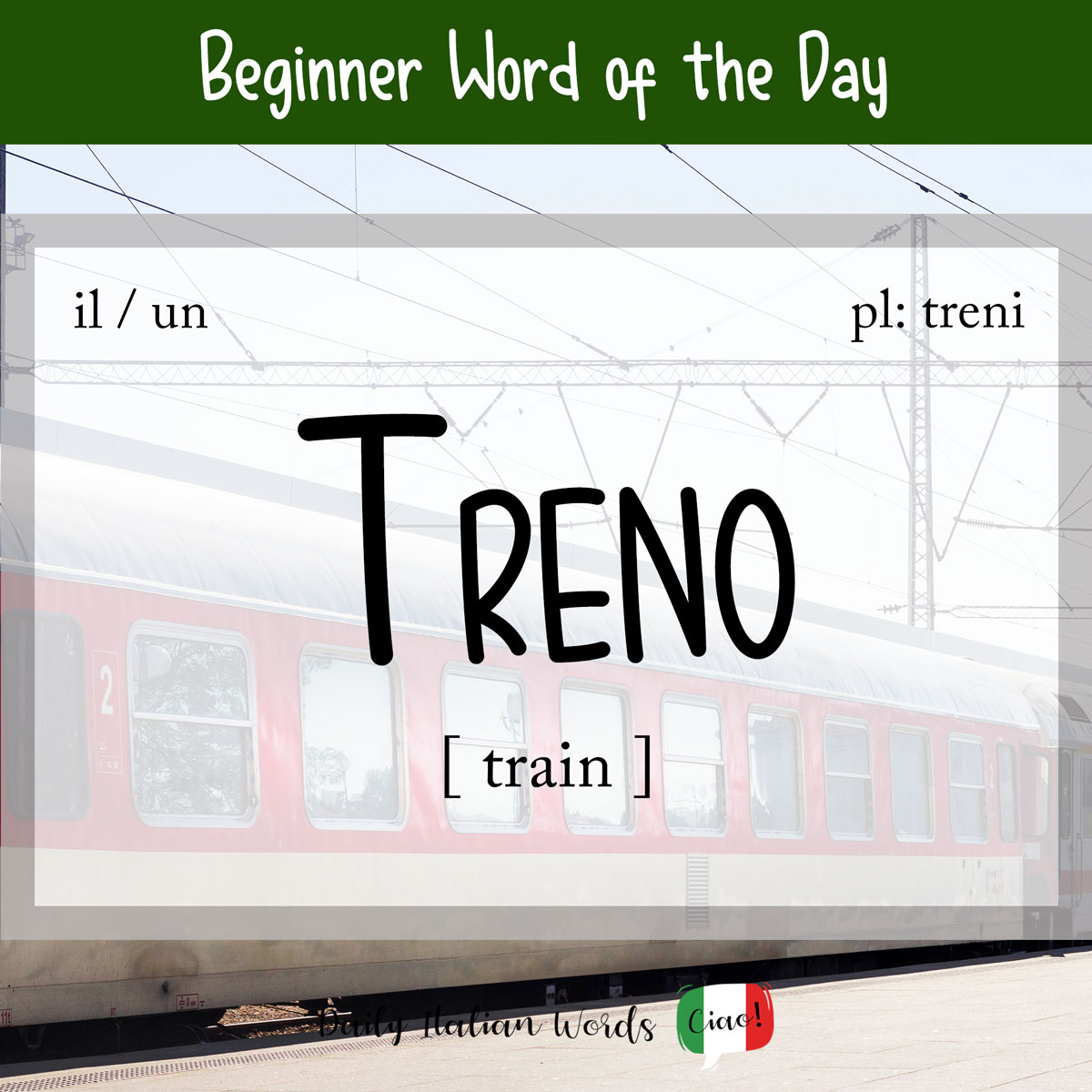
Italian Word of the Day: Treno (train)

The word for train in Italian is, you guessed it, treno (masculine, plural: treni). It entered the language via the French word train, which in turn comes from the verb traîner meaning to drag. Some common verbs you will see used with treno include: Viaggiare in treno può essere veloce quanto prendere un aereo. Traveling …

Read more

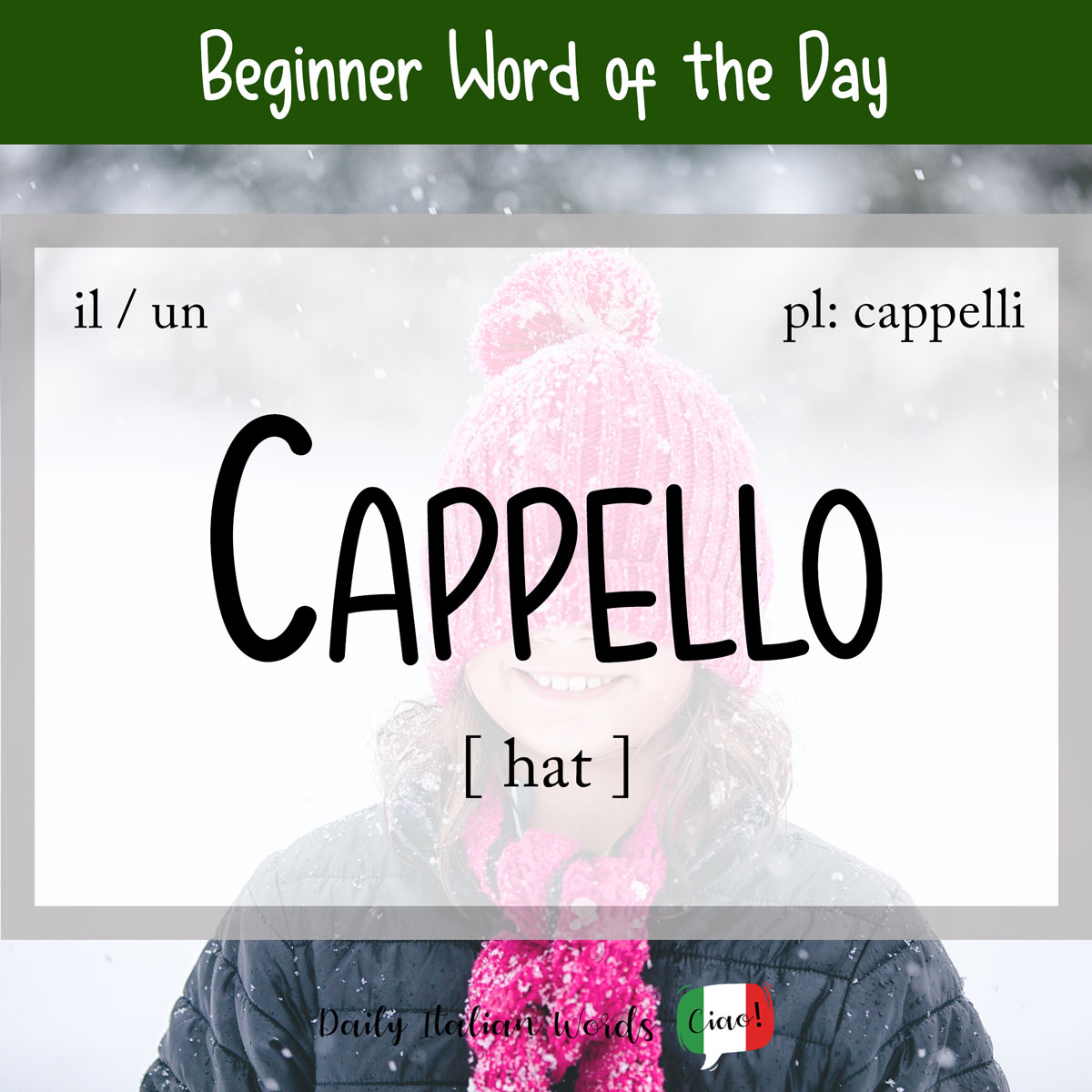
Italian Word of the Day: Cappello (hat)

The word for hat or cap in Italian is cappello (masculine, plural: cappelli). It derives from the Latin cappellus which in turn comes from the word cappa meaning hood. When pronouncing this word, it is very important to clearly enunciate the double pp so as to avoid confusion with the similar sounding capello, the Italian …

Read more