Italian Word of the Day: Felicità (happiness)
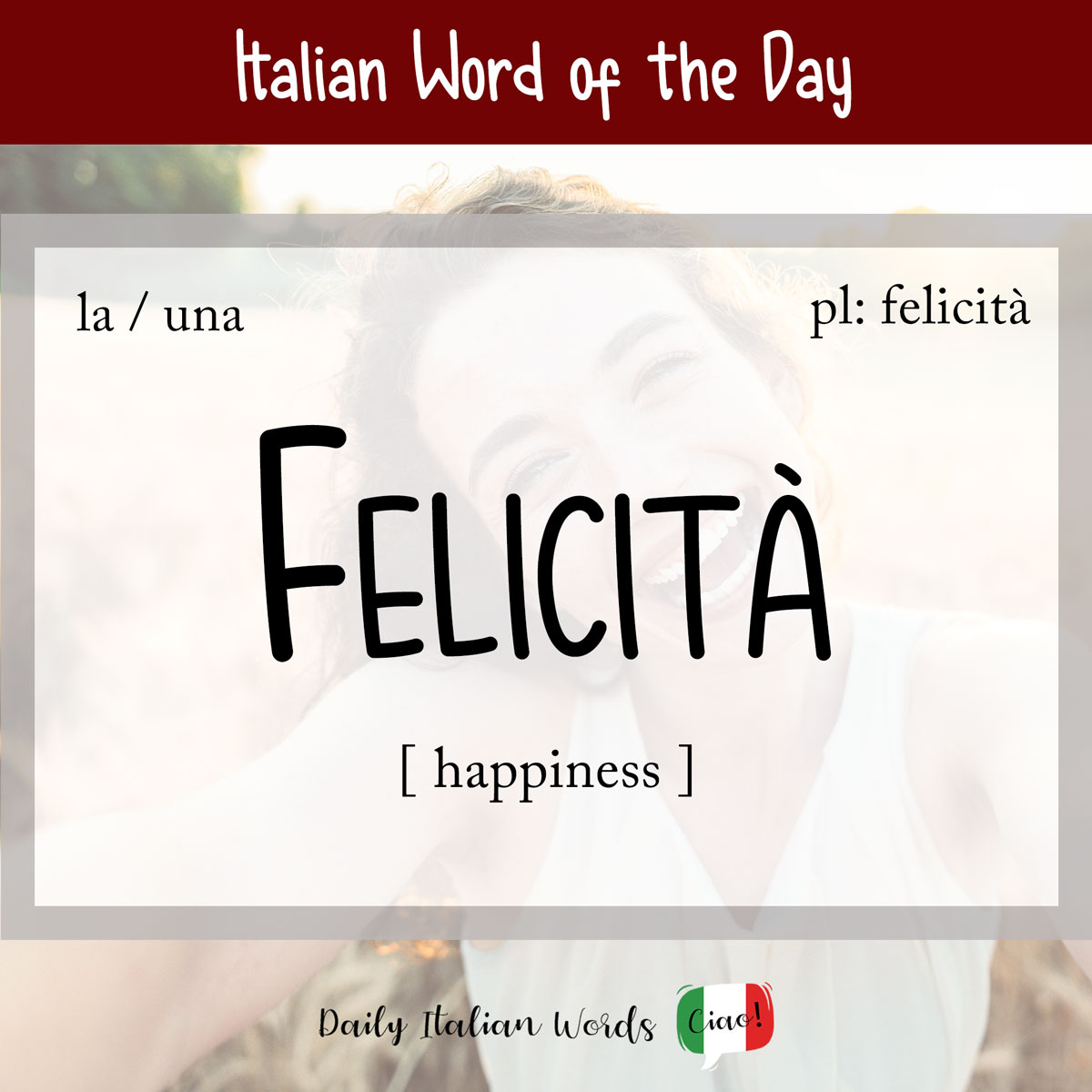
Felicità, the Italian word for happiness, comes from the Latin word felix meaning happy, blessed or lucky. English speakers shouldn’t have any trouble remembering this word if they call to mind the term felicity, a close synonym for happiness. Felicità is a feminine noun that takes the following definite and indefinite articles: Some closely related …
Read more

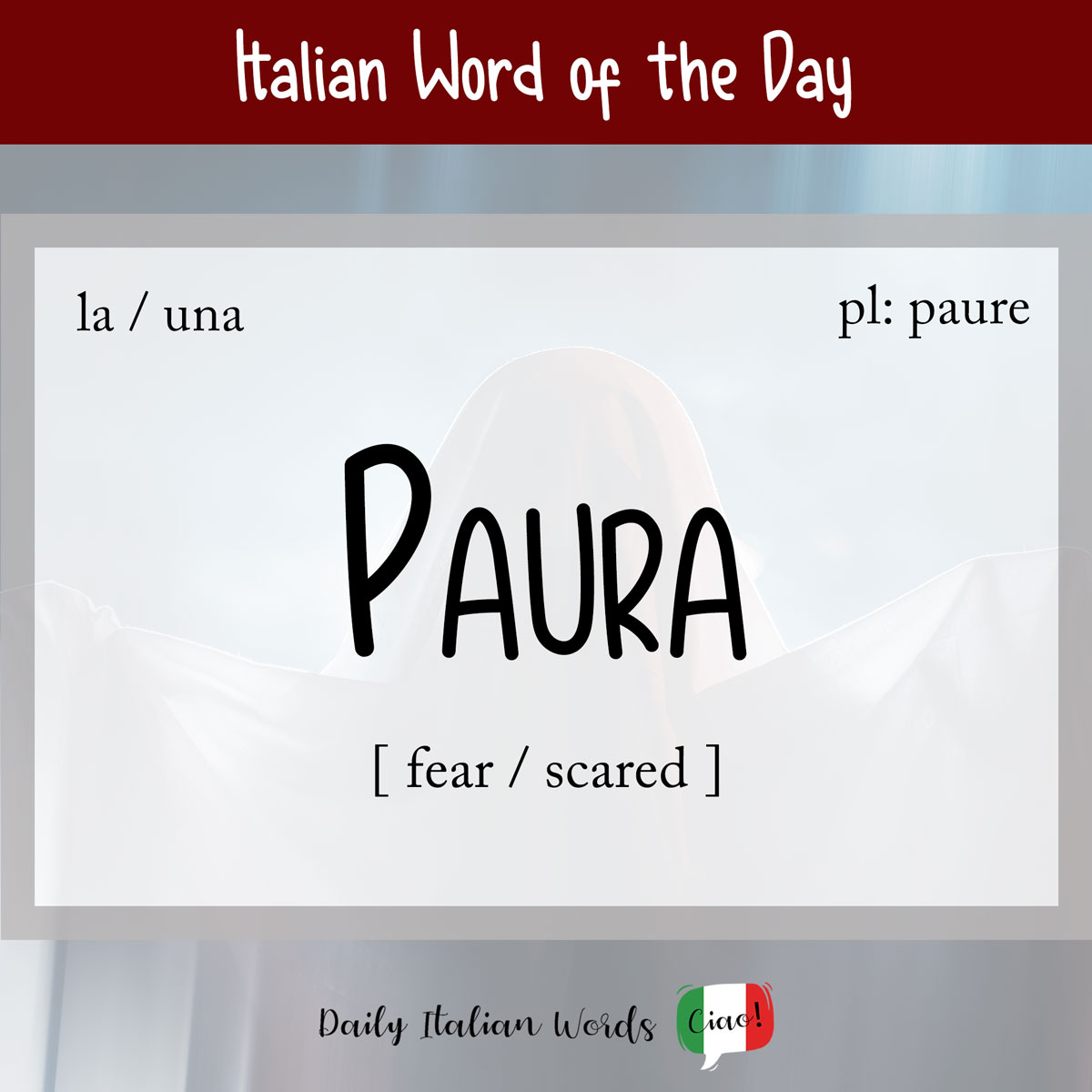
Italian Word of the Day: Paura (fear)

The word for fear in Italian is paura and it derives from the Latin pavor meaning fear or fright. paura fear / fright / scared Being a feminine noun, it takes the following definite and indefinite articles: It can be combined with the verbs avere (to have), fare (to do/make) and prendere (to take/get) to …

Read more

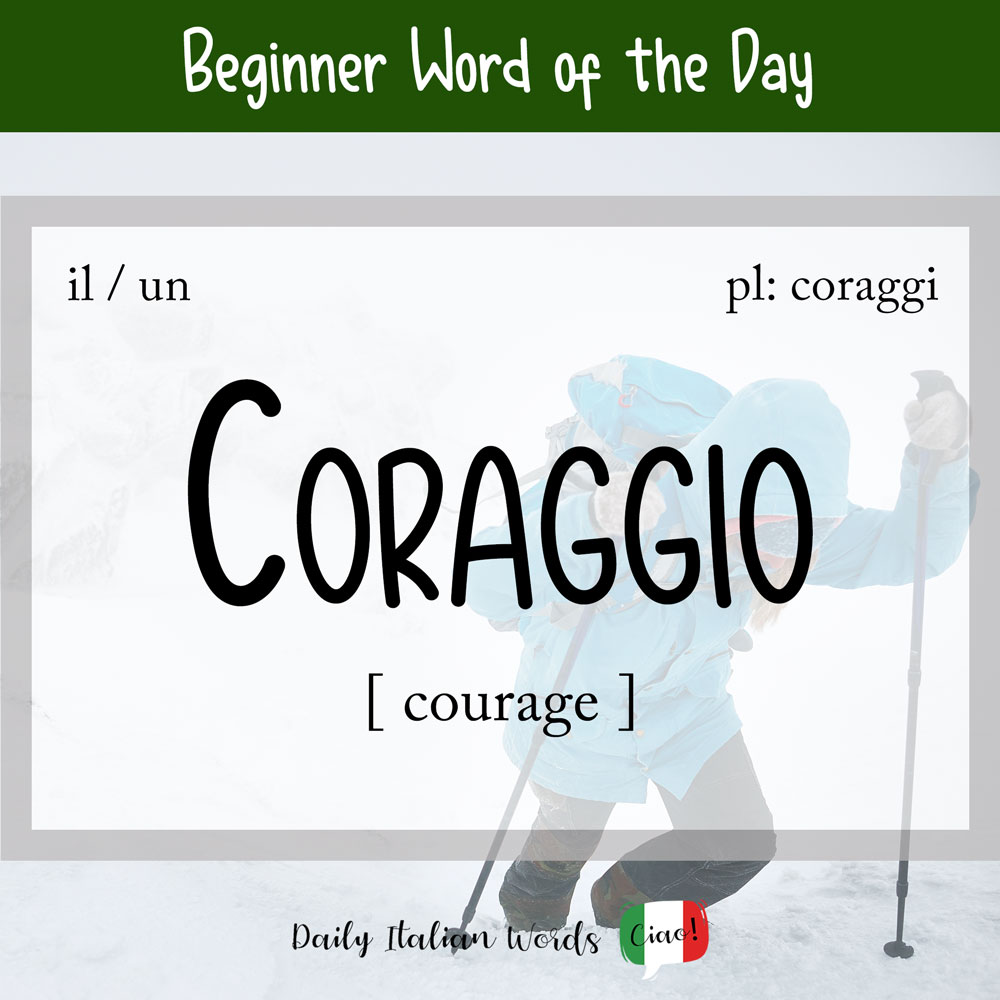
Italian Word of the Day: Coraggio (courage)

The word for courage or bravery in Italian is coraggio. It comes from the Latin cor meaning heart. If you are facing an intimidating situation, you may want to find ways to pluck up your courage, which in Italian translates as farsi coraggio or trovare il coraggio. È nei momenti più difficili che bisogna farsi …

Read more

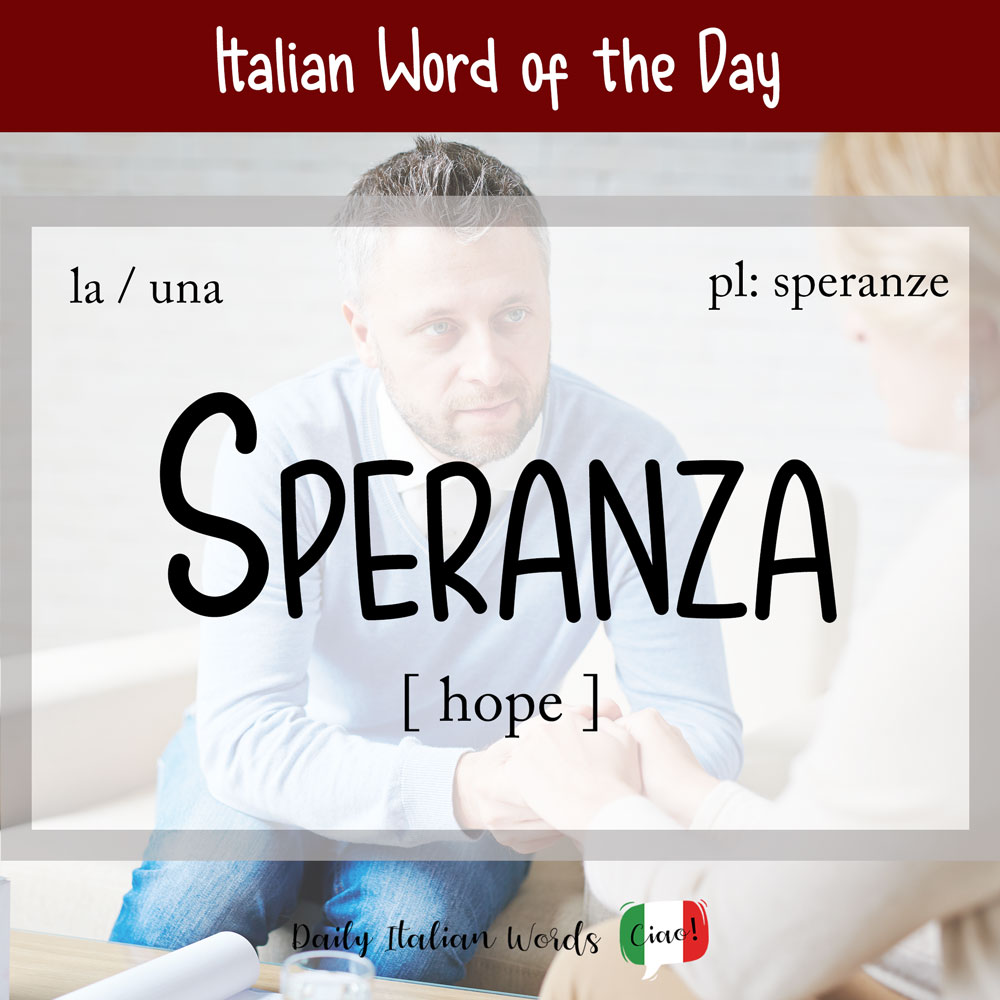
Italian Word of the Day: Speranza (hope)

The word for hope in Italian is speranza (feminine, plural speranze). It bears no relation to the English word but if you understand some French, you’ll notice that it is similar to the word espoir. It is related to the verb sperare meaning to hope. Some other words with the same origin include: speranzoso = …

Read more

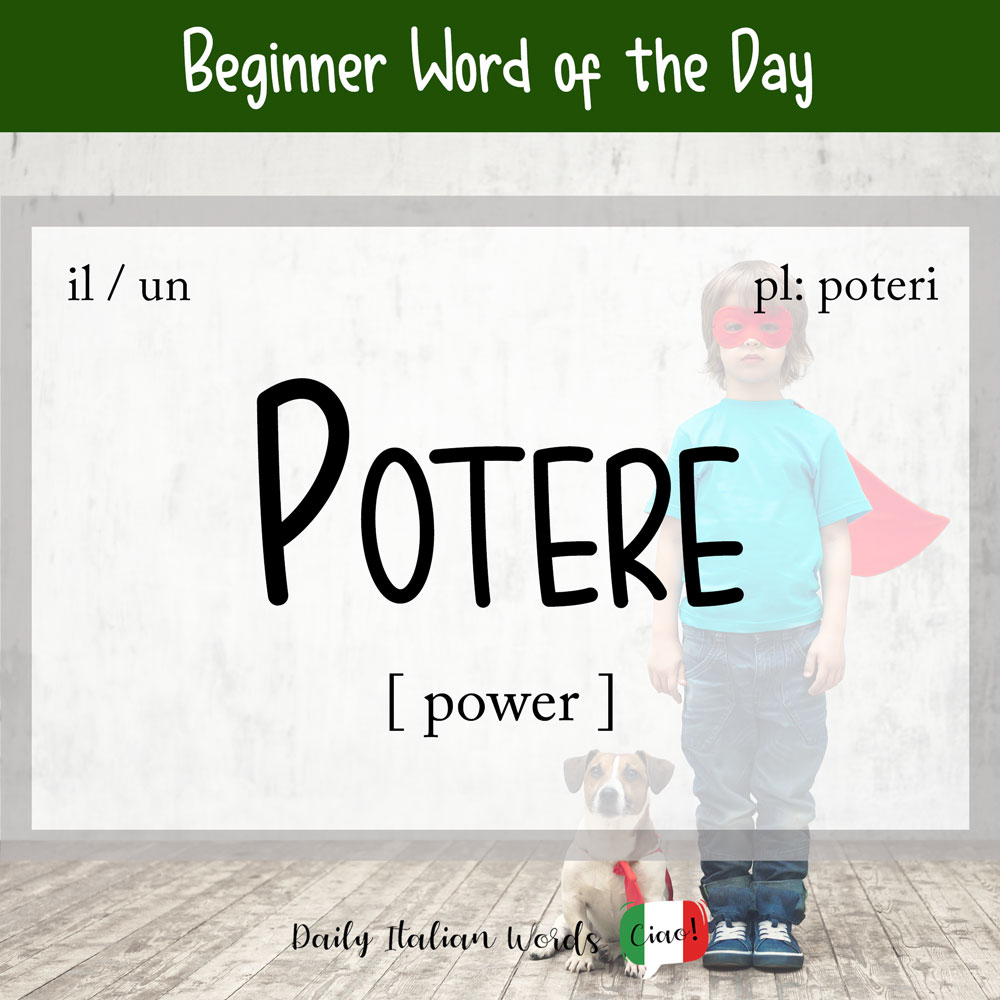
Italian Word of the Day: Potere (power)

The word potere (masculine, plural: poteri) in Italian can act as either a noun or a modal verb. When used as the former, it translates as power in most cases. Both potere and power can mean various things depending on the context, including authority or special ability. Il capo del governo ha il potere di …

Read more

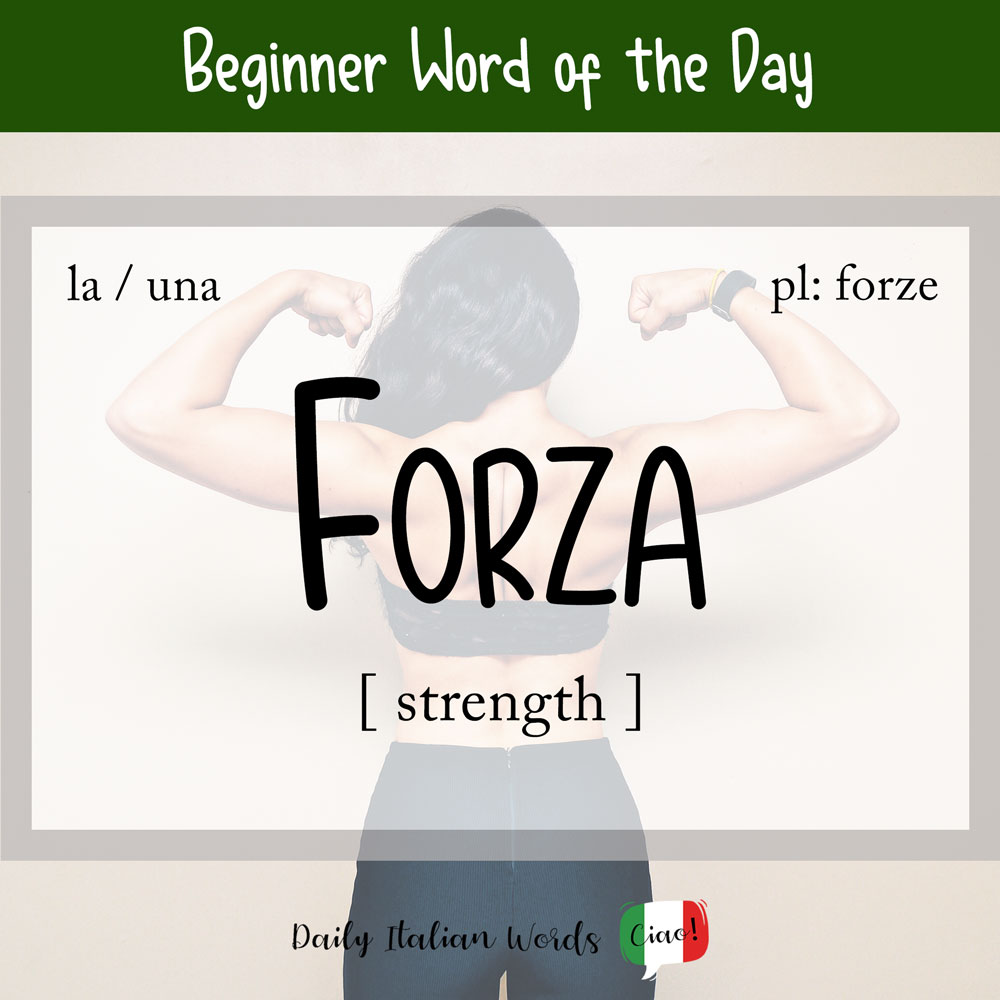
Italian Word of the Day: Forza (strength)

The word for strength in Italian is forza (feminine, plural: forze). As you can see from the two examples below, it can refer to strength in both the physical and mental sense, just as in English. Abbiamo lottato valorosamente ma la forza dell’avversario era superiore. We fought valiantly but the opponent’s strength was superior. Andrea …

Read more