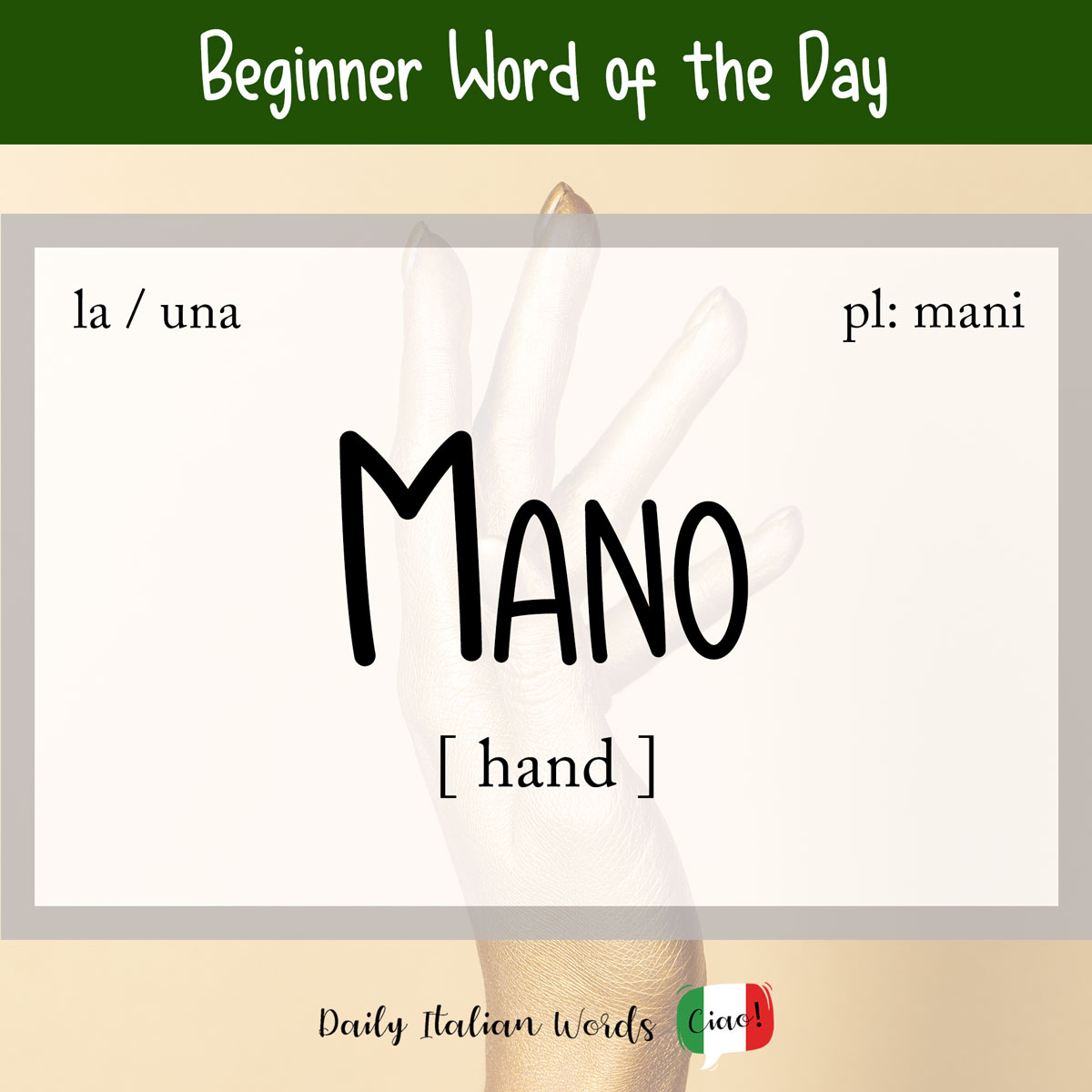
Italian Word of the Day: Mano (hand)

Mano, which is the word for hand in Italian, has its origins in the Latin word manus, which also means hand. A curiosity about this word is that, despite ending in the letter o (which is usually associated with masculine nouns) mano is actually feminine. This is because the Latin manus is a fourth-declension feminine …

Read more

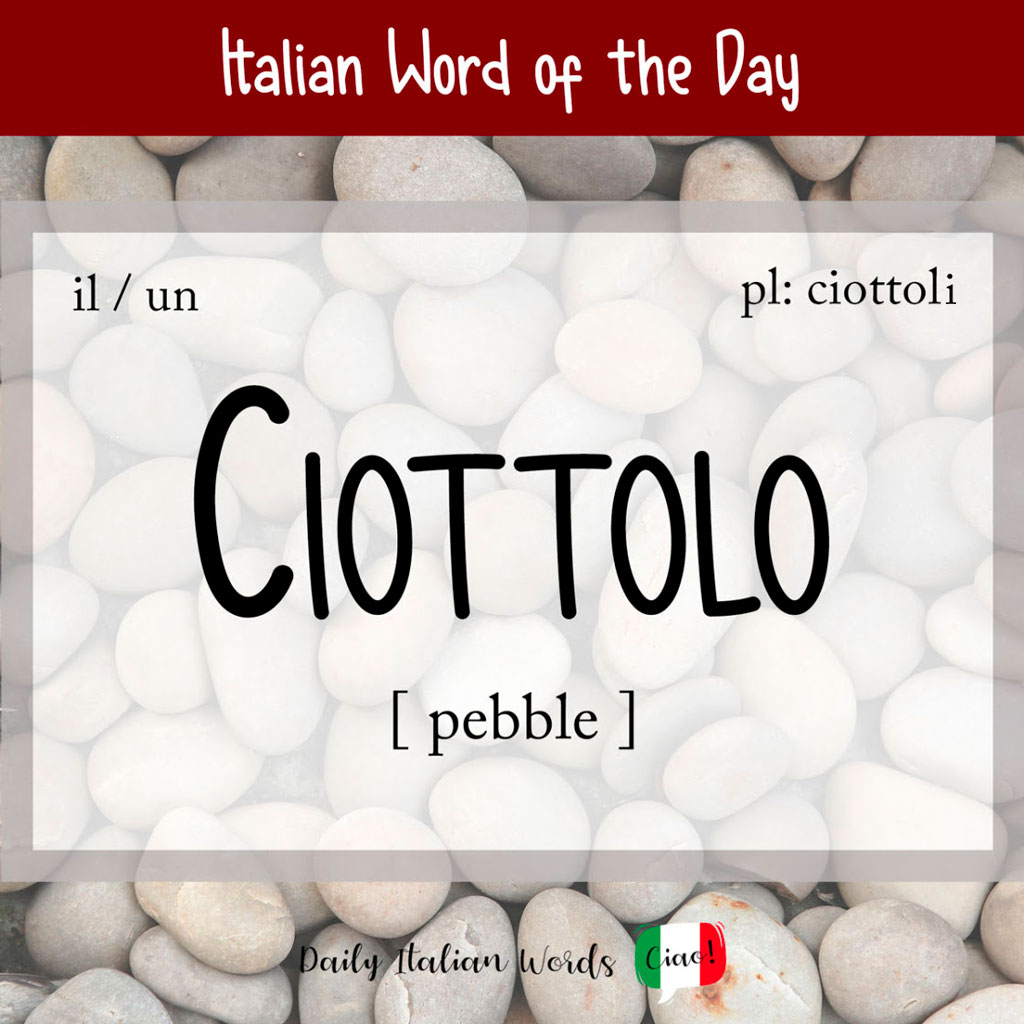
Italian Word of the Day: Ciottolo (pebble)

A sasso (stone) that has been made smooth and round by the action of water is a ciottolo (pebble) in Italian. It is the diminutive form of ciotto, an archaic word for pebble. Ciottolo is a masculine noun whose plural form is ciottoli. The definite and indefinite articles it takes are as follows: Prese un …

Read more

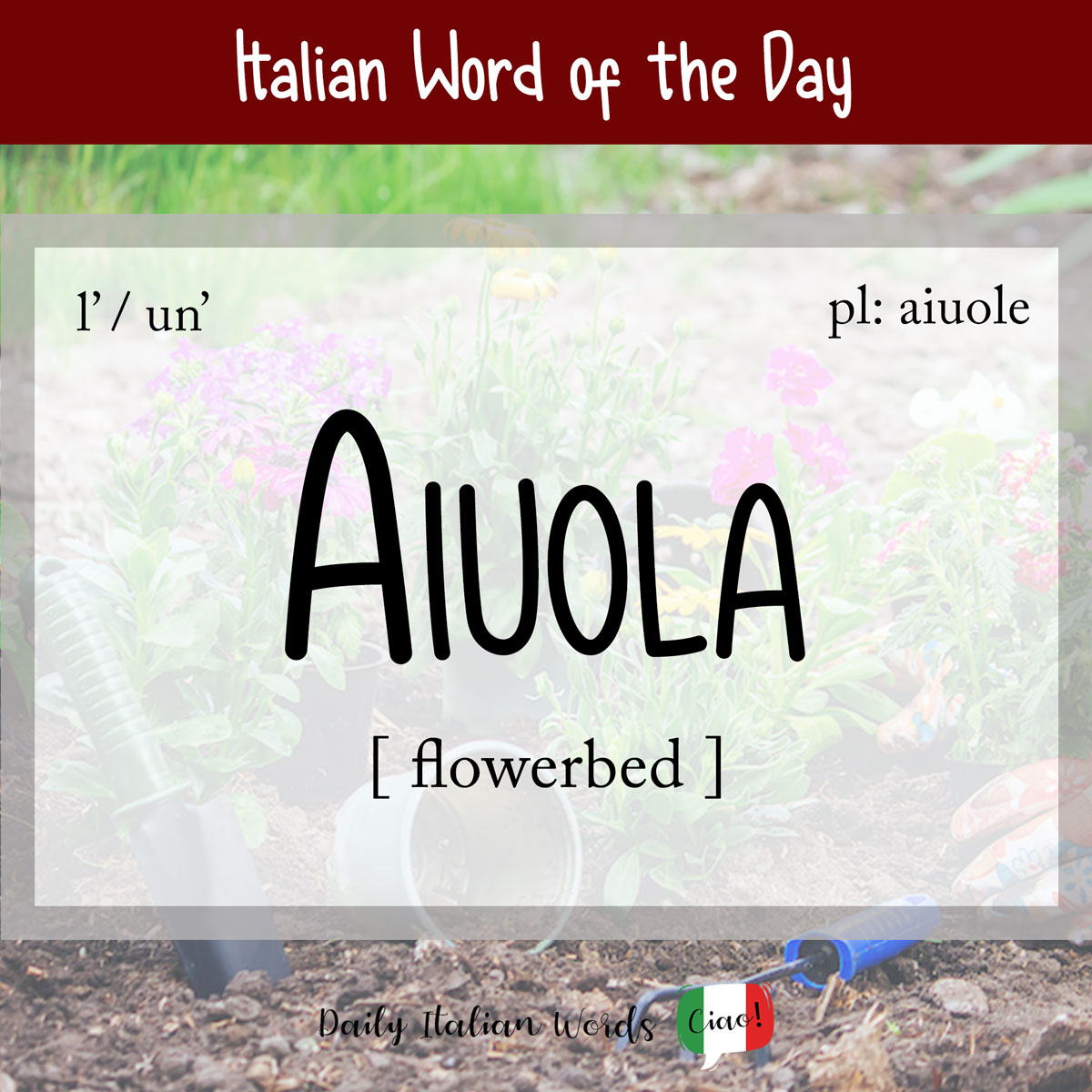
Italian Word of the Day: Aiuola (flowerbed)

One of the hardest words to pronounce in Italian for English speakers is the feminine noun aiuola, which means flowerbed. Why is it so difficult, you might ask? Well, it has a lot to do with the presence of four adjacent vowel sounds, a phenomenon that doesn’t really occur in English. In fact, the plural …

Read more

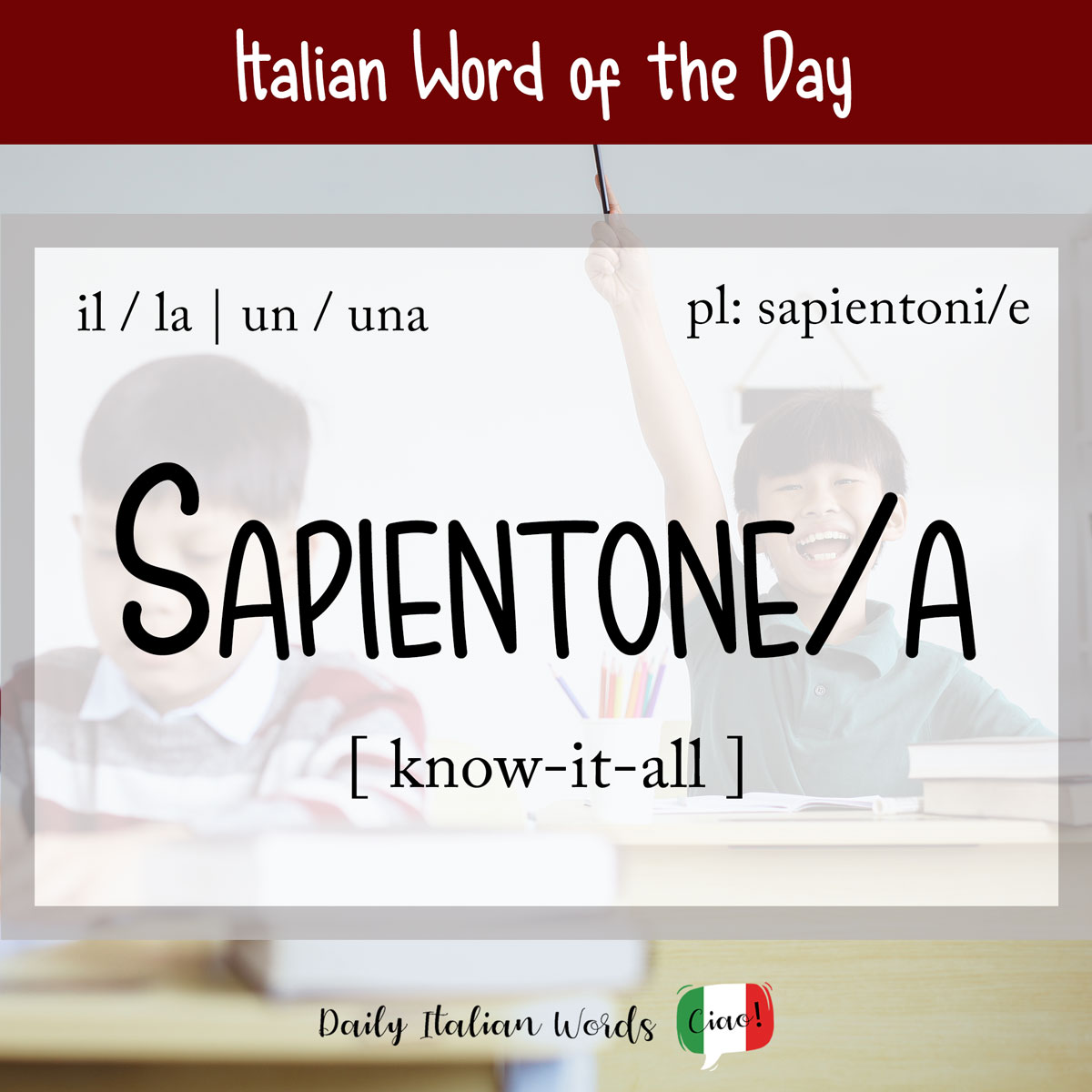
Italian Word of the Day: Sapientone/a (know-it-all)

We all know that one person who acts as if he or she knows everything and dismisses the opinions, comments, or suggestions of others. In English, the best word to describe a person like this is know-it-all (or know-all) whereas in Italian, you’ll probably hear people using the terms sapientone (for a man) and sapientona …

Read more

Italian Word of the Day: Mistero (mystery)

The Italian word mistero is a noun that means mystery or something that is not easily understood or explained. We know with certainty that it derives from the Latin mysterium, which – surprise, surprise – also means mystery, and the Greek musterion. In ancient Rome, mysterium (which is a contraction of ministerium ‘ministry’) was used, …

Read more

Italian Word of the Day: Edera (ivy)

Italian word for ivy, edera

Ivy, which is known as edera in Italian, is an evergreen climbing plant (pianta rampicante) that thrives on walls, rocks and trees. The name comes from the Latin hedera. Edera is a feminine noun starting with a vowel, so it takes the following definite and indefinite articles: Edera velenosa is what Italians call poison ivy. …

Read more