Italian Word of the Day: Caramella (piece of candy)
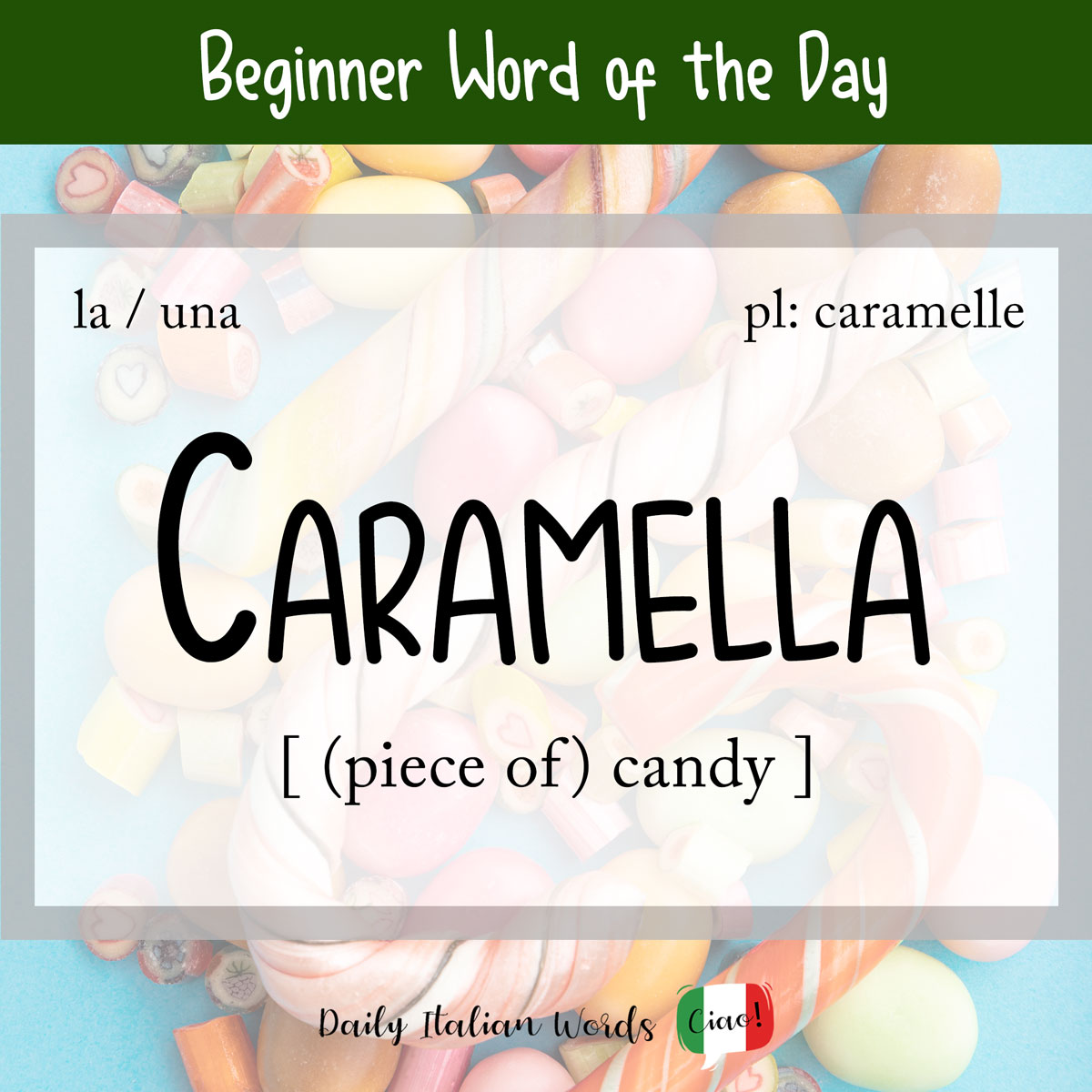
Both the English caramel and the Italian caramella derive from the Spanish caramelo, which in turn can be traced back to the Latin calamellus, the diminutive of calamus (sugarcane). Caramel and caramella can be considered false friends, however, in that the Italian word refers to any piece of candy or sweet made of sugar, whereas …
Read more

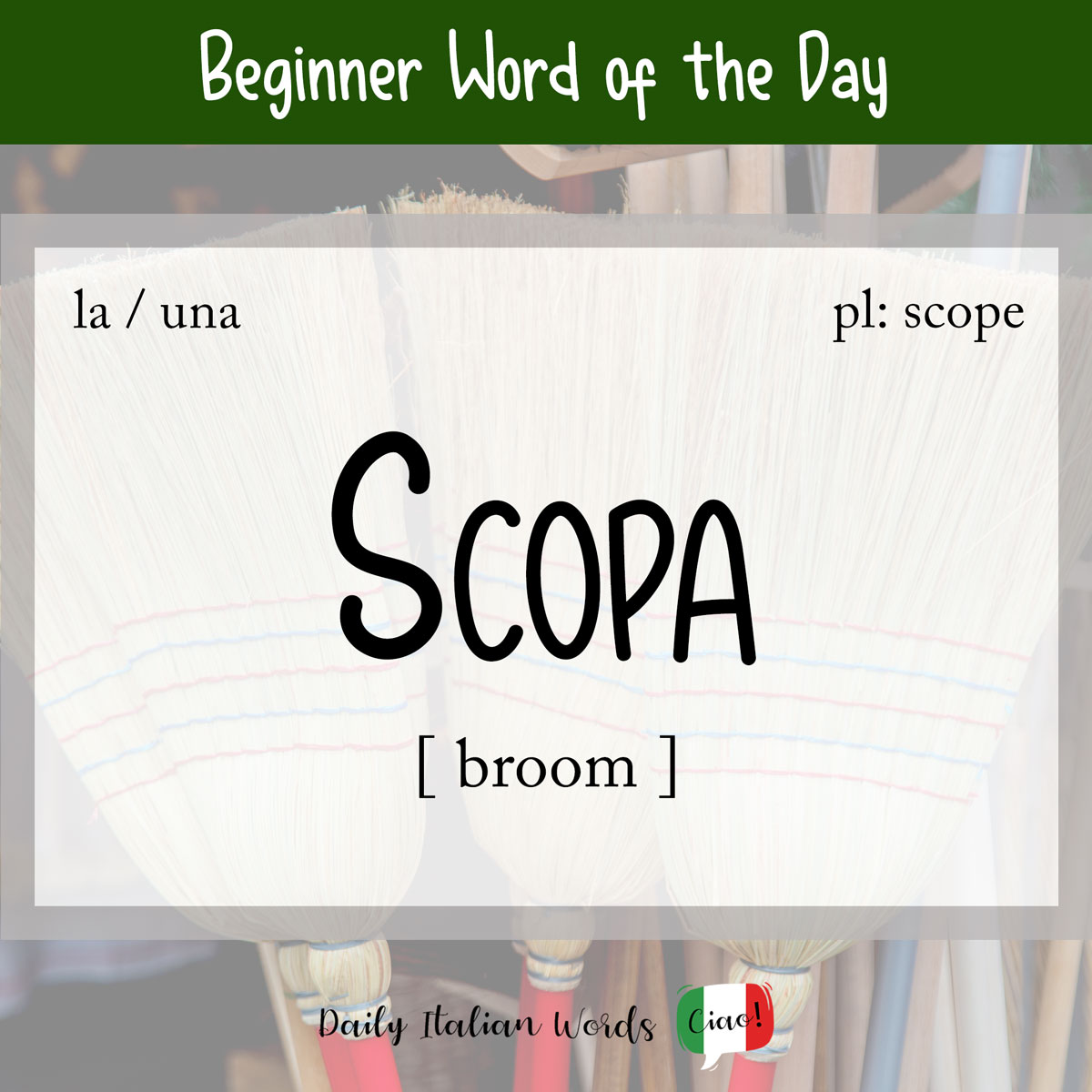
Italian Word of the Day: Scopa (broom)

Scopa is the word for broom in Italian. It is a feminine noun that comes from the Latin scopae meaning twigs. The definite and indefinite articles you need to use with this word are as follows: La strega vola sulla sua scopa. The witch flies on her broom. Here are some verbs that often appear in …

Read more

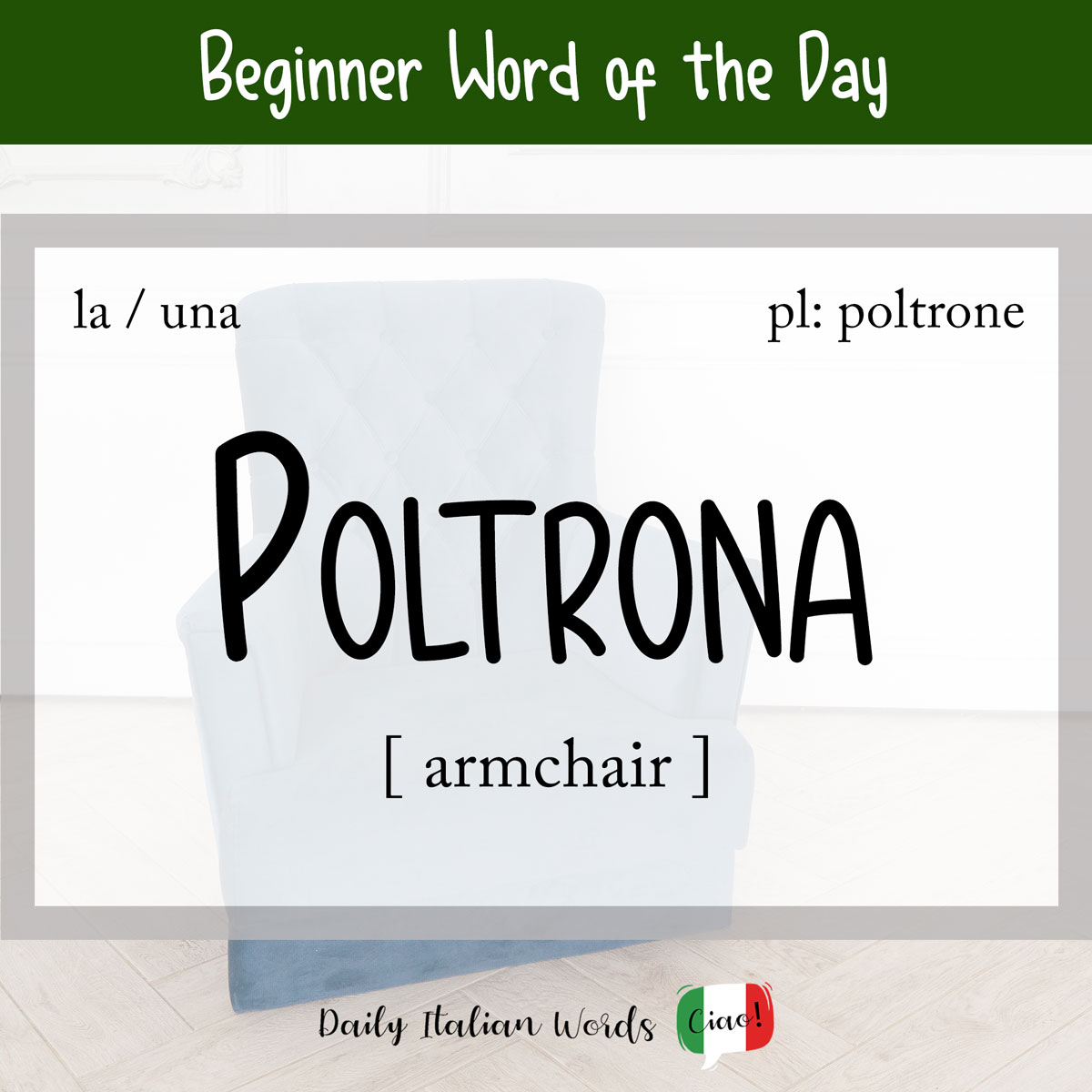
Italian Word of the Day: Poltrona (armchair)

Poltrona is the word for a large and comfortable seat, equipped with backrest and armrests. It derives from the archaic word poltro meaning bed. In English, the most common translation is armchair. Poltrona is a feminine noun, so it takes the following definite and indefinite articles: la poltronathe armchair una poltronaan armchair le poltronethe armchairs …

Read more

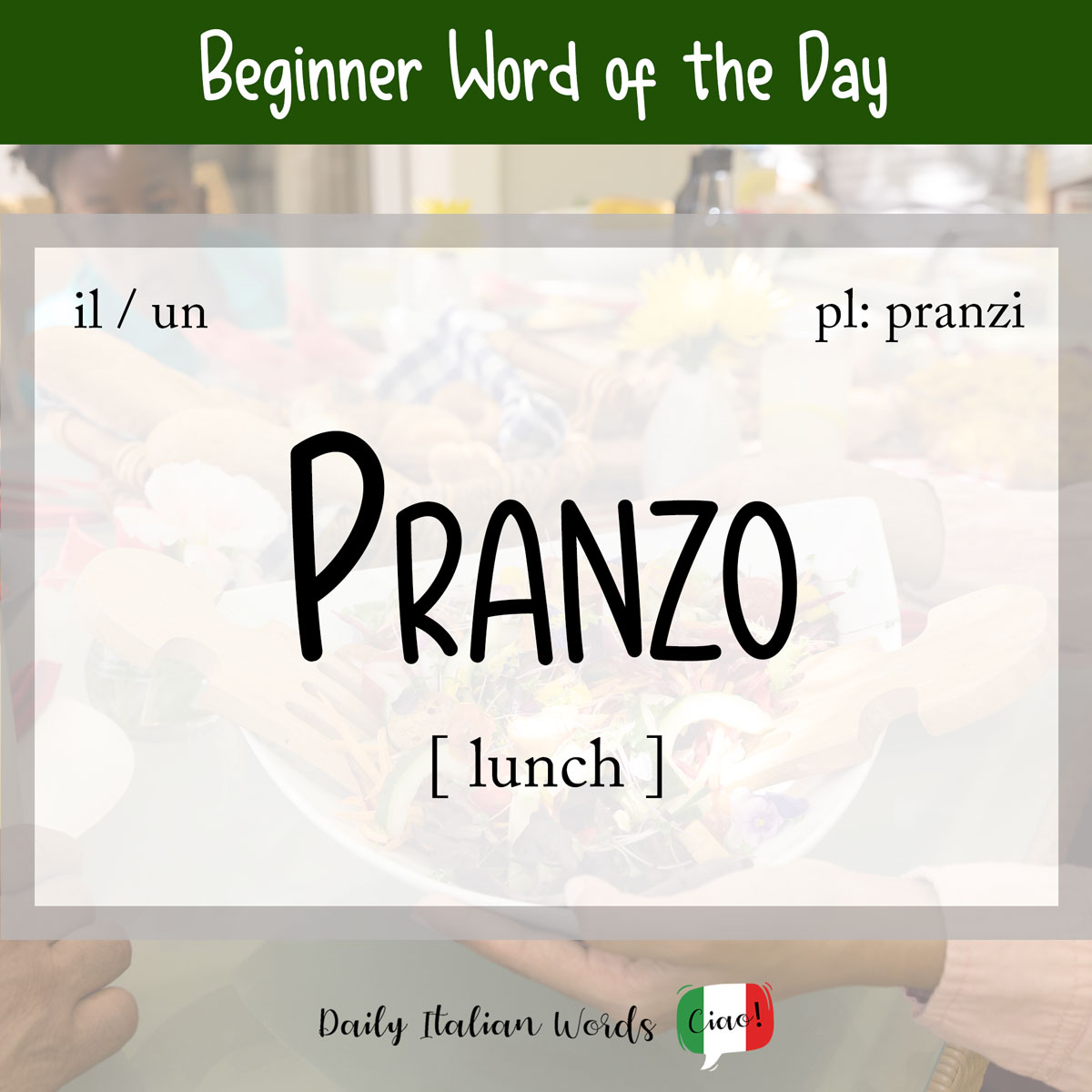
Italian Word of the Day: Pranzo (lunch)

Today we’re going to be discussing the meal that comes between colazione (breakfast) and cena (supper) which is, of course, pranzo (lunch)! Pranzo is a masculine noun that comes directly from the Latin prandium of the same meaning. It takes the following definite and indefinite articles: il pranzothe lunch un pranzoa lunch i pranzithe lunchesdei …

Read more

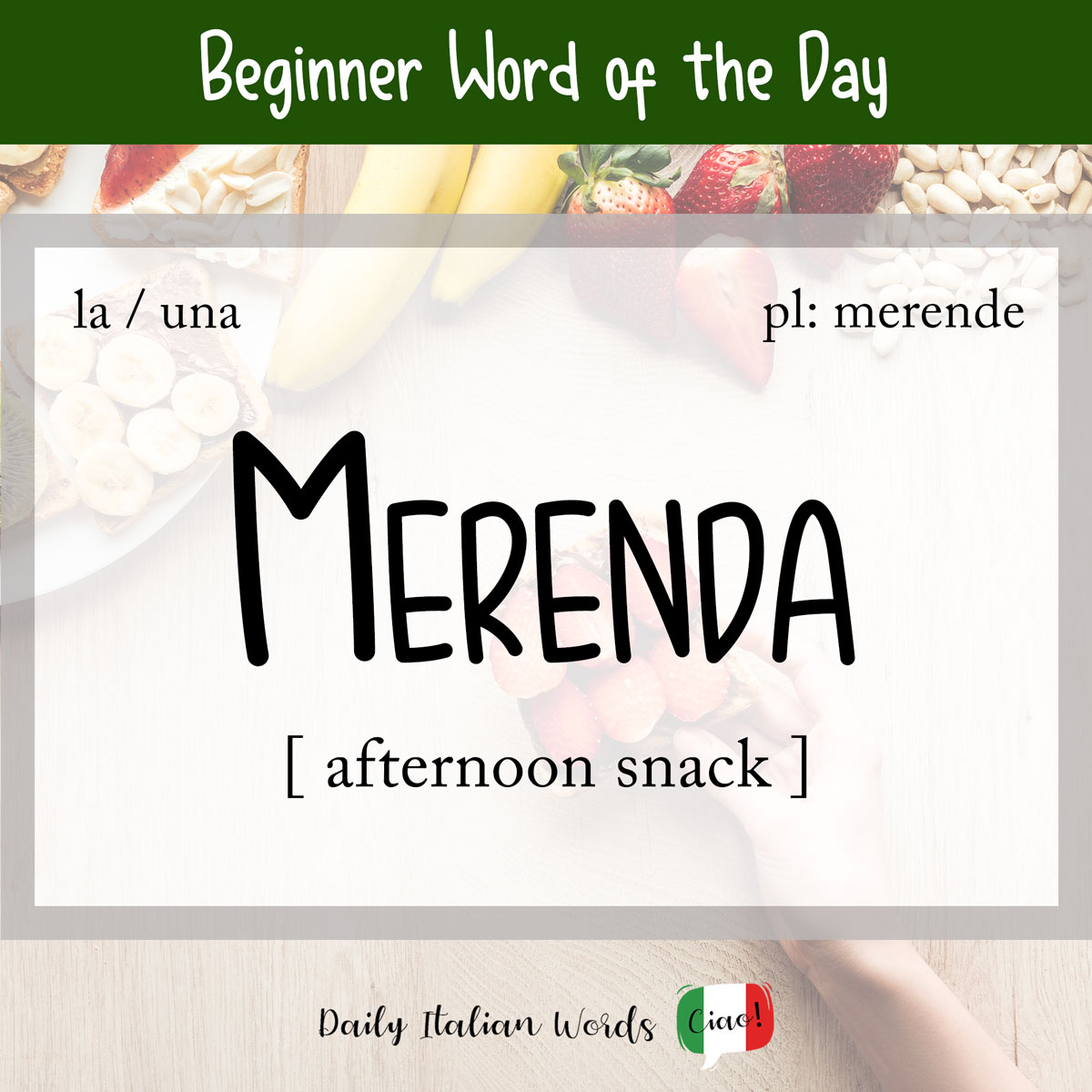
Italian Word of the Day: Merenda (afternoon snack)

In Italy, in addition to the three main meals – colazione (breakfast), pranzo (lunch) and cena (dinner) – there is a fourth that occurs between lunch and dinner called merenda. Like most words in Italian, merenda derives from the late Latin merere (to deserve), and literally means “things you have to deserve”. /me·rèn·da/ Merenda is …

Read more

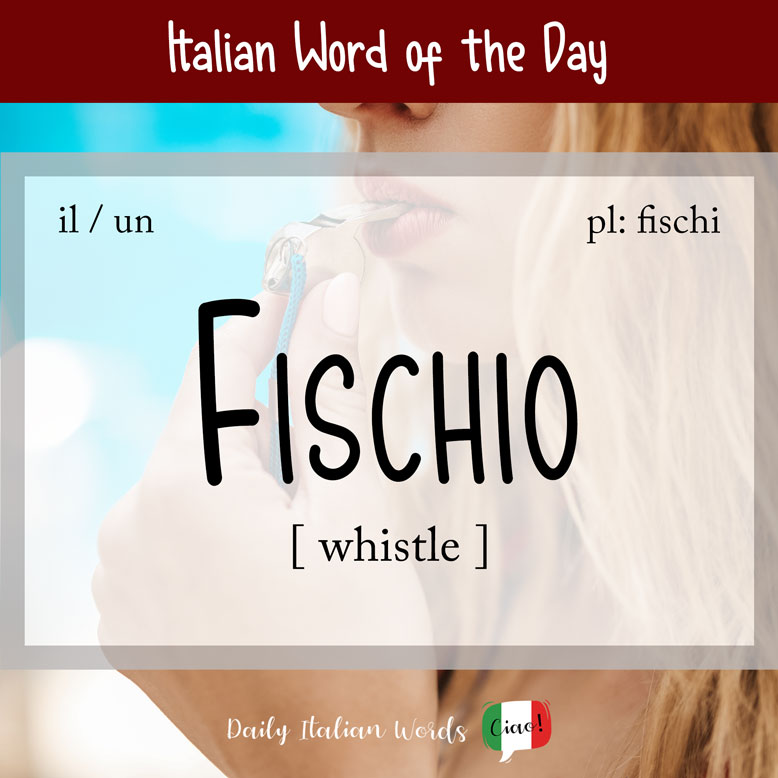
Italian Word of the Day: Fischio (whistle)

cover image with the word “fischio” and a blonde lifeguard in the pool whistling in the background

The word fischio in Italian refers to any kind of high-pitched sound emitted by blowing through the teeth and lips, in addition to a similar range of sounds emitted by birds, animals or objects. Generally we’d translate this word as whistle, but other possible translations include hiss, call, cry, or whizz. Fischio is a masculine …

Read more