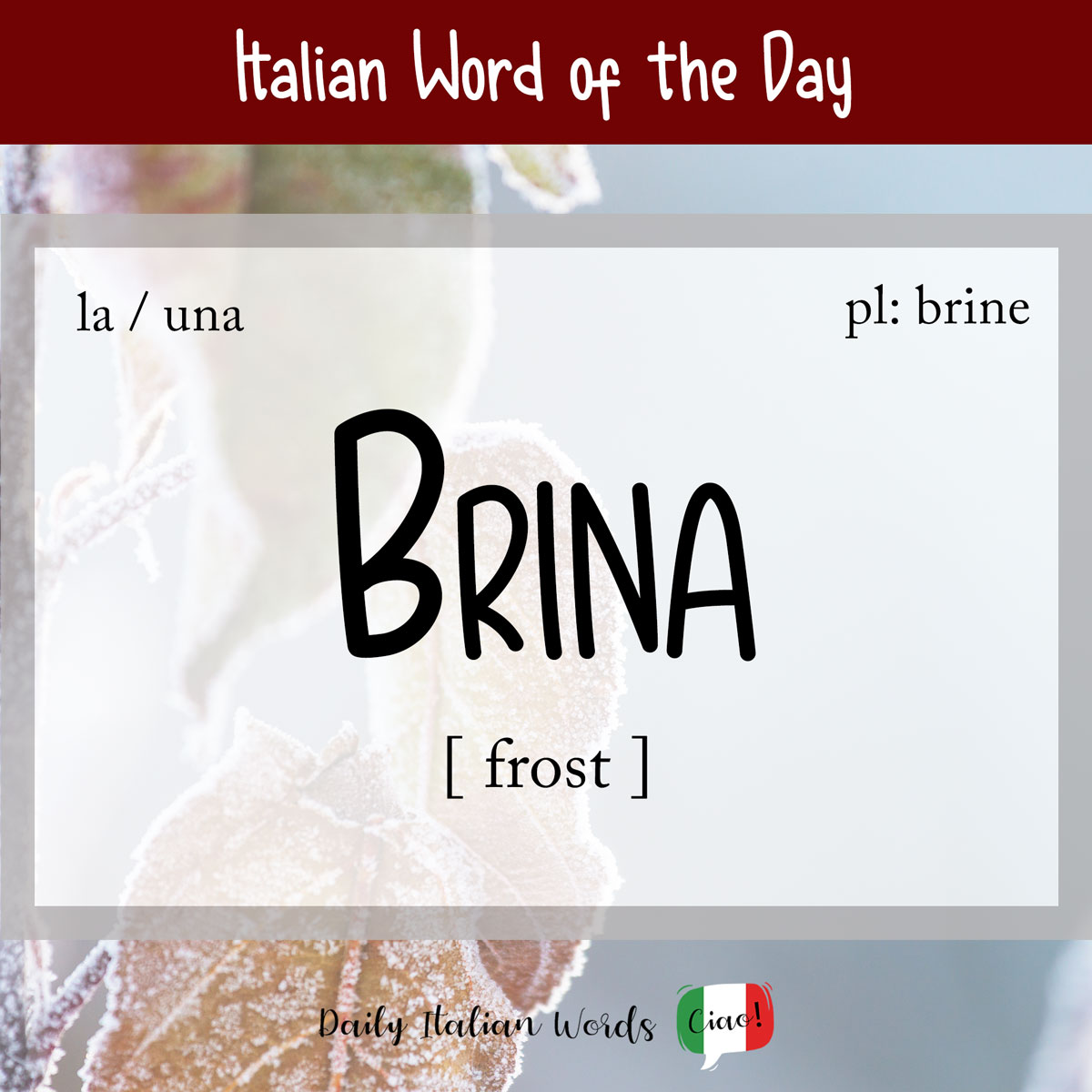
Italian Word of the Day: Brina (frost)

As I was taking my son to nursery school early this morning, I noticed him looking at the sidewalk and grass, mesmerised by the shimmering layer of brina (frost / hoarfrost) that had powdered them white overnight. Brina is a feminine noun whose plural form is brine. (Note, however, that the plural form is very …
Read more

Italian Word of the Day: Cavatappi (corkscrew / bottle opener)

The Italian word for a corkscrew or bottle opener is cavatappi. It is a compilation of the verb cavare (to remove, to extract) and tappo (cork, stopper). cavatappi corkscrew / bottle opener Cavatappi is an invariable masculine noun, which means that it keeps the same form in the singular and plural. In fact, all nouns …

Read more

Italian Word of the Day: Comportamento (behaviour)

The word comportamento in Italian generally translates as behaviour or conduct in English. It comes from the verbs comportare (to entail) and comportarsi (to behave / react). Comportamento is a masculine noun, whose plural form is comportamenti. il comportamentothe behaviour un comportamentoa behaviour i comportamentithe behaviours dei comportamenti(some) behaviours Some common types of behaviour include: …

Read more

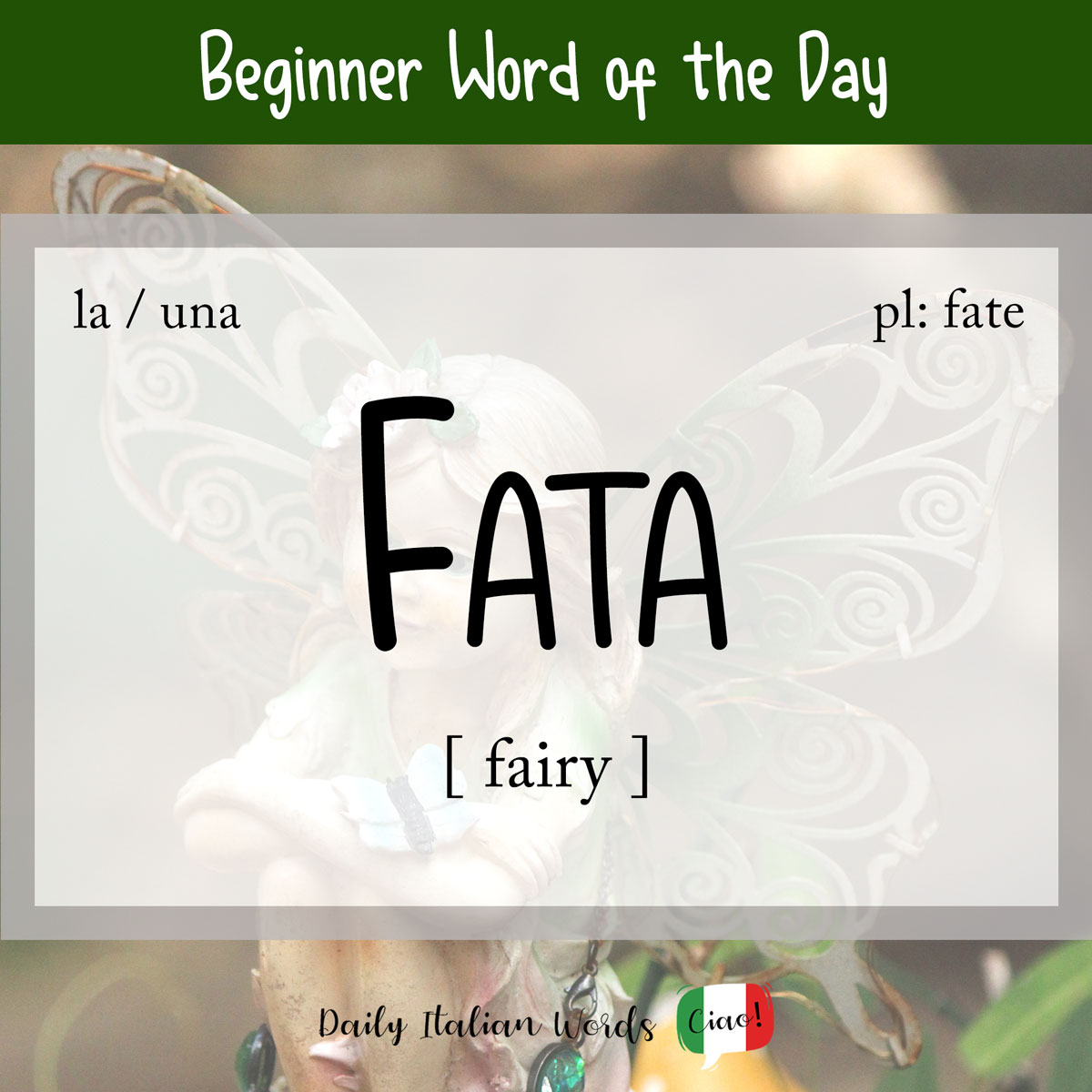
Italian Word of the Day: Fata (fairy)

The word for a fairy in Italian is fata. It comes from the Vulgar Latin fata, the neuter plural of fatum (destiny) that was later mistaken for the feminine singular form with the meaning “the deity of destiny” or “goddess of fate”. Only later did it assume the modern meaning of a mythical creature with …

Read more

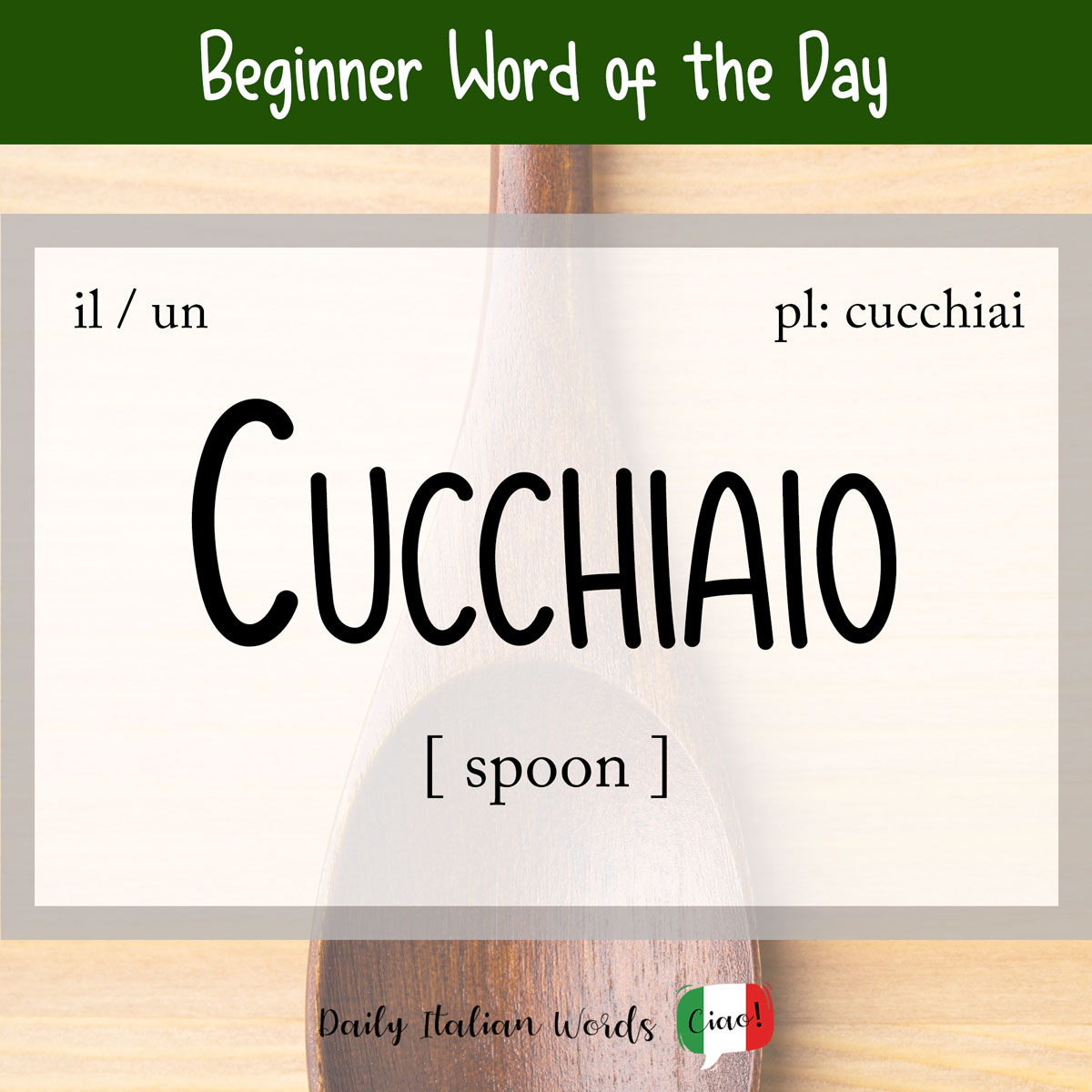
Italian Word of the Day: Cucchiaio (spoon)

The word for spoon in Italian is cucchiaio. Its origin can be traced back to the Latin cochlearium, a derivative of cochlea, which was the tool originally used to eat snails! Here are the definite and indefinite articles that accompany this masculine noun: il cucchiaiothe spoon un cucchiaioa spoon i cucchiaithe spoons dei cucchiai(some) spoons …

Read more

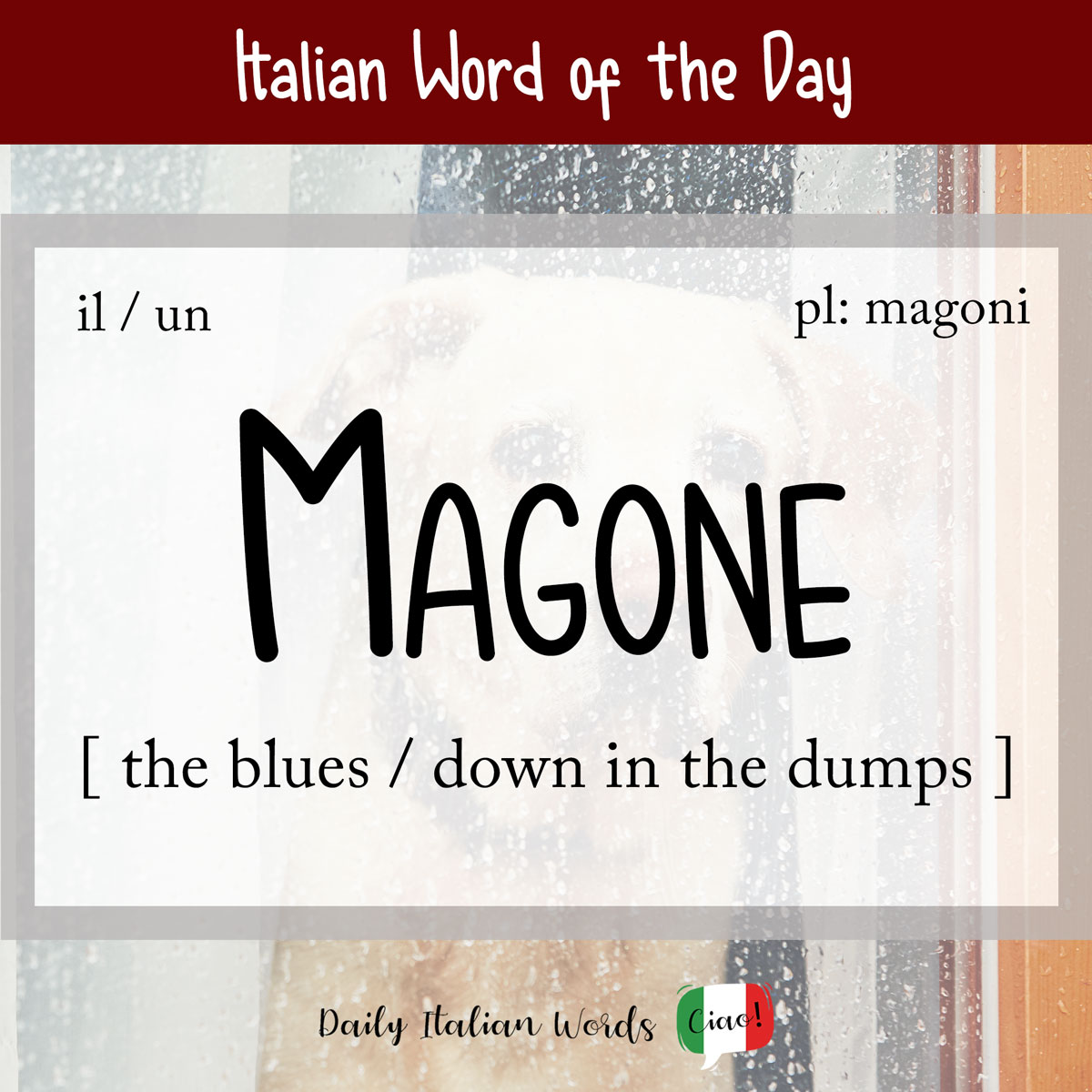
Italian Word of the Day: Magone (the blues / down in the dumps)

If you are feeling depressed, upset or anxious about something, so much so that it causes a feeling of tightness in the stomach, a great word you can use to describe the feeling in Italian is magone. Magone is a masculine noun that derives from the Lombardic mago, which in turn comes from the Proto-Germanic …

Read more