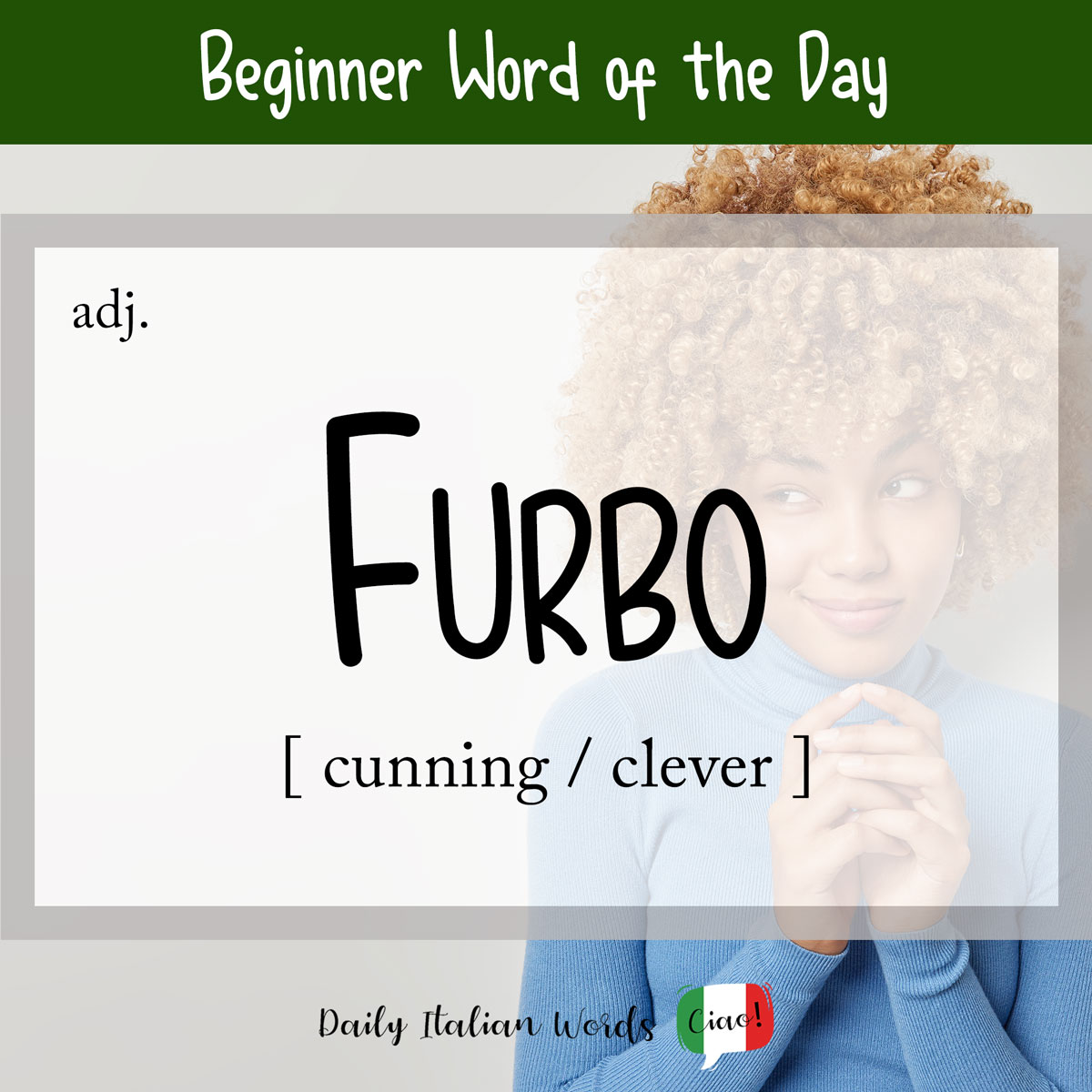
Italian Word of the Day: Furbo (cunning / clever)

The adjective furbo in Italian is used to describe a person who is good at avoiding deception and traps, getting out of dangerous situations, or working a situation to his or her advantage. In English, you could describe such a person as cunning / sly / crafty if you are being critical of them, or …

Read more

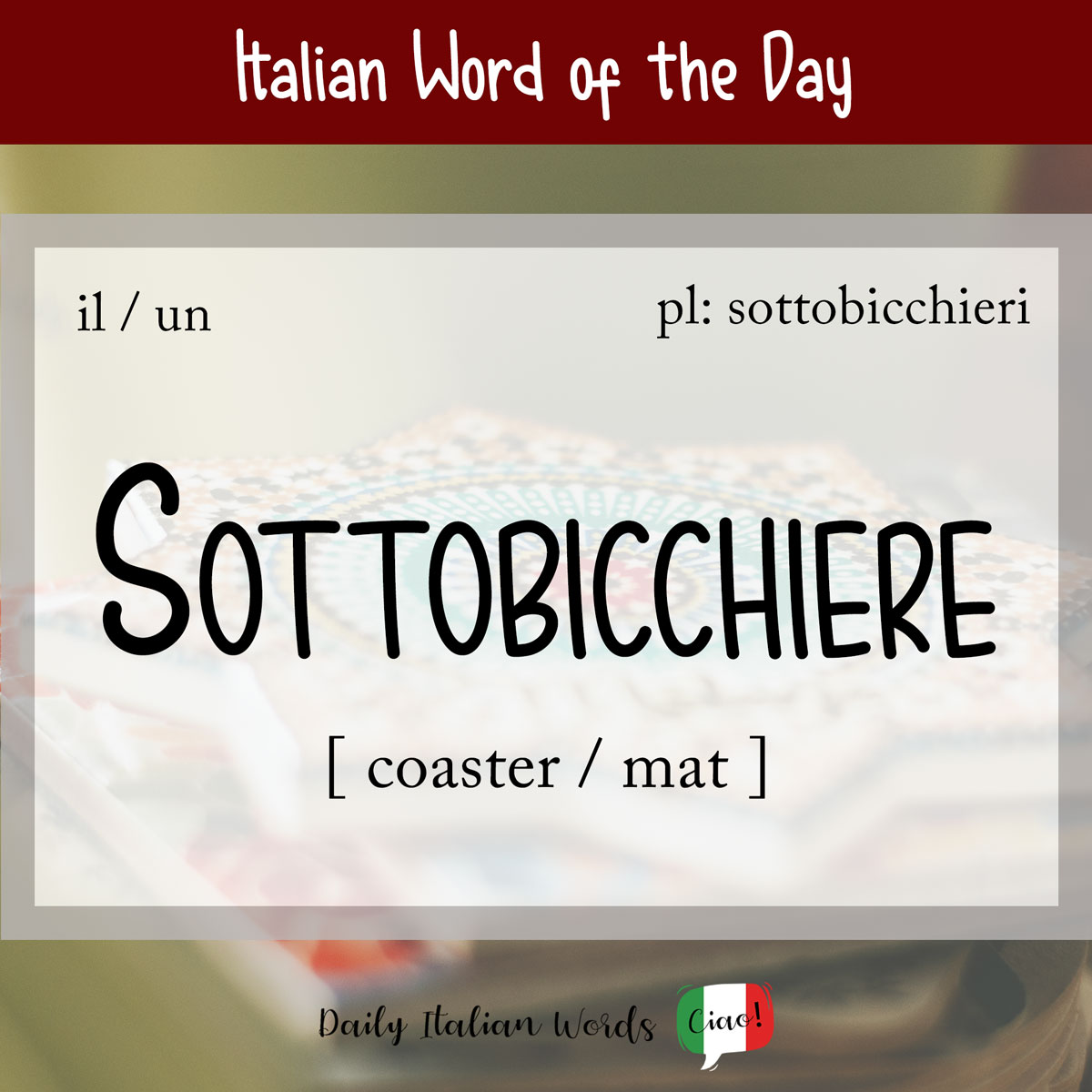
Italian Word of the Day: Sottobicchiere (coaster / mat)

The word for a mat or coaster that you put under cups, mugs, bottles and glasses to avoid staining or wetting a surface is sottobicchiere (masculine, plural: sottobicchieri) in Italian. It is the combination of two words: sotto meaning under or underneath and bicchiere meaning drinking glass. Sottobicchieri can be made of various materials, including: …

Read more

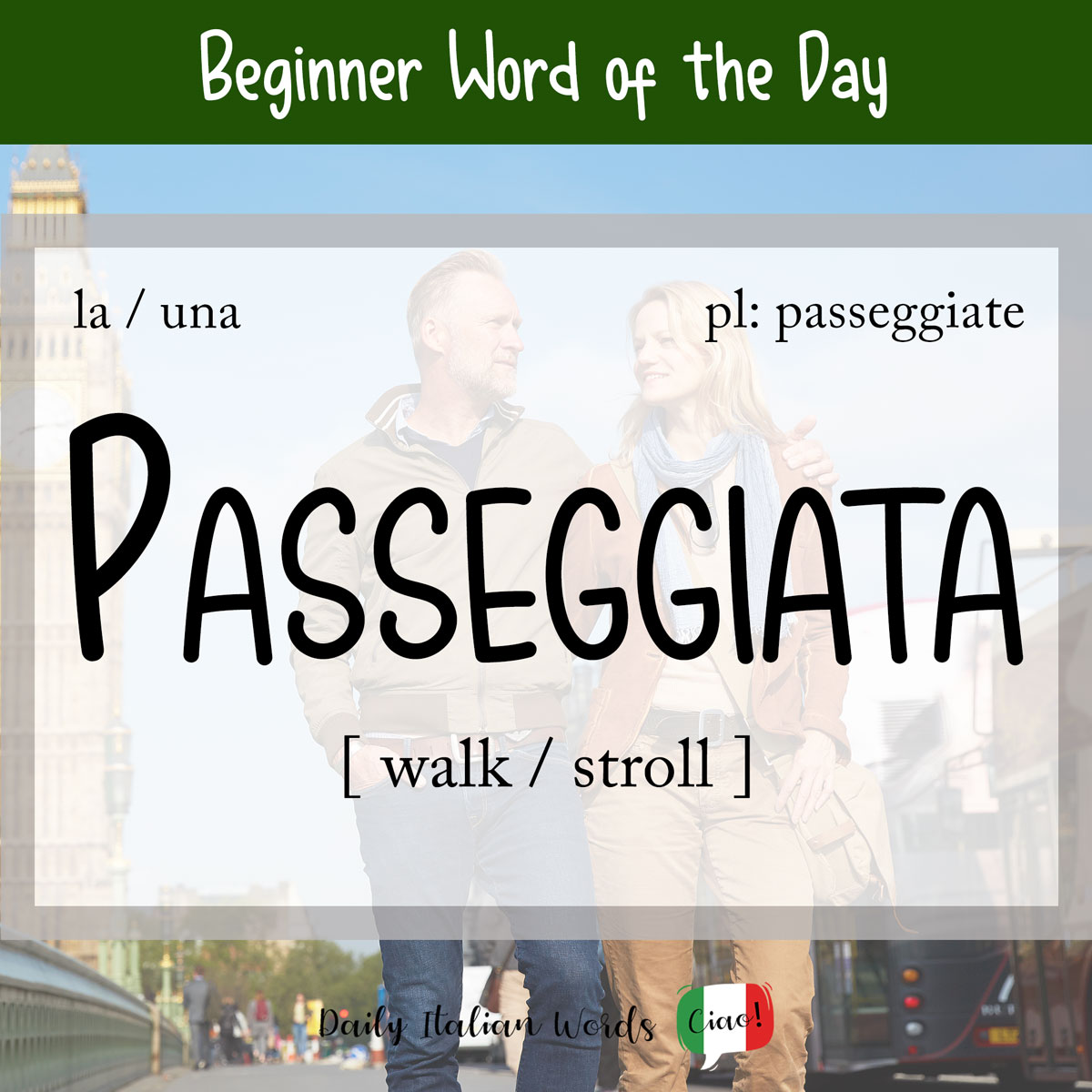
Italian Word of the Day: Passeggiata (walk / stroll)

Today we’re going to be looking at the Italian word passeggiata (feminine, plural: passeggiate) which means walk or stroll when the person in question travels on foot, or ride when they go by a means of transport such as a bus, car or horse. Learn with our video Passeggiata derives from the verb passeggiare which …

Read more

Italian Word of the Day: Mandorla (almond)

The word for almond in Italian is the lovely sounding mandorla (feminine, plural: mandorle). Both words can ultimately be traced back to the medieval Latin amandula. Mandorla shouldn’t be confused with the masculine equivalent mandorlo which is the word for the almond tree. Learn about ‘mandorla’ with our video To say that something is made …

Read more

Italian Word of the Day: Fracasso (smash / crash / uproar)

The word for the violent noise something makes when it smashes against a hard surface is fracasso (masculine, plural: fracassi) in Italian. Derived from the verb fracassare, it best translates into English as to smash. Learn about ‘fracasso’ with our video Il vaso si è rotto con gran fracasso. The vase broke with a loud …

Read more

Italian Word of the Day: Verità (truth)

The Italian word for truth is verità and it is feminine. Like all nouns ending in an accented à in Italian, the ending of the word does not change in its plural form (i.e. truths = verità). It derives from the Latin veritas and is related to English words such as verity and verify. Learn …

Read more