Italian Word of the Day: Ninnananna (lullaby)
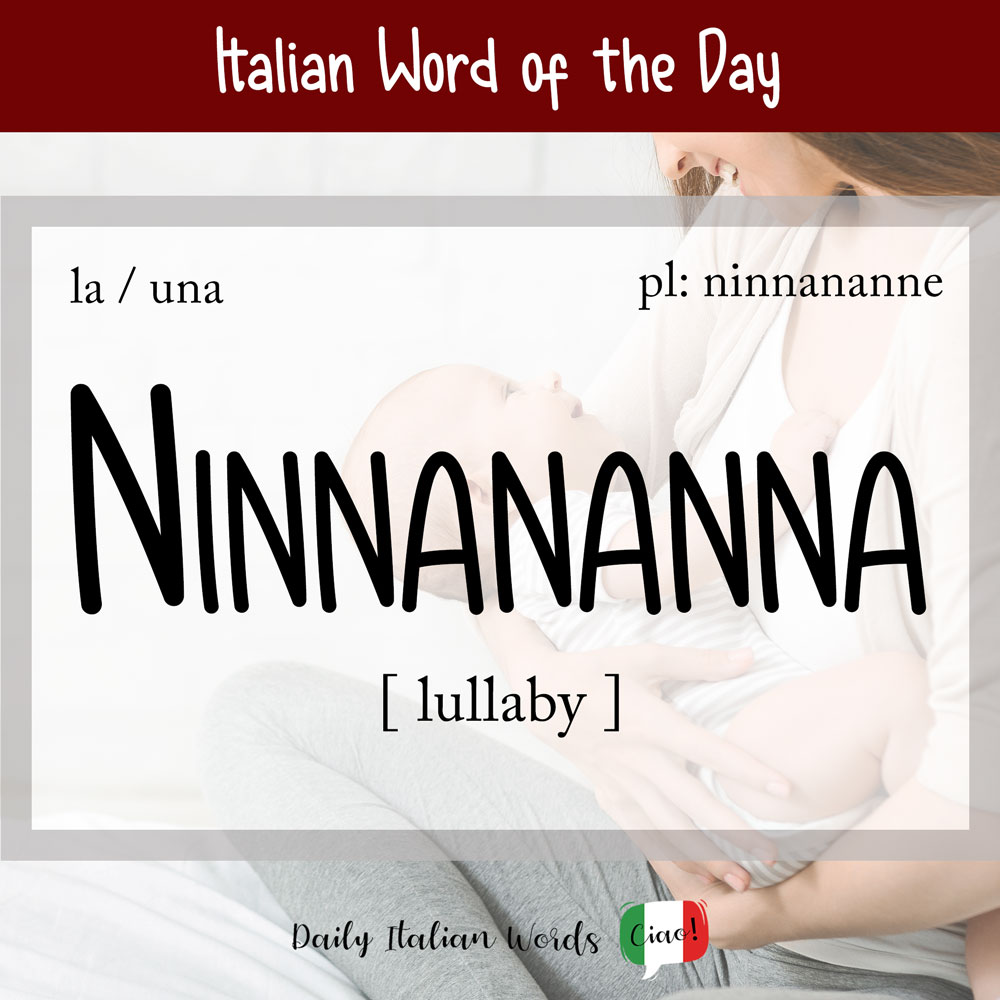
The word for a child’s lullaby or cradle song in Italian is ninnananna (feminine, plural: ninnananne), also spelled as two separate words: ninna nanna. The word is a combination of ninna and nanna, both of which are synonyms for il dormire (sleep). They are generally only appropriate for use with children unless meant in a …
Read more

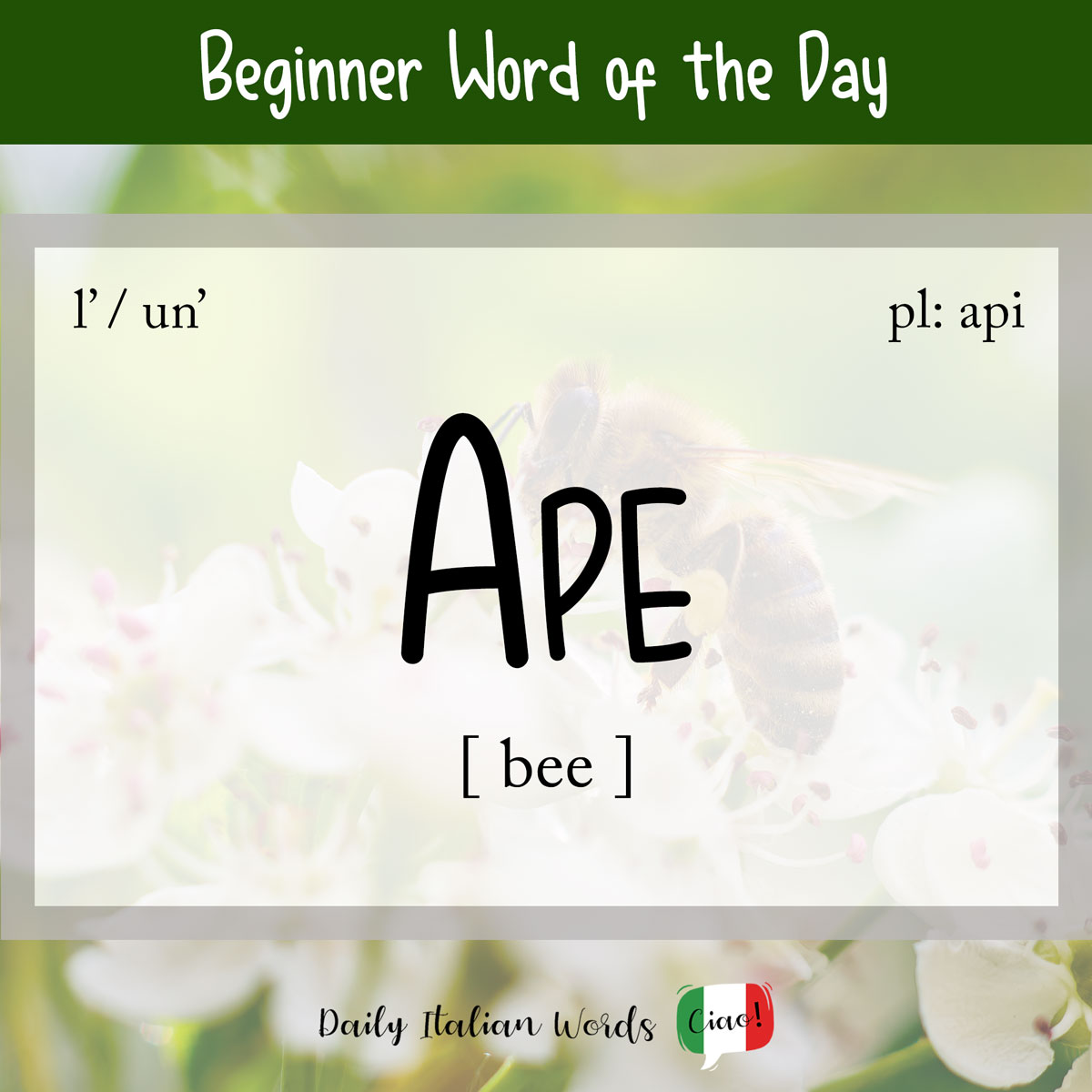
Italian Word of the Day: Ape (bee)

The word for bee in Italian is ape (feminine, plural: api). It comes from the Latin apis of the same meaning. Honeybees (api domestiche or api comuni) live in beehives (alveari) or colonies (colonie) which may consist of as few as 20,000 or more than 100,000 bees. The roles in the hive are as follows: …

Read more

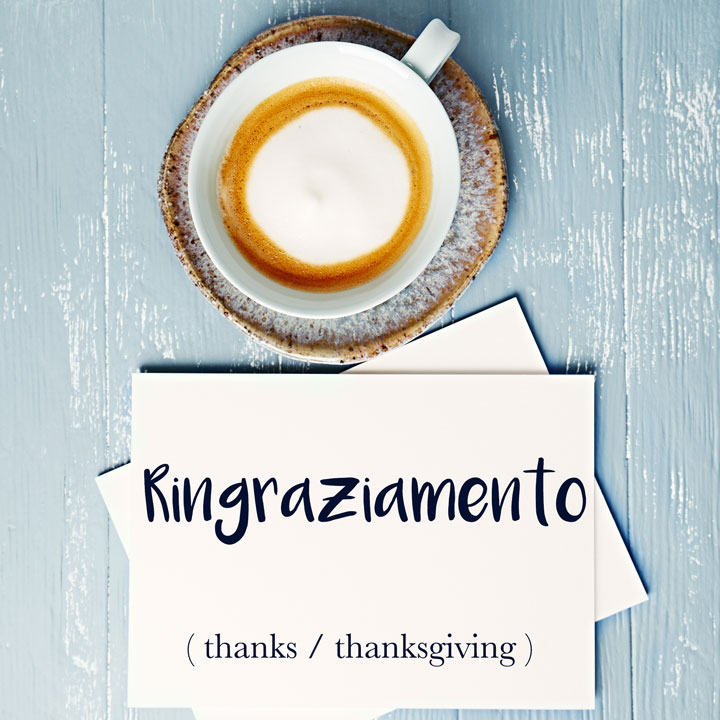
Italian Word of the Day: Ringraziamento (thanks / thanksgiving)

In celebration of Thanksgiving, we’ve chosen ringraziamento (masculine, plural: ringraziamenti) as today’s Italian word of the day. Formed of the verb ringraziare (to thank) and the suffix -mento, it translates as thanks / thank-you, thanksgiving or gratitude. Below are some useful verbs you’ll often see paired with ringraziamento: fare i (propri) ringraziamenti = to thank, …

Read more

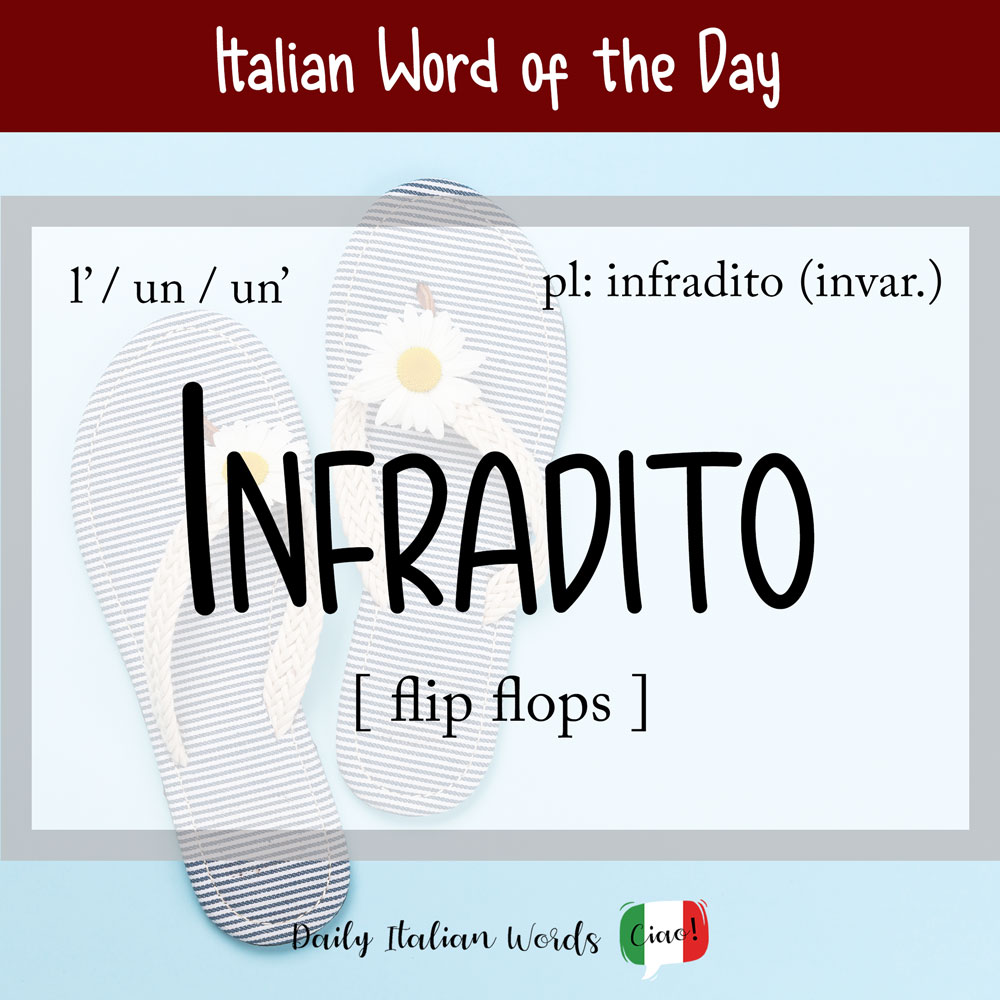
Italian Word of the Day: Infradito (flip-flops)

Infradito is a type of summer shoe in leather, rubber, straw or plastic, in which the sole is secured to the foot by a strip (called a toe post) that passes between the big toe and the second toe. In English, we call these shoes flip-flops, thong sandals or toe-post sandals depending on the style. …

Read more

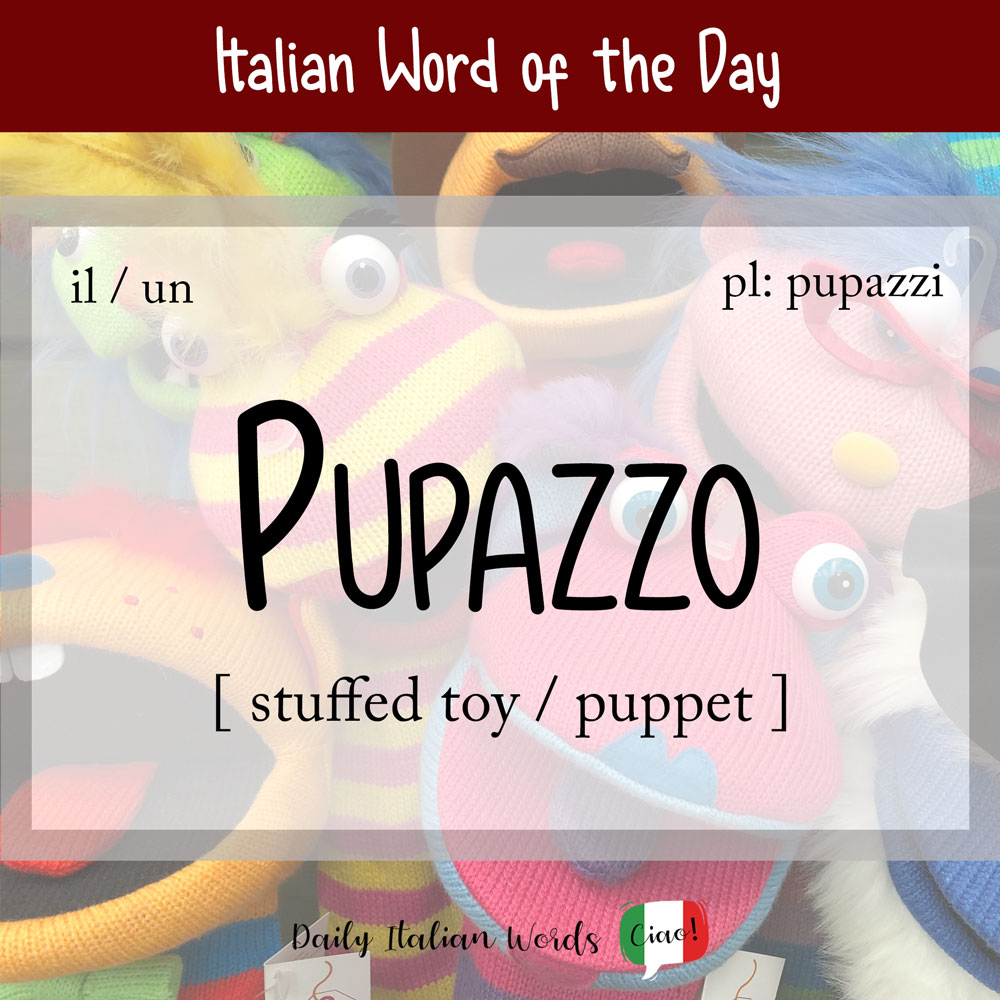
Italian Word of the Day: Pupazzo (puppet / stuffed toy)

Pupazzo (masculine, plural: pupazzi) is the Italian word for any model or toy that represents the form of a person or animal. Puppet is just one possible translation but stuffed toys, dummies, figurines, and dolls may also be classified as pupazzi. The word is a combination of the term pupo (another word for puppet and, …

Read more

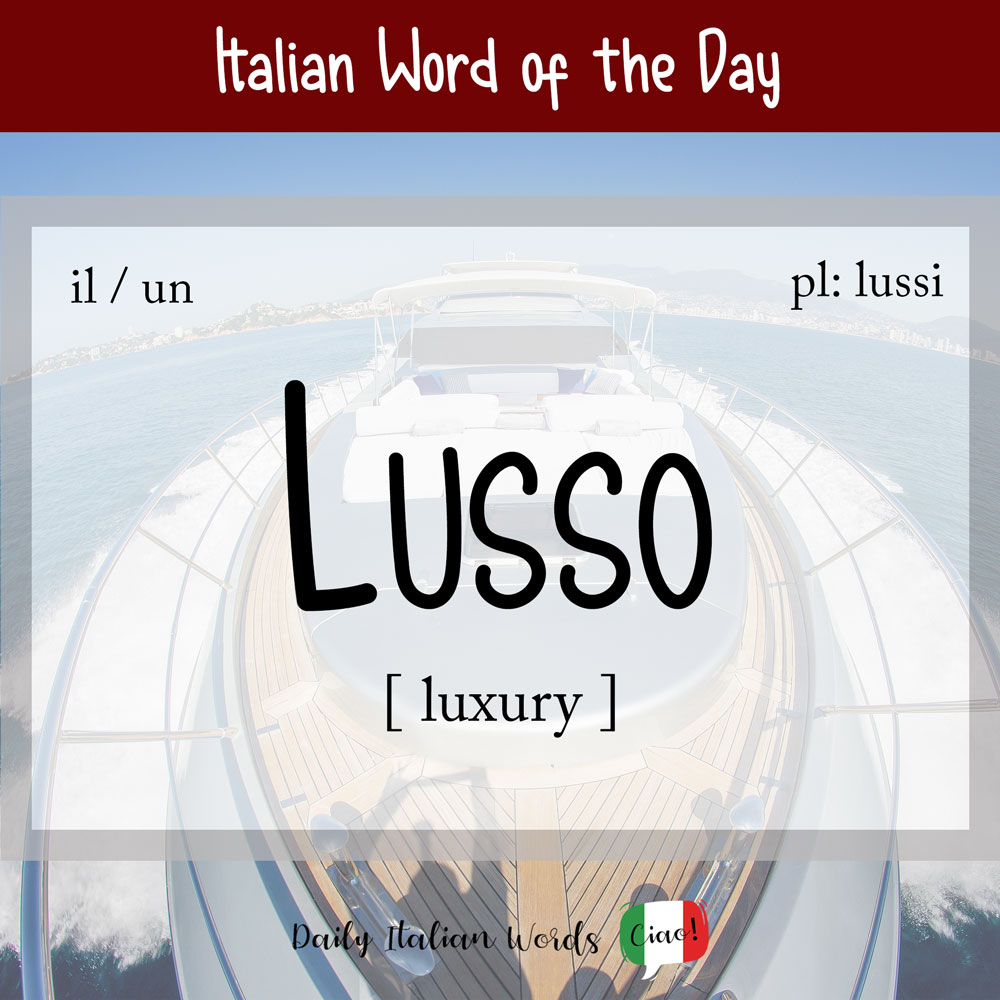
Italian Word of the Day: Lusso (luxury)

The Italian word for luxury is lusso (masculine, plural: lussi). Both English and Italian terms can be traced back to the Latin luxus meaning ‘excess‘. Some common verbs you’ll often see paired with lusso include: Andare in vacanza è un lusso che non tutti possono permettersi. Going on vacation is a luxury that not everyone …

Read more