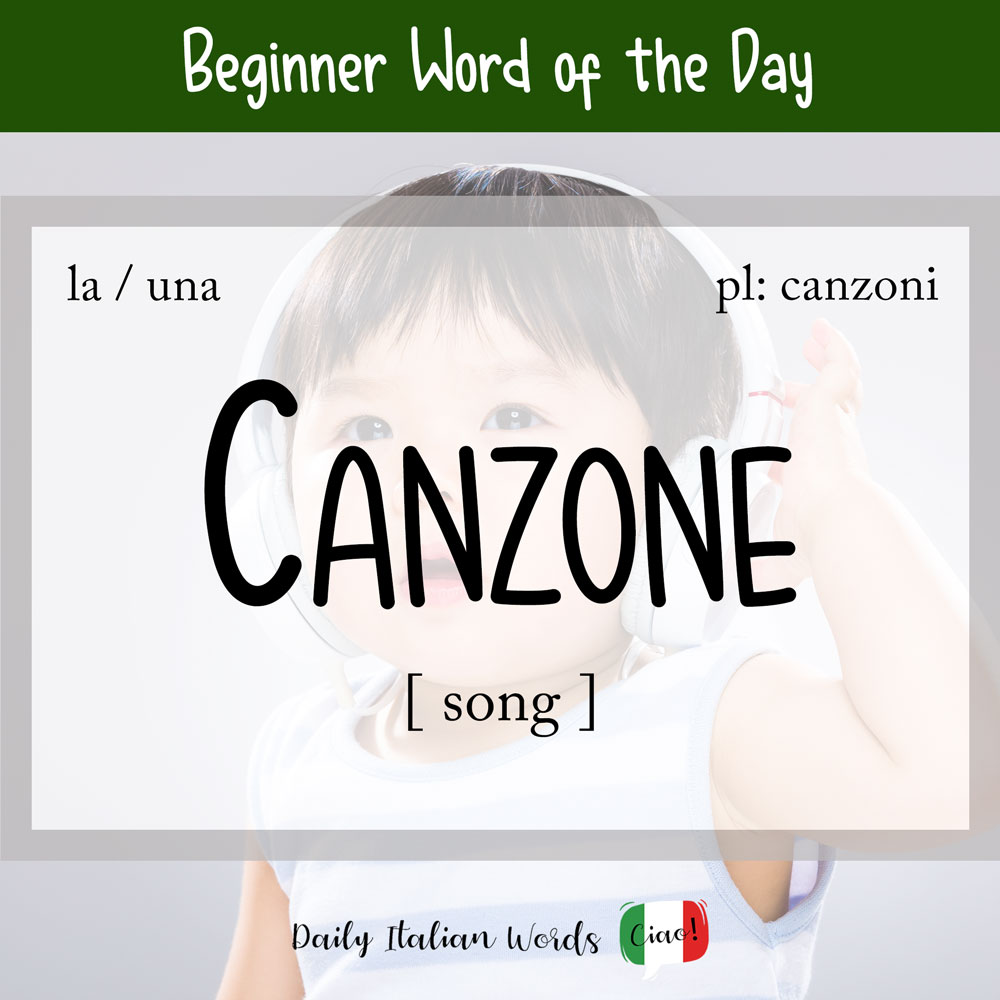
Italian Word of the Day: Canzone (song)

One of the most enjoyable and effective ways of learning new words and expressions in Italian is to familiarise yourself with all the best canzoni (feminine, singular: canzone). The word canzone (song) comes from the verb cantare which means to sing. Some other related terms include the diminutive canzoncina (a cute or simple song), canto …

Read more

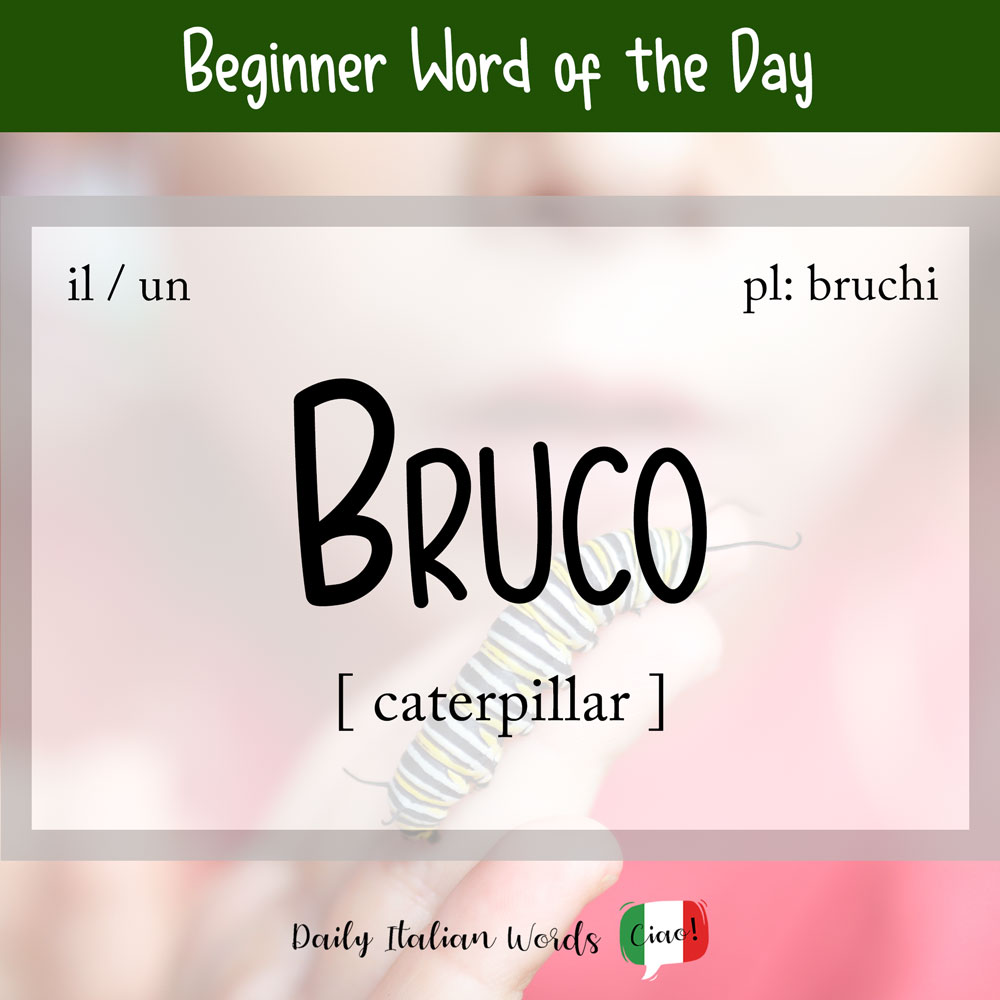
Italian Word of the Day: Bruco (caterpillar)

As children, many of us are fascinated with the process by which a bruco (masculine, plural: bruchi) – the Italian word for caterpillar – turns into a butterfly (farfalla). The story begins with a caterpillar hatching from an egg (uovo). The caterpillar then stuffs itself with leaves, growing fatter and longer until one day, it …

Read more

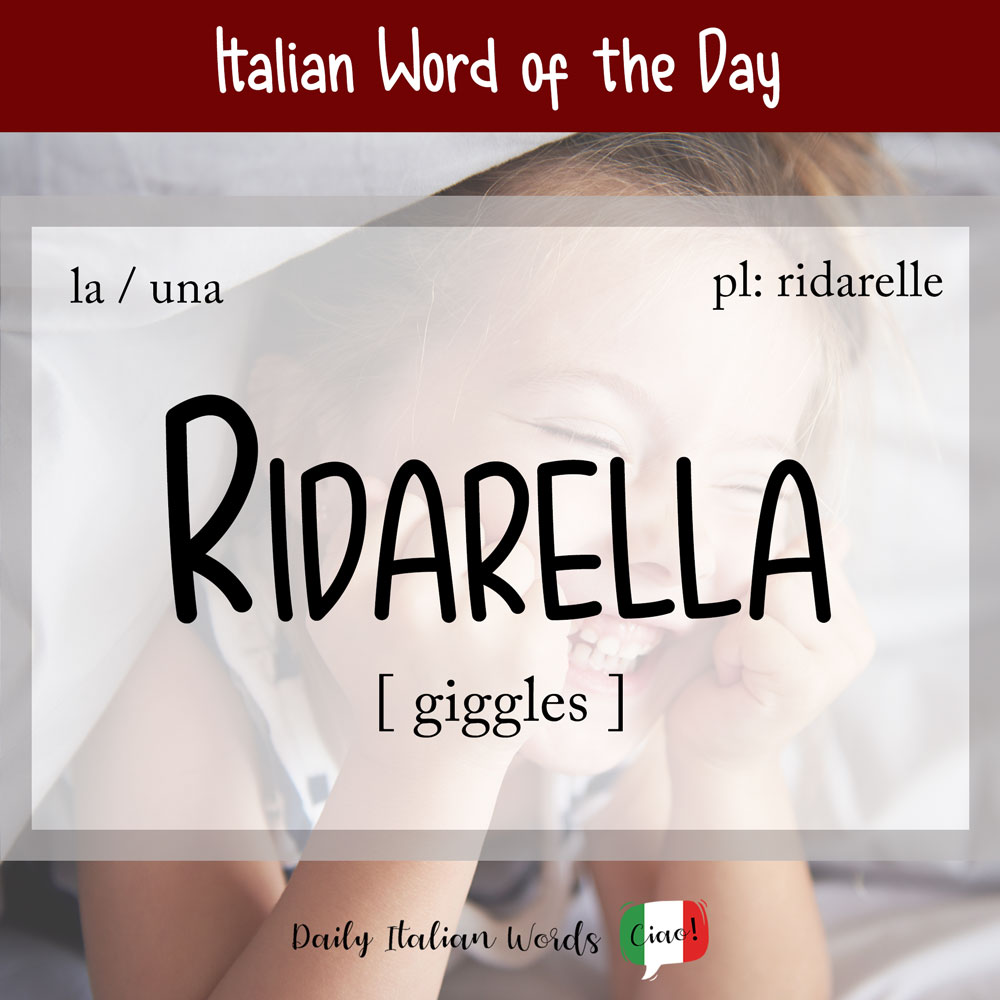
Italian Word of the Day: Ridarella (giggles)

At some point in time, we’ve all found ourselves laughing uncontrollably at a funny situation or a hilarious joke. In English, we call this unstoppable laughter the giggles whereas in Italian, it is called la ridarella (feminine). The word comes from the verb ridere meaning to laugh. To say that you’ve got the giggles in Italian, …

Read more

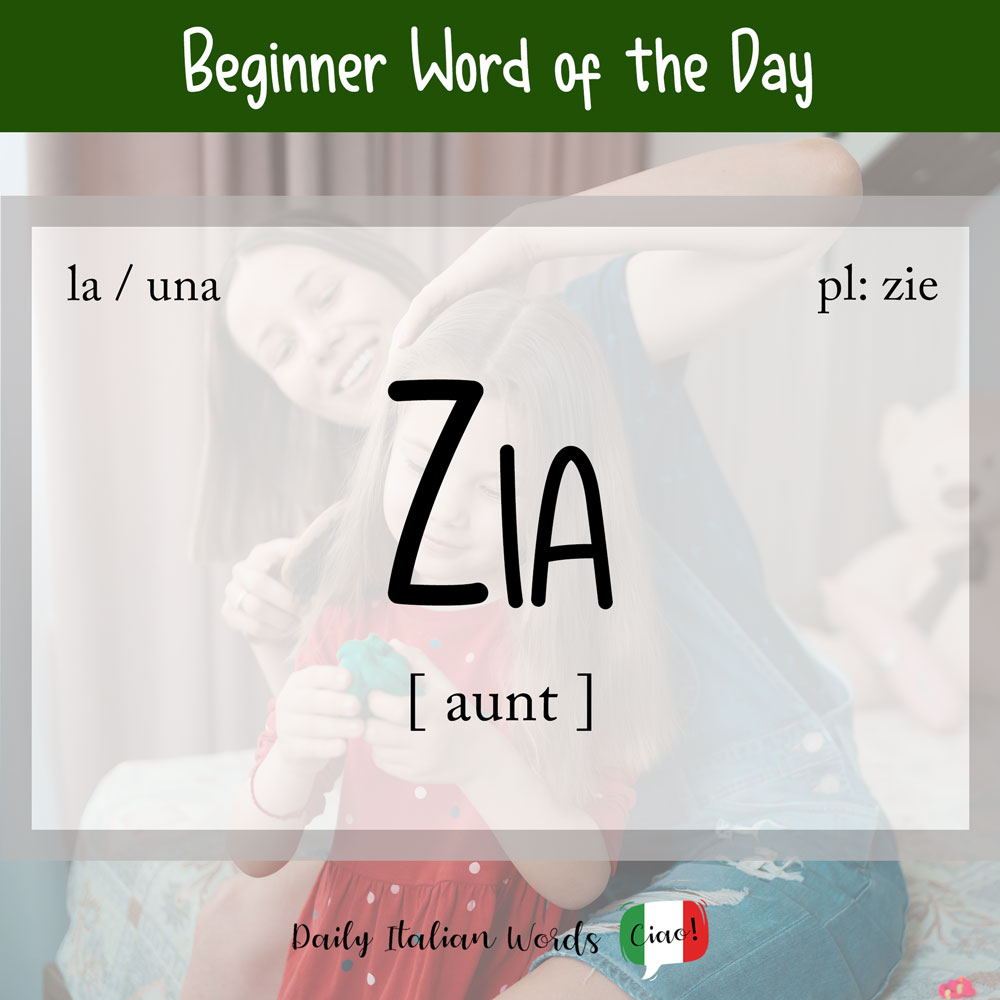
Italian Word of the Day: Zia (aunt)

The word for aunt in Italian is zia (feminine, plural: zie). It comes from the Latin word thia and, as in English, is used to describe the sister of one’s mother or father, or the wife of one’s uncle (zio). To describe the latter, the term zia acquisita (aunt by marriage) is often used. Mia zia abita in Italia da dieci anni. My aunt …

Read more

Italian Word of the Day: Panetteria (bakery)

When I lived in Turin, I always looked forward to paying a visit to my local panetteria (feminine, plural: panetterie), which is the Italian word for bakery. In addition to various types of homemade bread (pane), the counter was always piled up with breadsticks (grissini), pastries (pasticcini), slices of focaccia, farinata and pizza, and various …

Read more

Italian Word of the Day: Bisogno (need)

One of the most useful words you’ll come across in the Italian language is bisogno (masculine, plural: bisogni). On its own, it translates as need or desire but when combined with the verb avere (to have) and the preposition di (of ) or the conjunction che (that), it corresponds to the verb to need. The …

Read more