Italian Word of the Day: Estate (summer)

The word for summer in Italian is estate (feminine, plural: estati). estate What is considered the first day of summer (il primo giorno d’estate) depends on whether you are using the meteorological (meteorologico) or astronomical (astronomico) definition of the seasons. According to the meteorological definition, summer always begins on June 1st and lasts until August …
Read more

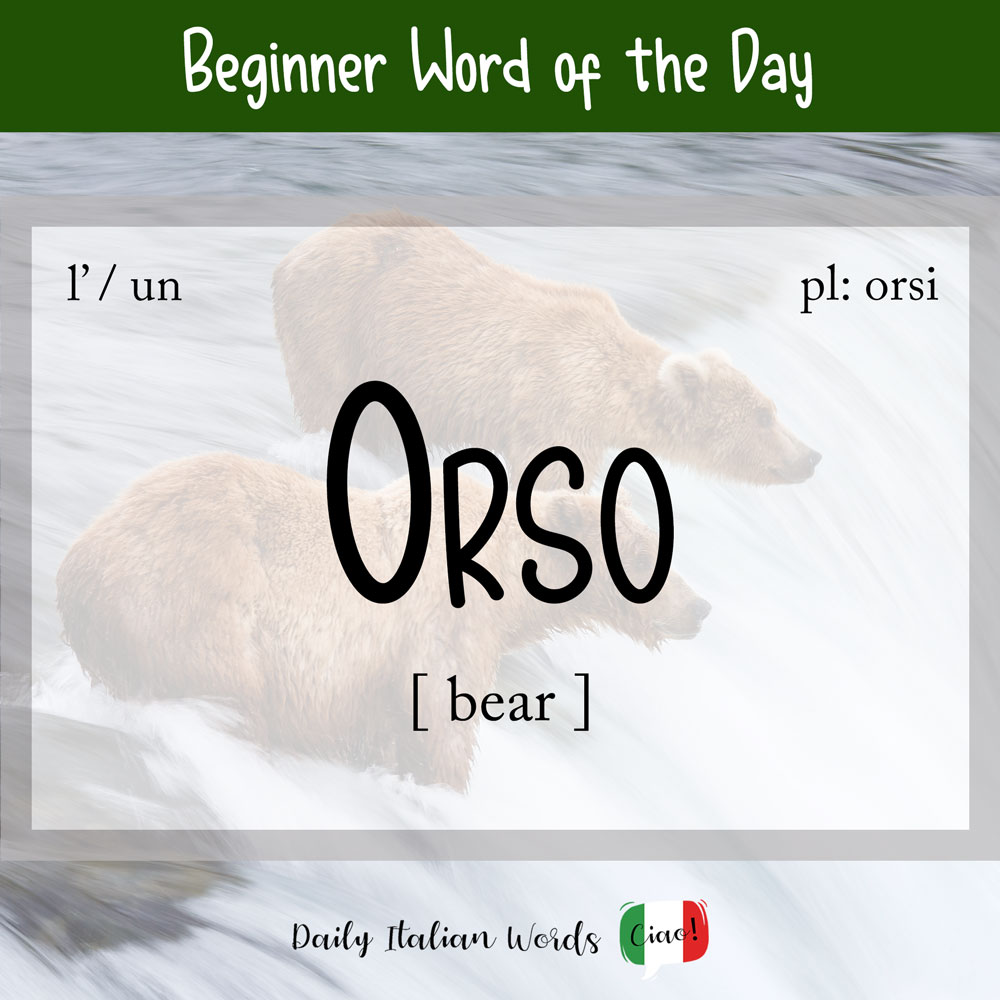
Italian Word of the Day: Orso (bear)

The word for bear in Italian is orso and it derives from the Latin word ursus. It is a masculine noun that takes the following definite and indefinite articles: Today only eight species of bear are still in existence: Bears – like humans – tend to be omnivorous (onnivoro) with the only exceptions being the …

Read more

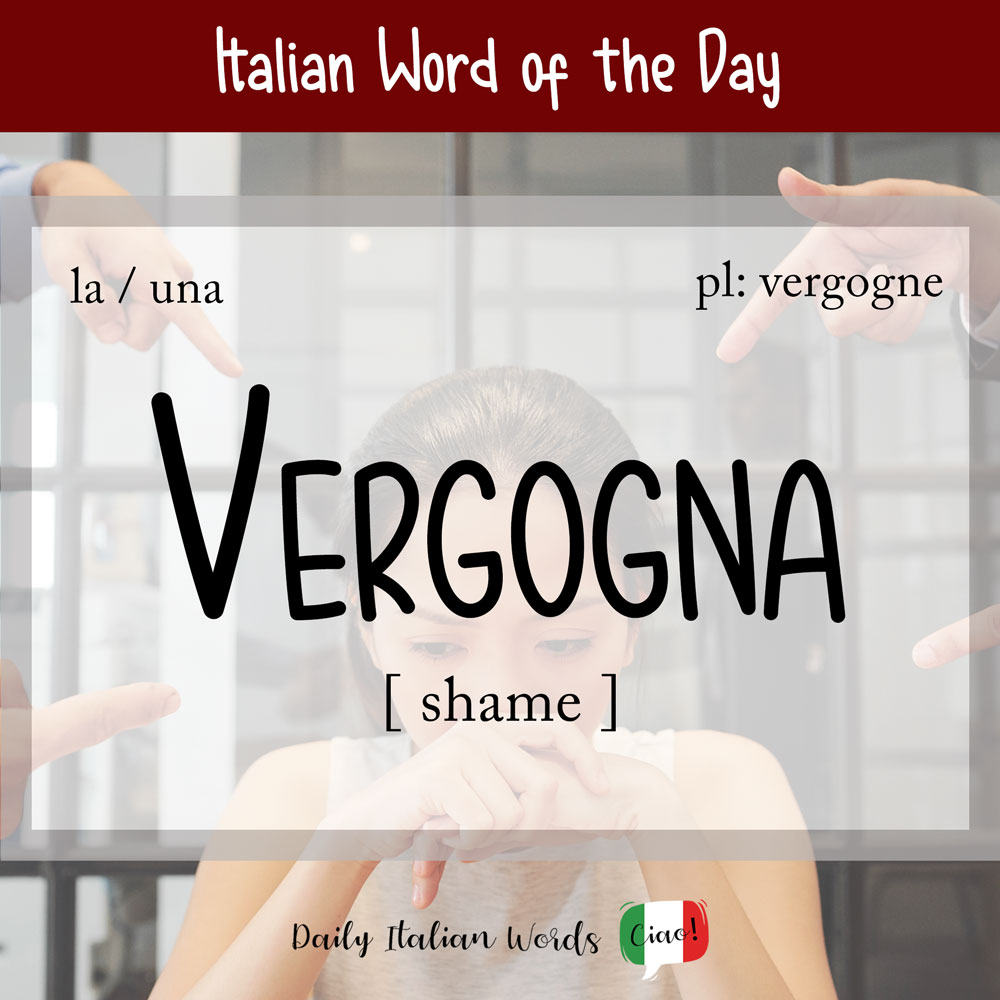
Italian Word of the Day: Vergogna (shame / disgrace)

Vergogna is a very useful Italian noun that translates as shame, disgrace or embarrassment in English depending on the context. vergogna shame Vergogna is a feminine noun and takes the following definite and indefinite articles: Below are a few common verbs you’ll see is the company of vergogna: Non provi neanche un po’ di vergogna …

Read more

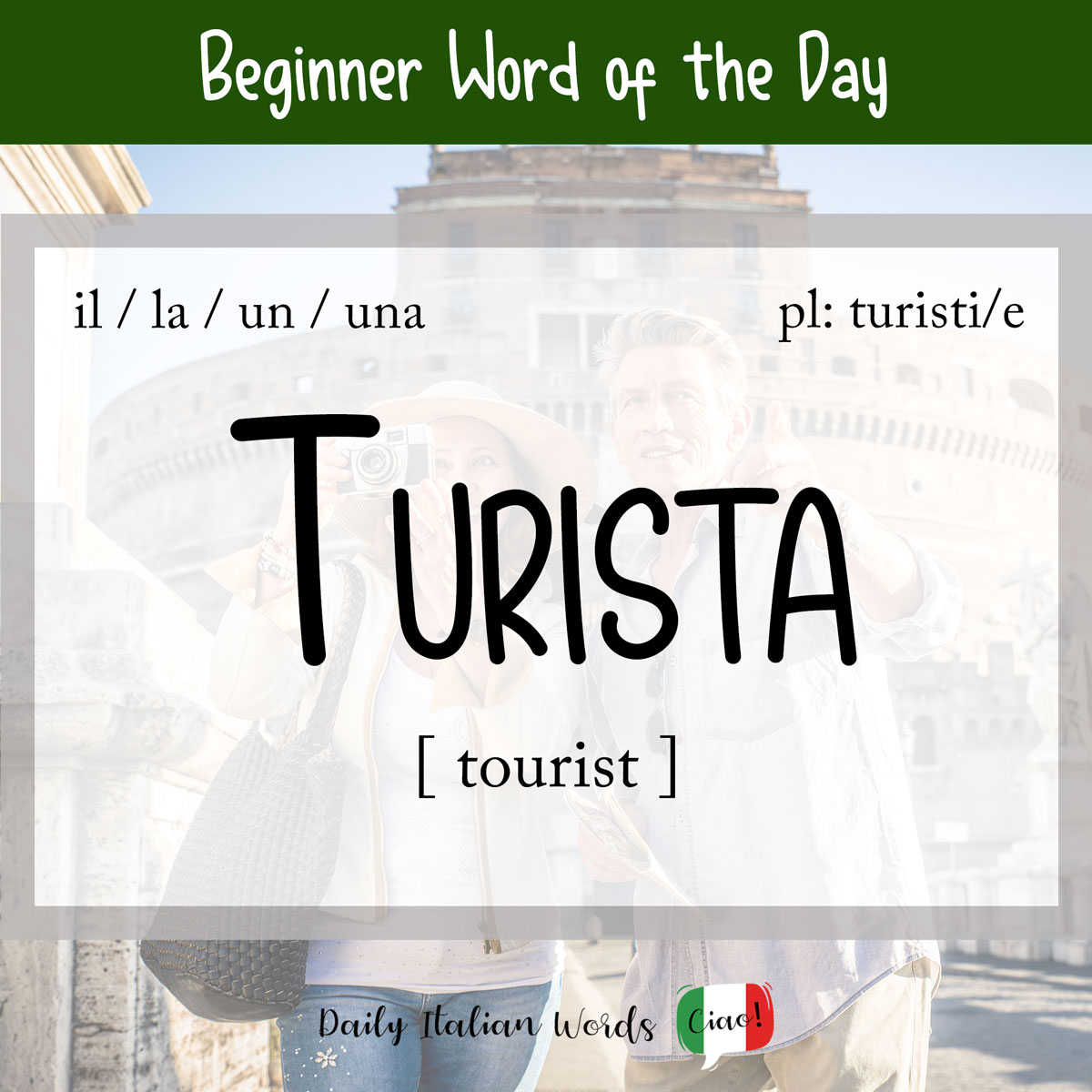
Italian Word of the Day: Turista (tourist)

Tourism is one of Italy’s most profitable industrial sectors, with an estimated 47.7 million turisti (tourists, singular turista) visiting the country every year. That makes it the fifth most visited country in the world! An interesting fact about the word turista is that unlike many Italian words, it derives not from Latin but rather from …

Read more

Italian Word of the Day: Cielo (sky)

The most literal meaning of the Italian word cielo (masculine, plural: cieli) in English is sky. There are various ways of describing the sky in Italian depending on the atmospheric conditions and the time of day: Il cielo è coperto di nuvole oggi. The sky is filled with clouds today. A common expression in Italian …

Read more

Italian Word of the Day: Maledizione (curse)

Italian word for 'curse'

The word for curse in Italian is maledizione. It is composed of two parts: male (meaning bad or evil) and dizione (meaning diction or speech). maledizione curse Maledizione is a feminine noun whose plural form is maledizioni. It takes the following definite and indefinite articles: Related to the noun is the verb maledire (lit: to …

Read more