Italian Word of the Day: Ombrello (umbrella)
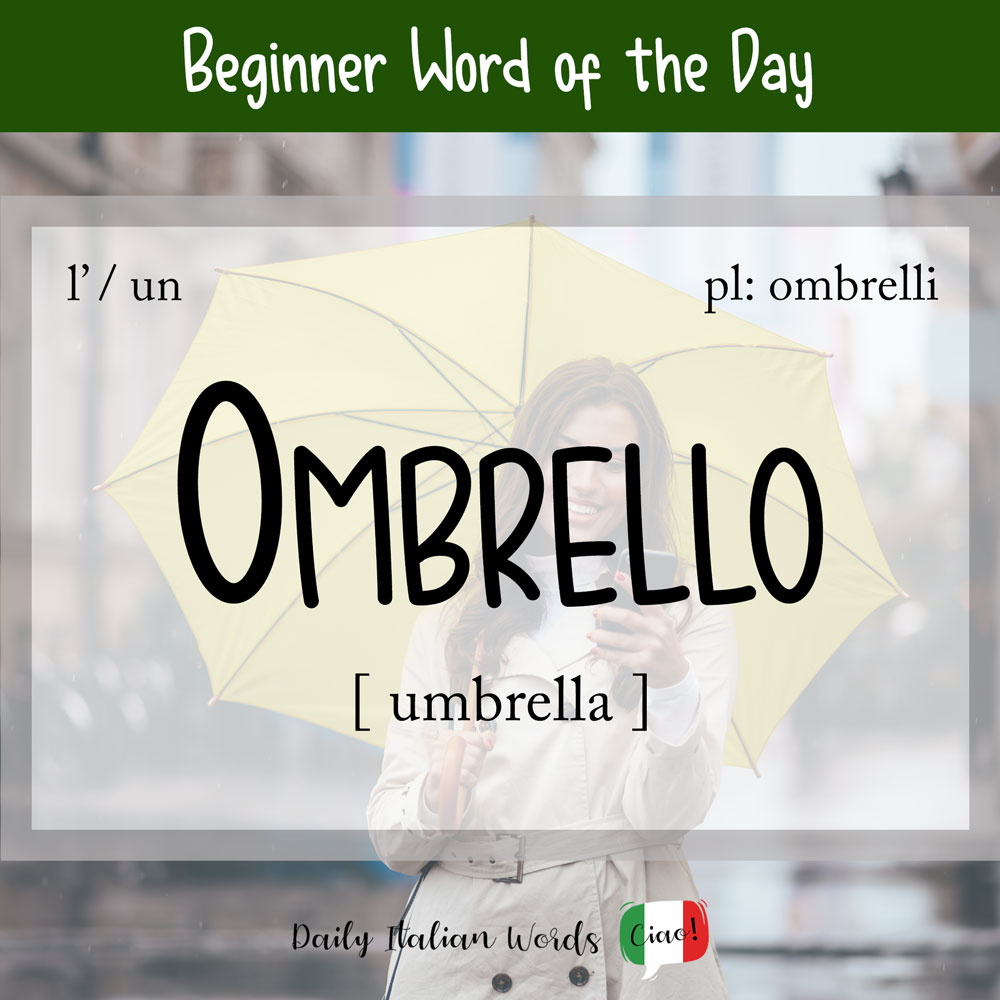
Today’s word is useful on both sunny and rainy days! Ombrello (masculine, plural: ombrelli), which is the word for umbrella in Italian, is the diminutive form of ombra meaning shade and comes from the Latin umbra of the same meaning. The ombrello da pioggia (rain umbrella) can also be called a parapioggia or paracqua in …
Read more

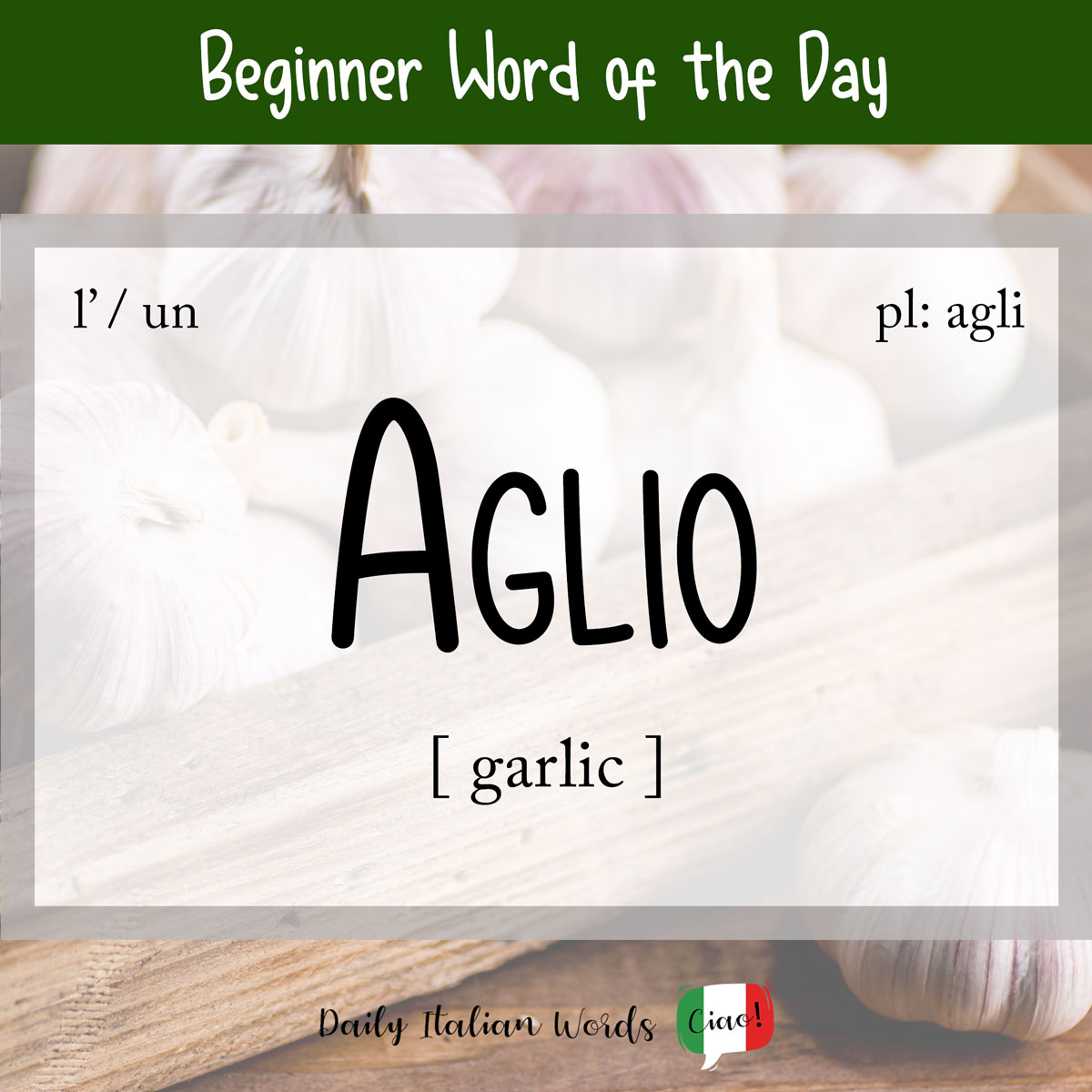
Italian Word of the Day: Aglio (garlic)

One of the key ingredients in most Italian dishes is aglio, the word for garlic in Italian. A bulb of garlic in Italian is testa d’aglio, which literally translates as a “head of garlic”, and each bulb is made up of a number of spicchi d’aglio (garlic cloves). Pensi che io abbia messo troppo aglio …

Read more

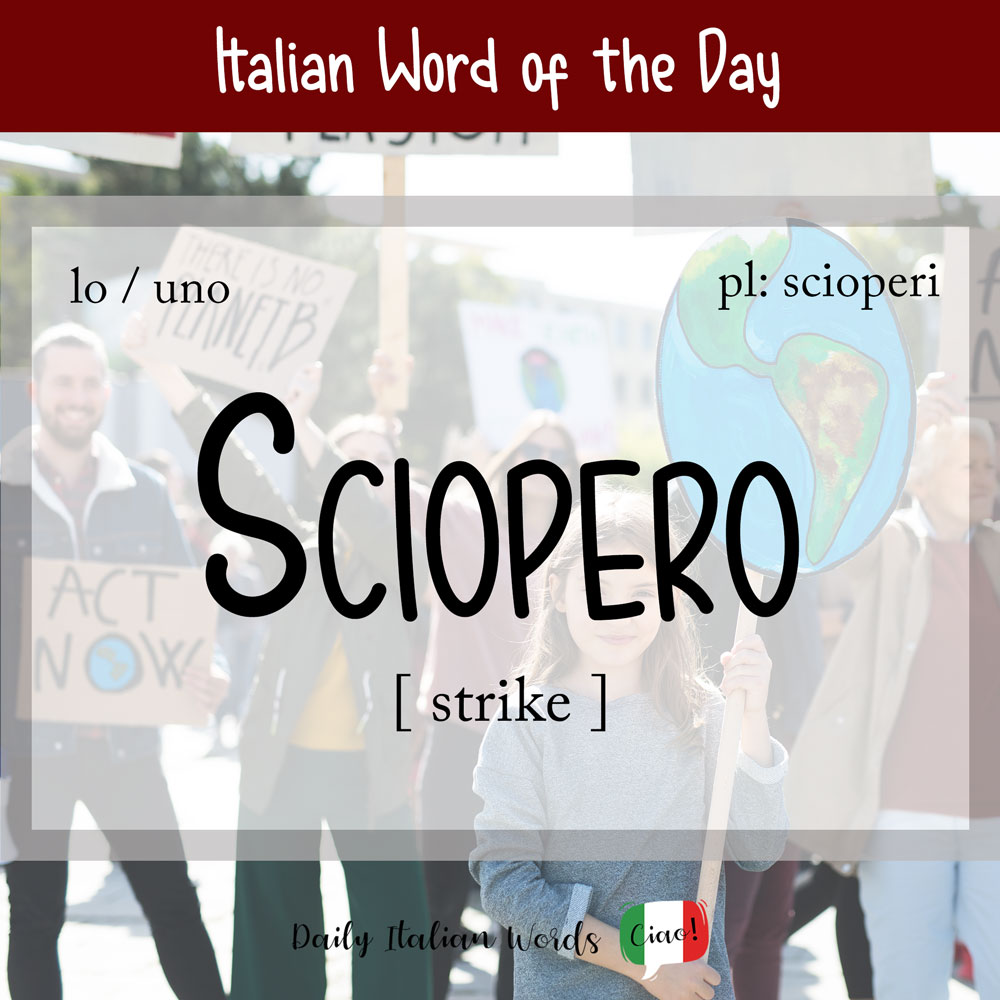
Italian Word of the Day: Sciopero (strike)

When a group of employees refuses to work as a form of organised protest, this is called a sciopero (masculine, plural: scioperi) in Italian (or strike in English). There are two main ways that you can say to go on strike in Italian: scioperare, the verb from which sciopero derives, and fare sciopero, which literally …

Read more

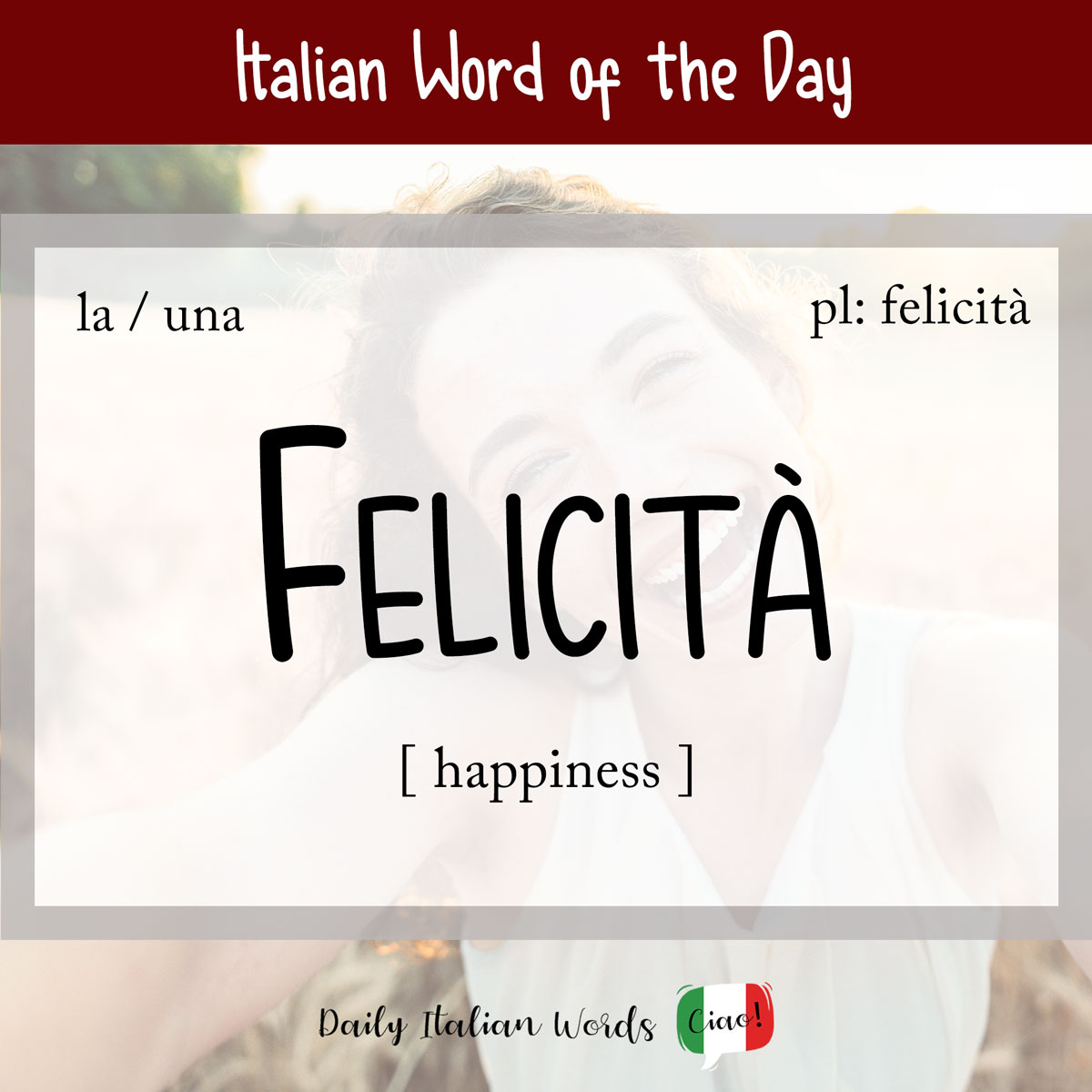
Italian Word of the Day: Felicità (happiness)

Felicità, the Italian word for happiness, comes from the Latin word felix meaning happy, blessed or lucky. English speakers shouldn’t have any trouble remembering this word if they call to mind the term felicity, a close synonym for happiness. Felicità is a feminine noun that takes the following definite and indefinite articles: Some closely related …

Read more

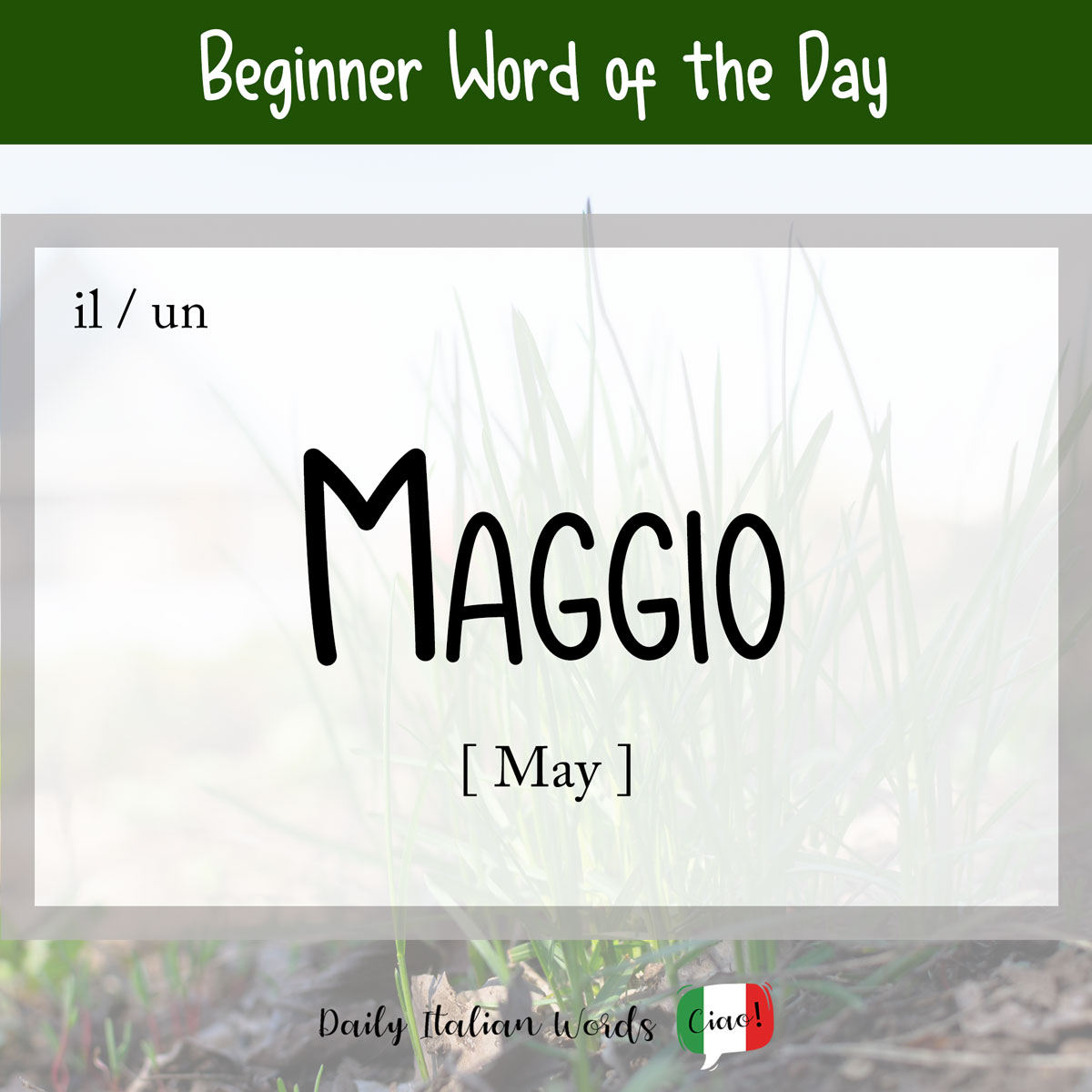
Italian Word of the Day: Maggio (May)

It’s difficult to believe that we are already well into the month of May, known as maggio in Italian. Maggio is the fifth month of the year (quinto mese dell’anno) according to the Julian and Gregorian calendars. As is the case with all months of the year, maggio isn’t capitalised in Italian as it is …

Read more

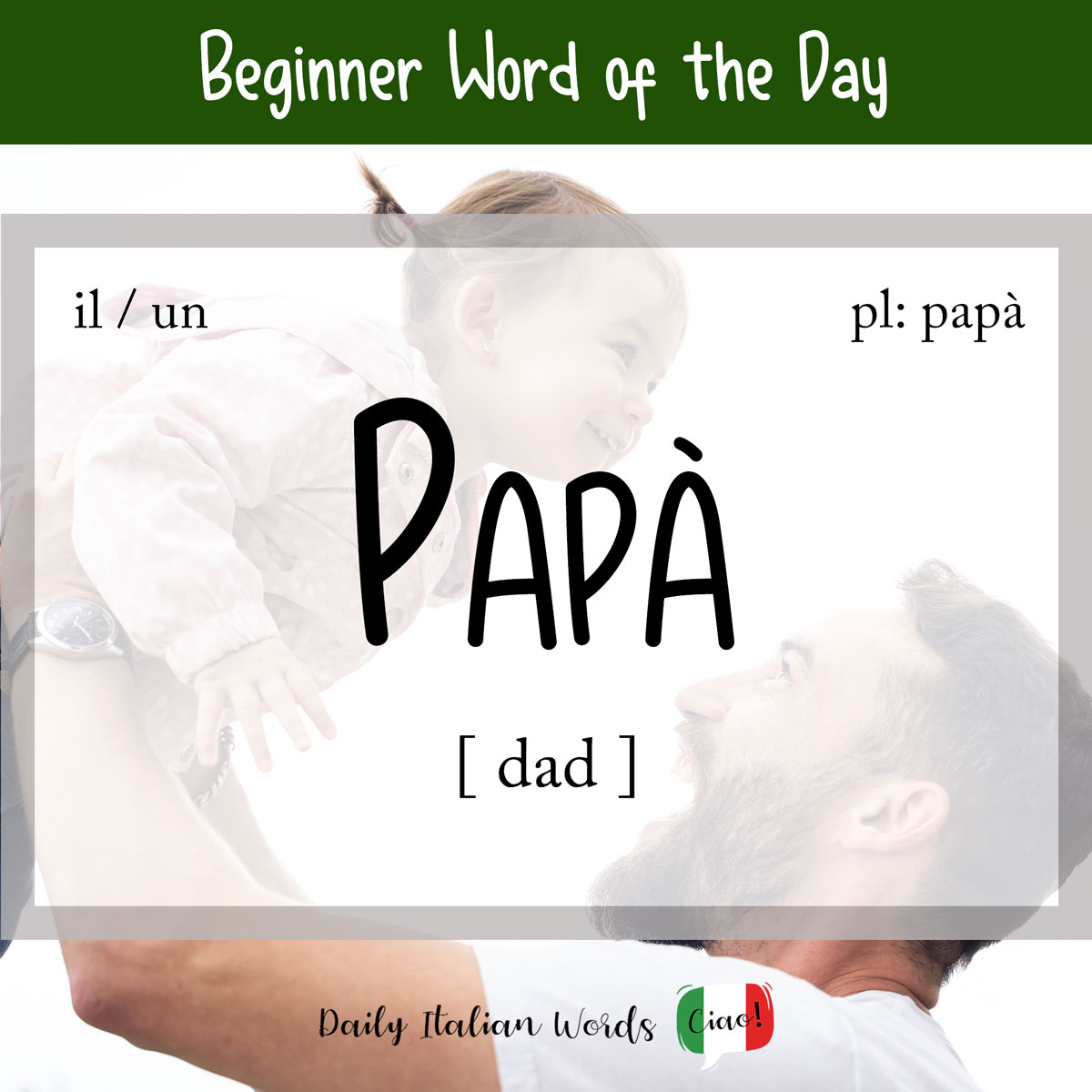
Italian Word of the Day: Papà (dad / daddy)

The affectionate name children use towards their father (padre) in Italian is papà. It is the equivalent of dad, daddy or pa in English. A very easy mistake you might make when you first start learning Italian is to accidentally place the emphasis on the first rather than the last syllable. If you place it …

Read more