The Italian word scarpa means shoe in English, and it is one of the most common nouns you will encounter when talking about clothing or fashion in Italian.
scarpa
shoe
According to the Devoto-Oli dictionary, scarpa most likely derived from scarpettina (meaning “little shoe”), which itself comes from the Greek karpatínē, a variant of karbatínē, meaning “footwear made of raw leather.” Treccani, on the other hand, suggests a possible Germanic origin from skarpa meaning “leather pocket.”
Scarpa is a feminine singular noun whose plural form is scarpe. Here are its definite and indefinite articles:
- la scarpa (the shoe)
- le scarpe (the shoes)
- una scarpa (a shoe)
- delle scarpe (some shoes)
Ho comprato delle scarpe nuove.
I bought some new shoes.
Questa scarpa è troppo stretta – mi fa male il piede.
This shoe is too tight – it hurts my foot.
The primary meaning of scarpa is shoe, as in any kind of footwear that covers the foot, such as:
- scarpe da ginnastica – sneakers, trainers
- scarpe da tennis – tennis shoes
- scarpe col tacco alto – high-heeled shoes
- scarpe stringate – lace-up shoes
- scarpe basse – flat shoes
- scarpe sportive – sports shoes
- scarpe da ballo – dancing shoes
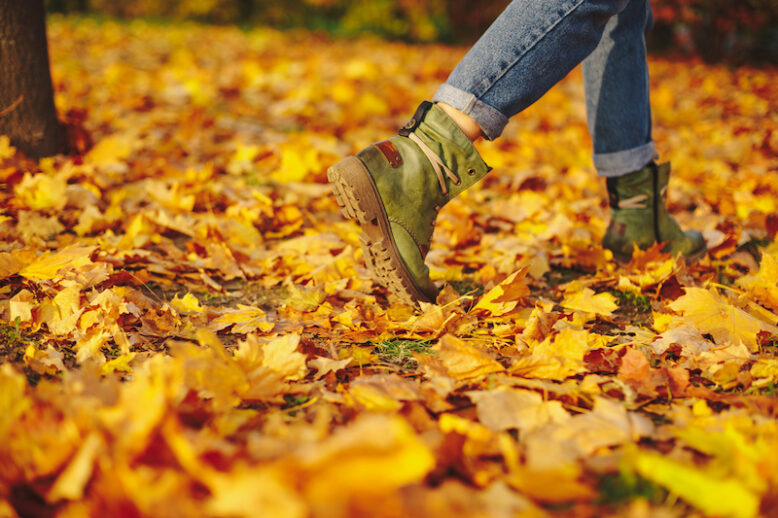
- scarponi – boots (general term for sturdy footwear used for hiking and combat, but also refers to ski boots)
- scarponcini – ankle boots, short boots
- scarpe da trekking – hiking boots
- scarpe antinfortunistiche – safety shoes (work shoes)
- scarpe da montagna – mountain boots
You may have noticed the words scarponi and scarponcini, which are alternative forms of scarpa. Scarponi is created by adding the augmentative suffix -one (plural -oni) to scarp- to create the meaning “big shoe.” (Italians are very literal at times!) Scarponcini takes it a step further by adding the diminutive suffix -ino (plural -ini) to -oni, so literally you end up with “small big shoes”!
Questi scarponi sono così comodi!
These (hiking) boots are so comfortable!
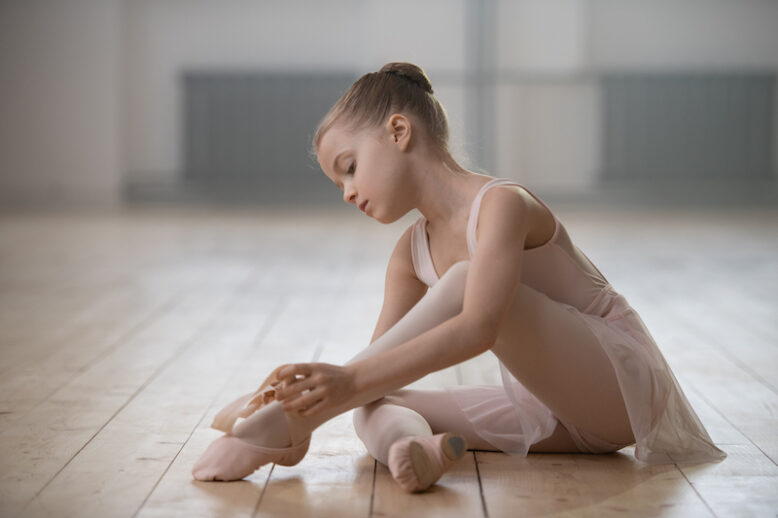
Scarpe da calcio (soccer shoes), on the other hand, can also be called scarpini (scarpa + the diminutive -ini) owing to the small cleats on the sole of the shoe. And we mustn’t forget about scarpetta / scarpine (little shoe, slipper, or ballet shoe) and scarpettina (which also means “little shoe”).
Scarponi vs stivali – what’s the difference?
Some of you may be wondering what the difference is between scarponi and stivali since they both translates as “boots” in Italian. Stivali is the generic term for tall boots. They can be made of leather, rubber, synthetic materials. Scarponi, on the other hand, tend to be sturdier, and more functional than stivali. They often rigid soles and reinforced for outdoor or labour use.
Do you know the expression “fare la scarpetta”?
In Italy, a common tradition is to mop up the leftover sauce from one’s plate after eating. The action is called fare la scarpetta, or literally, “to do the little shoe,” presumably because a small piece of bread is reminiscent of this specific kind of footwear!
Scarpe can be made from a variety of materials, but here are some of the most common:
- pelle – leather (general term)
- cuoio – tanned leather, often for soles
- scamosciato – suede (soft, brushed leather)
- pelle verniciata – patent leather (shiny finish)
- pelle sintetica / ecopelle – synthetic or faux leather
- tela – canvas (used in sneakers)
- cotone – cotton
- lana – wool (slippers, winter shoes)
- lino – linen (summer shoes)
- plastica – plastic
Le scarpe italiane sono famose in tutto il mondo.
Italian shoes are famous all over the world.
If you are going to talk about le scarpe in Italian, it is equally important to learn the verbs that usually accompany this word:
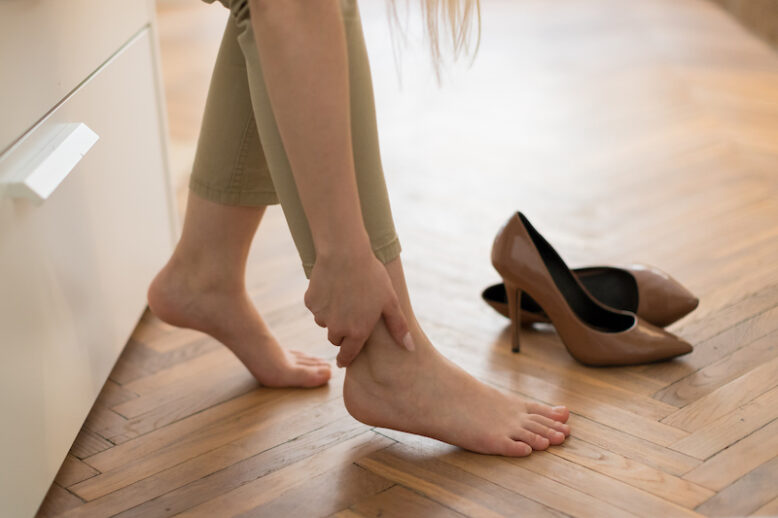
- mettere le scarpe = to put on one’s shoes
Ho messo le scarpe prima di uscire. → I put on my shoes before going out. - togliere le scarpe = to take off one’s shoes
Togli le scarpe quando entri in casa. → Take off your shoes when you enter the house. - allacciarsi le scarpe = to tie one’s shoes
Il bambino si allaccia le scarpe da solo. → The child ties his shoes by himself. - slacciarsi le scarpe = to untie one’s shoes
Mi si sono slacciate le scarpe durante la corsa. → My shoes came untied while running. - indossare le scarpe = to wear shoes
Indosso sempre scarpe comode per camminare. → I always wear comfortable shoes for walking.
A very important verb you’ll hear used with scarpe is calzare, which means to fit. If you manage to use this verb properly, you’ll sound like a true native!
Queste scarpe mi calzano perfettamente.
These shoes fit me perfectly.
As with many nouns, scarpa also has a colloquial, figurative meaning: it can describe a person who is clumsy or not very skilled at something. For example, you might describe yourself as being una scarpa alle carte if you’re bad at playing cards. Another expression is una scarpa vecchia (an old shoe), which adds the extra nuance of describing someone as old, unattractive, and senile. How charming!
Speaking of the figurative uses for scarpe, here are a few of the most common idiomatic expressions and proverbs you might encounter!
- Fare le scarpe a qualcuno (literally “to do the shoes to someone”) = to pretend to be someone’s friend and then secretly hurt or deceive them
- Non avere scarpe ai piedi (literally “to not have shoes on one’s feet”) = to be very poor
- Rimetterci anche le scarpe (literally “to lose even one’s shoes”) = to suffer a major financial loss
- Non levarsi le scarpe da un, due, tre giorni (literally “not taking off your shoes for one, two, three days”) = to be unable to go to bed
- Mettere le scarpe al sole / Morire con le scarpe ai piedi (literally “to put one’s shoes in the sun / to die with shoes on one’s feet”) = to die a violent death
- Non essere degno di legare le scarpe a qualcuno (literally “not being worthy of tying someone’s shoes”) = to be far inferior to someone
- È meglio consumare le scarpe che le lenzuola (literally “It’s better to wear out your shoes than your sheets”) = It is better to be healthy than to be sick, even if you are forced to work hard
- Non tutti i piedi stanno bene in una scarpa (literally “Not all feet fit in one shoe”) – People have different natures and abilities
Scarpa has generated a few additional related terms beyond the diminutives and augmentatives we saw above. Let’s take a look at them now!
- scarpiera = shoe rack or cupboard
- scarpaio = shoe salesman
- scarpata = a kick (with a shoe) (e.g. gli ha dato una scarpata = he kicked him (with his shoes on)
- scarpinare = to walk for a long time at a brisk pace with difficulty

Heather Broster is a graduate with honours in linguistics from the University of Western Ontario. She is an aspiring polyglot, proficient in English and Italian, as well as Japanese, Welsh, and French to varying degrees of fluency. Originally from Toronto, Heather has resided in various countries, notably Italy for a period of six years. Her primary focus lies in the fields of language acquisition, education, and bilingual instruction.