
Fare (to do / make) is a super handy verb in Italian, but we tend to rely on it so much that sometimes our speech starts sounding a bit repetitive. Take this sentence:
Finisco di fare i piatti, poi devo assolutamente fare il video altrimenti il cliente inizierà a fare questioni.
I’ll finish doing the dishes, then I really need to make the video or the client will start making a fuss.
That’s a bit much for the ear, right? Italian surely has more precise verbs to use instead, but fare has this special talent: it steps in for any of them and does the job so well that nobody objects.
If you’re learning Italian, this is actually pretty useful, because fare can help you keep the conversation going without freezing when you don’t know the exact verb you need. But treat this as an emergency trick: Italian has plenty of beautiful verbs that can do a better job of saying exactly what you mean, and they’re worth getting to know.
Below, I’ve put together some common examples, grouped by context to make them easier to browse. None of them are wrong with fare (you’ll hear them everywhere), but the alternatives are often more precise, sometimes more elegant, and a great way to add variety to your Italian.
1. At school
Fare la prima elementare
Frequentare la prima elementare / Andare in prima elementare
Meaning: to be in first grade
You can swap la prima elementare with any other class, like le medie (middle school) or la terza superiore (the third year of high school).
Andare in is the more casual choice, while frequentare is a bit more formal.
Mia figlia quest’anno va in prima elementare, e la tua?
My daughter is in first grade this year, and yours?
Fare un esame
Sostenere / Dare un esame
Meaning: to take an exam
Sostenere is the formal option, dare is the casual one. And dare is a classic false friend: it means to give, but here it means to take an exam. Yes, really!
Ho dato tutti gli esami, mi manca solo la tesi.
I’ve taken all my exams, I just need to write my thesis.
Fare un corso
Seguire / Frequentare un corso
Meaning: to take a course
Seguire works well for any course (including online ones), while frequentare suggests you actually show up in person.
Sto seguendo un corso di cucina davvero ben fatto.
I’m taking a really good cooking course.
Fare un esercizio
Svolgere un esercizio
Meaning: to do an exercise
Possiamo svolgere questi esercizi a casa senza alcuna attrezzatura.
We can do these exercises at home without any equipment.
Fare una lezione
Tenere una lezione
Meaning: to give a lesson
Domani ci sarà un ospite che terrà una lezione sulla Prima Guerra Mondiale.
Tomorrow, we’ll have a guest speaker who will give a lesson on World War I.
Fare una domanda
Porre una domanda
Meaning: to ask a question
This is worth knowing, but keep in mind that porre una domanda is rather formal and more common in writing or at conferences.
Durante la presentazione, Mattia ha posto una domanda molto interessante.
During the presentation, Mattia asked a very interesting question.

2. For the creative souls
Fare un quadro
Dipingere un quadro
Meaning: to paint a picture
Mi piace dipingere quadri a olio.
I like painting in oils.
This expression works figuratively too, just like “to paint a picture” in English:
L’articolo dipinge un quadro molto chiaro della situazione economica.
The article paints a very clear picture of the economic situation.
Fare un video
Girare / Registrare un video
Meaning: to make a video
Girare is the one to use if you’re shooting something, like a film or a reel, while registrare is more about recording.
Mi aiuti a girare un video per YouTube?
Can you help me shoot a video for YouTube?
Fare una foto
Scattare una foto / Fotografare
Meaning: to take a photo
While fare una foto is the everyday, generic expression, scattare una foto puts more emphasis on capturing the image, and fotografare is more about photographing a specific subject.
In queste condizioni, per scattare foto nitide serve un cavalletto.
In these conditions, you need a tripod to capture sharp images.
Quando viaggio, mi piace fotografare tutto quello che mangio.
When I travel, I like to take pictures of everything I eat.
Fare musica
Suonare
Meaning: to play music
Sabato sera suono con alcuni amici, vieni?
I’m playing a gig with some friends on Saturday night, will you come?

3. The unglamorous daily routine
Fare i piatti
Lavare i piatti
Meaning: to do the dishes
Guarda che oggi tocca a te lavare i piatti!
Hey, today it’s your turn to wash the dishes!
Fare da mangiare
Cucinare
Meaning: to cook, to make food
A Natale devo cucinare per venti persone.
I have to cook for twenty people at Christmas.

4. Business & work
Fare un lavoro / un’attività
Svolgere un lavoro / un’attività
Meaning: to do a job, to carry out an activity
Questa settimana i ragazzi stanno svolgendo attività di volontariato con la scuola.
The students are doing volunteer work through their school this week.
Fare un accordo / un contratto
Stipulare un accordo / un contratto
Meaning: to make a deal, to draw up a contract
I due paesi hanno stipulato un accordo di cooperazione.
The two countries entered into a cooperation agreement.
Fare una fattura
Emettere una fattura
Meaning: to issue an invoice
Gentilmente, mi può mandare i dati dell’azienda per emettere fattura?
Could you please send me your company details so I can issue the invoice?
Fare una pausa
Prendersi una pausa / Staccare
Meaning: to take a break
Dai, ogni tanto bisogna prendersi una pausa!
Come on, you need to take a break every now and then!
Stacco cinque minuti, vado a prendere un caffè.
I’m taking a five-minute break to grab a coffee.
Fare un discorso
Tenere un discorso
Meaning: to give a speech
Il capo mi ha chiesto di tenere un breve discorso durante l’evento di domani.
The boss asked me to give a short speech at tomorrow’s event.
Fare un elenco
Stilare un elenco
Meaning: to make a list
Hai stilato l’elenco delle priorità prima di incontrare il cliente?
Have you put together a list of priorities before meeting the client?
5. Friends, fights and birthdays
Fare amicizia
Stringere amicizia
Meaning: to make friends
Quando si viaggia da soli è più facile stringere amicizia.
When you travel alone, it’s easier to make friends.
Fare compagnia
Tenere compagnia
Meaning: to keep someone company
Grazie per avermi tenuto compagnia durante il viaggio!
Thanks for keeping me company during the trip!
Fare questioni
Lamentarsi
Meaning: to complain
La smetti di lamentarti per ogni cosa?!
Will you stop complaining about everything?!
Fare la pace
Riappacificarsi
Meaning: to make peace, to make up
Spero che quei due riescano a riappacificarsi.
I hope those two manage to make up.
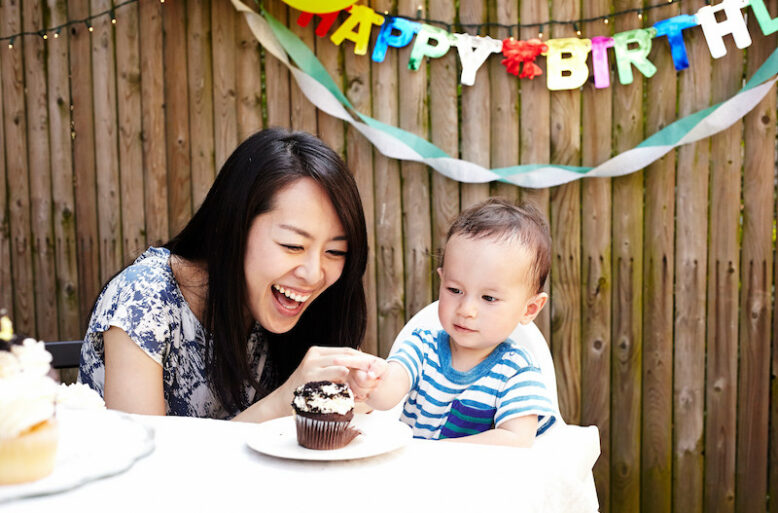
Fare gli anni
Compiere gli anni
Meaning: to have a birthday, to turn a certain age
Io e Sabrina compiamo gli anni nello stesso giorno.
Sabrina and I have the same birthday.
6. For the sporty types
Fare sport
Praticare sport
Meaning: to do sports
Da piccoli praticavamo diversi sport, adesso non abbiamo più tempo.
When we were kids, we played several different sports, but these days we don’t have the time anymore.
Fare un gol
Segnare (un gol)
Meaning: to score a goal
Stasera hai segnato un gol incredibile, grande!
What an amazing goal you scored tonight, nice one!
Fare un record
Stabilire un record
Meaning: to set a record
L’atleta ha stabilito un nuovo record europeo.
The athlete set a new European record.
Fare una maratona
Correre una maratona
Meaning: to run a marathon
L’anno prossimo voglio correre la maratona di New York!
Next year, I want to run the New York City Marathon!
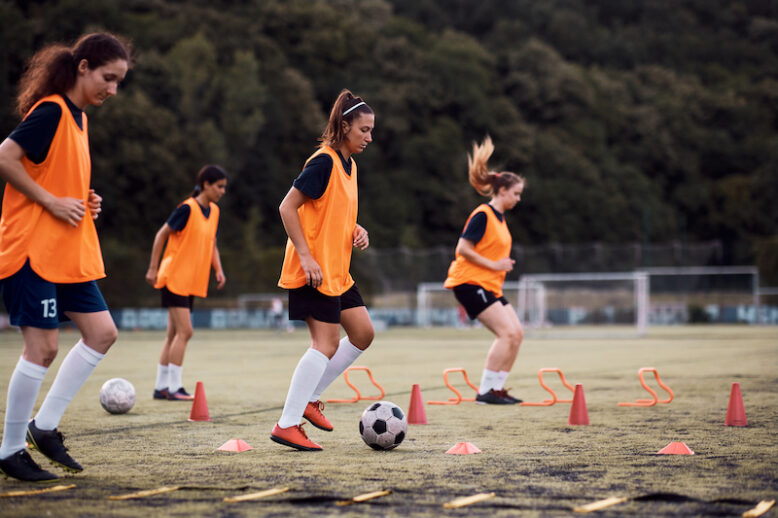
Fare una partita
Giocare una partita
Meaning: to play a match
Oggi le ragazze hanno giocato una bellissima partita.
The girls played a great game today.
7. Health & personal care
Fare una visita medica
Sottoporsi a una visita medica
Meaning: to have a medical check-up
Prima di iscrivermi in palestra, devo sottopormi a una visita medica.
Before enrolling at the gym, I have to get a medical check-up.
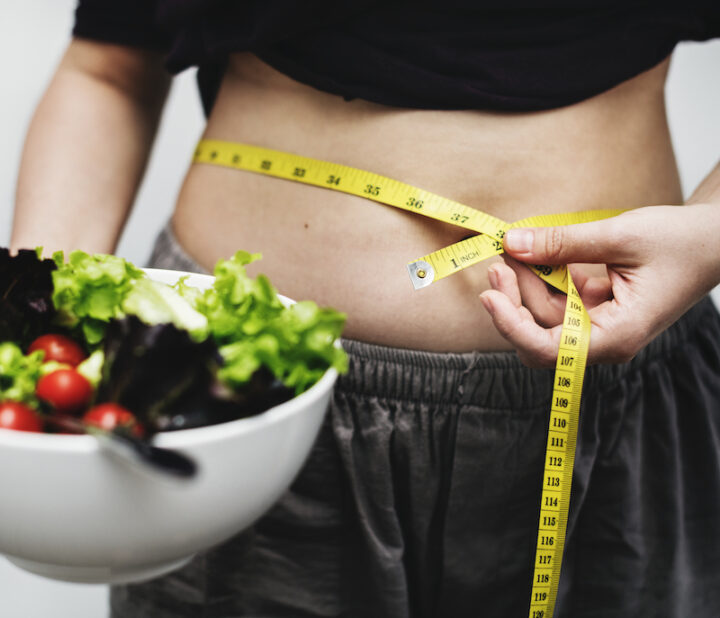
Fare una dieta
Seguire una dieta
Meaning: to be on a diet
Sto seguendo una nuova dieta, speriamo che sia la volta buona!
I’m on a new diet, fingers crossed this is the one that finally works!
Farsi la barba
Radersi
Meaning: to shave
Par radermi uso sempre il rasoio elettrico.
I always use the electric shaver to shave.
Fare / Farsi i peli
Depilarsi
Meaning: to shave, to remove your body hair (by shaving, waxing, etc.)
Fare/Farsi i peli is a very informal, colloquial expression, the kind of thing you might hear women say to each other when chatting about preparing for a holiday or getting ready for a night out. Depilarsi, instead, is the neutral, standard verb for removing body hair; it doesn’t have the same casual, chatty feel and works well in virtually any context.
Devo depilarmi, ma non ho voglia.
I need to shave, but I don’t feel like it.
8. The “miscellaneous” pile
Fare un errore
Commettere un errore
Meaning: to make a mistake
Tutti commettono errori, l’importante è rimediare.
Everyone makes mistakes. What matters is making things right.
Fare un’ipotesi
Formulare un’ipotesi
Meaning: to make a guess, to put forward a hypothesis
Non abbiamo ancora abbastanza elementi, possiamo solo formulare un’ipotesi.
We don’t have enough information yet, so we can only make a guess.
Fare un’azione
Compiere un’azione
Meaning: to carry out an action
Il soggetto è l’elemento della frase che compie l’azione.
The subject is the element of the sentence that performs the action.
Fare un passo
Compiere un passo
Meaning: to take a step
If we’re talking about an actual step, fare un passo is perfectly natural, while compiere mostly appears when the step is figurative.
Con questo accordo, l’azienda ha compiuto un importante passo avanti nel processo di internazionalizzazione.
With this agreement, the company has taken a major step forward in its international expansion.
Fare a metà
Dividere a metà
Meaning: to split something 50/50
Per le spese di casa, io e i miei coinquilini dividiamo sempre a metà.
My roommates and I always split the household expenses 50/50.
Fare il biglietto
Prendere il biglietto / Comprare il biglietto
Meaning: to get a ticket
Fare il biglietto doesn’t necessarily mean buying one, it’s more like “sorting out the ticket,” whether you pay for it or not. Prendere is the neutral “to get,” while comprare focuses on the purchase itself.
Aspettami, vado a prendere i biglietti!
Wait for me, I’ll go get the tickets!
Hai comprato i biglietti per il concerto?
Have you bought the concert tickets?
Fare paura
Spaventare
Meaning: to be scary, to frighten
Questo film spaventa sempre tutti.
This movie always scares everyone.
Fare dei debiti
Contrarre dei debiti
Meaning: to run up debts
Riccardo ha contratto diversi debiti e non riesce più a pagare.
Riccardo built up several debts and is no longer able to pay them back.
Fare ricorso
Presentare ricorso
Meaning: to appeal (a decision or a fine)
Qui c’è scritto che abbiamo 60 giorni di tempo per presentare ricorso.
It says here that we have 60 days to appeal.
Fare attenzione
Prestare attenzione
Meaning: to pay attention, to be careful
Vorrei che prestaste più attenzione ai dettagli.
I’d like you all to pay a bit more attention to detail.


Valentina Nicastro is a travel writer in love with her home country, Italy. Having travelled widely around the globe, she realised there was more to explore closer to home and decided to put the passport aside for a while. When she is not immersed in documenting Italy, you’ll find her donning her communication consultant hat, weaving words as a content writer and bridging linguistic divides as a translator.