
If you’ve been learning Italian for a while, you’ve probably noticed that Italians love to use le verdure (vegetables) as polite euphemisms for naughty words. Perhaps the most ubiquitous of them all is the humble cabbage, or cavolo in Italian, which often substitutes cazzo (a vulgar term for male genitalia) in polite speech due to their phonetic similarity.
But we’re getting ahead of ourselves! Let’s start by covering the vegetable itself before we tumble head-first down the rabbit hole of polite Italian curses.
cavolo
cabbage / darn
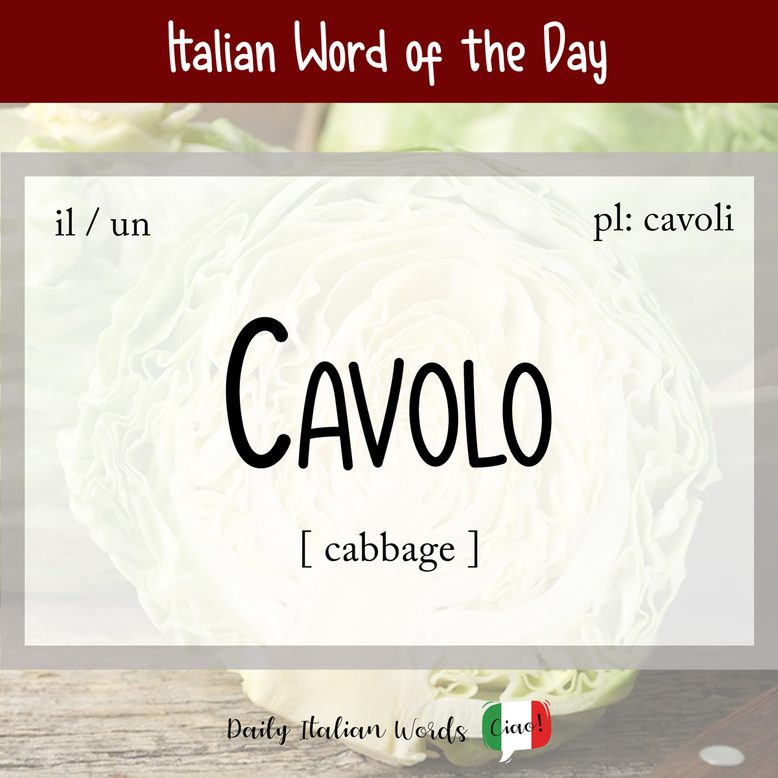
Cavolo is, of course, a masculine noun whose plural form is cavoli. It takes the following definite and indefinite articles:
- il cavolo
- i cavoli
- un cavolo
- dei cavoli
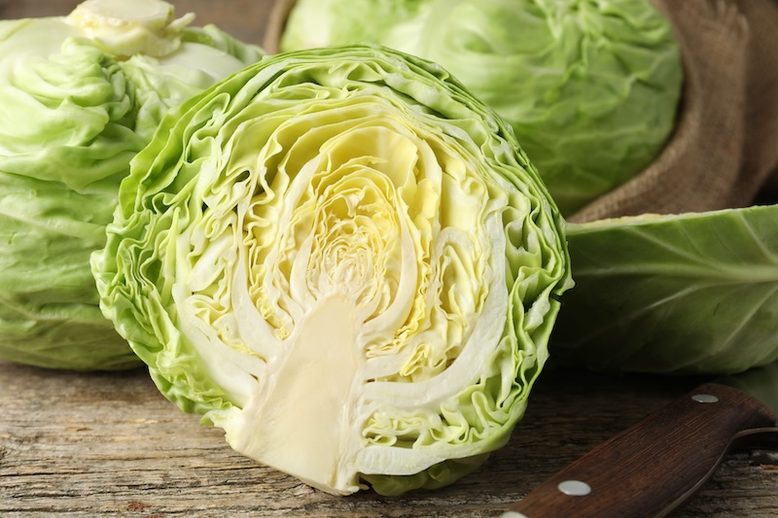
Italians love to incorporate cavoli into their cuisine, and there are many different types to choose from, including cavolo cappuccio verde (green cabbage), cavolo nero (black cabbage or kale), cavolo rapa (kohlrabi), and cavolo romano, also known as broccolo romanesco (Romanesco broccoli). Unfortunately, they can be quite puzzolenti (smelly) when roasted or boiled, so it’s best to lasciare le finestre aperte (leave the windows open) if they’re part of your dinner plans!
Ieri al mercato ho comprato un cavolo.
I bought a cabbage at the market yesterday.
Now, as we mentioned above, cavolo is also the classic example of a minced oath in Italian, or in other words, a polite expression used in place of a profane, blasphemous, or taboo word. It’s no different to how we use heck instead of hell, or darn instead of damn in English.
Below are a few classic example phrases where you will hear cavolo instead of cazzo:
Cavolo!
English meaning: Wow! / Hey! / Damn! (used to express surprise, frustration or amazement)
Col cavolo!
English meaning: Yeah right! / As if!
(Ma) Che cavolo!
English meaning: What the heck!
Fatti i cavoli tuoi!
English meaning: Mind your own business!
Sono cavoli miei!
English meaning: It’s my own business!
Sono cavoli amari!
English meaning: It’s a problem / annoyance!
…del cavolo
English meaning: crappy / bad (literally “…of the cabbage”)
Example: Che giornata del cavolo! = What a crappy day!
Testa di cavolo
English meaning: knucklehead (literally “head of cabbage”)
Non me ne importa un cavolo
English meaning: I don’t give a damn
Non ho capito un cavolo
English meaning: I didn’t understand a damn thing
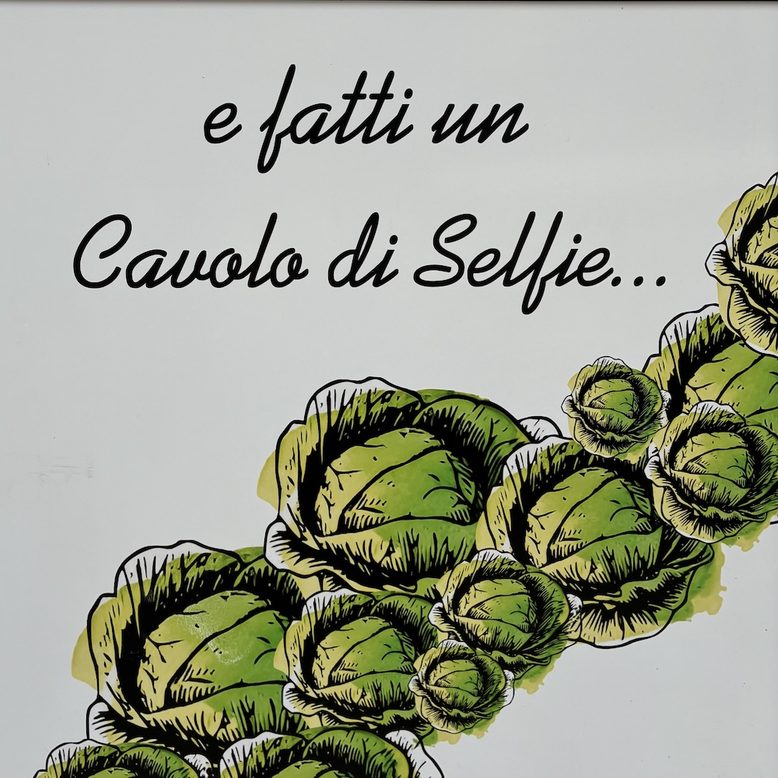
From this metaphorical meaning, we also get the adjective incavolato, which means to be pissed off or very angry. You will also hear incavolato nero – literally “black angry” – when the person speaking wants to add extra emphasis. The feminine form is incavolata and their respective plurals are incavolati and incavolate.
Hanno cancellato il treno senza avvisare… sono incavolato nero!
They cancelled the train without any warning… I’m absolutely furious!
You’re also going to come across the noun cavolata (feminine), which is literally cabbage soup, but is frequently used to describe a stupid thing, mistake or blunder.
- dire cavolate = to say stupid things
- fare una cavolata = to do something stupid
- Quante cavolate! = What nonsense!
Who knew that cabbages were so versatile, both in and outside of the cucina (kitchen)?

Heather Broster is a graduate with honours in linguistics from the University of Western Ontario. She is an aspiring polyglot, proficient in English and Italian, as well as Japanese, Welsh, and French to varying degrees of fluency. Originally from Toronto, Heather has resided in various countries, notably Italy for a period of six years. Her primary focus lies in the fields of language acquisition, education, and bilingual instruction.