Italian Word of the Day: Verdura (vegetables)
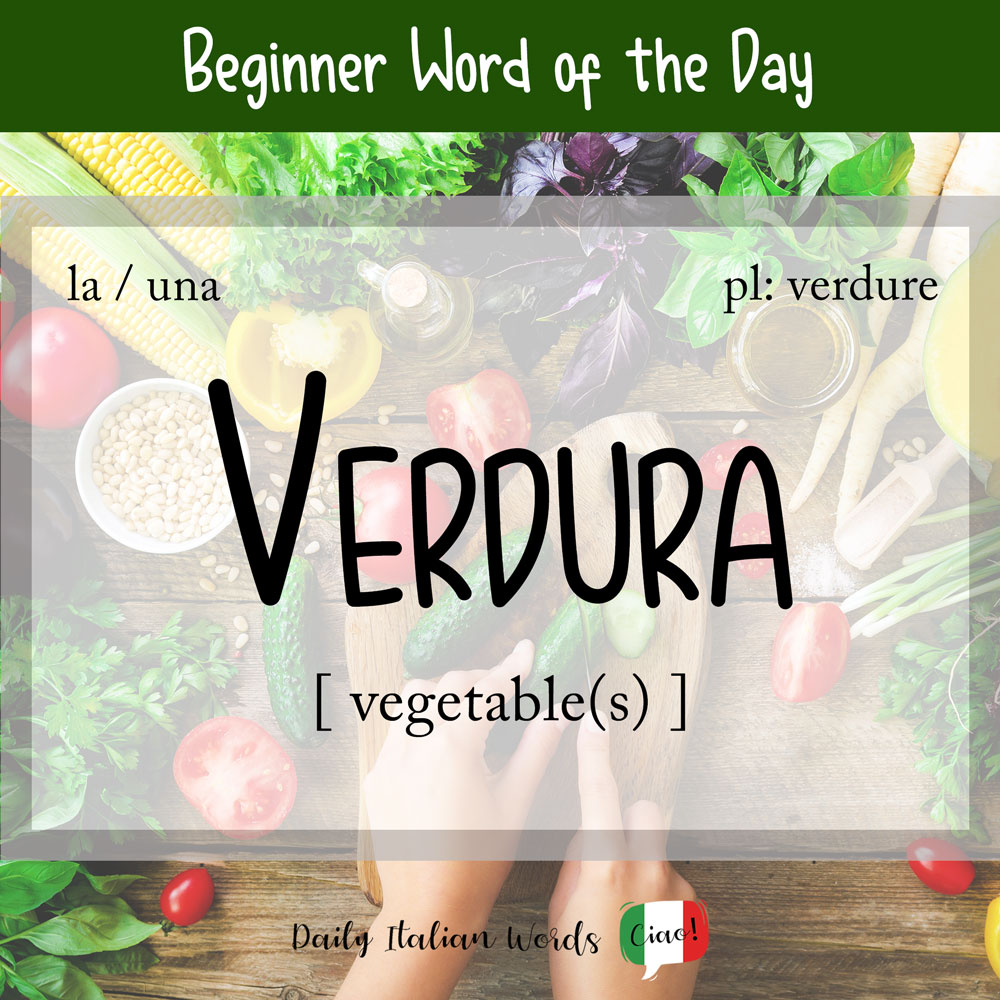
The word verdura in Italian is interesting because it is normally used as a singular collective noun, referring to the category vegetables as a whole, or more specifically, the parts of a vegetable plant that can be used in human nutrition. For example, if you say La verdura fa molto bene alla salute, you are …
Read more

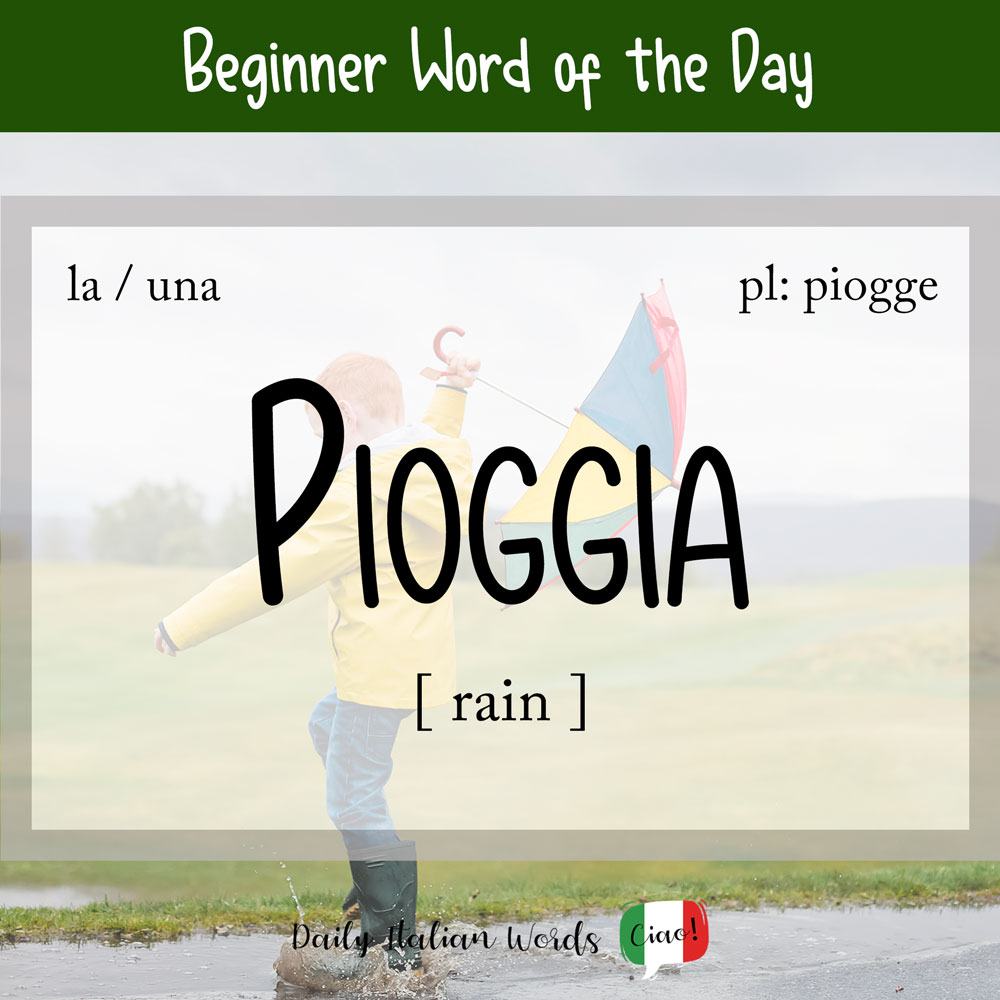
Italian Word of the Day: Pioggia (rain)

Although Italy has a variety of microclimates, the rainy season generally occurs between March and May and again between September and November, with October and November being the rainiest months of the year. In the Piemonte region where I used to live, violent thunderstorms are also common during the peak summer months. The word for …

Read more

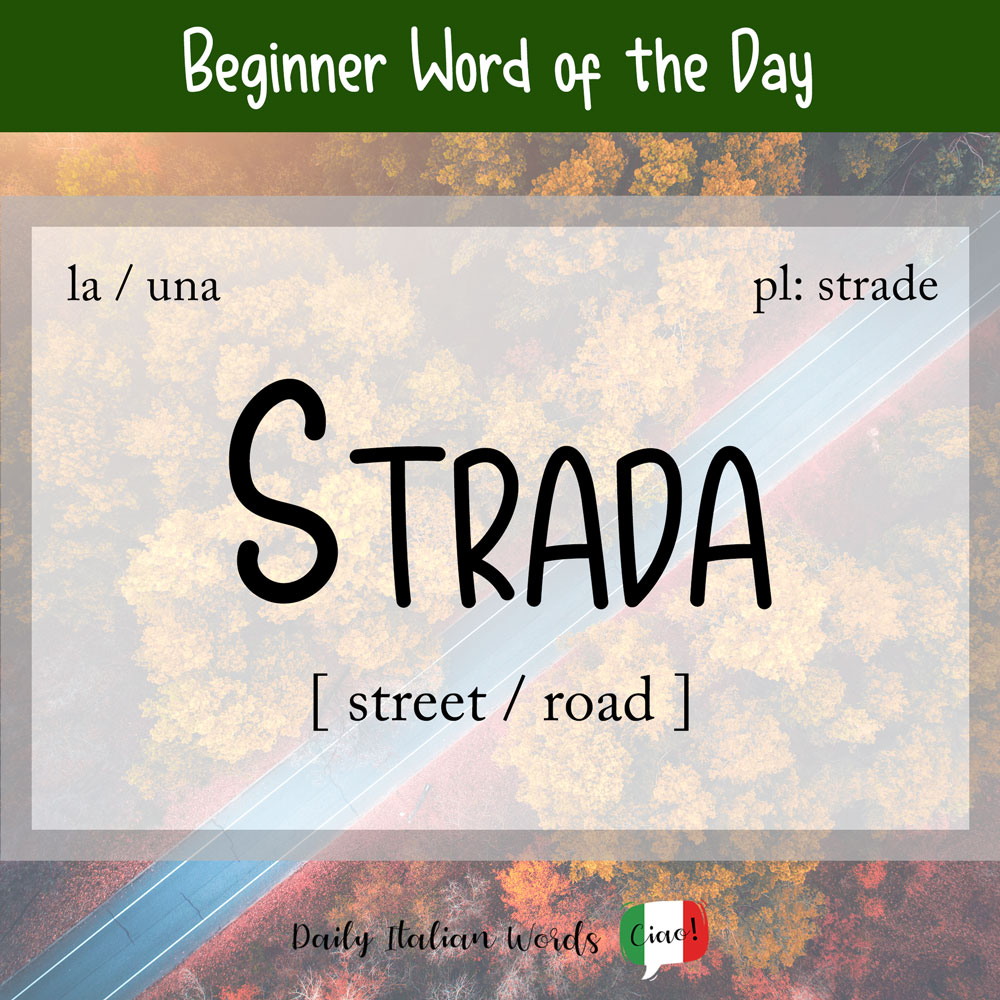
Italian Word of the Day: Strada (road, street)

Strada (feminine, plural: strade) is an incredibly flexible word in Italian. Not only does it mean road or street in the literal sense, but it also has a couple of figurative meanings, as we’ll discover below. Io abito in strada San Giusto. È in campagna. I live on San Giusto street. It’s in the countryside. …

Read more

Italian Phrase of the Week: Non c’è problema! (No problem!)

If someone thanks you for a favour you’ve done, or apologises for a mistake they’ve made, there is one easygoing response that covers all the bases: Non c’è problema! (No problem!). It literally translates as there isn’t a problem. Caspita, ho dimenticato il regalo per Anna… – Non c’è problema. Lo prendiamo al ritorno. Darn, …

Read more

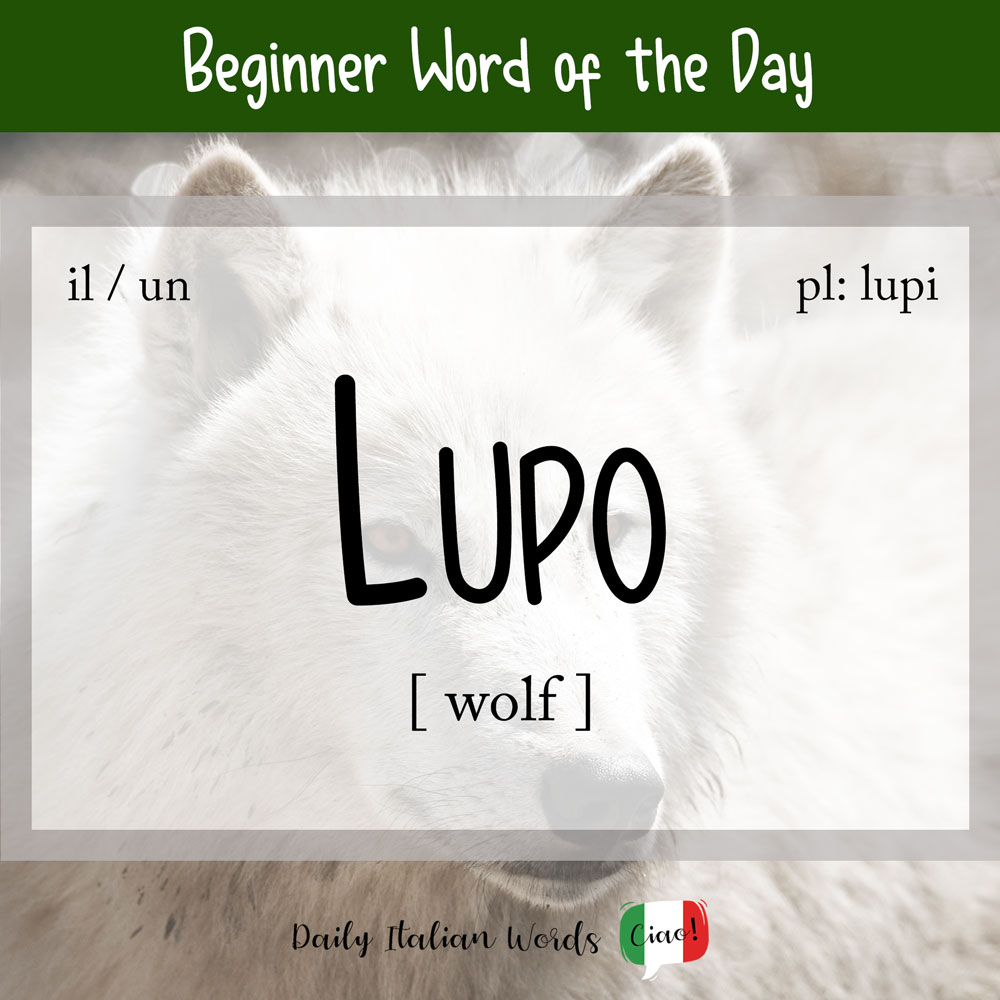
Italian Word of the Day: Lupo (wolf)

If you are familiar with the English word lupine, it shouldn’t be too difficult to remember the word lupo (masculine, plural: lupi), which is the Italian for wolf. A wolf cub is known as a lupetto. This is also the term used for a cub scout in the young Scouts organisation and the mock turtleneck. …

Read more

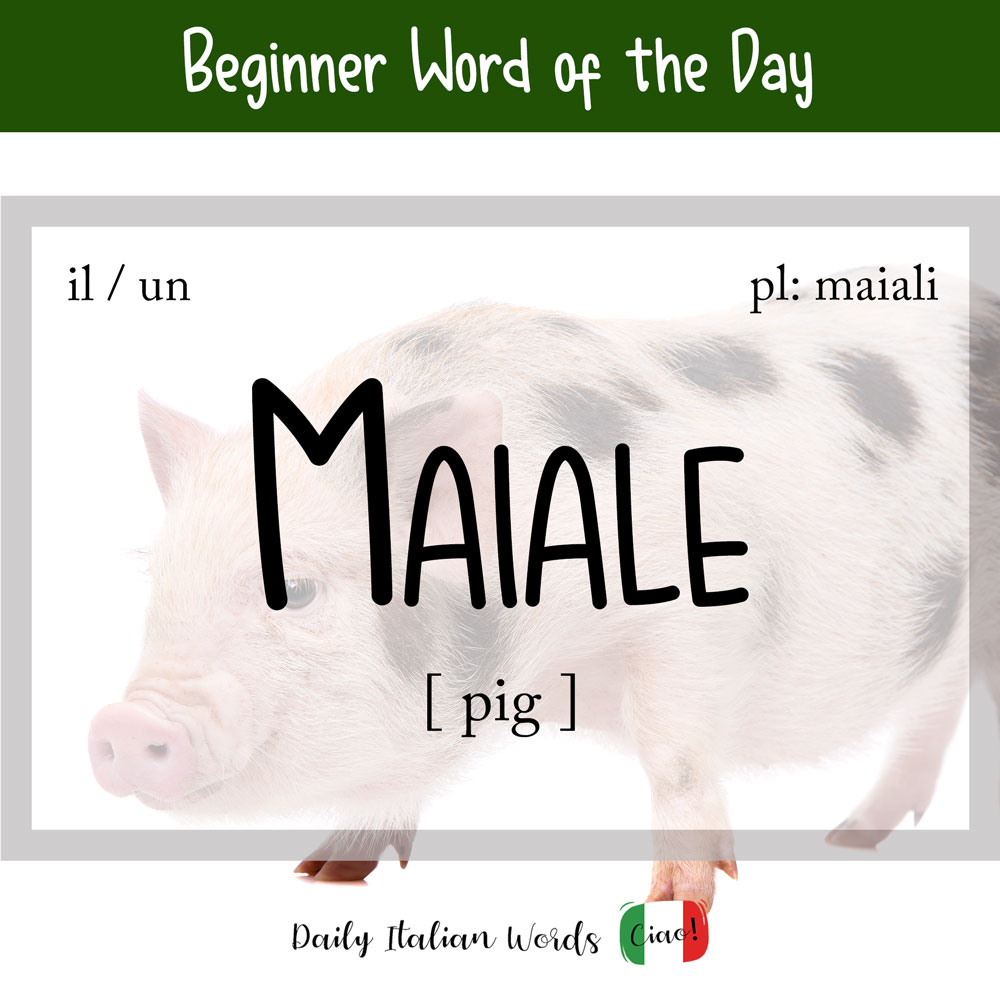
Italian Word of the Day: Maiale (pig)

The domestic pig – or maiale (masculine, plural: maiali) in Italian – is one of the most populous mammals (mammiferi) in the world. In fact, it is estimated that approximately one billion are alive at any time. Because they are omnivores (onnivori) just like humans, they can consume a wider range of food than most …

Read more