Italian Word of the Day: Arrabbiato (angry)
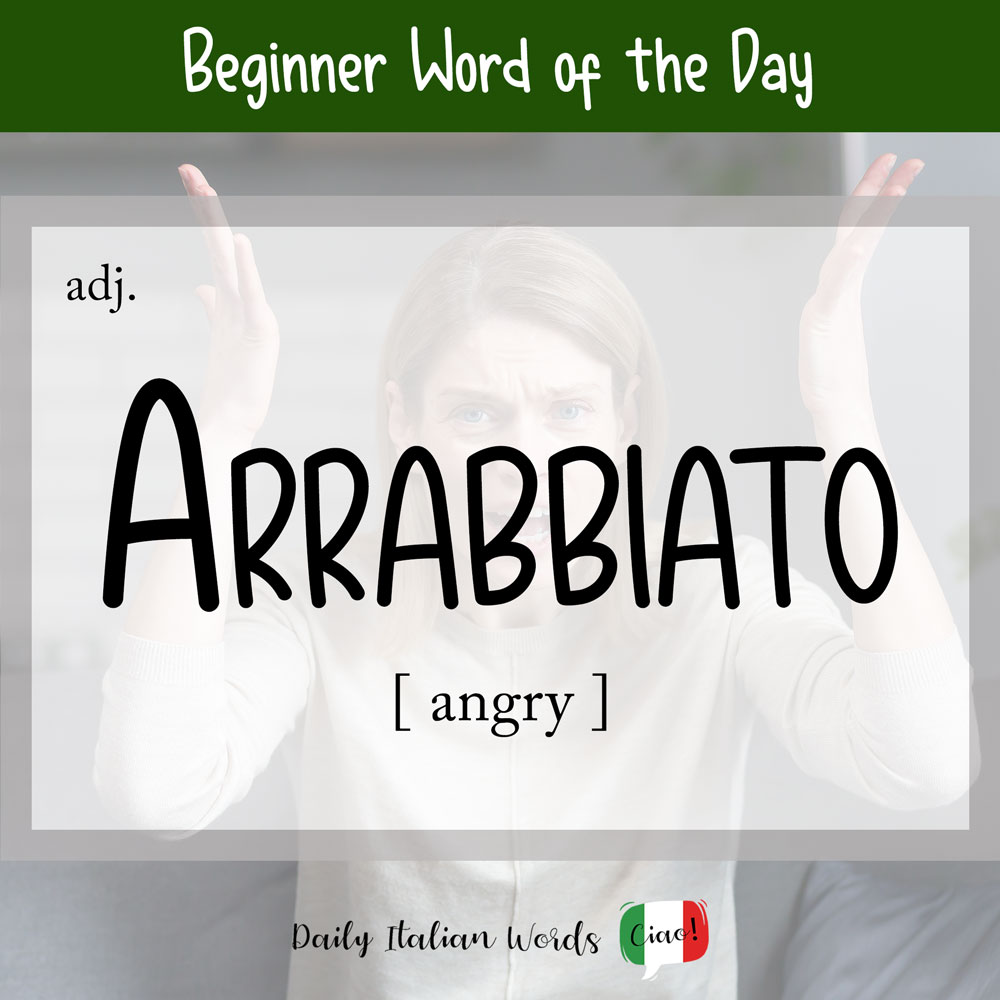
The word for angry in Italian is arrabbiato. It is also the past participle of the verbs arrabbiarsi (to get angry) and far(e) arrabbiare (to anger). Because it is an adjective, the ending of arrabbiato changes depending on whether you are talking about a solitary male (arrabbiato), a solitary female (arrabbiata), a group of males …
Read more

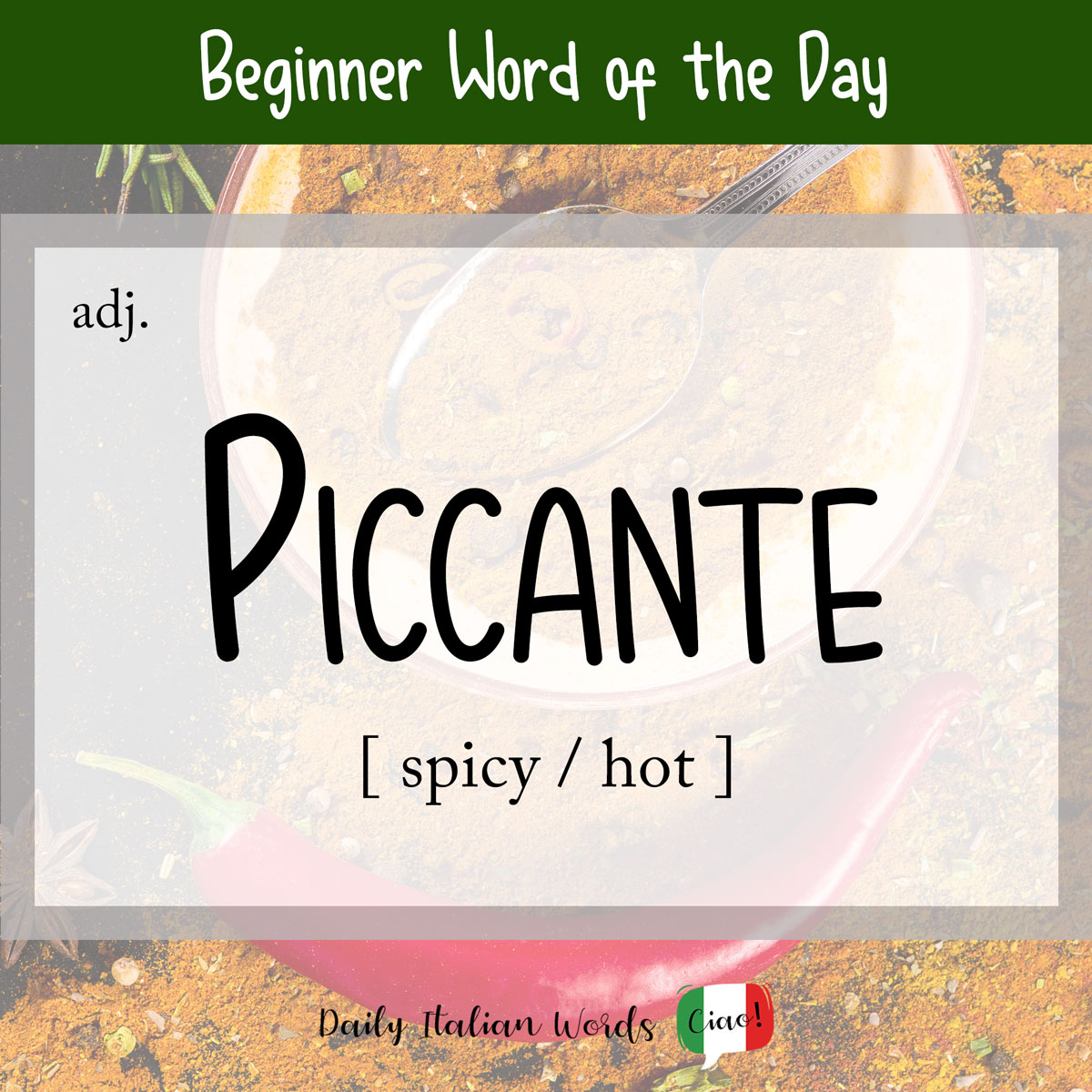
Italian Word of the Day: Piccante (spicy / hot)

Any food that causes a burning sensation in the mouth when tasted can be called piccante, which is the word for spicy or hot in Italian. It comes from the French word piquant of the same meaning. The plural form of this adjective is piccanti. There is no distinction between masculine and feminine: it’s always …

Read more

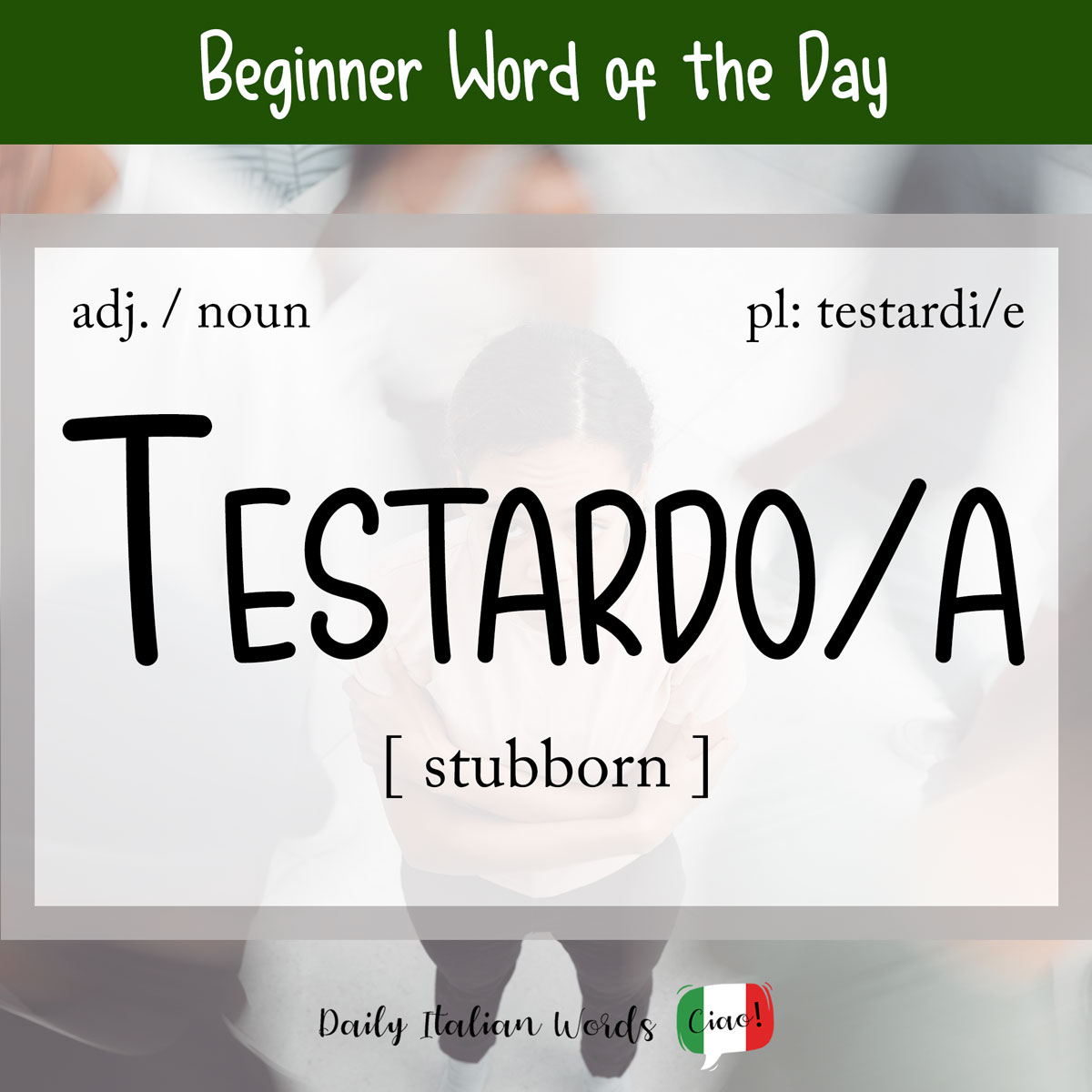
Italian Word of the Day: Testardo (stubborn)

Someone who is determined not to change their attitude or position on something, no matter how right or wrong they are and regardless of the advice and opinions of others, is called testardo (stubborn) in Italian. It derives from the Italian word for head which is testa. Che ragazzo testardo! Con lui non si può …

Read more

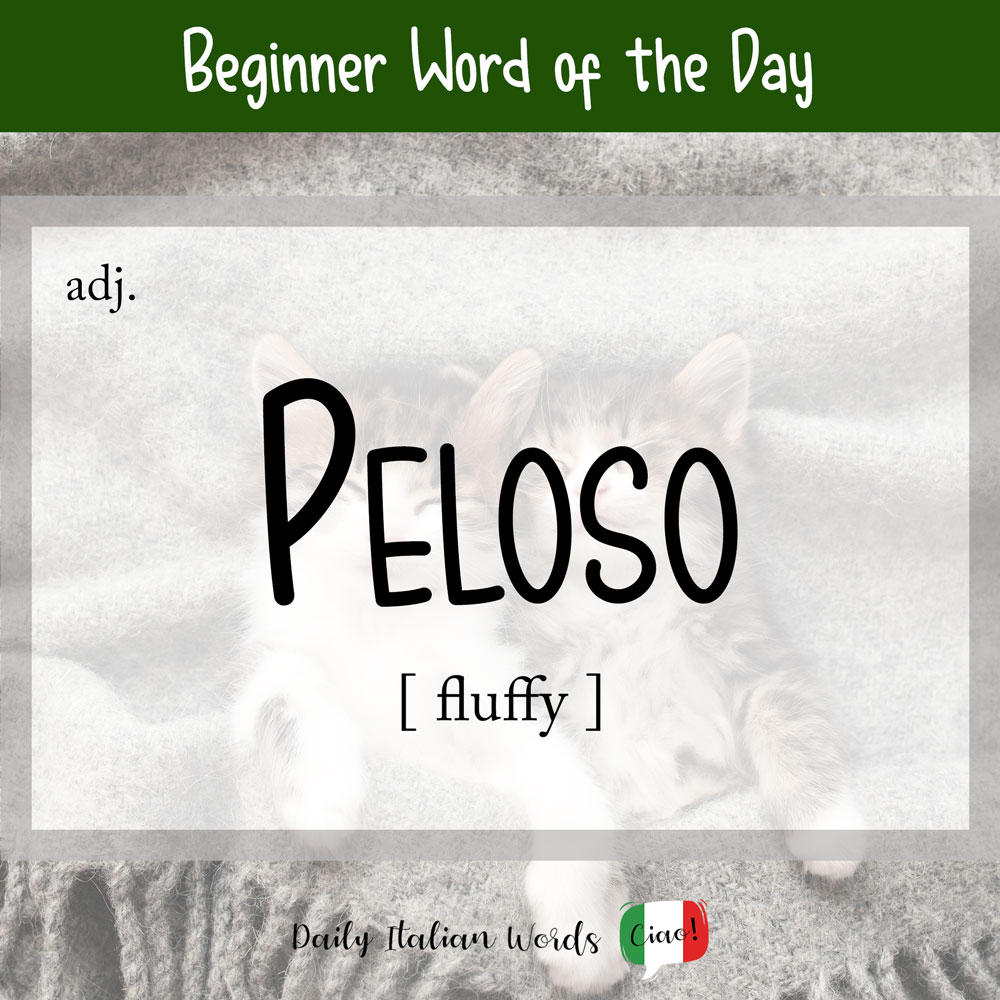
Italian Word of the Day: Peloso (fluffy / hairy)

Peloso is an Italian adjective that may describe anything with a soft hair-like texture. This means that it can translate as any one of the following terms in English: fluffy, hairy, furry, fuzzy, wooly or shaggy. It comes from the word pelo which means hair. un gatto peloso = a fluffy cat un braccio peloso …

Read more

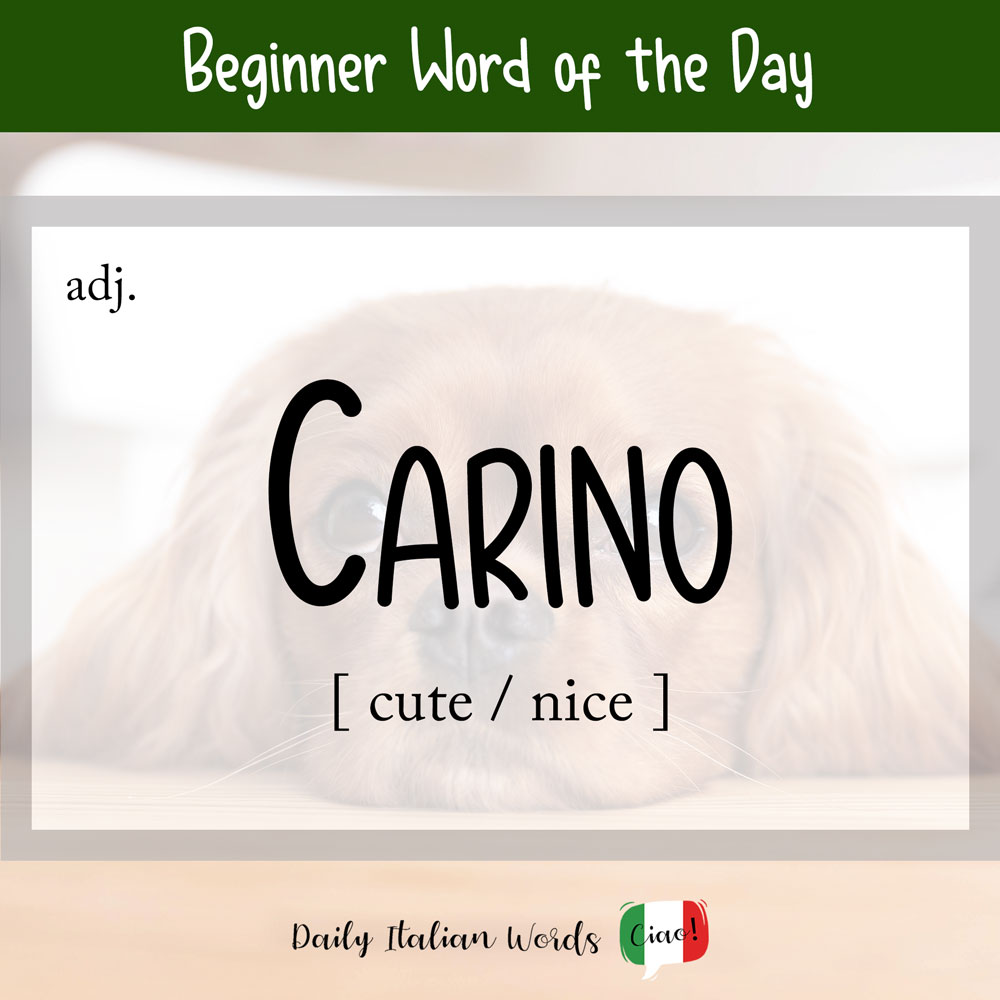
Italian Word of the Day: Carino (cute / nice)

An adjective you simply cannot survive without in Italian is carino. The diminutive of caro (dear), it translates in many ways including cute, pretty, nice, kind and lovely to name a few. In Italian, adjectives always agree in gender and number with the nouns they modify. Those ending in o have four forms – masculine, …

Read more

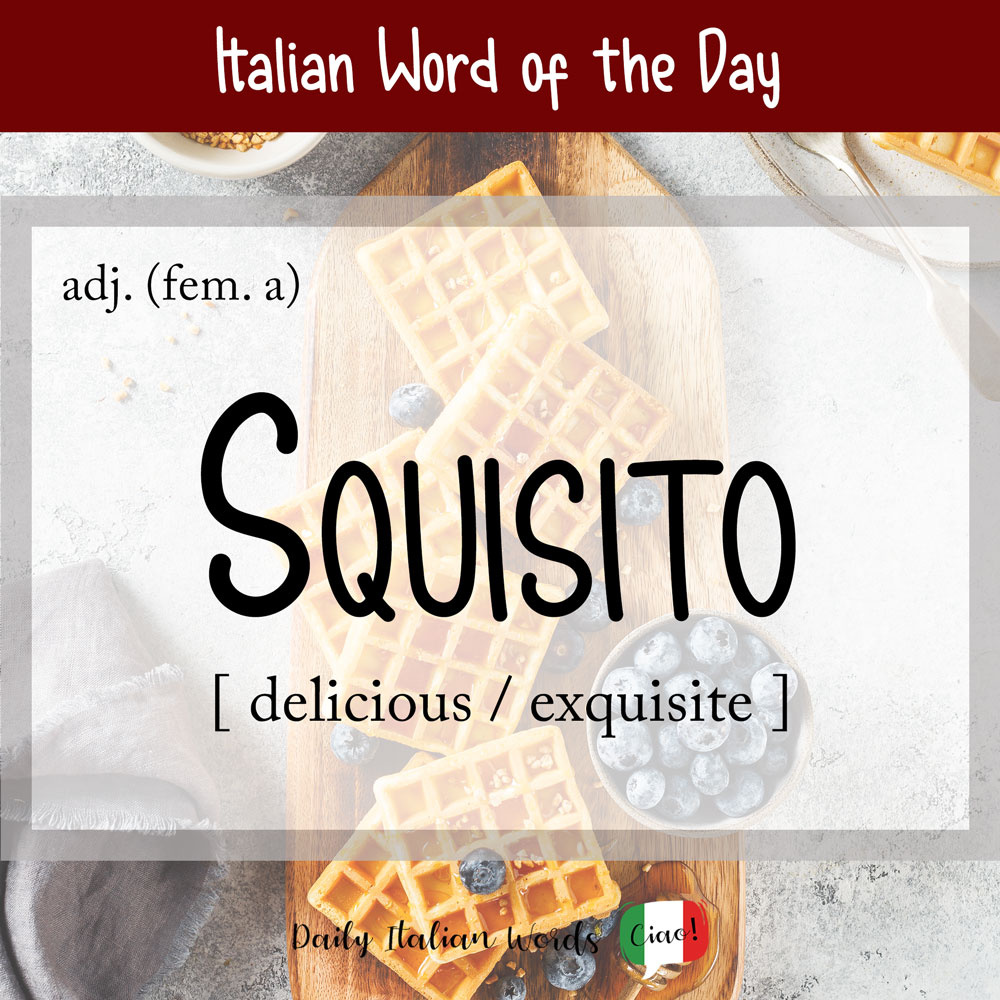
Italian Word of the Day: Squisito (delicious, exquisite)

The word squisito in Italian has two possible translations, depending on the subject in question. When talking specifically about food, drink or any other sustenance, squisito best translates as delicious. In fact, it is a more accurate translation than the similar-sounding delizioso, an adjective whose primary translations are adorable or charming. To discover all the …

Read more