Italian Word of the Day: Caldo (hot / warm)
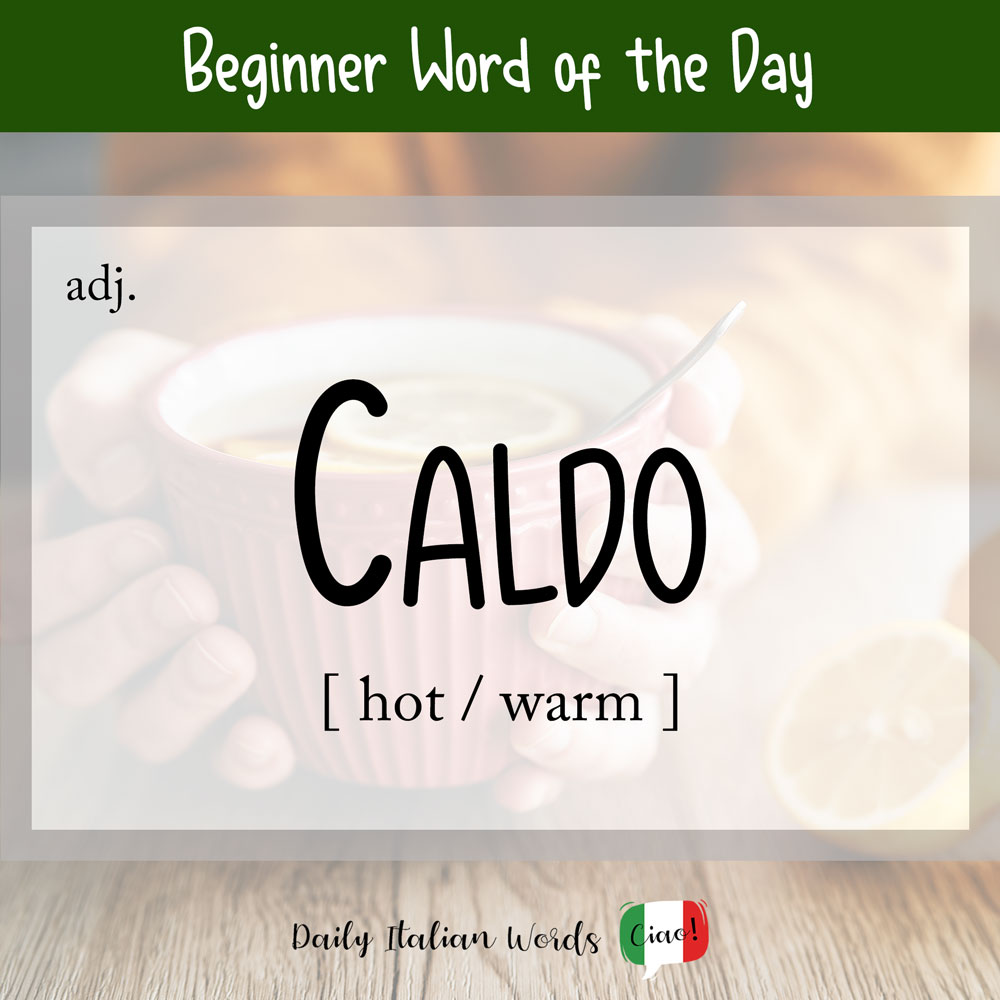
The word caldo can refer to anything that is hot or warm, be it the temperature, weather, food or clothing. Because it is an adjective, the ending changes depending on whether the subject is masculine, feminine, and/or plural. La minestra è ancora calda, ti servo un altro piatto? The soup is still hot, do you …

Read more

Italian Word of the Day: Facile (easy)

The Italian word for easy or simple is facile. As you’ve probably guessed, it shares the same origin as the English word facile (meaning simplistic). Both come from the Latin facilis meaning easy. The singular facile is used to describe both masculine and feminine subjects and there is only one plural (facili). Non è facile …

Read more

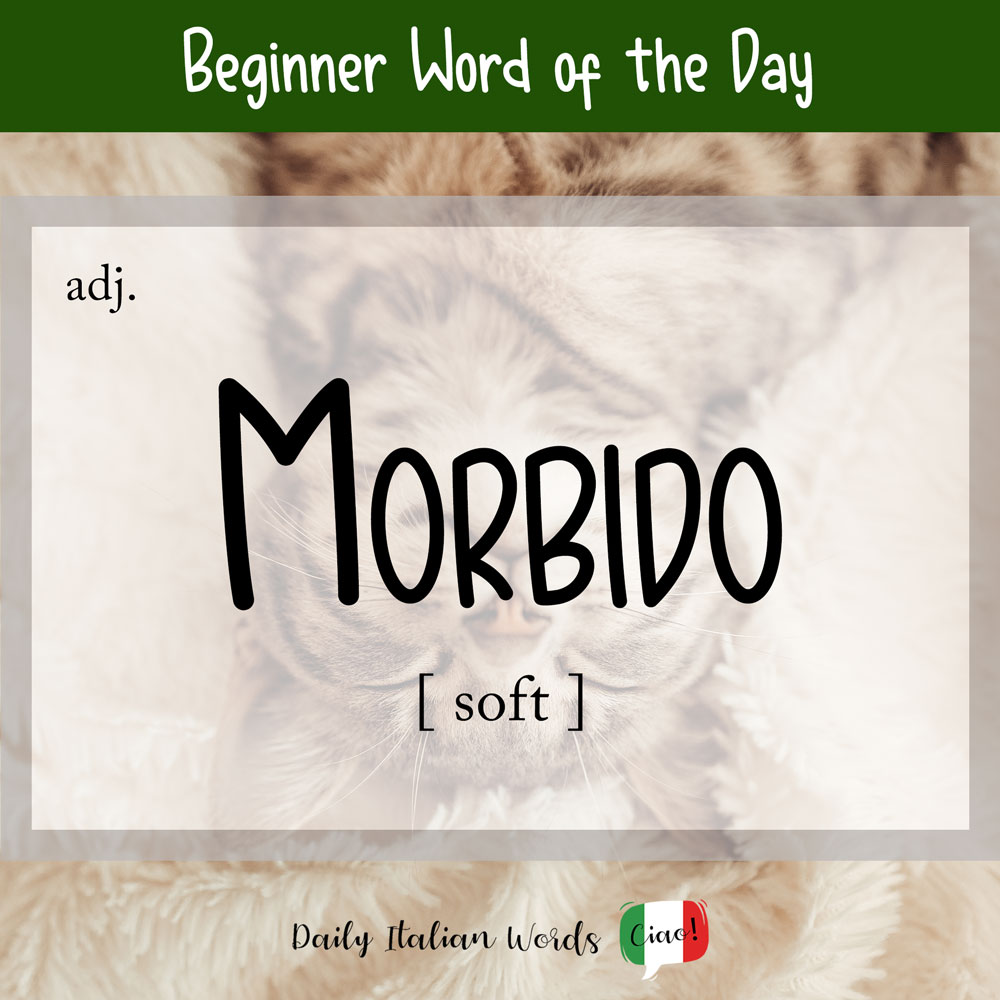
Italian Word of the Day: Morbido (soft)

The Italian word morbido may look and sound a lot like the English word morbid but don’t be fooled: these two terms are actually false friends! The correct translation for morbido is soft whereas morbid is morboso. What’s interesting is that morbido and morbid can both be traced back to the same Latin root morbus …

Read more

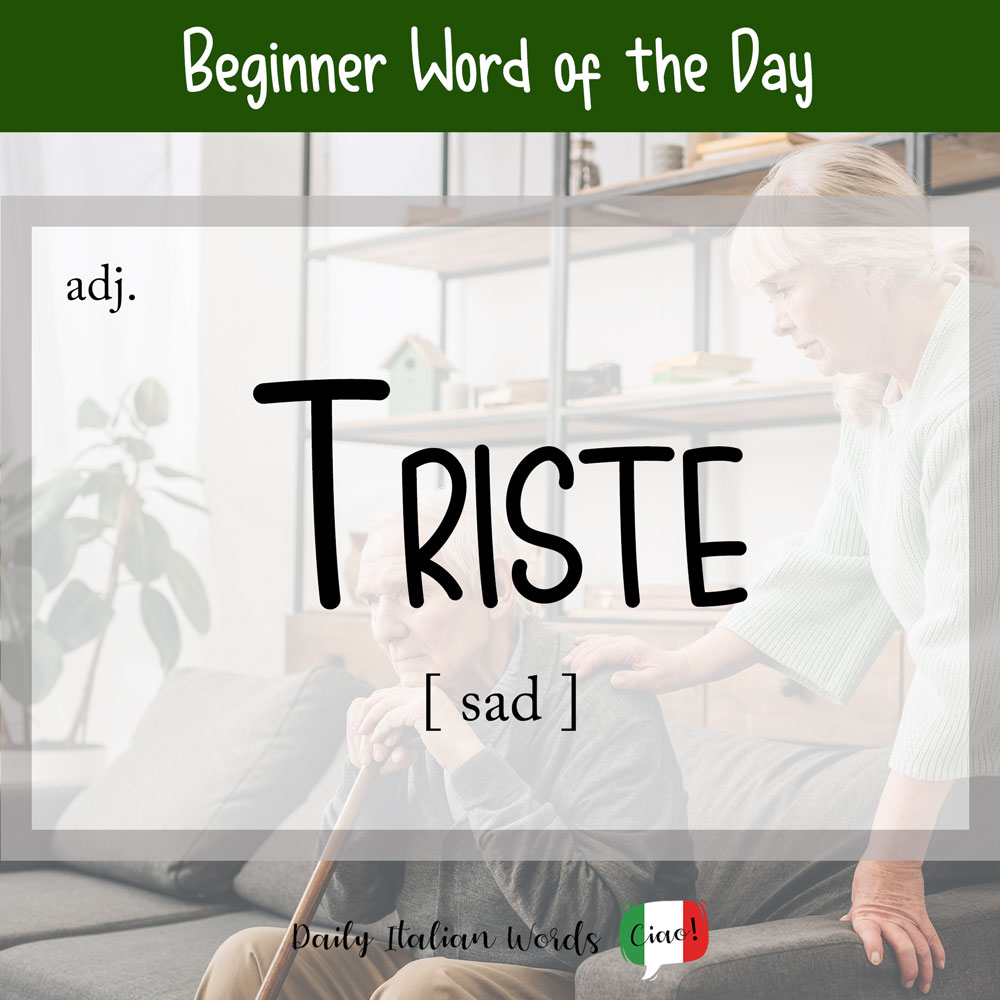
Italian Word of the Day: Triste (sad)

The word for sad in Italian, which comes from the Latin tristis, is triste. Like all other adjectives that end in e, the ending of triste stays the same regardless of whether the subject is masculine or feminine. In its plural form, it becomes tristi. È una situazione molto triste per tutte le persone coinvolte. …

Read more

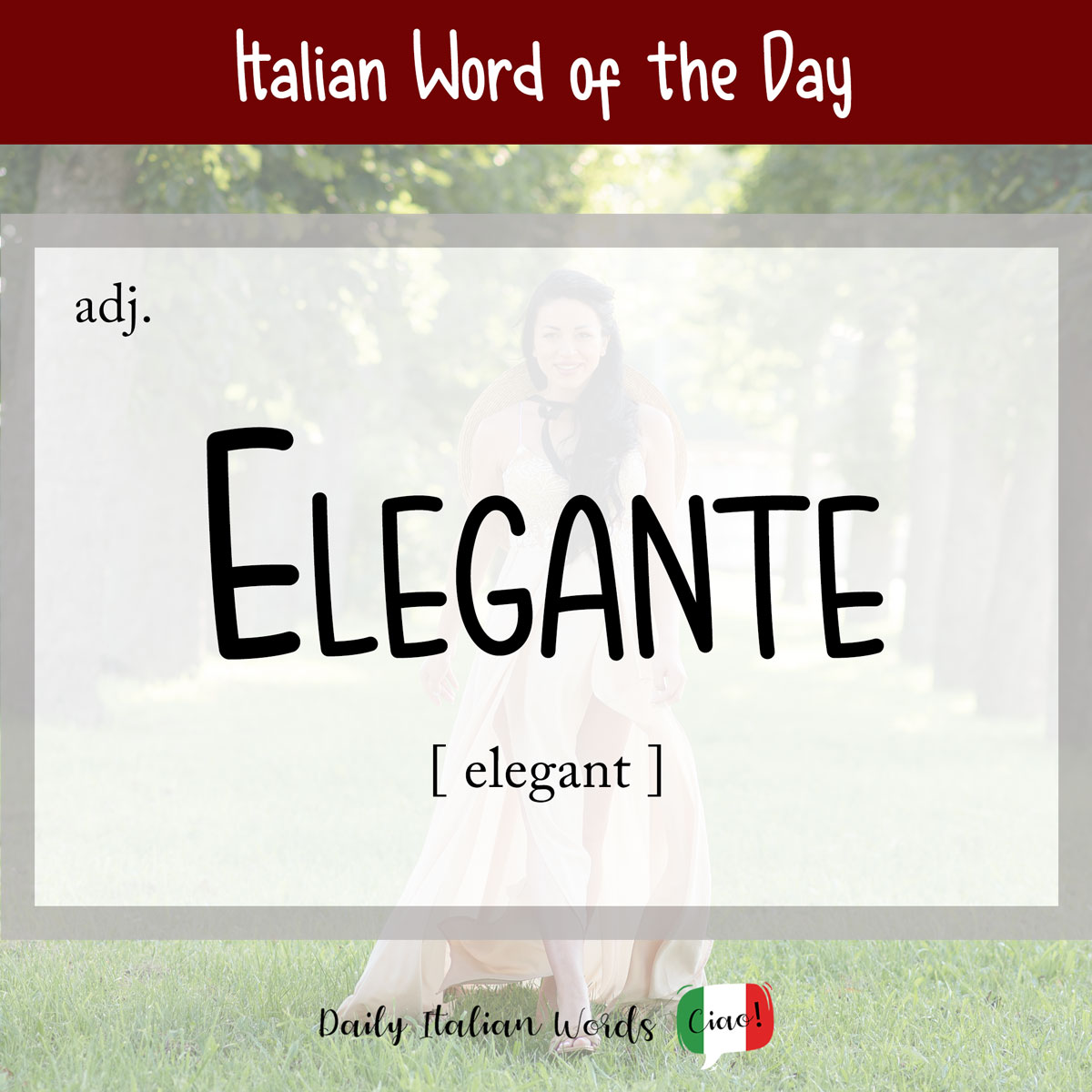
Italian Word of the Day: Elegante (elegant)

If you attend a party wearing an abito da sera (evening dress) or a smoking (tuxedo), there is a very good chance someone will compliment you on how elegante (elegant) you look! The word elegante is used in reference to both masculine and feminine subjects. It can refers to clothes but also manners and attitude. …

Read more

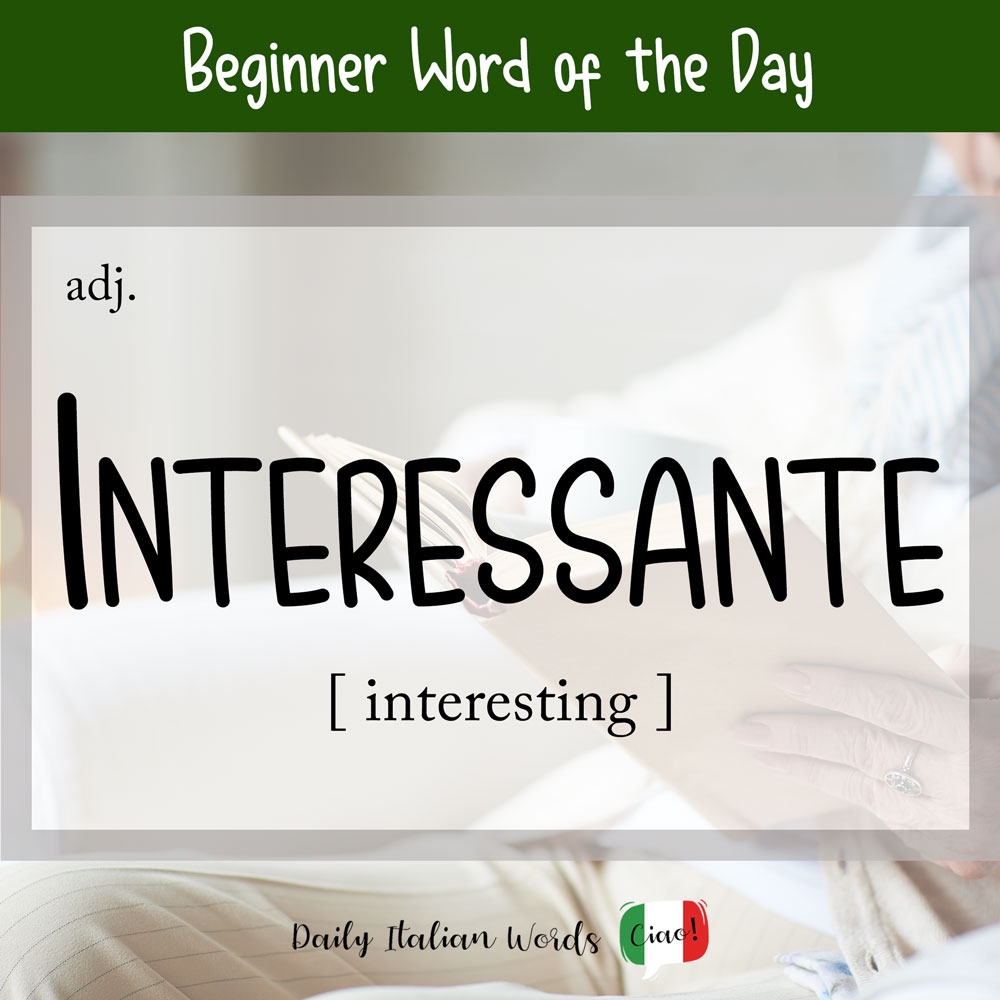
Italian Word of the Day: Interessante (interesting)

As you might have already guessed by the similarities in their spelling and pronunciation, interessante is the word for interesting in Italian. The singular interessante becomes interessanti in the plural. The gender of the subject doesn’t influence the ending as it does with some adjectives. Trovo che questo libro sia più interessante dell’ultimo che ho …

Read more