Italian Word of the Day: Carciofo (artichoke)
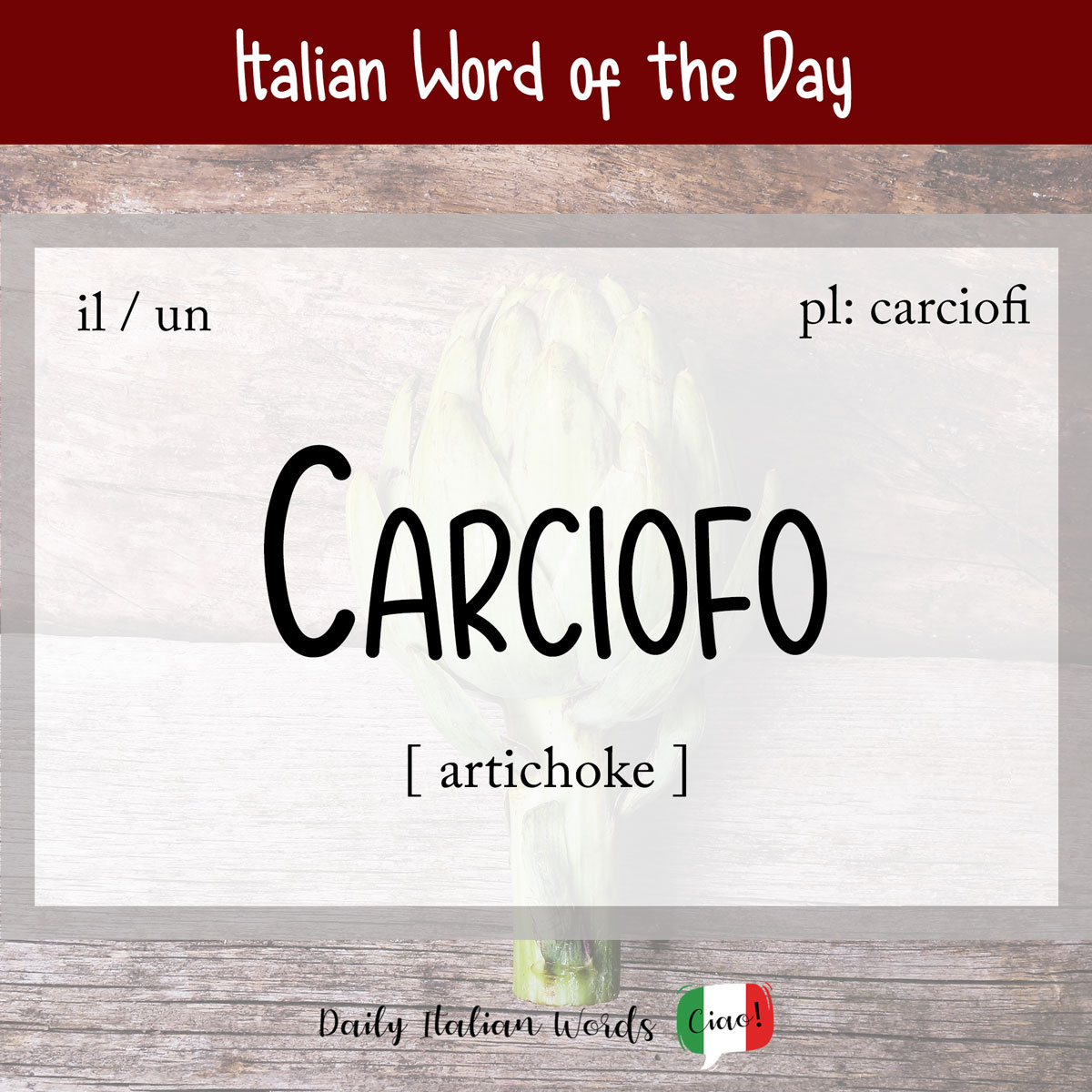
Today we’re going to be taking a look at one of my favourite vegetables, the humble yet incredibly tasty carciofo. Unlike many Italian words, the word doesn’t have a Latin origin – rather, it comes from the Arabic kharshuf. It is the word, not only for the edible part of the plant, but also the …
Read more

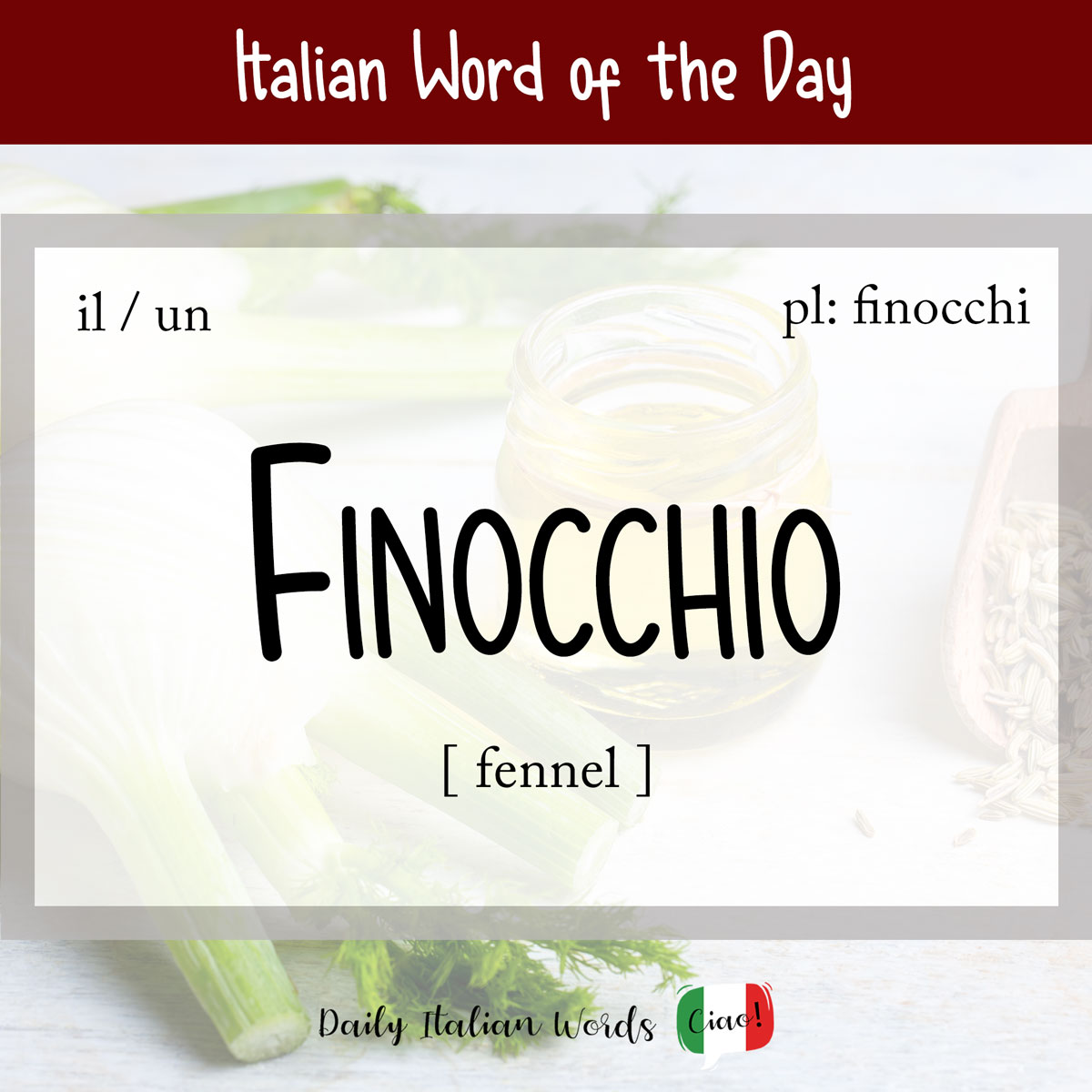
Italian Word of the Day: Finocchio (fennel)

Before moving to Italy, I was completely unfamiliar with the finocchio, an aromatic yellow-flowered plant of the parsley family with feathery leaves and gentle aniseed flavour. It has since become one of my favourite winter vegetables! finocchio fennel Finocchio is a masculine noun, and the plural is finocchi. Here are the definite and indefinite articles …

Read more

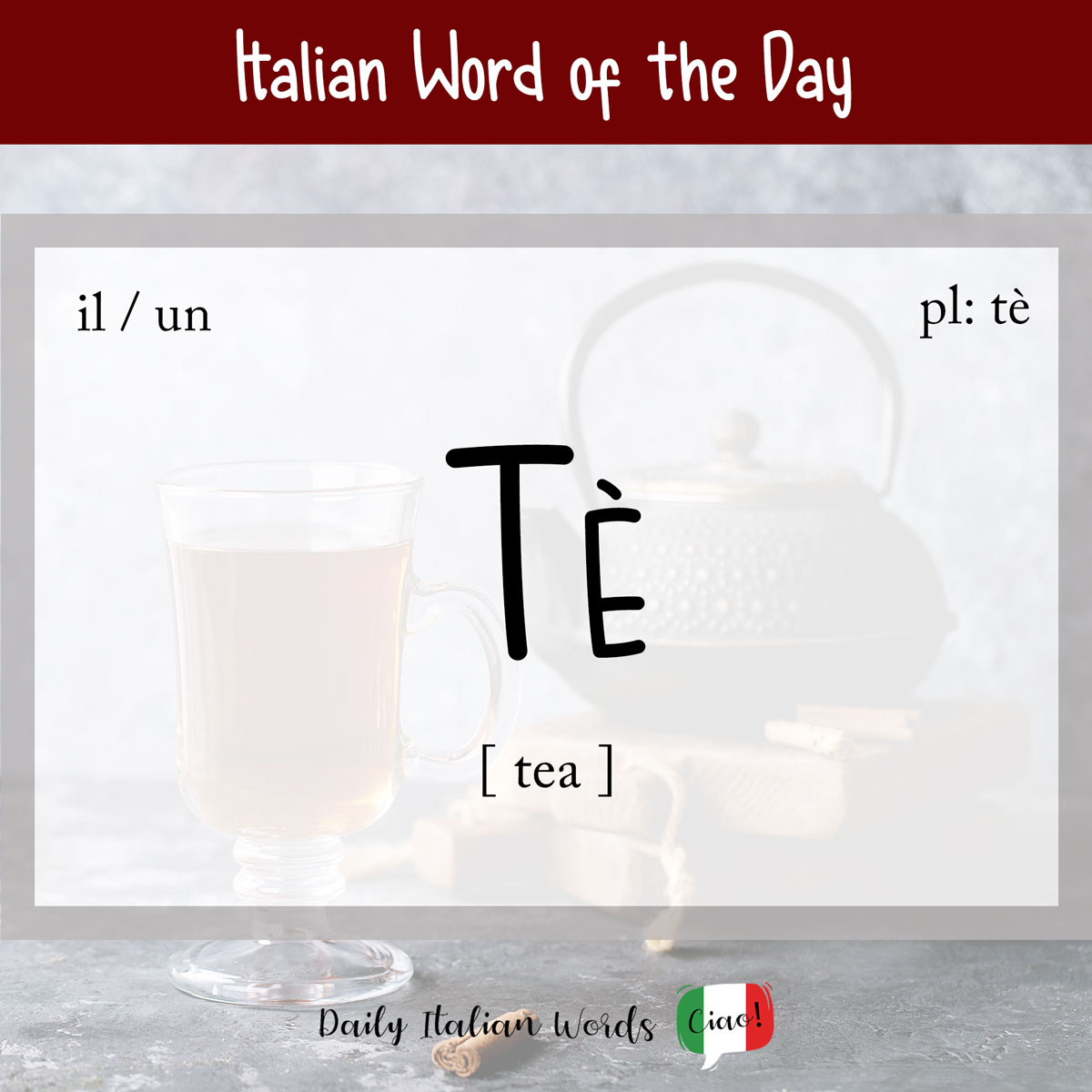
Italian Word of the Day: Tè (tea)

When I moved to Italy, I embraced most of the local eating and drinking customs—pizzas, late dinners, and apertivos—but the one thing I couldn’t quite get used to was il caffè – sacrilege, I know! That’s because, being British-Canadian, I’m a dedicated tea drinker! In Italian, the word for tea is simply tè. tè tea …

Read more

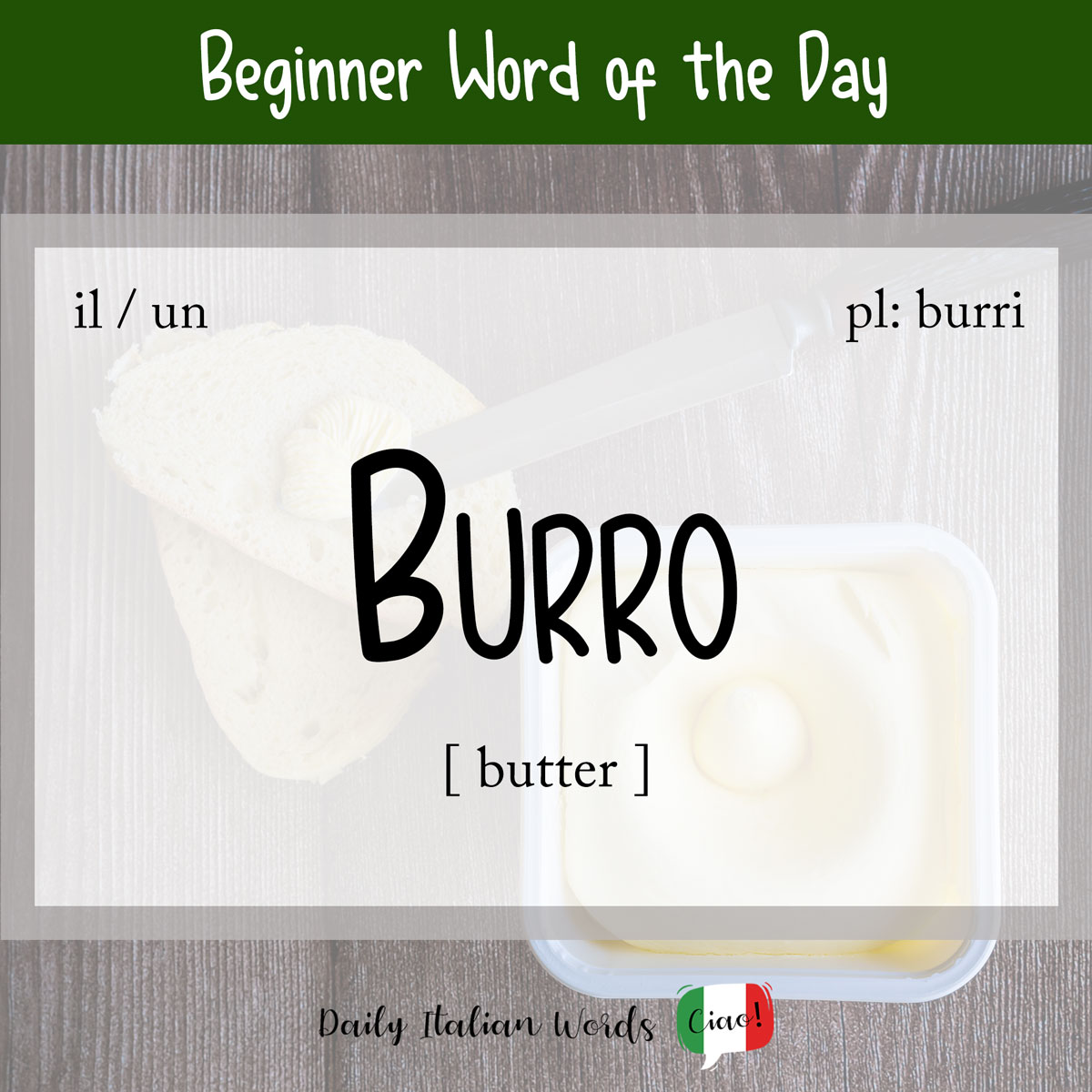
Italian Word of the Day: Burro (butter)

What do Italians call that deliciously creamy substance we love to spread on toast in the morning? The answer is burro (butter)! burro butter Burro, derived from the Old French burre, traces its origins to the Latin butyrum and the Greek bṹtyron, a combination of bûs (cow) and tyrós (cheese) according to the Devoto-Oli Italian …

Read more

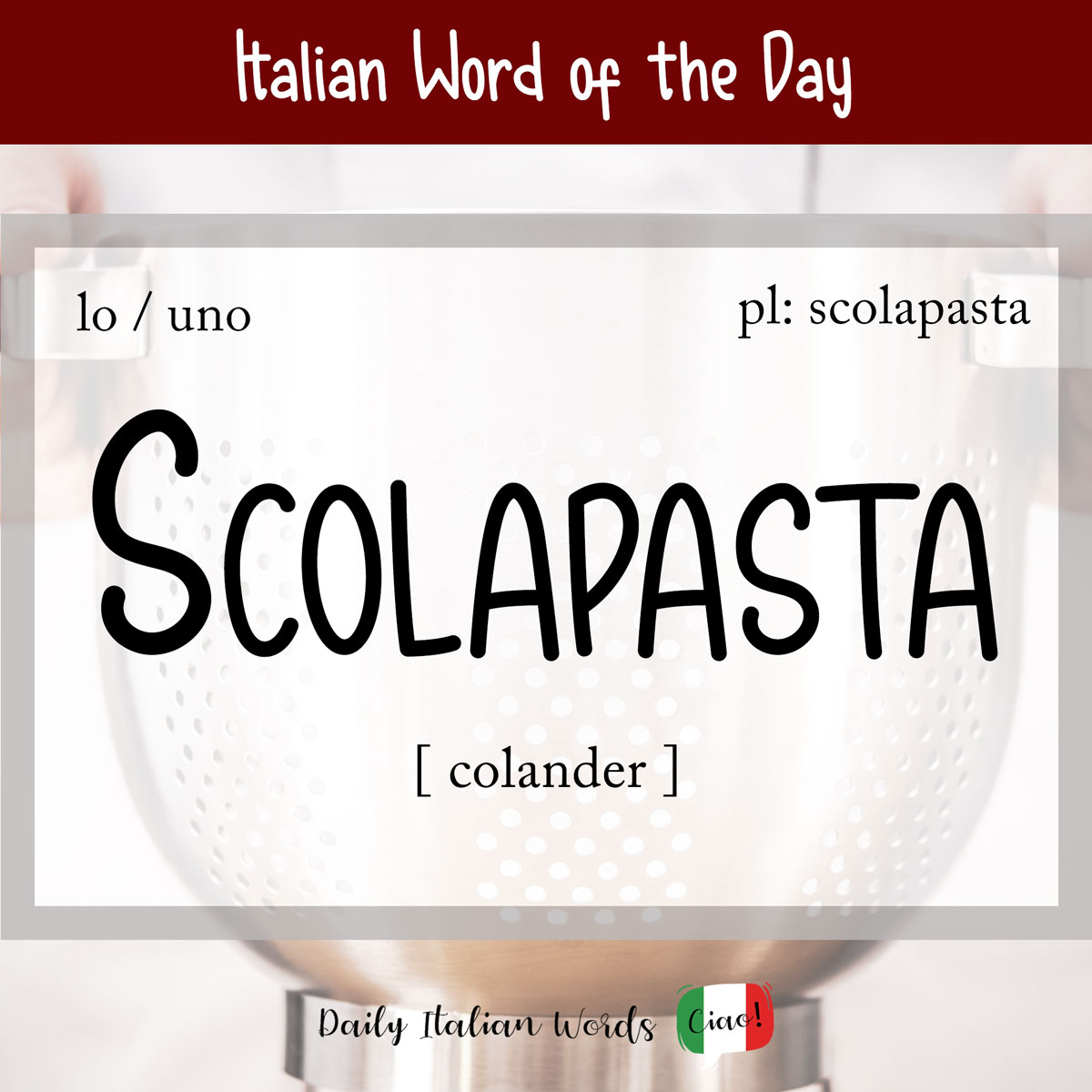
Italian Word of the Day: Scolapasta (colander / strainer)

Some of you might think this is an unusual choice for the word of the day, but based on recent conversations in our Facebook group, it’s also one of your favourites! Scolapasta, which is made up of two words – the verb scolare (to drain or to strain) and the noun pasta – literally means …

Read more

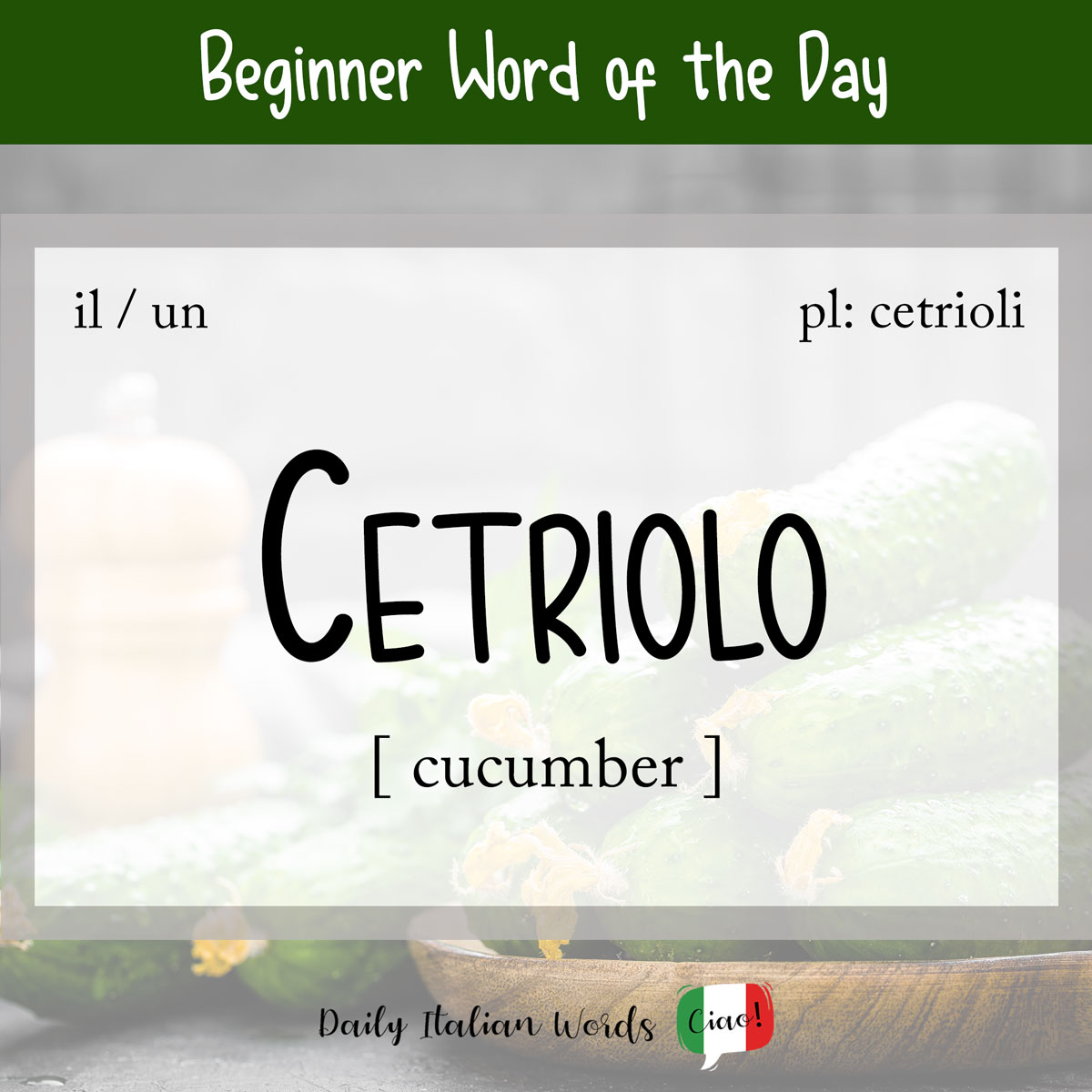
Italian Word of the Day: Cetriolo (cucumber)

Cetriolo is the standard Italian word for cucumber. Is is derived from the Vulgar Latin citriòlum, and in turn from citrium, which comes from citrus (meaning “citron”). cetriolo cucumber Being a masculine noun, it takes the following definite and indefinite articles: Ricordati di prendere un po’ di cetrioli quando vai al supermercato. Remember to buy …

Read more