Italian Word of the Day: Ecco (here / there / this / that)
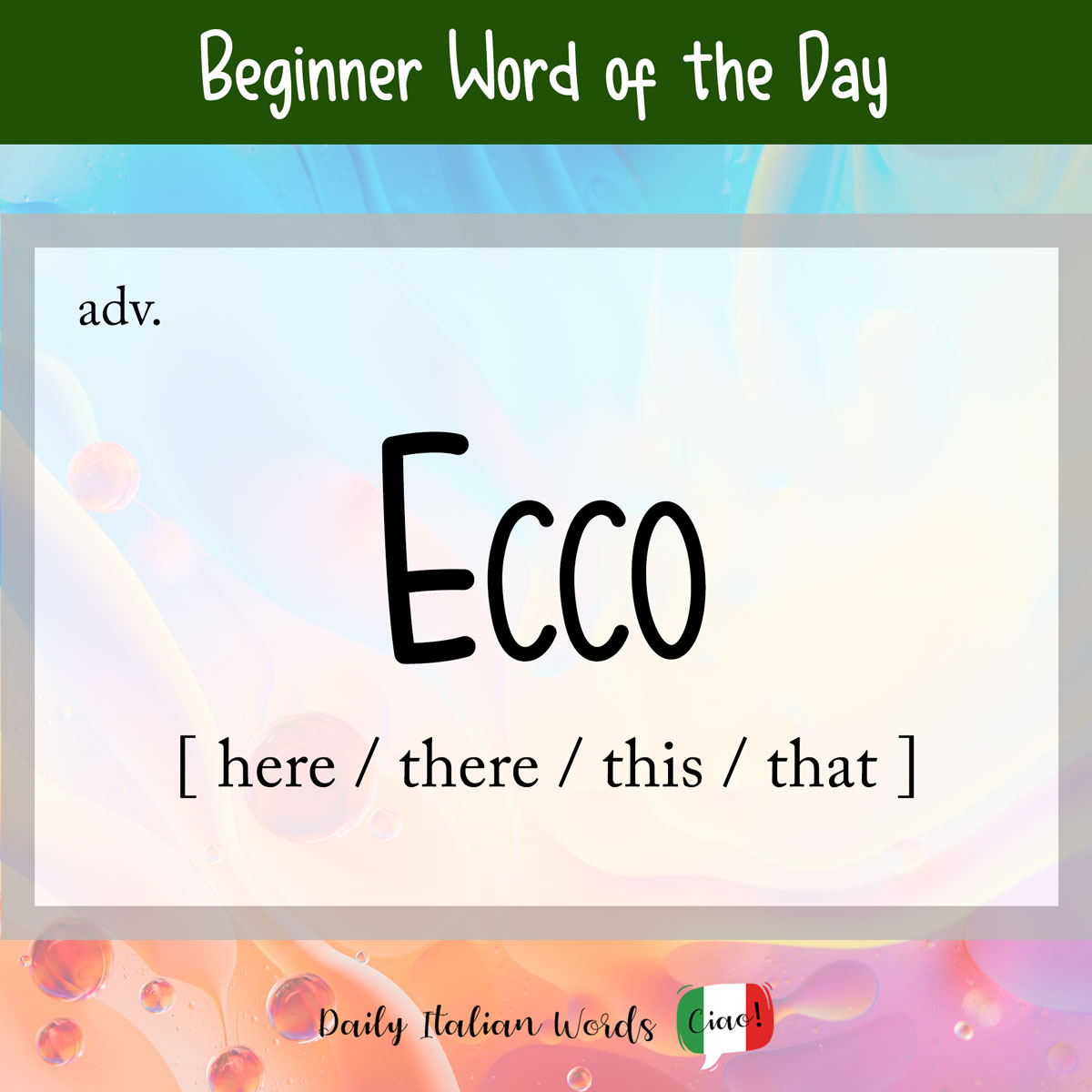
If you’ve been asking yourself what the word “ecco” means in Italian, you aren’t alone! Ecco is one of those multifaceted words in Italian that learners must use and hear in various situations in order to fully understand the scope of its meaning. Although in many situations you can safely translate ecco with the words …
Read more

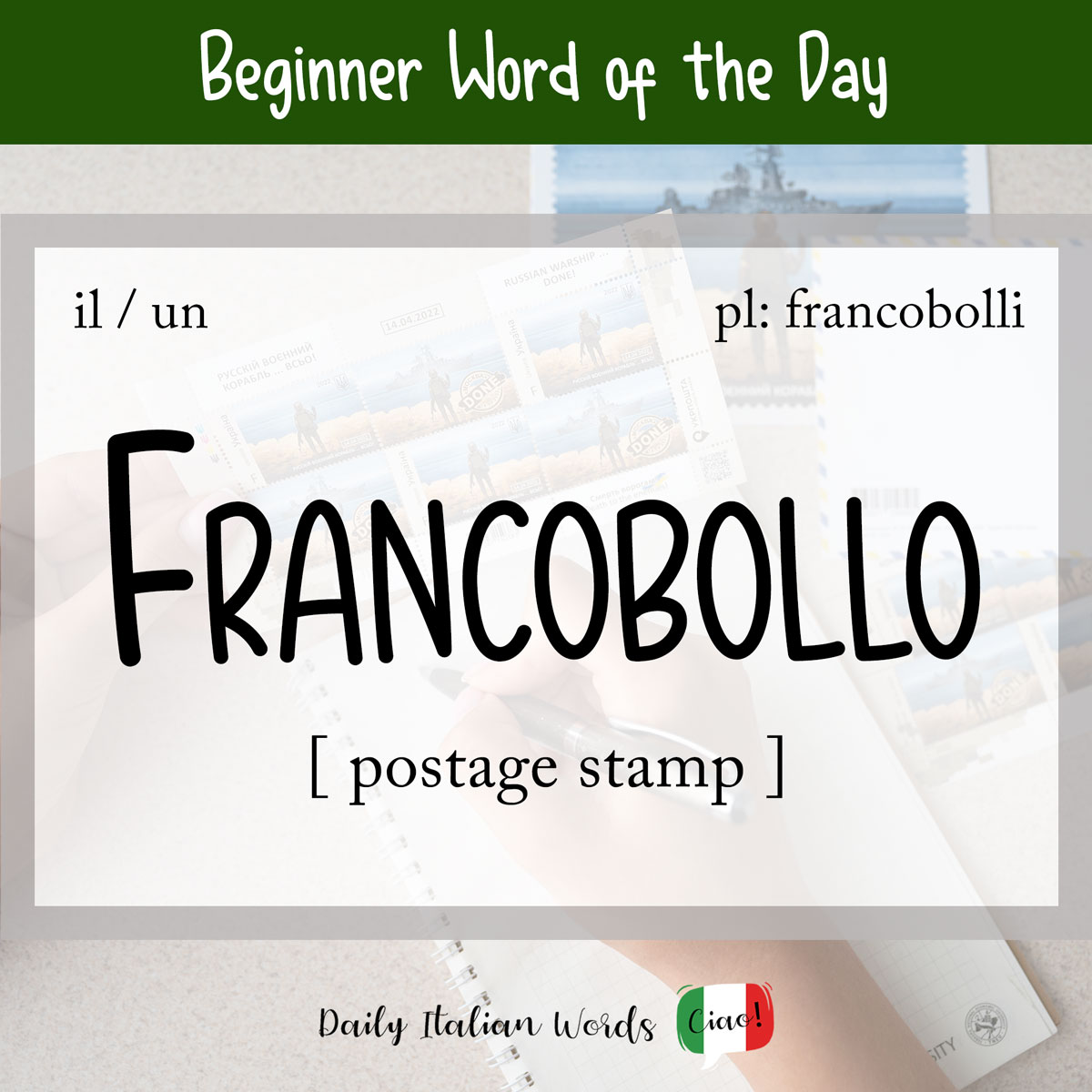
Italian Word of the Day: Francobollo (postage stamp)

When I was young, one of my favourite pastimes was flipping through my father’s vast collection of postage stamps, among which was the prized Penny Black, the world’s first adhesive stamp. The word for postage stamp in Italian is francobollo. Being a masculine noun, it takes the following definite and indefinite articles. The etymology of …

Read more

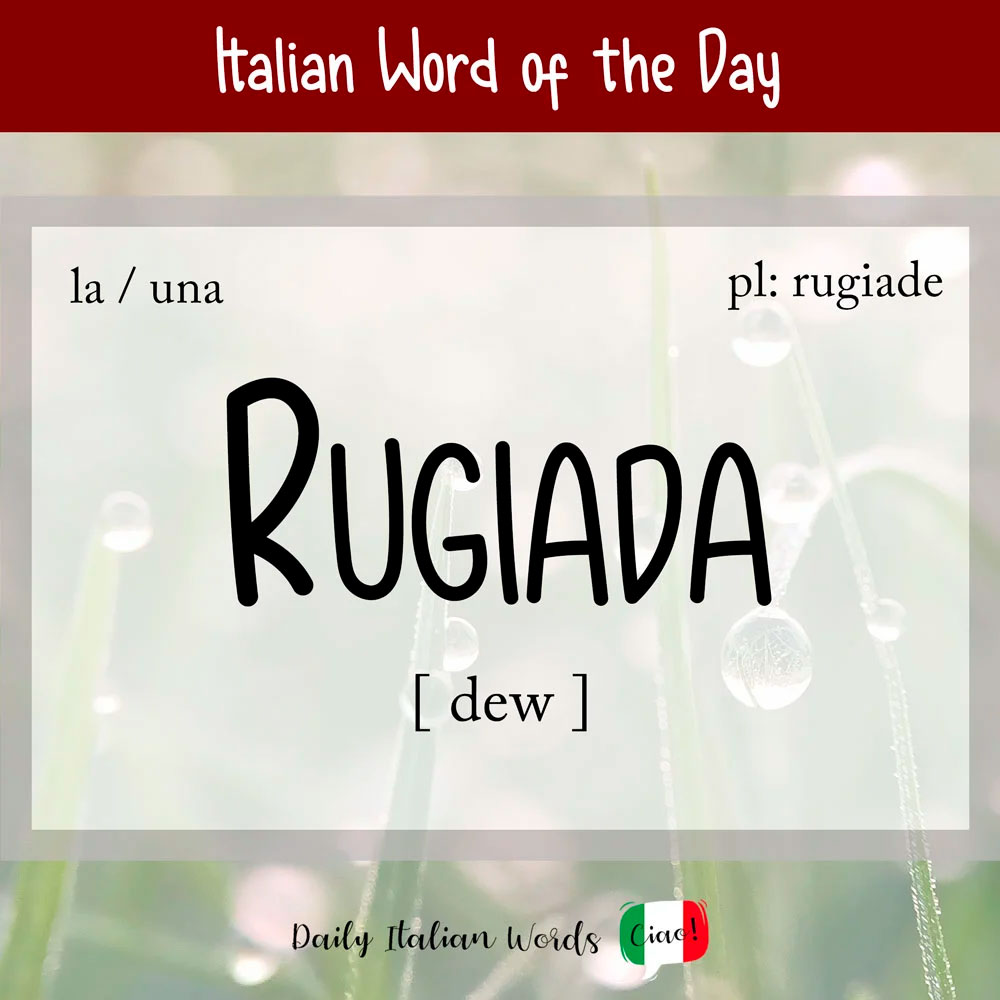
Italian Word of the Day: Rugiada (dew)

Italian word for dew, rugiada

An Italian word that sounds as lovely as the thing it indicates is rugiada, which means dew. It is thought to have entered the language from the Latin ros via the Gallo-Italic rosada. Rugiada is a feminine noun whose plural form is rugiade. (Note, however, that the plural form is used far less than the …

Read more

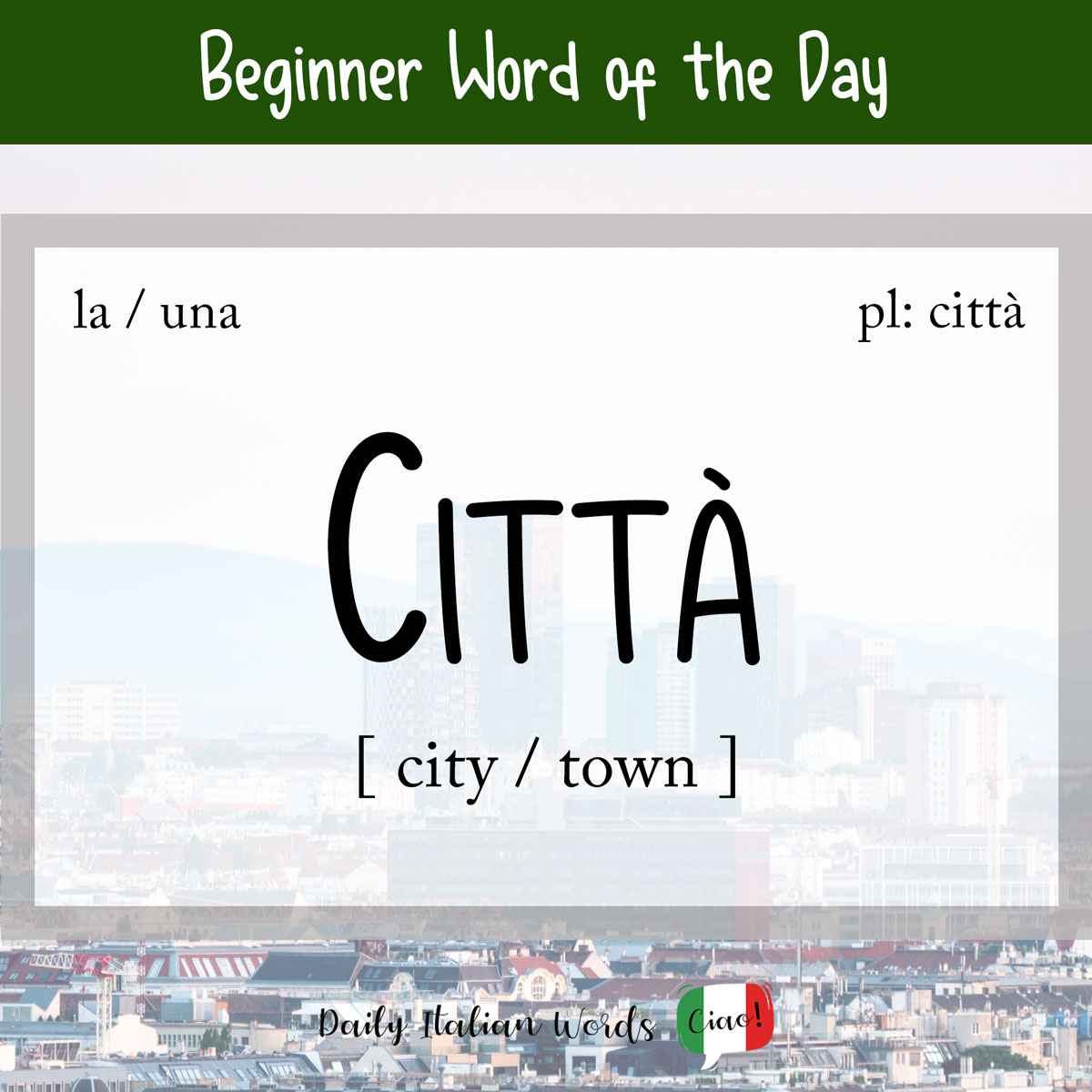
Italian Word of the Day: Città (city / town)

The word for a city in Italian is città. It is derived from the Latin civitatem, a derivative of civis meaning “citizen“. It generally refers to any human settlement of considerable size with streets, public services, and a local administration. Because it is an invariable feminine noun, the plural form is the same as the …

Read more

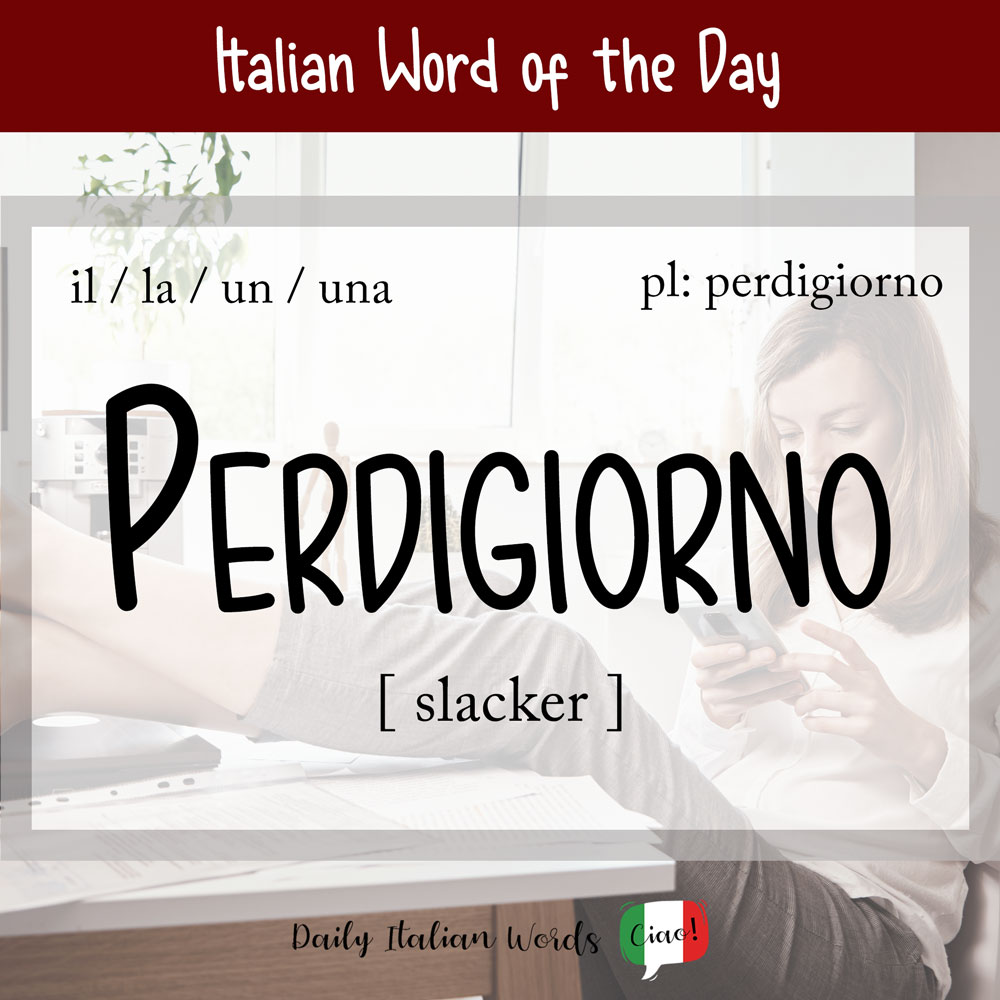
Italian Word of the Day: Perdigiorno (slacker)

Do you know someone who sits around all day doing nothing? Then you could call him or her a perdigiorno in Italian! Perdigiorno, which is an invariable noun made up of the words perdere (to lose / to miss / to waste) and giorno (day), is used to describe both men and women who avoid …

Read more

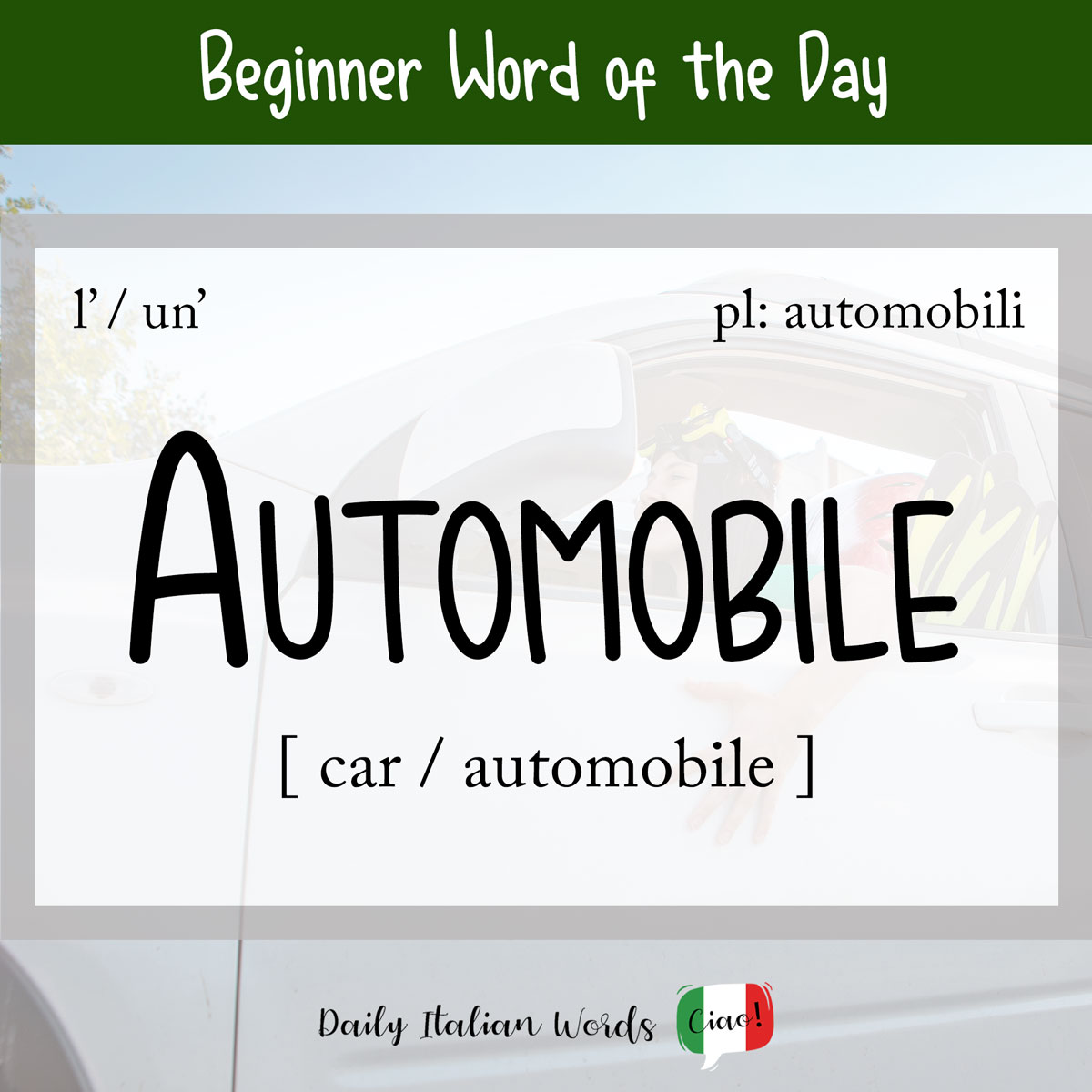
Italian Word of the Day: Automobile (car)

Automobile is one of many terms for car in Italian. Like its English cognate, it entered the language via the French automobile, which comprises two words: auto (‘self’) and mobile (‘mobile’). Being a feminine noun that begins with a vowel, it takes the following definite and indefinite articles: Because it is a relatively formal word, …

Read more