Italian Word of the Day: Sole (Sun)

Italian word for sun

The name we give the bright star (stella) at the centre of our solar system is the Sun (Sole) with a capital letter S. The word sole can be used to describe not just the star itself but also the light (sunlight or sunshine) it generates. When referring to the light, you must use the …
Read more

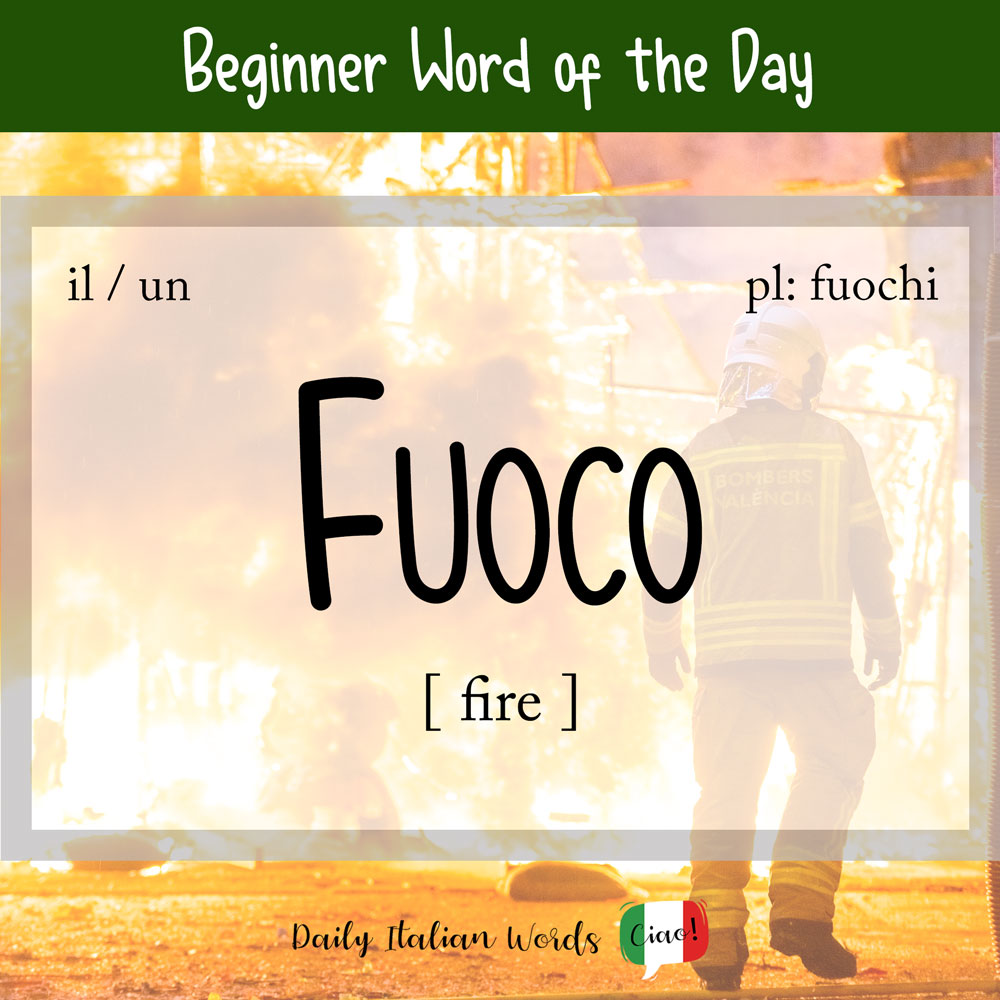
Italian Word of the Day: Fuoco (fire)

The greatest turning point in history for the human species was the discovery of fire, or fuoco in Italian (masculine, plural: fuochi). Mi sono seduto vicino al fuoco per scaldarmi. I sat beside the fire to warm myself up. In a figurative sense, fuoco can also be translated as hearth or flame (in the sense of …

Read more

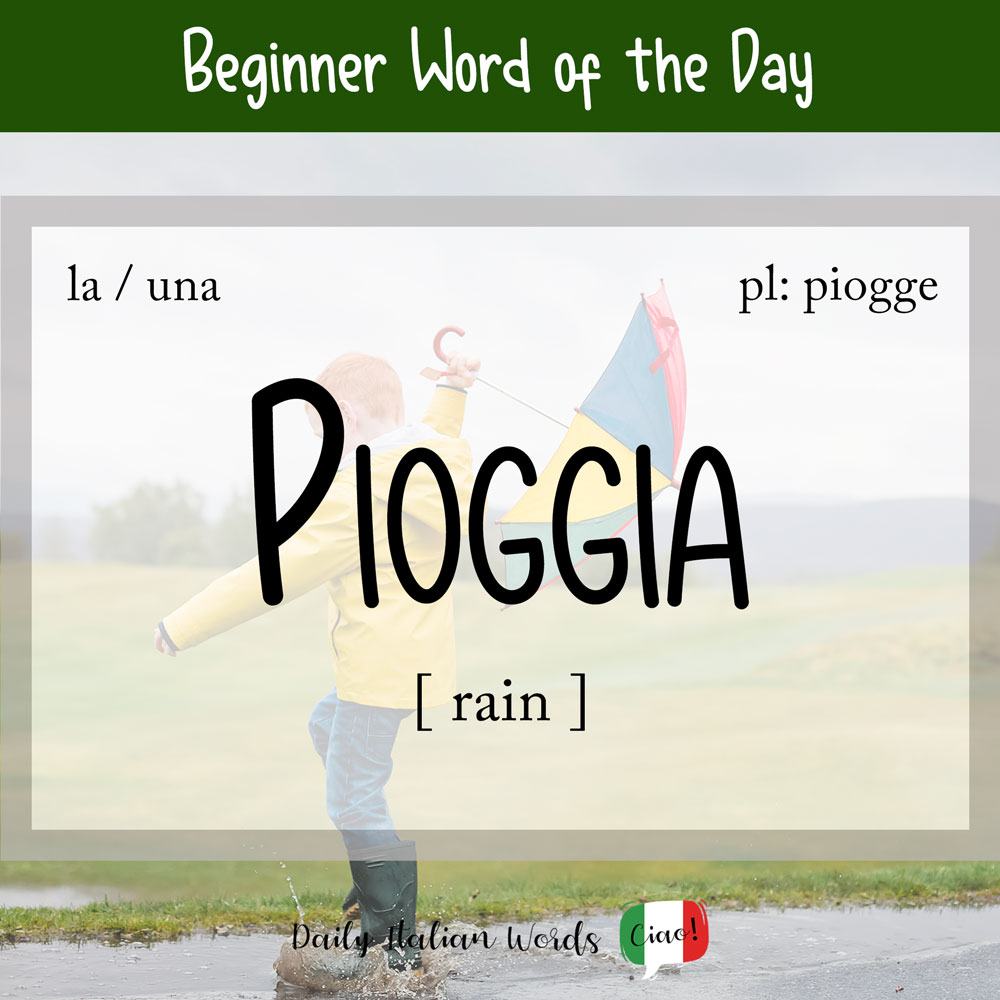
Italian Word of the Day: Pioggia (rain)

Although Italy has a variety of microclimates, the rainy season generally occurs between March and May and again between September and November, with October and November being the rainiest months of the year. In the Piemonte region where I used to live, violent thunderstorms are also common during the peak summer months. The word for …

Read more

Italian Word of the Day: Ghiacciolo (icicle)

An icicle is a column of ice (ghiaccio) formed when dripping water freezes in sub-zero temperatures, so it shouldn’t come as a surprise that the Italian word for icicle derives from the word for ice: ghiacciolo (masculine, plural: ghiaccioli). I ghiaccioli che pendevano dalle case scintillavano come diamanti. The icicles that hung from the houses sparkled like …

Read more

How to Say “Coal” in Italian – Carbone

According to the American and English Christmas tradition, Santa Claus puts toys (giochi) and sweets (caramelle) inside the stockings of the children who have been good, and coal – or carbone in Italian – inside those of naughty children. In Italy, it is Befana, the Italian Christmas witch, who has the job of filling the …

Read more

Italian Word of the Day: Fiocco di neve (snowflake)

The snow we see on the ground at Christmastime is made up of hundreds of billions of tiny snowflakes, none of which are identical. This is because each snowflake is made up of millions of tiny water molecules that can arrange themselves in infinite ways. Comparing two snowflakes may reveal some physical similarities but statistically …

Read more