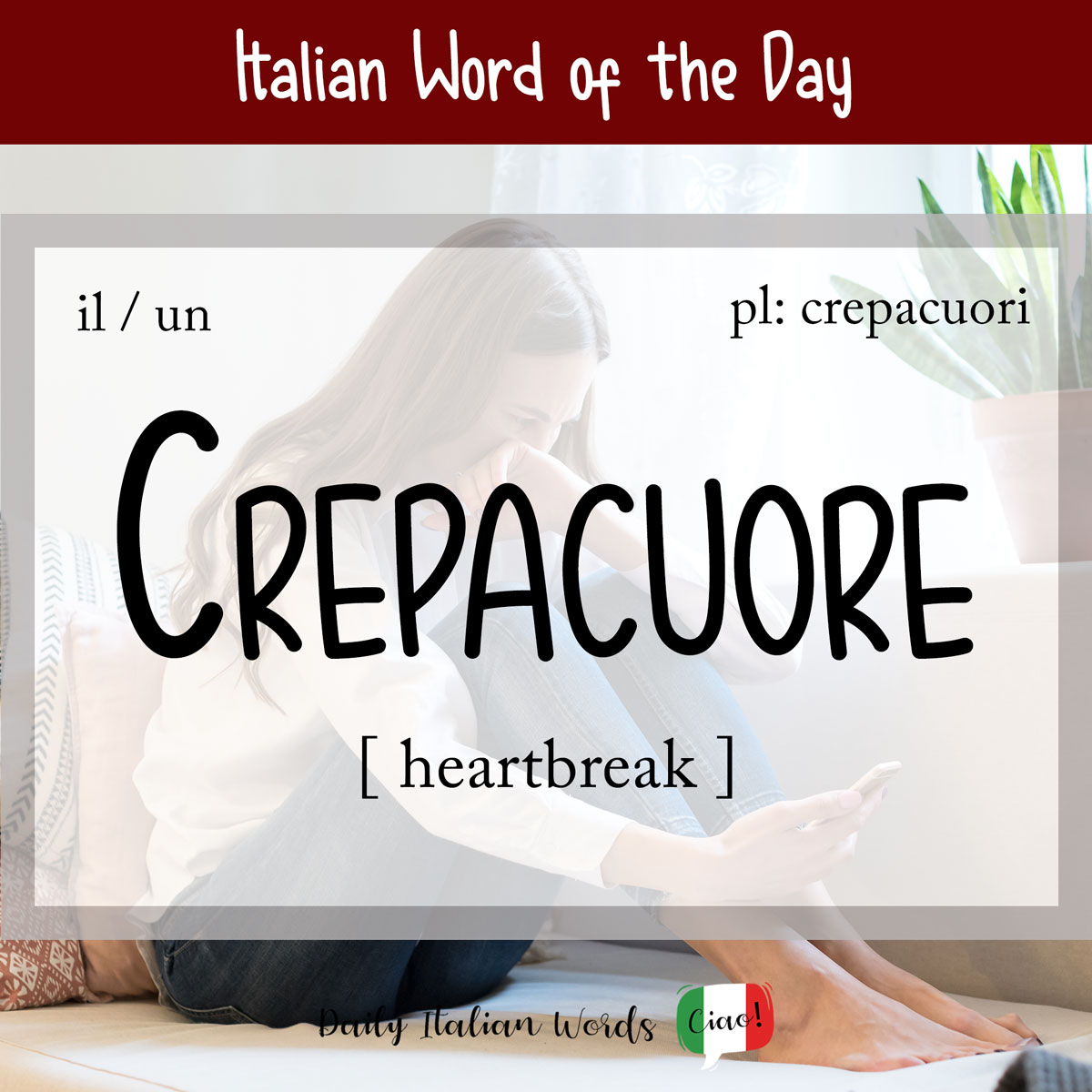
Italian Word of the Day: Crepacuore (heartbreak)

Crepacuore (masculine, plural: crepacuori) is one possible translation for heartbreak or broken heart in Italian. It is made up of two terms: the verb crepare, which is a colloquial way of saying to die, and cuore, the word for heart. Below are a couple of verbs you might hear used with this word: Dopo meno …

Read more

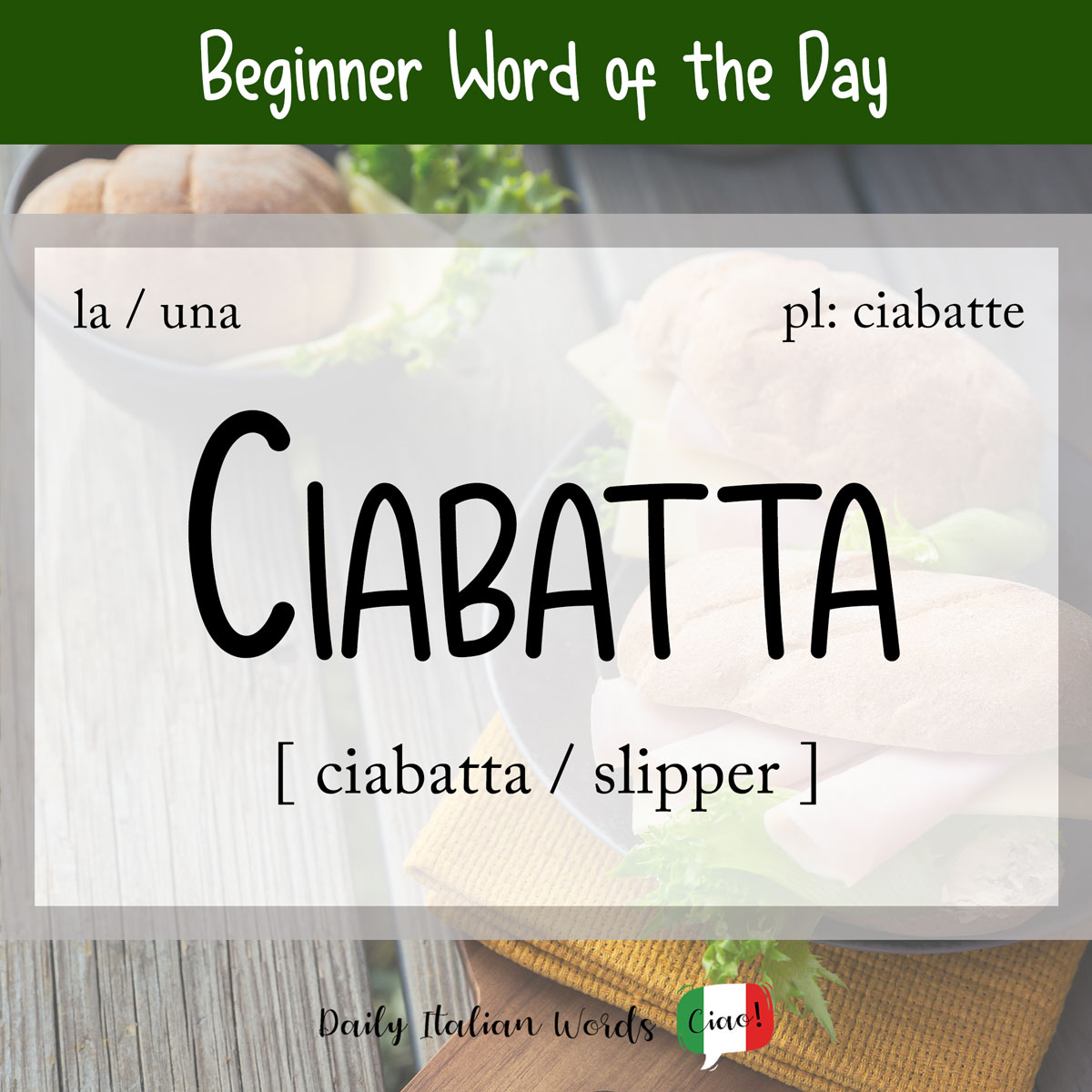
How to Pronounce “Ciabatta” in Italian – Pronunciation Guide

The ciabatta (feminine, plural: ciabatte) is a classic type of Italian bread made from wheat, flour, water, salt, yeast and olive oil. Recognisable by its long flat shape, large holes and crunchiness, it is a very popular choice for sandwich-making across the world. You may be surprised to learn that the ciabatta isn’t an ancient …

Read more

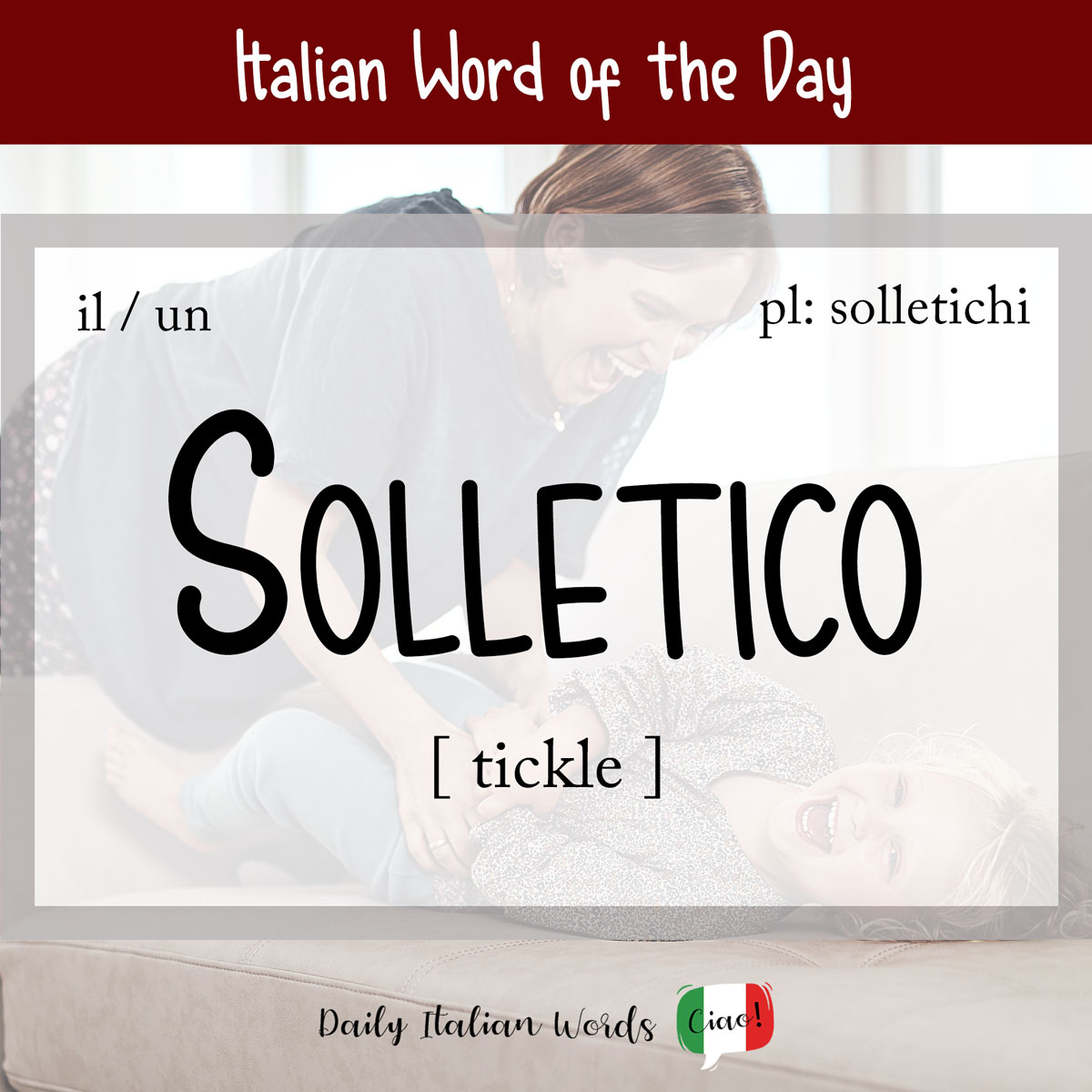
Italian Word of the Day: Solletico (tickle)

The Italian word for tickle is solletico (masculine, plural: solletichi). It normally appears in the expressions fare il solletico (to tickle, or literally, “to do the tickle”) and soffrire il solletico (to be ticklish, or literally, “to suffer from the tickle”). A synonym for fare il solletico is the verb solleticare. If you are going …

Read more

Pronunciation Guide: How to pronounce “Calzone” in Italian

A calzone is a speciality pizza, originating from Naples and Puglia, that is folded in half before being baked in the oven or fried. Each region in Italy has its own distinct variation, but popular fillings include mozzarella, parmesan, ricotta, pecorino, ham, salami, vegetables and tomato sauce. Origin of the word: The word calzone was …

Read more

Italian Word of the Day: Tempo (weather)

The Italian word for weather is tempo (masculine, plural: tempi). It comes from the Latin tempus meaning time – and yes, before you say anything, we are fully aware that tempo is also the word for time in Italian. However, we won’t be covering this definition here, as it deserves a blog post all of …

Read more

Italian Word of the Day: Malato (sick / ill)

One of the most common adjectives in Italian for someone who is sick or ill is malato. The feminine form is malata and their respective plurals are malati and malate. Just like its English equivalent, it can describe ailing plants and animals too. If you are only suffering from a minor sickness, you can say …

Read more