Italian Word of the Day: Gelato (ice cream)
In foreign countries, the noun gelato (masculine, plural gelati) is associated with a special kind of Italian ice cream. In Italy however, gelato refers to a wider range of ice cream and is therefore a more generic term. The family of gelati includes, for example: sorbetto = sorbet ghiacciolo = ice pop / ice lolly …

Read more

Italian Word of the Day: Perfetto (perfect)

Many nouns and adjectives that end in -ct in English take the ending -tto in Italian. This includes words like oggetto (object), architetto (architect) and our “word of the day” perfetto (perfect). perfetto perfect However, unlike English, the ending of perfetto changes depending on how many subjects are involved (singular versus plural) and the gender …

Read more

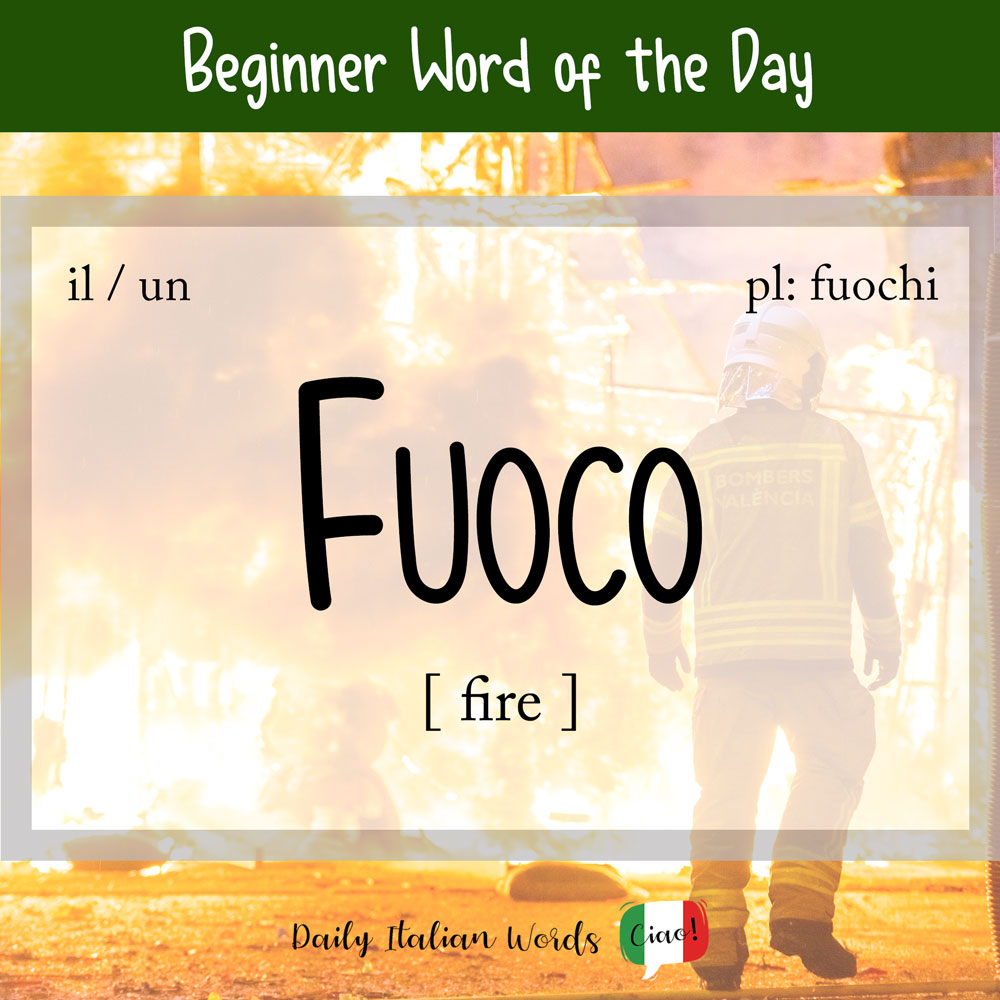
Italian Word of the Day: Fuoco (fire)

The greatest turning point in history for the human species was the discovery of fire, or fuoco in Italian. fuoco fire Fuoco is a masculine noun and takes the following definite and indefinite articles: Mi sono seduto vicino al fuoco per scaldarmi. I sat beside the fire to warm myself up. In a figurative sense, fuoco …

Read more

Italian Phrase of the Week: È così! (It is what it is!)

Italian phrase "è così"

In situations where you aren’t entirely thrilled with the status quo or the outcome of a situation, but have resigned yourself to accepting it for what it is, you might want to use the phrase È così! in Italian. This expression usually translates as It is what it is! or That’s how it is/things are! …

Read more

Italian Word of the Day: Nipote (grandchild / nephew / niece)

Whereas in English, we have separate words for grandson, granddaughter, grandchild, nephew and niece, in Italian, there is just one word that covers them all: nipote (plural: nipoti). nipote grandchild / nephew / niece In order to figure out which relative is being referred to, it helps to pay attention to the gender of the …

Read more

Italian Word of the Day: Inverno (winter)

Winter – or inverno in Italian – is the coldest season of the year due to the Earth‘s axis being oriented away from the sun. It occurs between autumn (autunno) and spring (primavera) each year. inverno winter Inverno is a masculine noun whose plural form is inverni. It takes the following definite and indefinite articles: …

Read more