Italian Word of the Day: Vergogna (shame / disgrace)
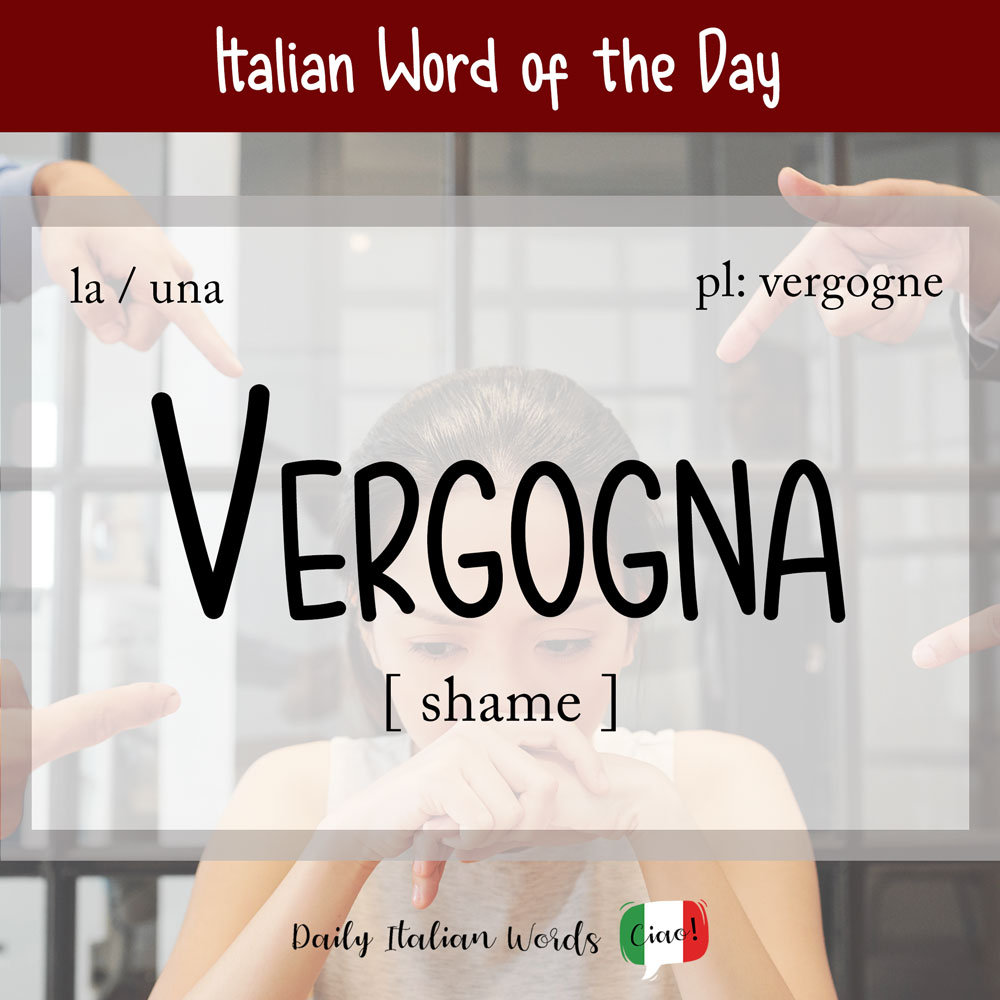
Vergogna is a very useful Italian noun that translates as shame, disgrace or embarrassment in English depending on the context. vergogna shame Vergogna is a feminine noun and takes the following definite and indefinite articles: Below are a few common verbs you’ll see is the company of vergogna: Non provi neanche un po’ di vergogna …
Read more

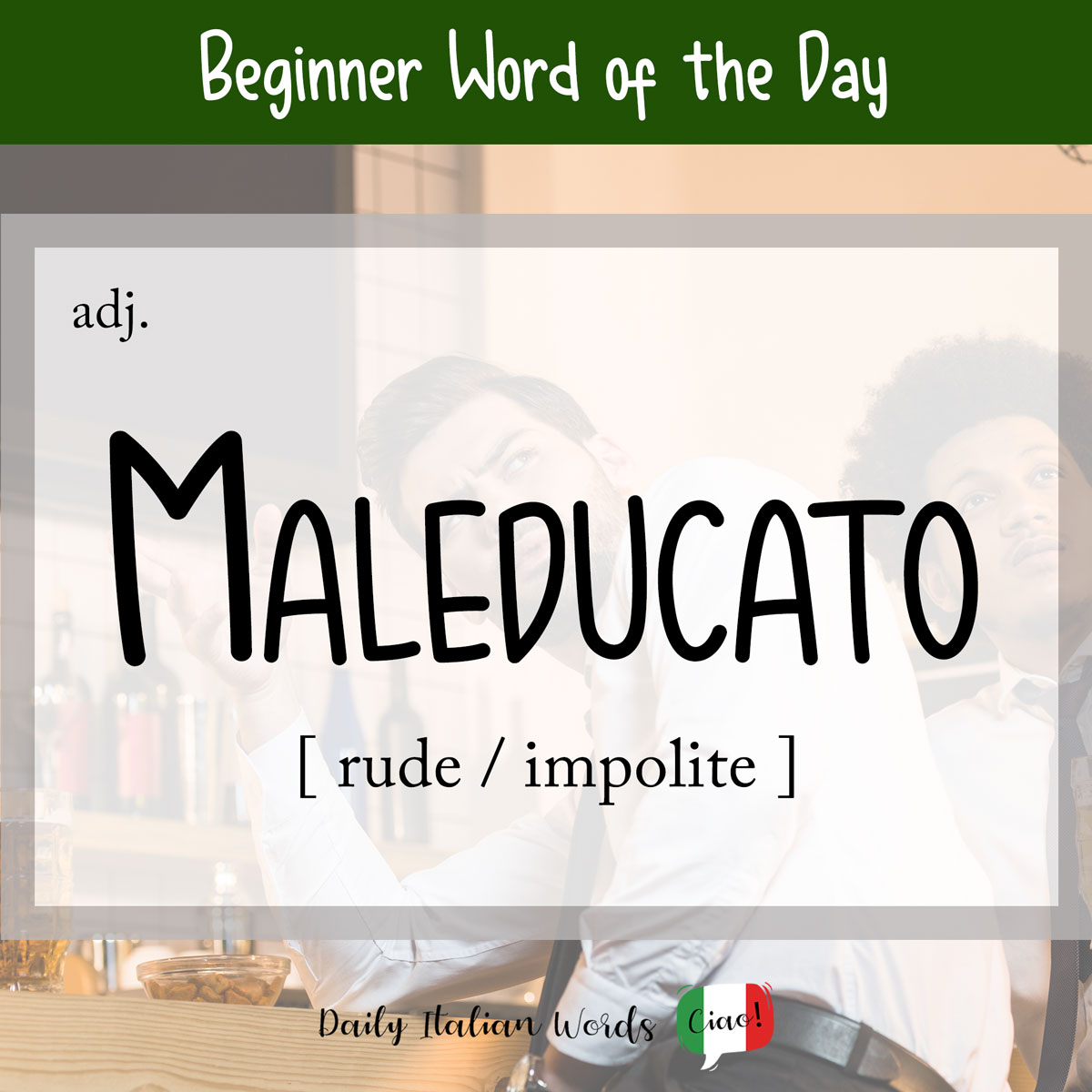
Italian Word of the Day: Maleducato (rude / impolite)

There is a great Italian word for someone who eats with his mouth open, talks back to his parents, and disturbs other people by making too much noise, and that is maleducato. Maleducato translates into English as rude, impolite or ill-mannered and may refer to a person’s speech or behaviour. A volte quel ragazzo è …

Read more

Italian Word of the Day: Maledizione (curse)

Italian word for 'curse'

The word for curse in Italian is maledizione. It is composed of two parts: male (meaning bad or evil) and dizione (meaning diction or speech). maledizione curse Maledizione is a feminine noun whose plural form is maledizioni. It takes the following definite and indefinite articles: Related to the noun is the verb maledire (lit: to …

Read more

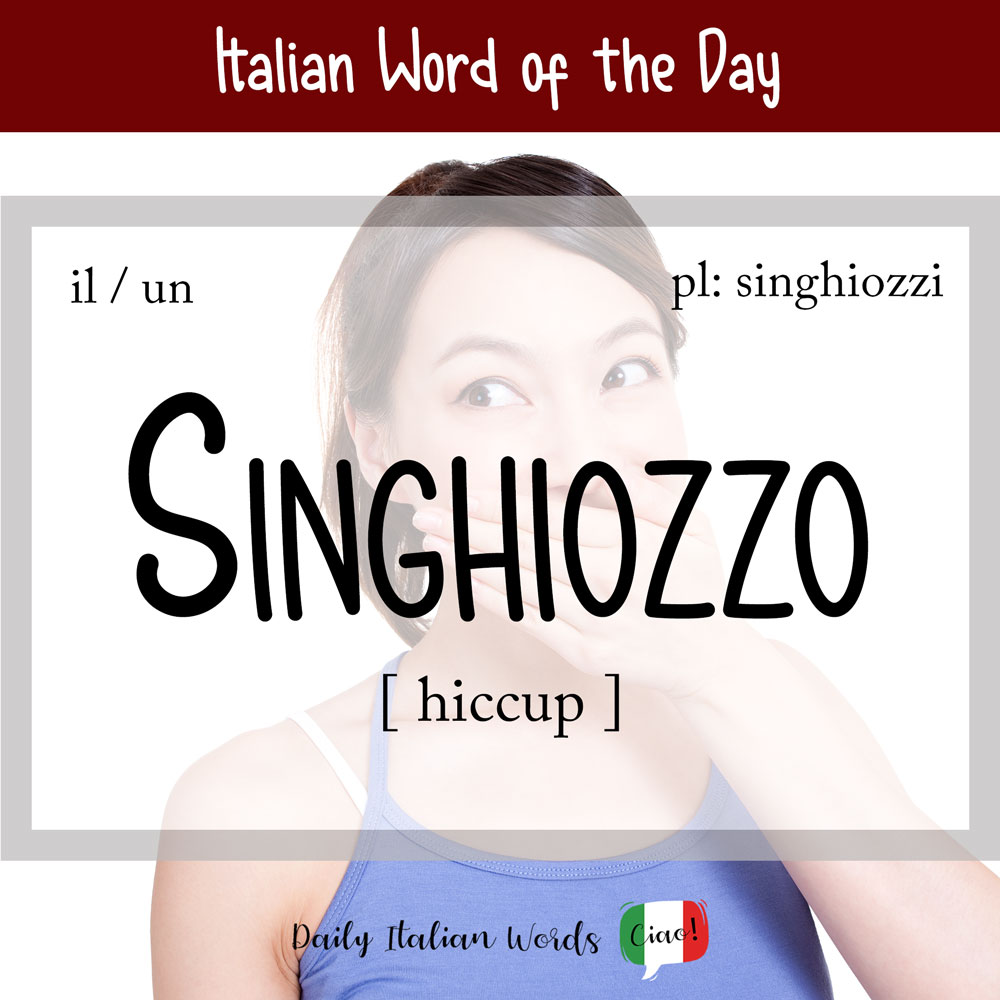
Italian Word of the Day: Singhiozzo (hiccup)

Today’s word of the day is something extremely annoying and sometimes quite hard to get rid of: the hiccups (also spelled hiccoughs) which in Italian translates as singhiozzo (masculine, plural: singhiozzi). singhiozzo hiccup Here are its definite and indefinite articles: It comes from the verb singhiozzare meaning to hiccup (when referring to a human being) …

Read more

Italian Word of the Day: Abbiocco (drowsiness)

We’ve all experienced it — that drowsy sensation that sneaks up on you after a large meal. One minute you’re chatting and laughing with friends and family, and the next, you’re slumped back on the couch, struggling to keep your eyes open. Italians have a special word for the fit of drowsiness that occurs after …

Read more