Italian Word of the Day: Ridere (to laugh)

Today was a landmark in our son’s cognitive development. At just shy of 13 weeks, he figured out how to laugh (ridere) for the first time! Sadly it wasn’t directed towards either of us but rather a particular white wall in our house of which he’s grown very fond for some reason. Ah well, a …
Read more

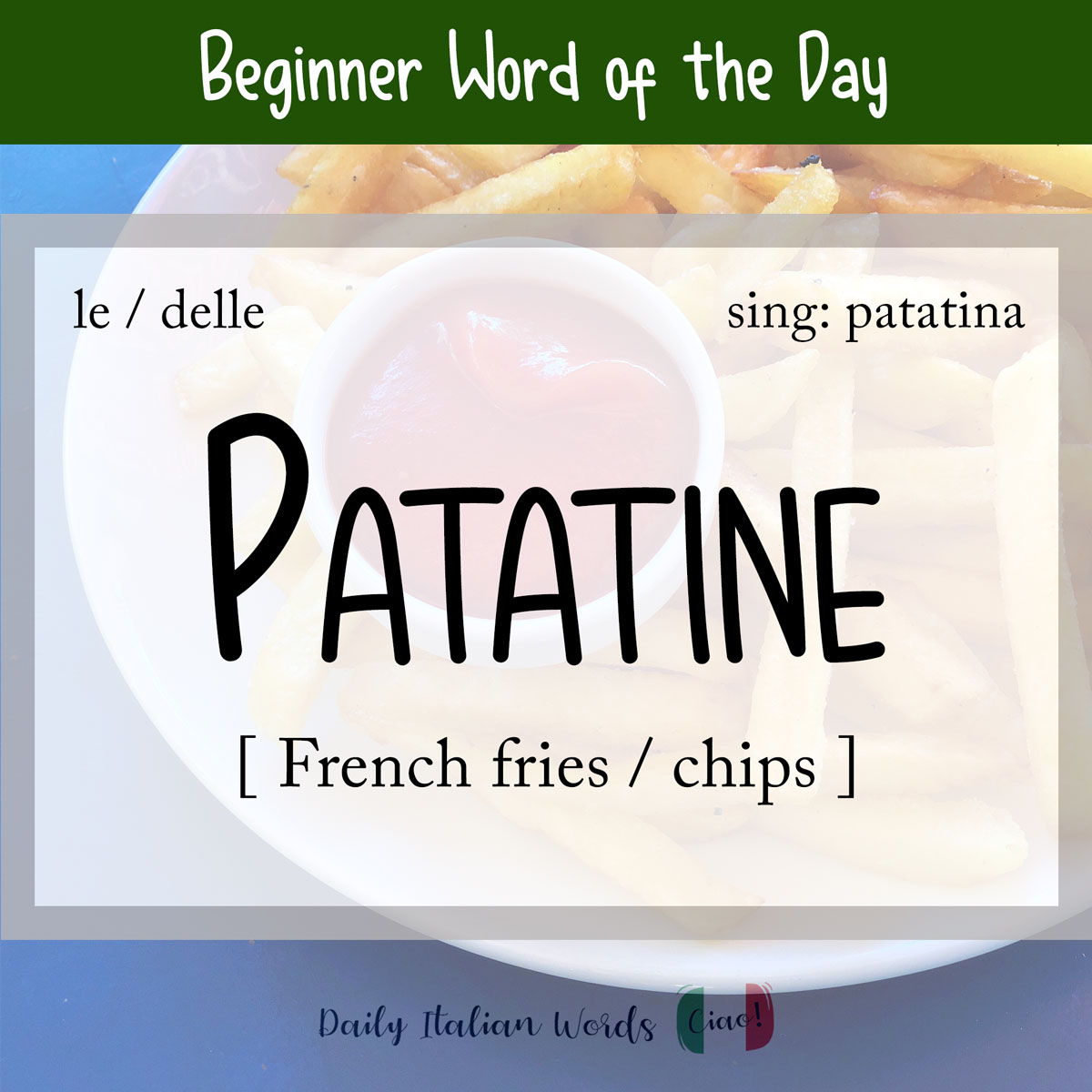
Italian Word of the Day: Patatine (chips / fries)

When not in the midst of a short-lived diet regime, I have the terrible habit of binging on chips (or crisps as they are known in the UK) and French fries. There is something about their salty greasiness that just hits the spot! The word for both of these irresistible junk foods in Italian is …

Read more

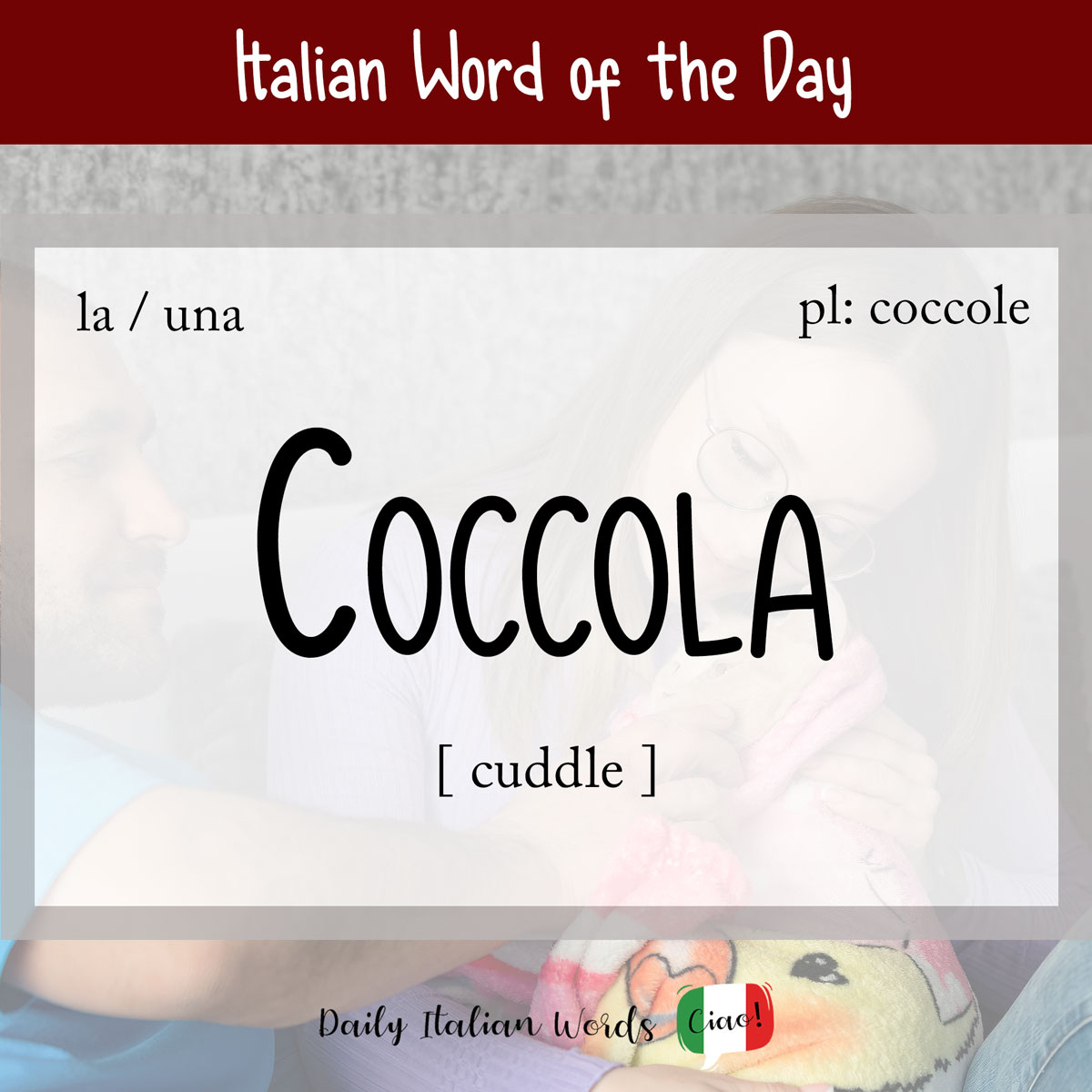
Italian Word of the Day: Coccola (cuddle)

One of the sweetest words in the Italian language is coccola (feminine), which is how you’d say cuddle or snuggle. An interesting fact about this word is that it usually appears in its plural form coccole. Coccola is a feminine noun that takes the following definite and indefinite articles: It comes from the verb coccolare, …

Read more

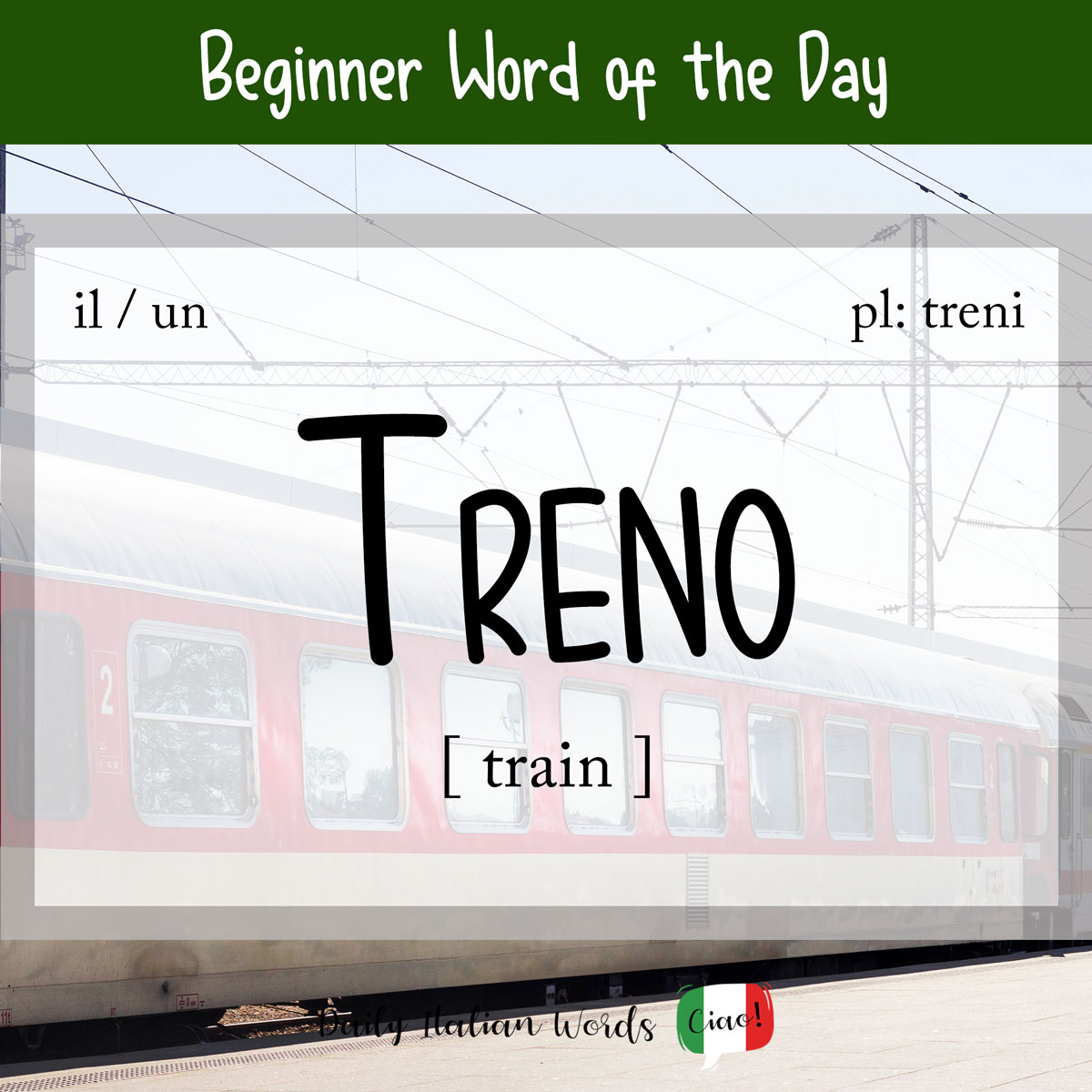
Italian Word of the Day: Treno (train)

The word for train in Italian is, you guessed it, treno (masculine, plural: treni). It entered the language via the French word train, which in turn comes from the verb traîner meaning to drag. Some common verbs you will see used with treno include: Viaggiare in treno può essere veloce quanto prendere un aereo. Traveling …

Read more

Italian Word of the Day: Cappello (hat)

The word for hat or cap in Italian is cappello (masculine, plural: cappelli). It derives from the Latin cappellus which in turn comes from the word cappa meaning hood. When pronouncing this word, it is very important to clearly enunciate the double pp so as to avoid confusion with the similar sounding capello, the Italian …

Read more

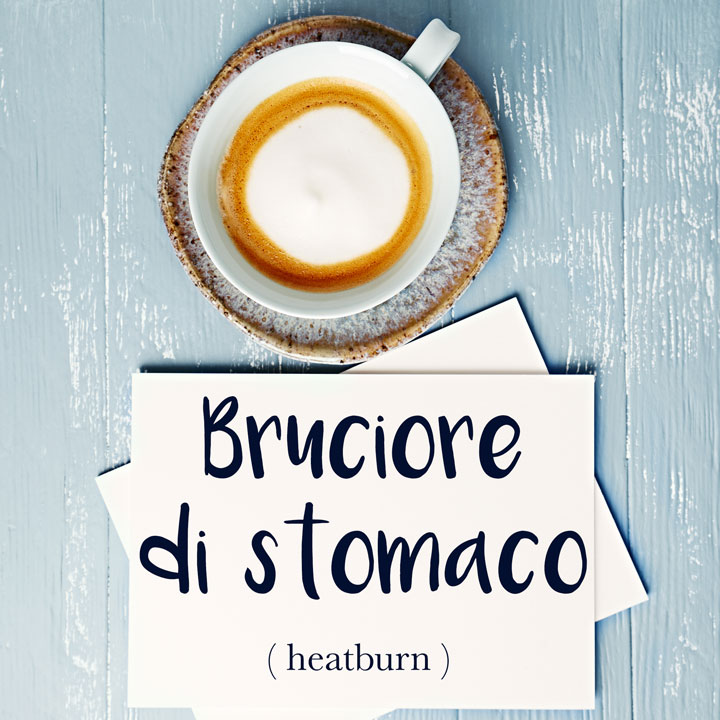
Italian Word of the Day: Bruciore di stomaco (heartburn)

Acid reflux (reflusso gastrico) is where stomach acid travels up to your throat from your stomach. It can cause a burning sensation in your chest which is colloquially known as bruciore di stomaco (heartburn) in Italian. The literal translation is burning of the stomach. It is a masculine noun and the plural is bruciori. Below …

Read more