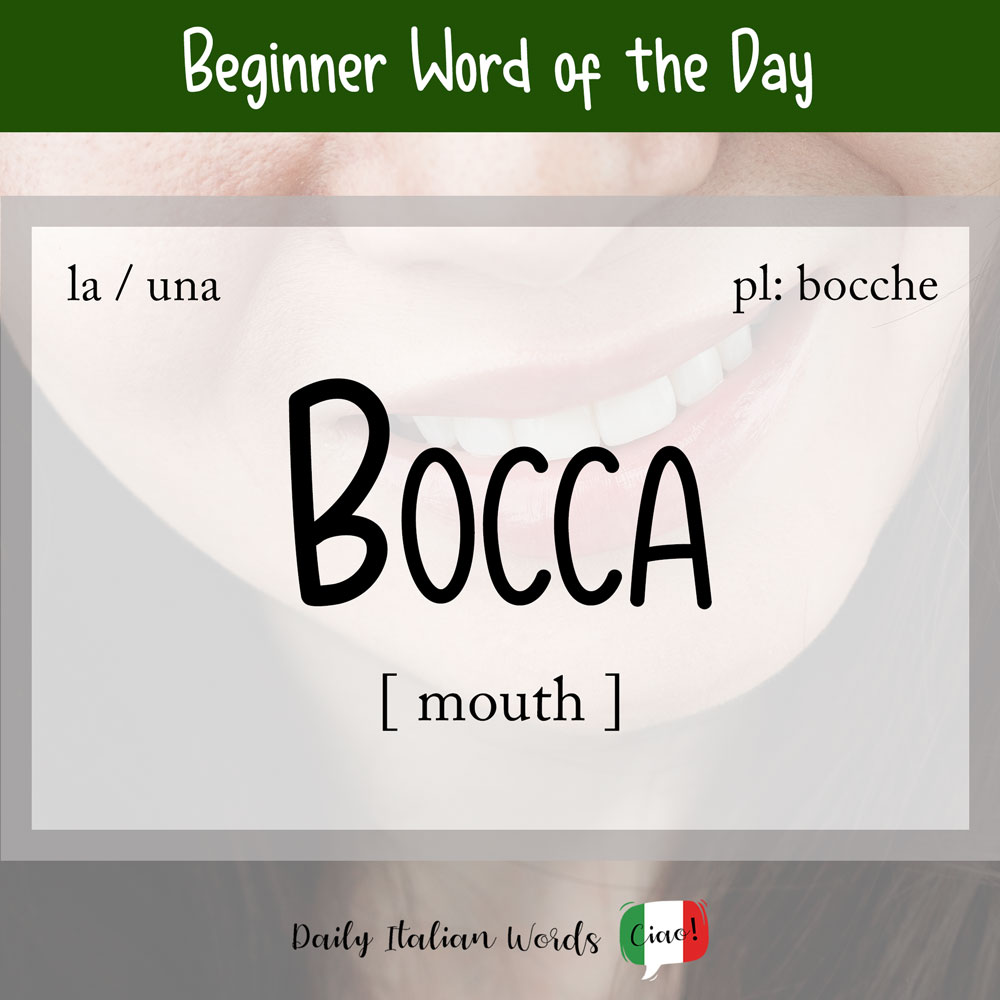
Italian Word of the Day: Bocca (mouth)

The Italian word for mouth is bocca (feminine, plural: bocche), which comes from the Latin bucca meaning cheek. Below are a few common verbs you’ll often see used with bocca: aprire la bocca = to open one’s mouth chiudere la bocca = to close one’s mouth coprire la bocca = to cover one’s mouth tenere …

Read more

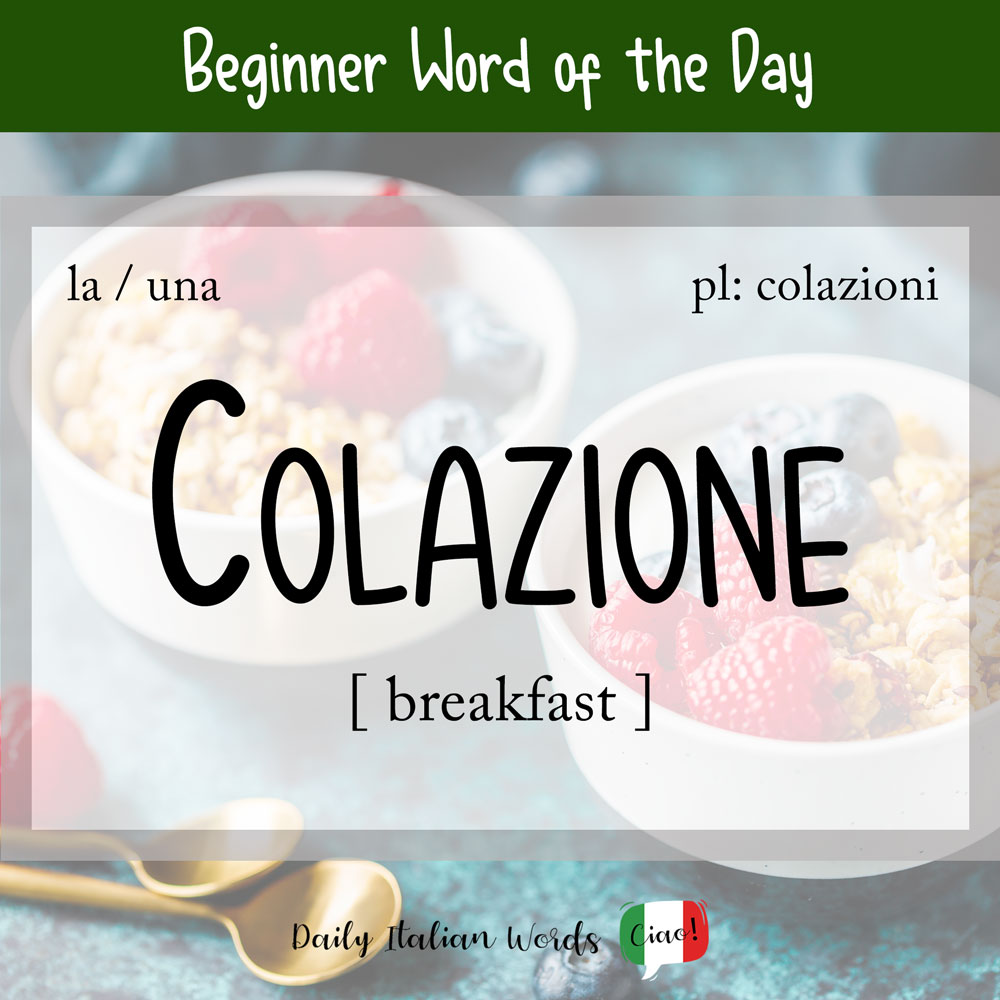
Italian Word of the Day: Colazione (breakfast)

The word for breakfast in Italian is colazione (feminine, plural: colazioni). Traditionally, the first meal eaten just after waking up was referred to as la prima colazione (the first breakfast), whereas the midday meal was called la seconda colazione (the second breakfast). The latter has since been replaced by the word pranzo (lunch) but the …

Read more

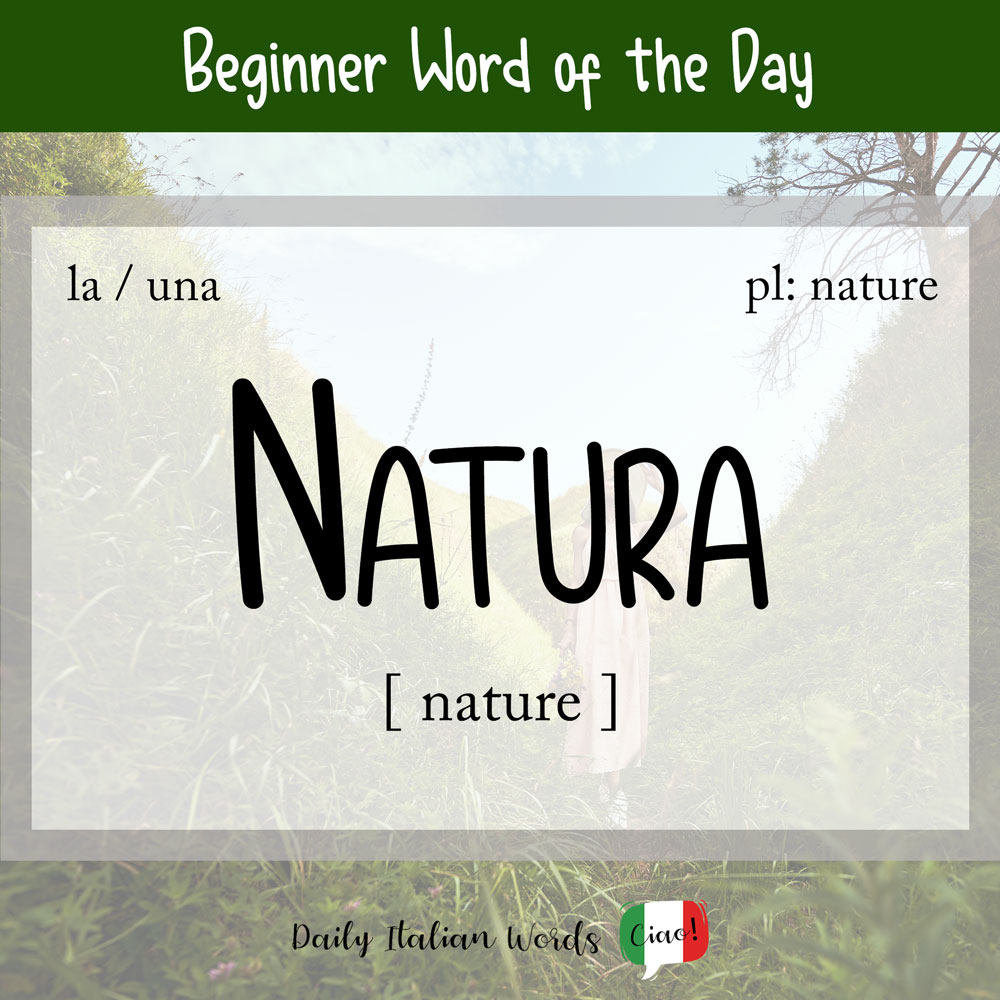
Italian Word of the Day: Natura (nature)

The Italian word for nature is the similar sounding natura (feminine, plural: nature). It corresponds to the English meaning of the word in every sense as we’ll discover below. The first translation is the physical world that surrounds us including plants (piante), animals (animali), the landscape (paesaggio) and any other features or products of the …

Read more

Italian Word of the Day: Peloso (fluffy / hairy)

Peloso is an Italian adjective that may describe anything with a soft hair-like texture. This means that it can translate as any one of the following terms in English: fluffy, hairy, furry, fuzzy, wooly or shaggy. It comes from the word pelo which means hair. un gatto peloso = a fluffy cat un braccio peloso …

Read more

Italian Word of the Day: Carino (cute / nice)

An adjective you simply cannot survive without in Italian is carino. The diminutive of caro (dear), it translates in many ways including cute, pretty, nice, kind and lovely to name a few. In Italian, adjectives always agree in gender and number with the nouns they modify. Those ending in o have four forms – masculine, …

Read more

Italian Word of the Day: Squisito (delicious, exquisite)

The word squisito in Italian has two possible translations, depending on the subject in question. When talking specifically about food, drink or any other sustenance, squisito best translates as delicious. In fact, it is a more accurate translation than the similar-sounding delizioso, an adjective whose primary translations are adorable or charming. To discover all the …

Read more