Italian Word of the Day: Albero di Natale (Christmas tree)
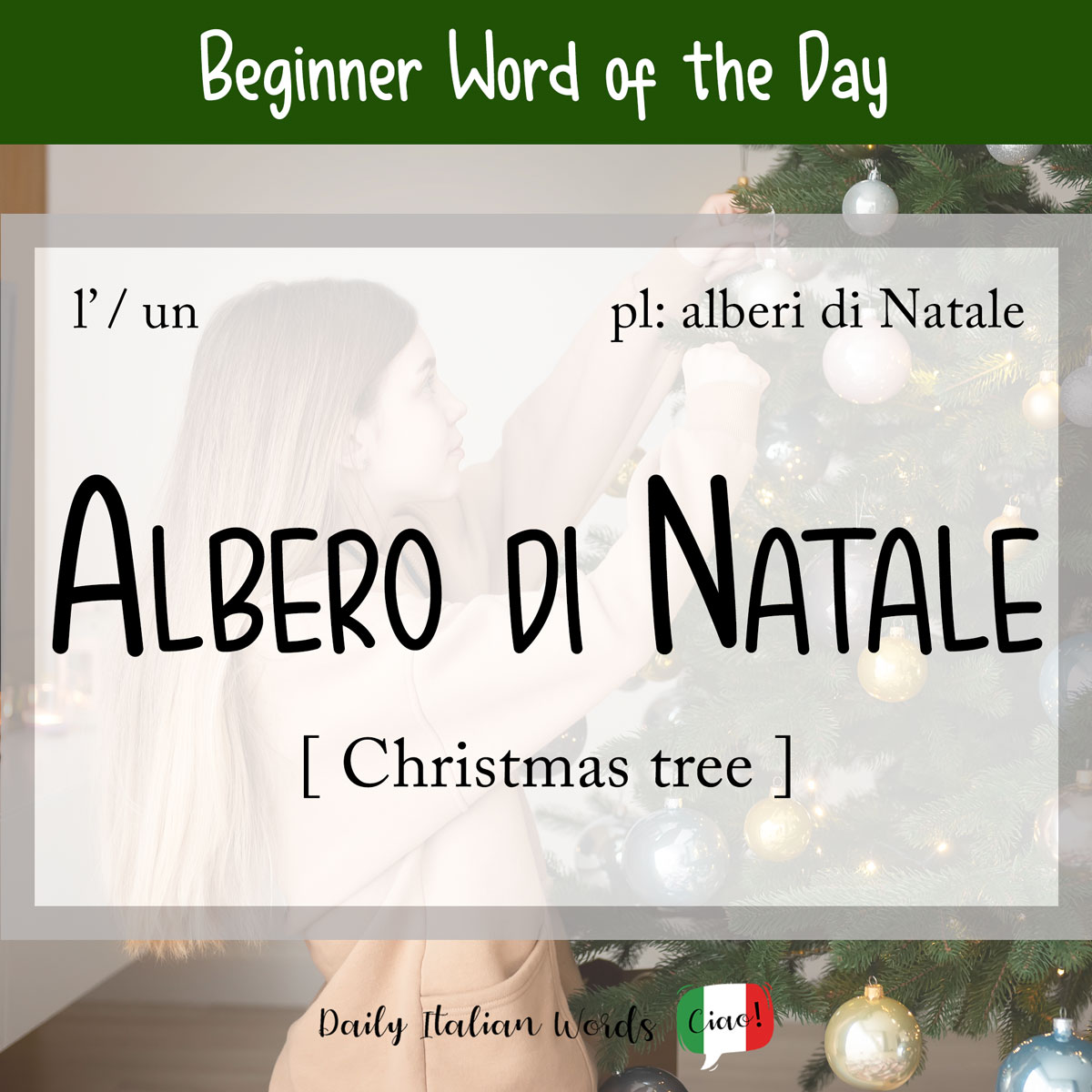
It’s officially December, and you know what that means – we can finally put up our Christmas trees without feeling as if we’re jumping the gun! The word for Christmas tree in Italian is albero di Natale (masculine, plural: alberi di Natale). Albero is the word for tree while Natale is the word for Christmas. …
Read more

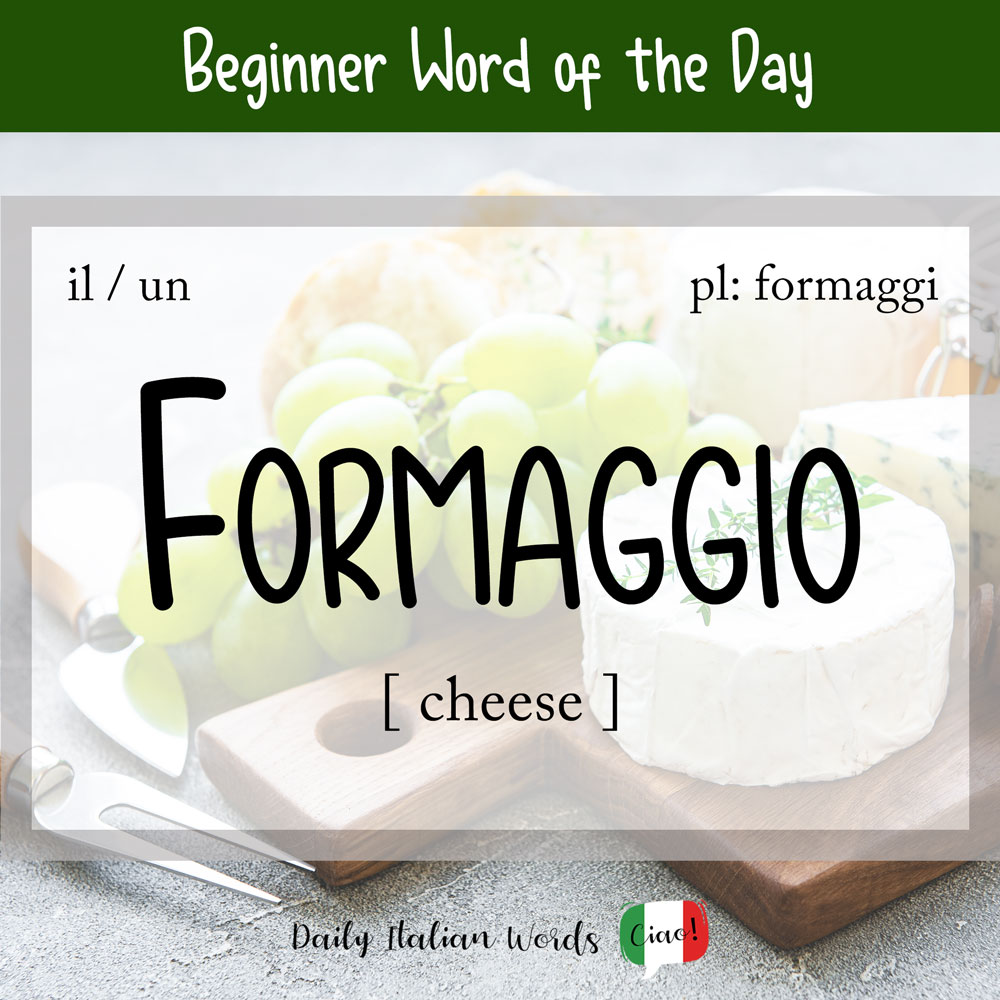
Italian Word of the Day: Formaggio (cheese)

It is difficult to imagine Italy without conjuring up images of pane (bread), vino (wine), pasta, pizza, and of course, cheese. The generic word for cheese in Italian is formaggio and as everyone knows, many of the most famous cheeses in the world originate from Italy. In fact, it is estimated that there are approximately 400 …

Read more

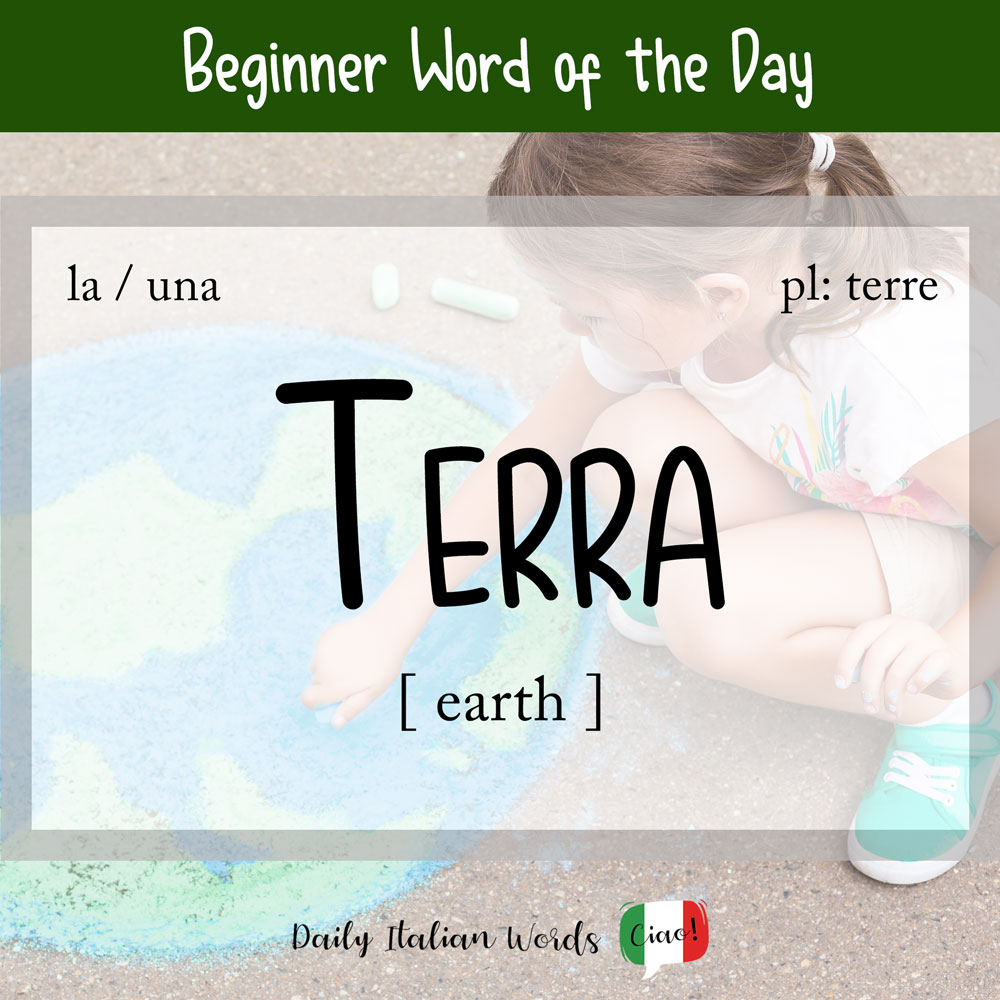
Italian Word of the Day: Terra (earth)

The Italian word for the beautiful blue planet we all call home is la Terra (the Earth). It is normally spelled with a capital T in scientific contexts. Terra La Terra gira intorno al Sole. The Earth revolves around the Sun. Terra in its uncapitalised form (plural: terre) may be used to refer to the …

Read more

Italian Word of the Day: Aceto (vinegar)

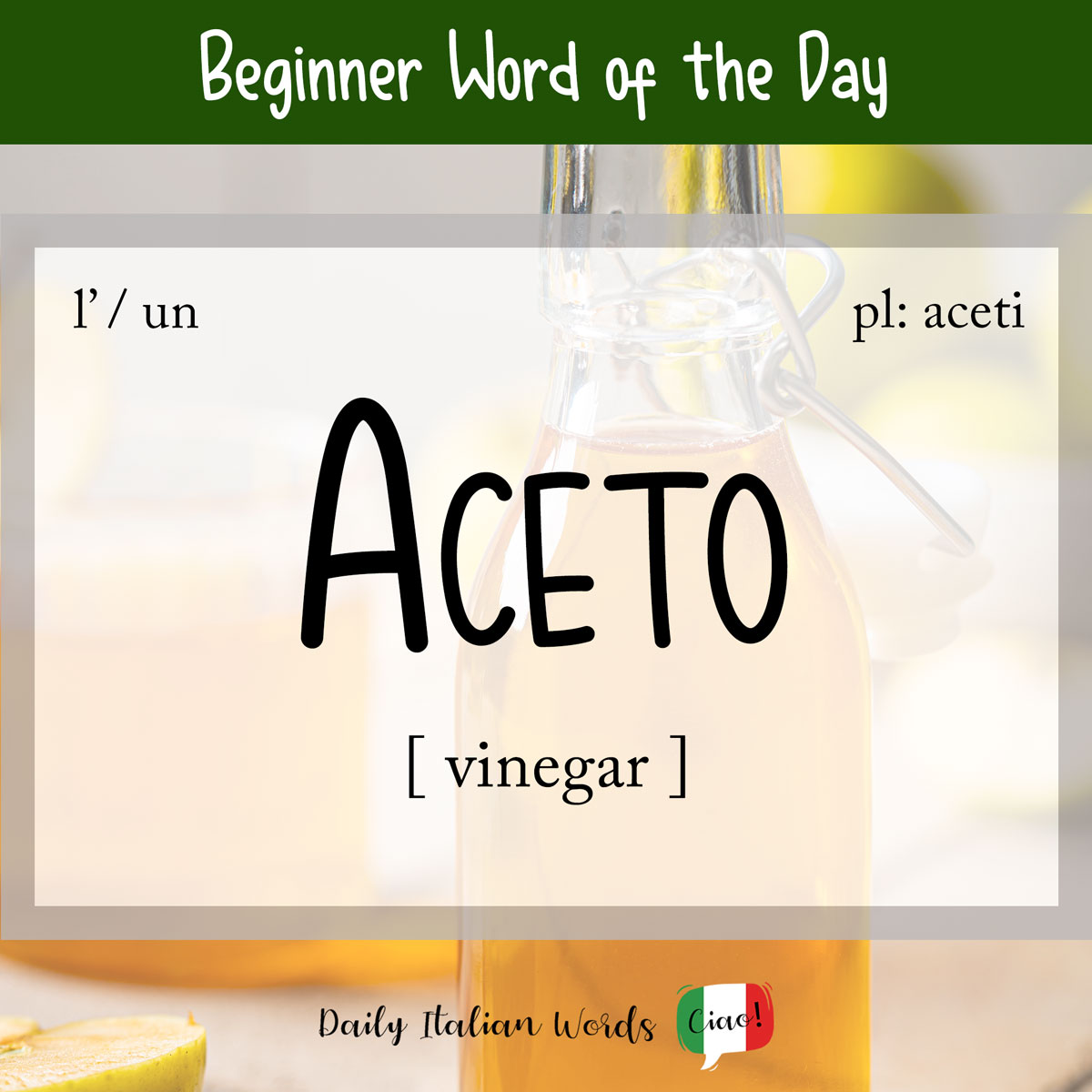
Vinegar, or aceto as it is known in Italian, has a surprisingly wide variety of industrial and domestic uses due to its mild acidity (acidità). aceto vinegar Aceto (plural: aceti) is a masculine noun and takes the following definite and indefinite articles: It is a common ingredient in cooking and is also popular as a natural household …

Read more

Italian Word of the Day: Ferro (iron)

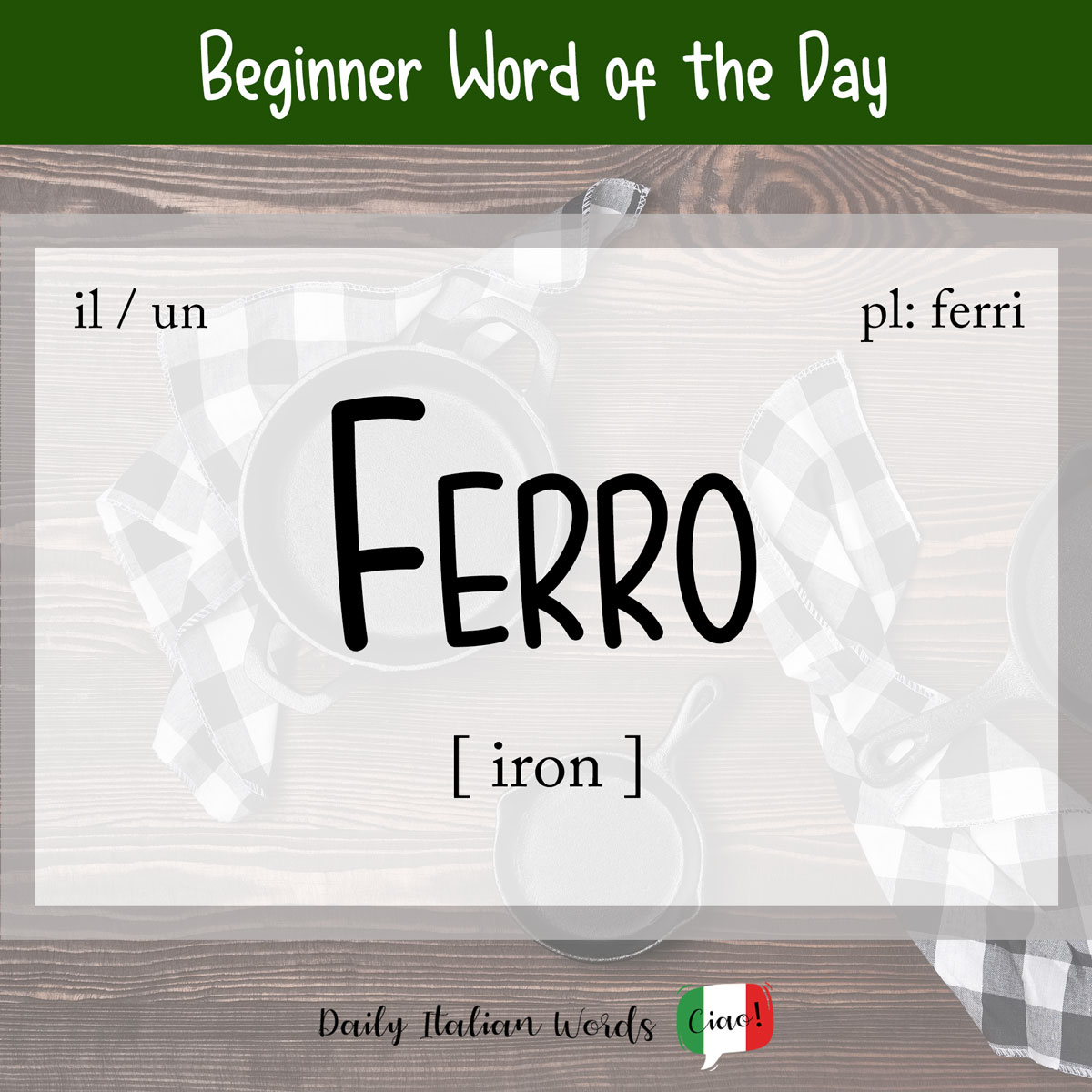
Ferro may not seem like a very interesting word on the surface, but dig a little deeper and you’ll soon discover that it forms the basis of many terms and expressions in both Italian and English! ferro iron Ferro is a masculine noun whose plural form is ferri. Here are its definite and indefinite articles: …

Read more

Italian Word of the Day: Leone (lion)

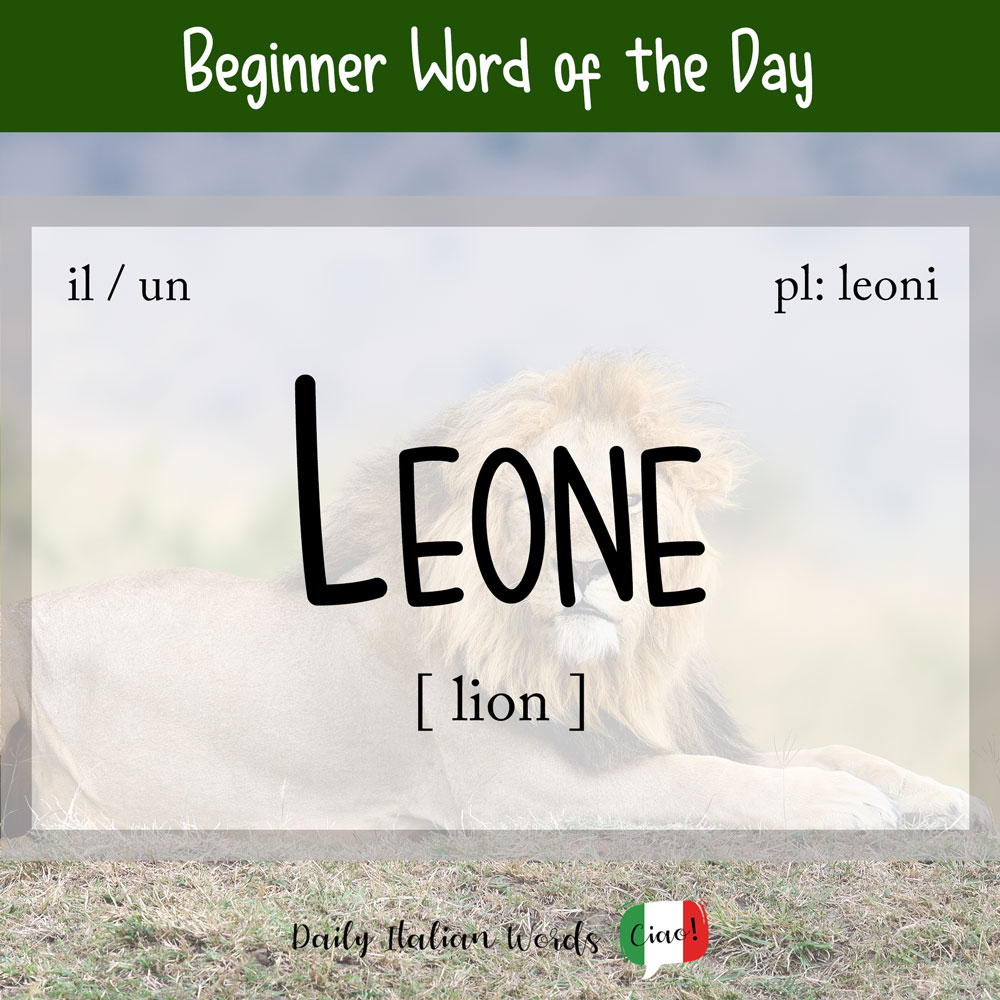
There are thirty-eight big cat species in the world, but none is quite as iconic as the lion – or leone in Italian. leone lion Here are the definite and indefinite articles that go with this masculine noun: A female lion, or lioness, is called a leonessa, whereas a lion cub can be translated as …

Read more