Italian Word of the Day: Rotto (broken)
The adjective rotto in Italian can refer to anything that is damaged, out of order or in pieces including machines, clothes, household objects, and body parts to name a few. It is the past participle of the verb rompere meaning to break. Being an adjective, rotto also has corresponding feminine and plural forms with different …
Read more

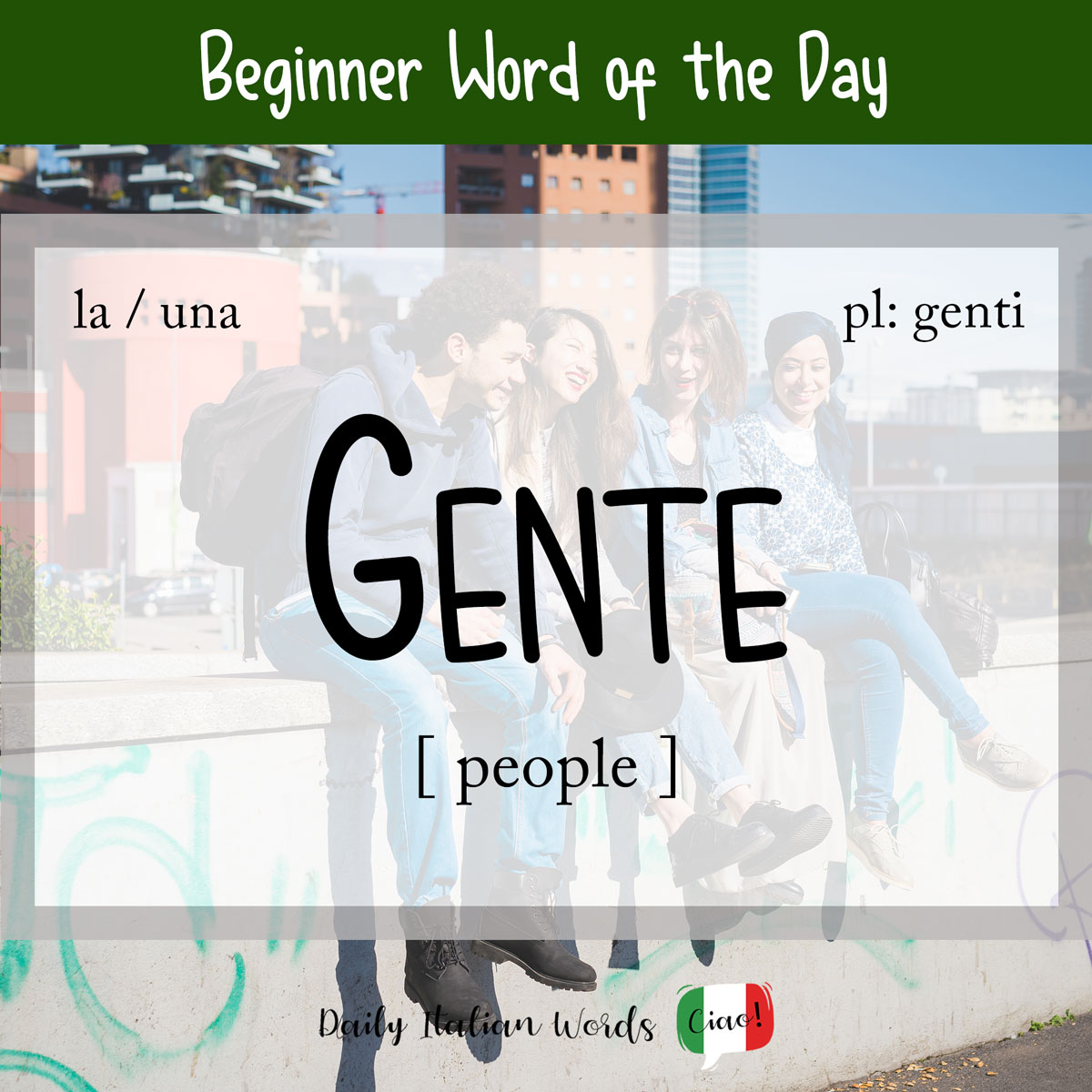
Italian Word of the Day: Gente (people)

One way of translating the word people in Italian is gente (feminine, plural: genti). Although it is almost always used in the singular form, the plural le genti can be seen in literature or when referring to a population (e.g. le genti dell’antica Roma = the people of ancient Rome). It derives from the Latin …

Read more

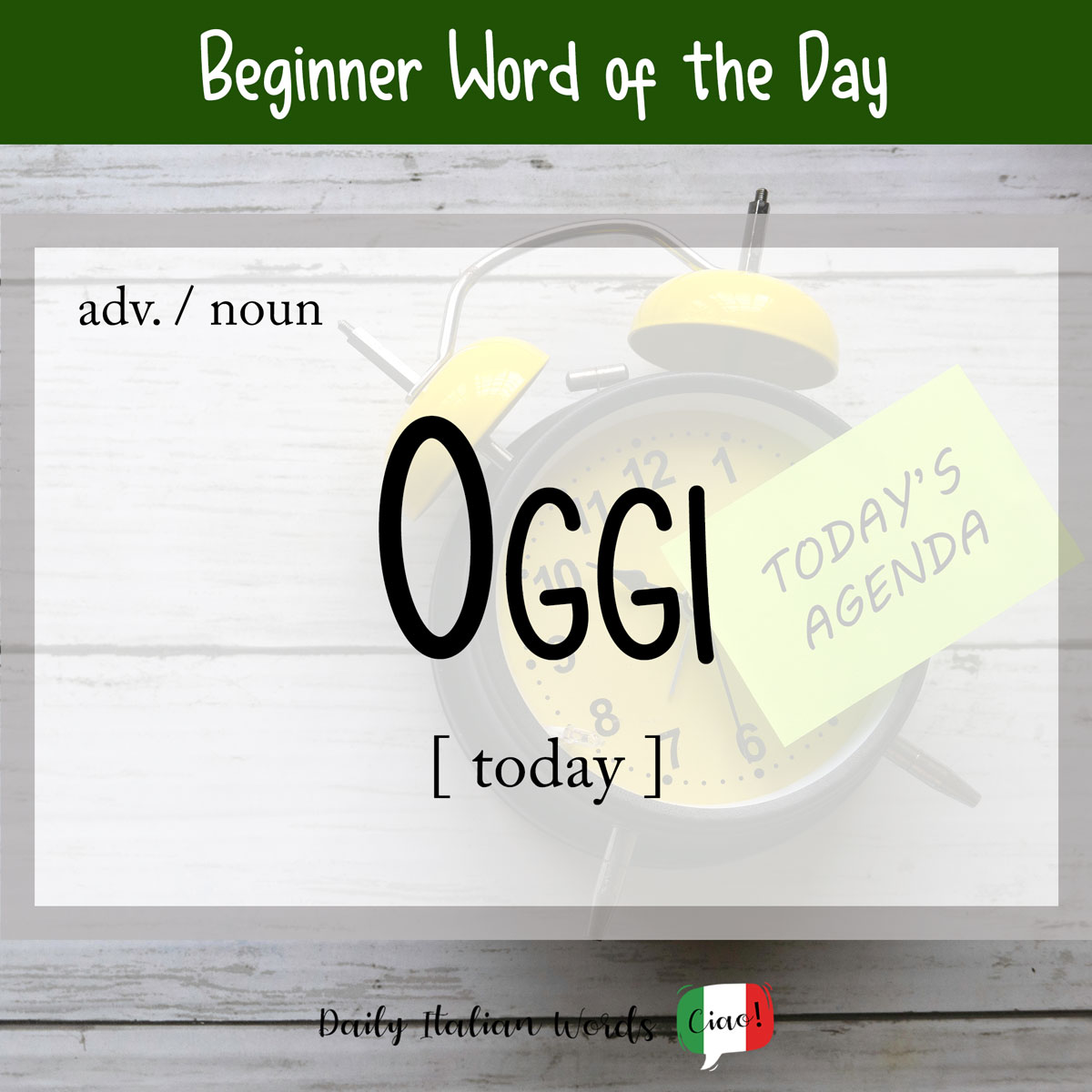
Italian Word of the Day: Oggi (today)

The word for today in Italian is oggi. It derives from the Latin hŏdie which itself is a contraction of hoc die (on this day). Ieri mi hai detto che l’incontro si sarebbe tenuto oggi, ma in realtà ho scoperto che si svolge domani! Yesterday you told me the meeting would be held today but …

Read more

Italian Word of the Day: Gennaio (January)

Italian word "gennaio"

January, or gennaio in Italian, is the month that marks the beginning of the new year. Despite the days being short and the weather cold, it is a wonderful time to visit Northern Italy if you enjoy skiing and hiking in the mountains. Gennaio is the first month (primo mese) of the year according to …

Read more

Italian Word of the Day: Vita (life)

Italian word "vita" (life)

The Italian word for life is vita (feminine, plural: vite). It shares the same root as the English words vital and vitamin, which is the Latin vita of the same spelling and meaning. In almost every sense of the word, it mirrors its English equivalent barring a few exceptions. For starters, it can refer, not …

Read more

Italian Phrase: Alla prossima! (Until next time!)

If you’ve just had a long conversation in Italian, it is important to know how to neatly wrap it up in a friendly and natural way that won’t offend your conversation partner. One closing phrase that suits this objective perfectly is Alla prossima! which translates as Until next time! Ciao ragazzi, alla prossima! Bye guys, …

Read more