Italian Word of the Day: Gioco (toy, game)
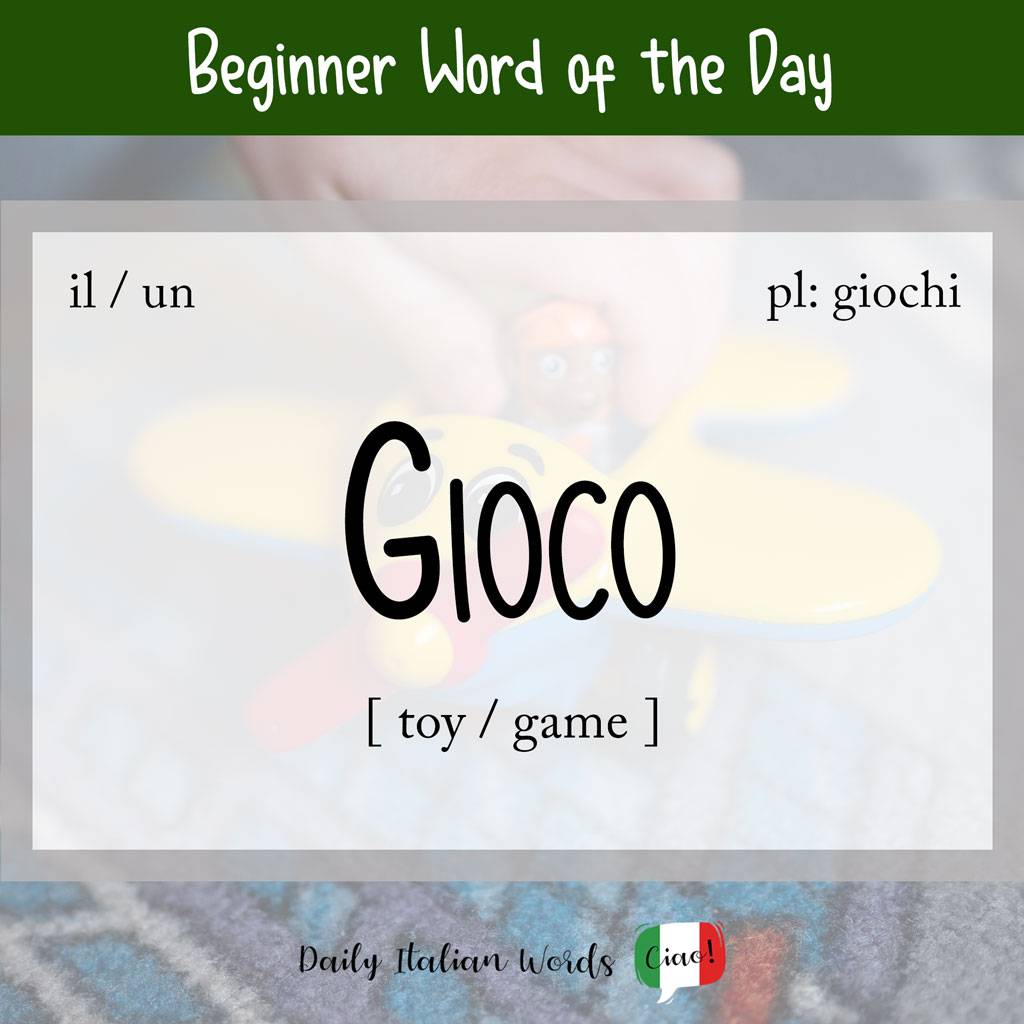
Christmas is an exciting time of the year for children because they know they will receive lots of toys under the Christmas tree! The generic word for toy or game in Italian is gioco (masculine plural: giochi). Metti via i tuoi giochi, Mattia! È ora di andare a dormire. Put your toys away, Mattia! It’s …
Read more

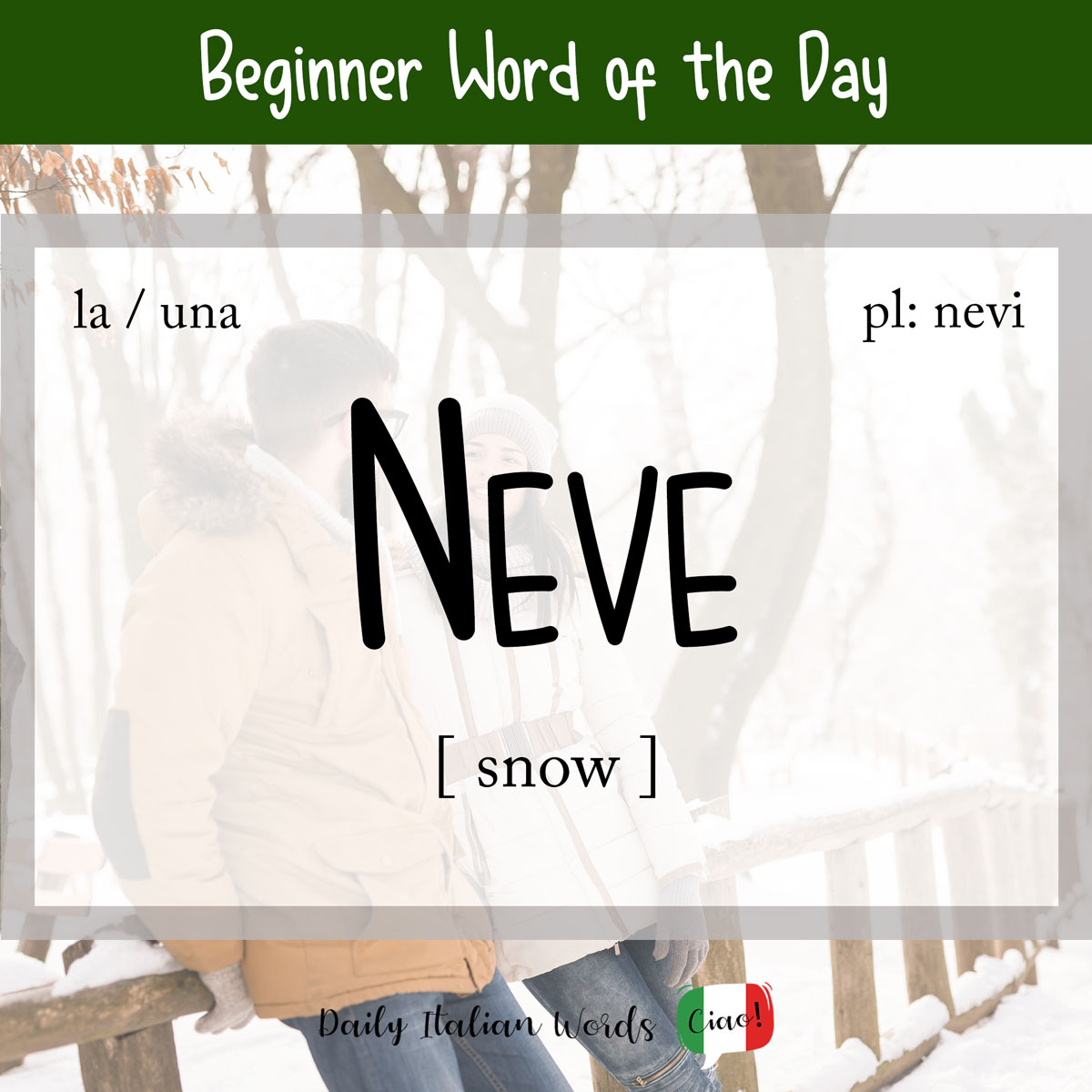
Italian Word of the Day: Snow (neve)

Are you a fan of the fluffy white stuff that falls out of the sky close to Christmastime? Well, then you might be keen to learn what it is called in Italian! The word for snow in Italian is neve (feminine, plural: nevi). It is contained within lots of words associated with snow including: Nevoso …

Read more

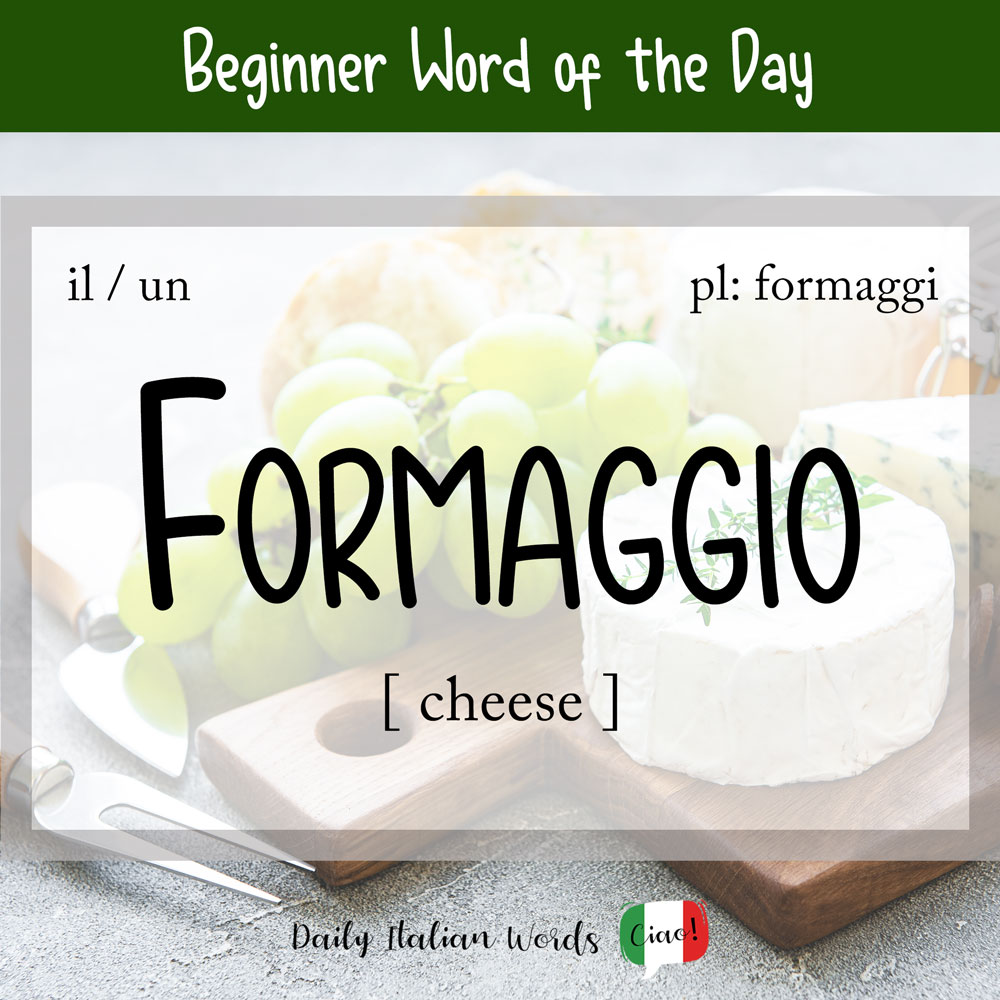
Italian Word of the Day: Formaggio (cheese)

It is difficult to imagine Italy without conjuring up images of pane (bread), vino (wine), pasta, pizza, and of course, cheese. The generic word for cheese in Italian is formaggio and as everyone knows, many of the most famous cheeses in the world originate from Italy. In fact, it is estimated that there are approximately 400 …

Read more

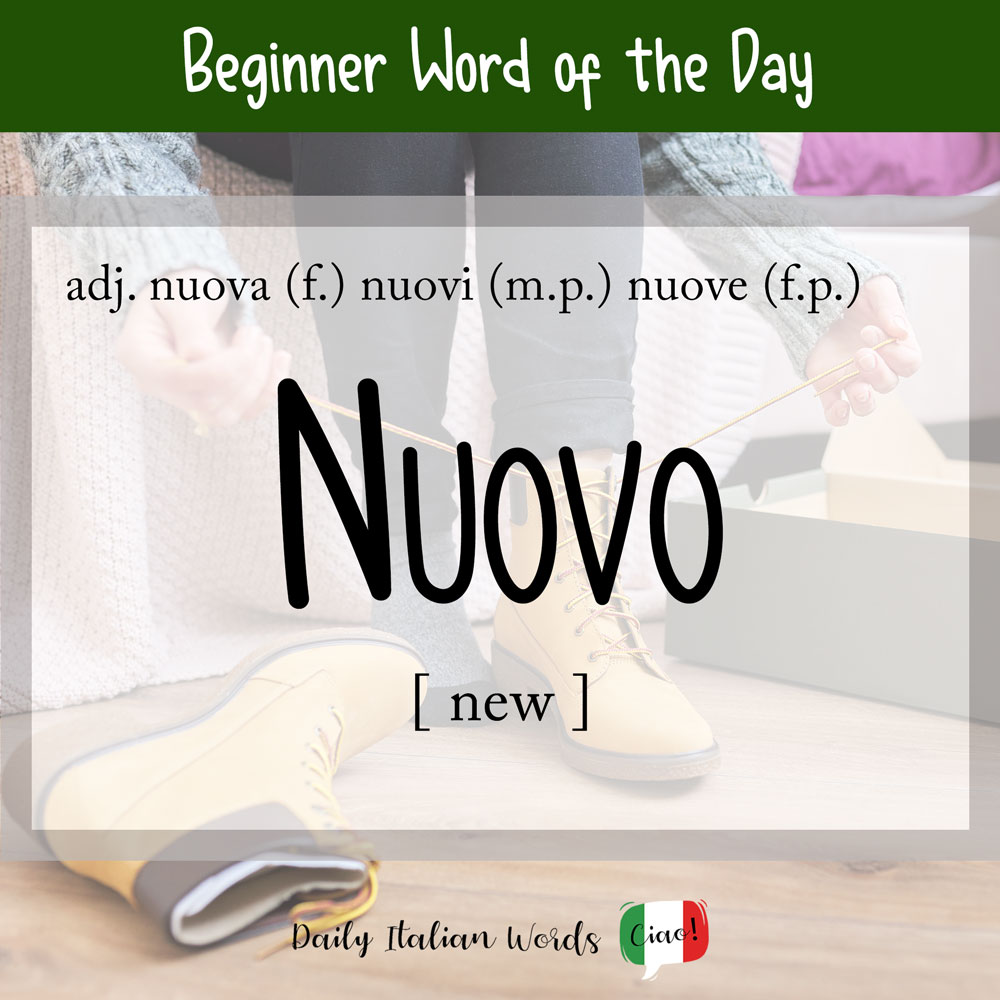
Italian Word of the Day: Nuovo (new)

The usage of the adjective nuovo (feminine: nuova, plural: nuovi or nuove) in Italian is almost identical to the word new in English. nuovo new Just as it can refer to something that didn’t exist before, it can also describe something produced, introduced, or discovered recently or for the first time, or an unused item. …

Read more

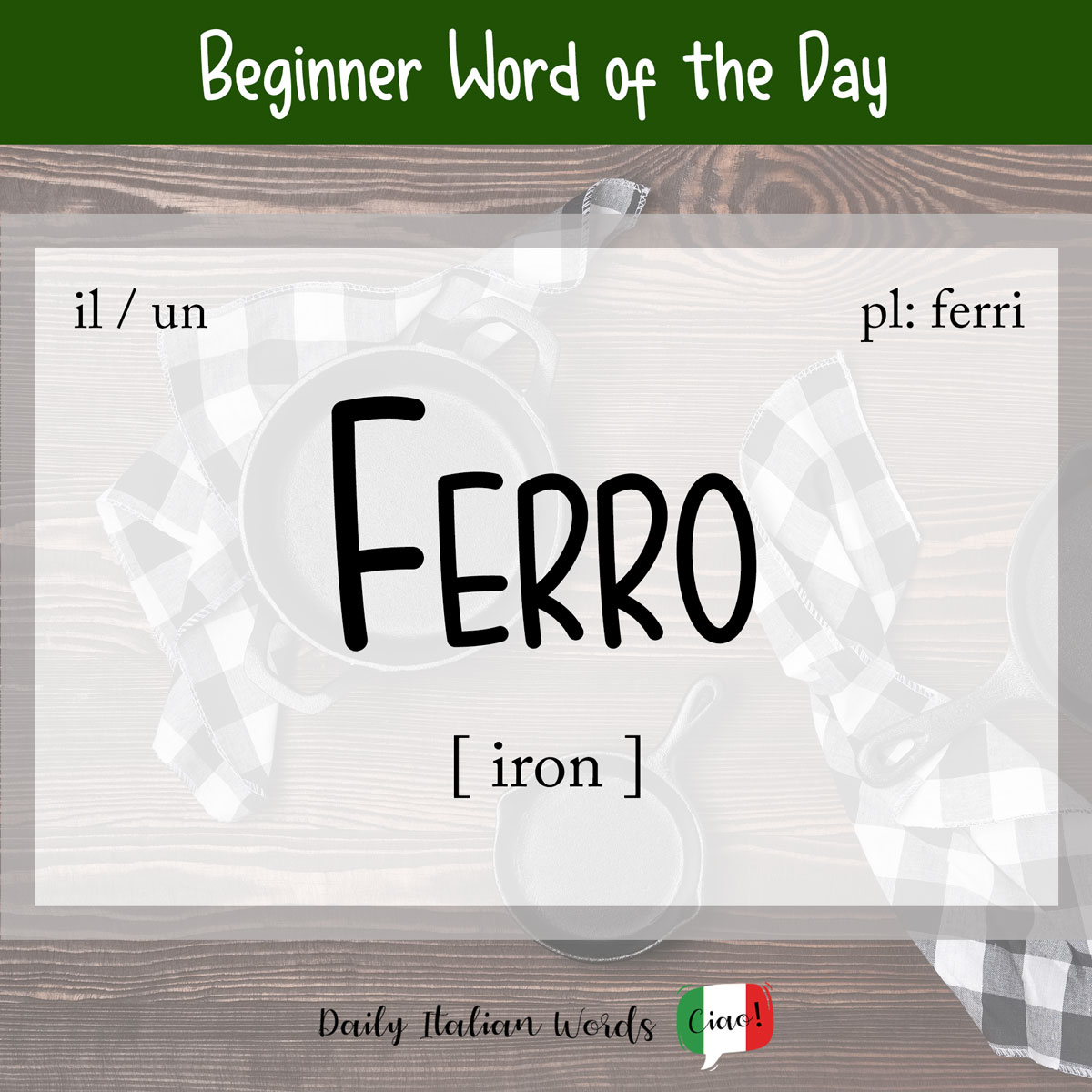
Italian Word of the Day: Ferro (iron)

Ferro may not seem like a very interesting word on the surface, but dig a little deeper and you’ll soon discover that it forms the basis of many terms and expressions in both Italian and English! ferro iron Ferro is a masculine noun whose plural form is ferri. Here are its definite and indefinite articles: …

Read more

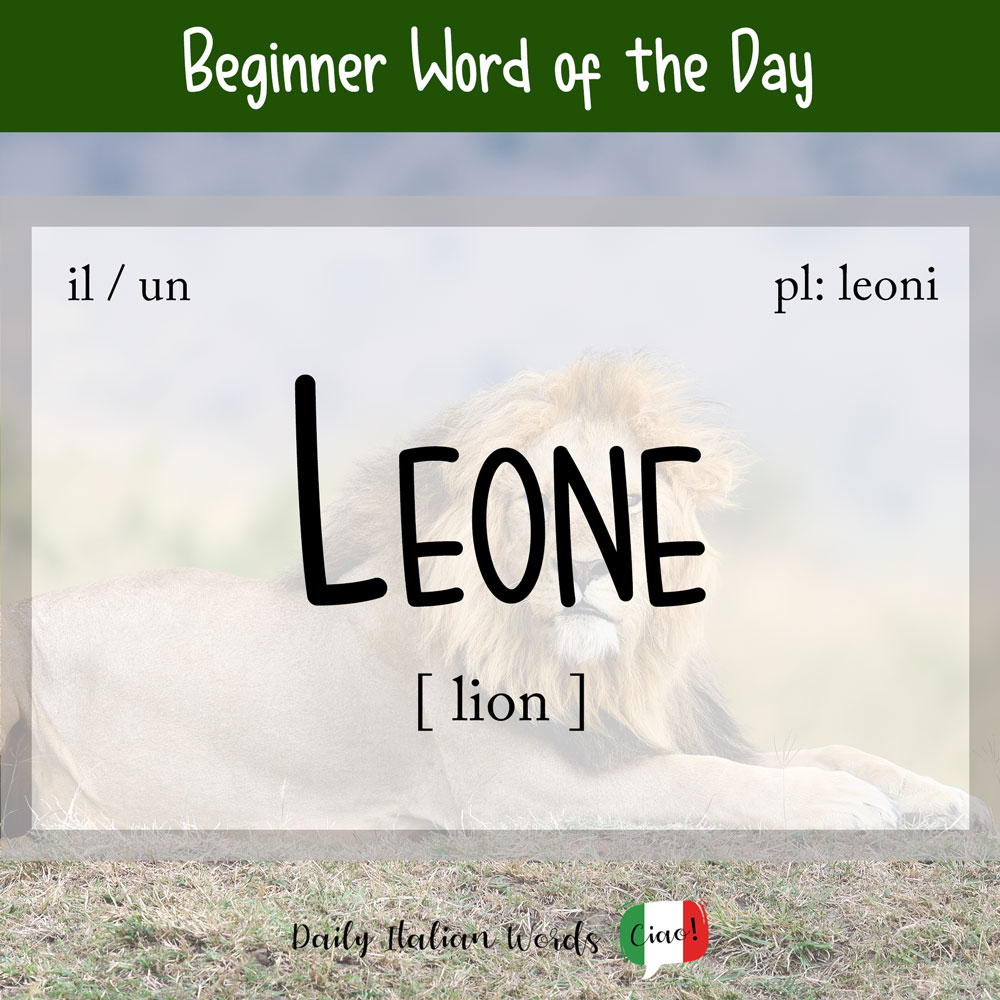
Italian Word of the Day: Leone (lion)

There are thirty-eight big cat species in the world, but none is quite as iconic as the lion – or leone in Italian. leone lion Here are the definite and indefinite articles that go with this masculine noun: A female lion, or lioness, is called a leonessa, whereas a lion cub can be translated as …

Read more