It’s hard to deny that Italian sounds more pleasing to the ear than English. But why is this? It actually comes down to a few simple details.
Firstly, almost every Italian word and syllable ends in an open vowel, creating a smooth, continuous stream of sound without abrupt stops. English, on the other hand, frequently ends words with hard, closed consonant sounds that are more grating on the ear (think of words like friend, work, best and so on).
Second, Italian uses wider pitch excursions and a syllable-timed rhythm that mimics musical phrasing. It is for this very reason that Italian became the traditional global language of classical music terminology.
With that said, let’s discover 50 Italian words that, phonetically speaking, sound much more beautiful than their English equivalents. Feel free to add to the list with your own suggestions in the comments section!
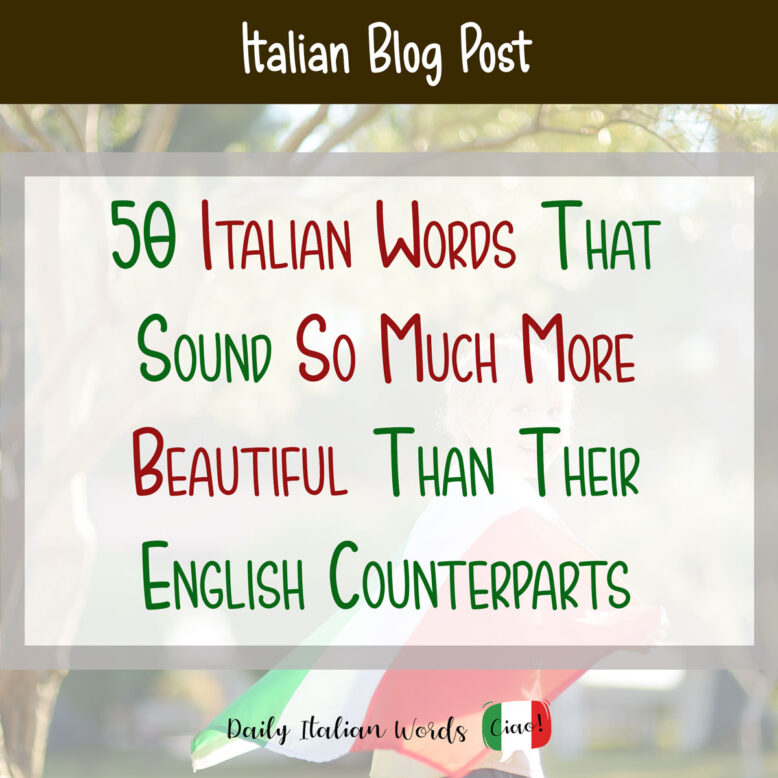
1. Prezzemolo
English translation: parsley
Etymology: it derives from the Ancient Greek word πετροσέλινον (petrosélinon), which passed into Latin as petroselīnum
Ho messo un po’ di prezzemolo nella frittata.
I put a little parsley in the frittata.
2. Rugiada
English translation: dew
Etymology: derives from the reconstructed Vulgar Latin form *rosiata, which itself is a derivative of the Classical Latin noun ros (meaning “dew”)
Le goccioline di rugiada brillavano sull’erba.
The dew drops shimmered on the grass.

3. Libellula
English translation: dragonfly
Etymology: comes from the scientific Latin genus name Libellula, which translates to “little level” or “little balance.” Treccani notes that the insect was given this name because in flight, it keeps its wings horizontal, resembling a carpenter’s level.
Una libellula si è posata sul fiore vicino al lago.
A dragonfly landed on the flower near the lake.

4. Tempesta
English translation: storm
Etymology: derives directly from the Latin noun tempĕstas, which in turn is a derivative of tempus meaning time
La tempesta ha provocato tanti danni.
The storm caused lots of damage.

5. Passeggiata
English translation: walk / stroll
Etymology: a feminine noun derived directly from the verb passeggiare (to walk or stroll), which itself can be traced back to the noun passo (step or pace)
Perché non andiamo a fare una passeggiata nel parco?
Why don’t we go on a walk in the park?

6. Attraversare
English translation: to cross
Etymology: a direct derivative of the word attraverso (meaning “across” or “through”)
Devi darmi la mano quando attraversiamo la strada.
You must give me your hand when we cross the street.

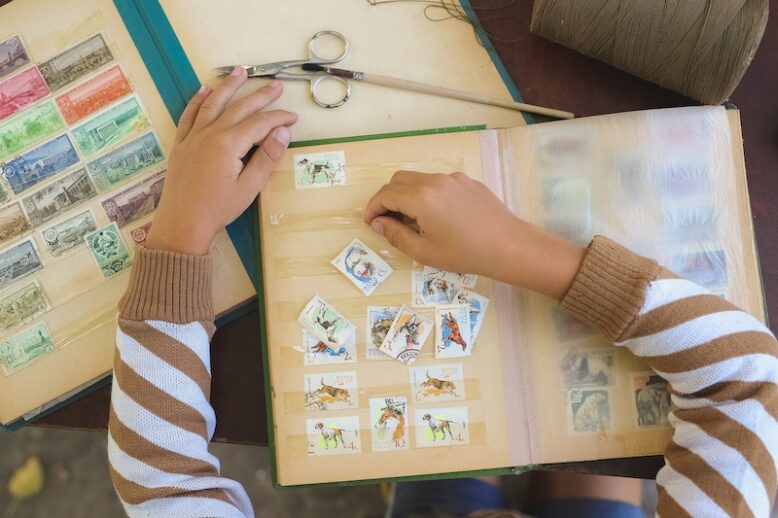
7. Francobollo
English translation: postage stamp
Etymology: derives from franco, meaning “free from expenses or taxes” (because the recipient did not have to cover the postage), and bollo, to indicate its authenticity and authority
Il Penny Black è stato il primo francobollo adesivo emesso al mondo.
The Penny Black was the first adhesive stamp issued in the world.
8. Mannaggia
English translation: darn / shoot / damn
Etymology: A widely cited origin combines male (bad or evil), ne (of it), and aggia (a southern dialect form of abbia, the present subjunctive of avere). Together, it literally means “may he/she/it have bad things from it”.
Mannaggia! Ho dimenticato le chiavi.
Damn! I forgot my keys.

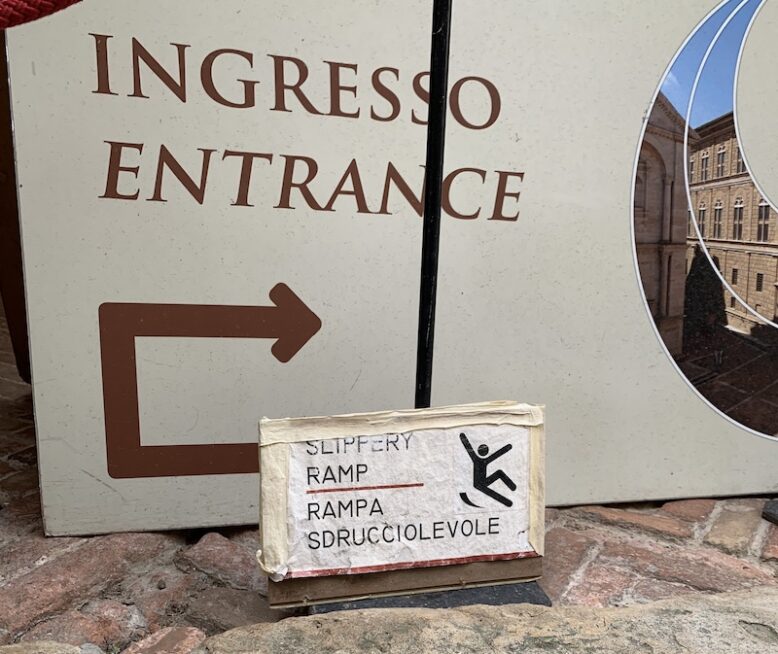
9. Sdrucciolare
English translation: to slip / slide
Etymology: It most likely derives from the Latin exderoteolare, meaning “to tumble down.”
C’è il rischio di sdrucciolare su questo pavimento.
There is a risk of slipping on this floor.
10. Cucchiaio
English translation: spoon
Etymology: Its origin can be traced back to the Latin cochlearium, a derivative of cochlea, which was the tool originally used to eat snails!
Tua figlia riesce già a mangiare con il cucchiaio?
Can your daughter already eat with a spoon?
11. Occhiolino
English translation: wink
Etymology: It is also the diminutive form of occhio (eye), so it literally means small eye!
Le ho fatto l’occhiolino per farle capire che stavo dalla sua parte.
I winked at her to let her know I was on her side.

12. Raffreddore
English translation: common cold
Etymology: Raffreddore is a noun derived from the verb raffreddare, which means to cool or to cool down.
Che brutto raffreddore che ho preso.
I’ve caught such a terrible cold.

13. Primavera
English translation: spring
Etymology: It derives from the Late Latin primavera, which goes back to the Classical Latin ablative primo vere, signifying “at the beginning of spring.”
La mia stagione preferita è la primavera.
My favourite season is spring.

14. Fazzoletto
English translation: tissue
Etymology: Fazzoletto is the diminutive of the archaic term fazzolo, a large handkerchief worn around the neck or head. It is derived from the Latin faciolum, from facies (“face”).
Ho usato un fazzoletto di carta per soffiarmi il naso.
I used a tissue to blow my nose.

15. Corteccia
English translation: bark
Etymology: The word originates from the Latin corticĕa, the feminine form of the adjective corticĕus, derived from cortex -tĭcis, meaning bark.
Tocca la corteccia dell’albero: è molto ruvida.
Touch the bark of the tree: it’s very rough.

16. Rubinetto
English translation: tap / faucet
Etymology: It derives from the French robinet, which is the diminutive form of robin, a now obsolete term for a sheep. This is because early taps were often in the shape of a sheep’s head.
Puoi aprire il rubinetto, per favore?
Can you turn on the tap, please?

17. Marachella
English translation: trick / prank
Etymology: Marachella is derived from the Hebrew meraggēl (explorer or spy). It is thought to be linked through the Triestine dialect to maraghèl, also meaning spy.
Sono un po’ stufo delle tue marachelle!
I’m a bit tired of your tricks!
18. Pozzanghera
English translation: puddle
Etymology: It is derived from the noun pozza (puddle / pool), with a double diminutive suffix, and can be traced back to the late medieval Latin puzacara.
C’è una grossa pozzanghera sulla strada.
There is a big puddle on the street.

19. Scodinzolare
English translation: to wag (a tail)
Etymology: It comes from the prefix s-, the noun codinzolo (a diminutive of coda, meaning tail), and the verb ending -are.
Il cane scodinzola perché è tornato il suo padrone.
The dog is wagging its tail because its master came back.

20. Pomeriggio
English translation: afternoon
Etymology: this term is a cross between the Latin adjective pomeridiano (the adjective “afternoon”) and meriggio (a synonym for mezzogiorno – midday – that refers to the hours at which the sun is at its warmest and highest in the sky).
Ci vediamo questo pomeriggio!
See you this afternoon!

21. Colibrì
English translation: hummingbird
Etymology: The word entered Italian through Spanish, whose word for hummingbird is also colibrí.
Ho visto un colibrì volare vicino alla finestra.
I saw a hummingbird fly by the window.

22. Spaventapasseri
English translation: scarecrow
Etymology: Spaventapasseri is made up of two parts: the verb spaventare (to scare) and passeri, the plural of passero meaning sparrow.
I corvi sono troppo intelligenti per lasciarsi spaventare da uno spaventapasseri.
Crows are too intelligent to be scared off by a scarecrow.

23. Sovrappensiero
English translation: lost in thought
Etymology: It is the combination of sovra- (a variant of sopra- meaning “above” or “over”) and pensiero (thought).
Ero sovrappensiero e ho messo il sale nel caffè invece dello zucchero.
While lost in thought, I added salt to my coffee instead of sugar.

24. Cannuccia
English translation: drinking straw
Etymology: The word is the diminutive of canna, which means reed or cane, no doubt because of the similarity in their appearance.
Preferisco bere con la cannuccia.
I prefer drinking with a straw.

25. Borraccia
English translation: water bottle / flask
Etymology: It comes from the Spanish borracha, meaning “leather jug”.
La borraccia è una buona alternativa ecologica alle bottiglie di plastica monouso.
The water bottle is a good ecological alternative to disposable plastic bottles.

26. Scombussolare
English translation: to upset / to mess up
Etymology: According to Devoto-Oli, it is derived from bussola, meaning compass, while Treccani and Vocabolario etimologico della lingua italiana both suggest it comes from bussolo, a regional term for box.
La neve potrebbe scombussolare tutti i nostri piani.
The snow might disrupt all our plans.

27. Accozzaglia
English translation: jumble / rabble
Etymology: It derives from the verb accozzare (to mix together, to throw together), which in turn comes from cozzare (to collide, to butt heads)
C’era un’accozzaglia di giovani davanti al locale.
There was a rabble of youngsters in front of the pub.

28. Sopracciglio
English translation: eyebrow
Etymology: Modelled on the Latin supercilium, it is the combination of ciglio (eyelash) and sopra (meaning ‘above‘).
Le sopracciglia di Anna sono molto scure e definite.
Anna’s eyebrows are very dark and defined.

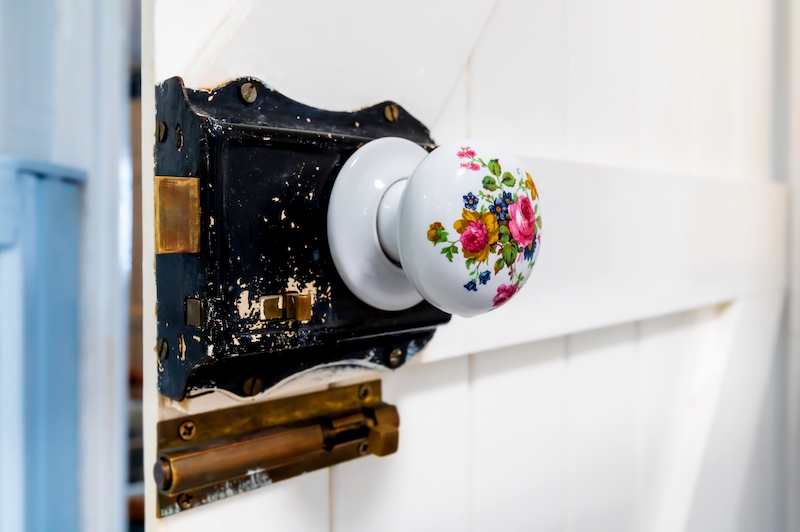
29. Pomello
English translation: knob
Etymology: Pomello is the diminutive form of pomo which, along with the far more commonly used mela, refers to the humble apple, or in literature, any fruit growing on a tree that recalls the apple due to its spherical shape.
Sto girando il pomello della porta.
I’m turning the doorknob.
30. Capriola
English translation: somersault
Etymology: It derives from the Latin capreŏla, which is the diminutive form of capra, the word for goat in both Latin and modern day Italian.
Mi insegni a fare le capriole?
Can you teach me how to do somersaults?

31. Ritornello
English translation: chorus / refrain
Etymology: Thought to be derived from the Italian verb ritornare, meaning to return, it signifies a refrain that returns repeatedly throughout a musical composition.
Il ritornello di questa canzone è molto orecchiabile, non trovi?
The refrain of this song is very catchy, don’t you think?

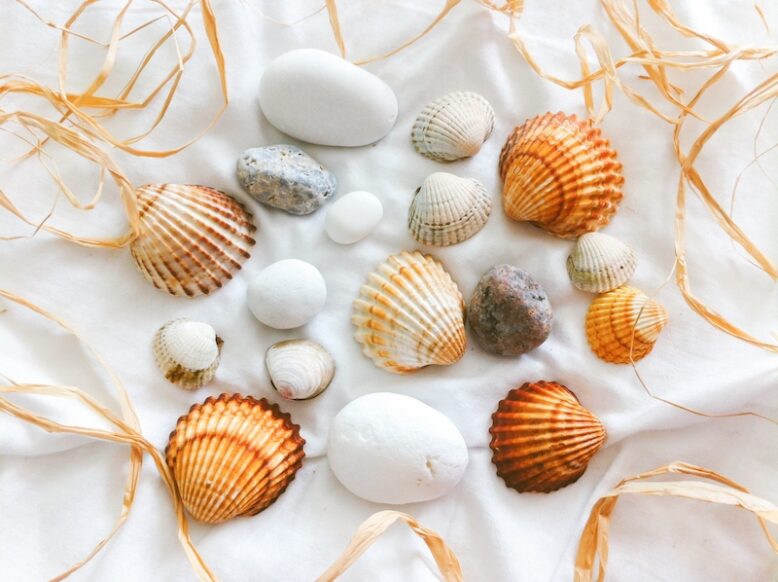
32. Conchiglia
English translation: seashell
Etymology: It can be traced back to the Latin conchylium which in turn comes from the Greek konkhýlion, a derivative of kónkhē meaning “concavity”.
Ho trovato una bellissima conchiglia sulla spiaggia.
I found a beautiful shell on the beach.
33. Nonostante
English translation: despite / although
Etymology: The word nonostante in Italian is the combination of non (no / not) and ostante (the present participle of the verb ostare meaning to impede).
Marco è uscito, nonostante la neve.
Marco went out in spite of the snow.

34. Brivido
English translation: chill / shiver
Etymology: According to Treccani, it is an onomatopoeic term likely already present in Gallic. Wiktionary also notes its origin is unknown and probably onomatopoeic.
Mi vengono i brividi quando ho la febbre.
I get the shivers when I have a fever.

35. Pasticcio
English translation: mess / pie
Etymology: Although the origin of the word is uncertain, it is thought to be derived from the Latin pasteceus – literally “something made of paste” – which in turn derives from the Latin pasta.
Questa traduzione è un gran pasticcio.
This translation is a real mess.

36. Allora
English translation: then / so / at that time
Etymology: The Italian word allora comes from the Latin phrase ad illam hōram, meaning “at that hour” or “at that time”
Allora ci vediamo domani!
See you tomorrow then!

37. Aiuola
English translation: flowerbed
Etymology: aiuola comes from the Latin āreola, a diminutive of ārea (“open space” or “threshing floor”)
Non calpestare l’aiuola!
Don’t walk on the flowerbed!

38. Formicolio
English translation: swarm / pins and needles
Etymology: Formicolio can be traced back to the word formicola / formica, both of which mean mean “ant”.
C’era un formicolio di persone che correvano in tutte le direzioni.
There was a swarm of people running in all directions.

39. Merenda
English translation: afternoon snack
Etymology: merenda derives from the late Latin merere (to deserve), and literally means “things you have to deserve”.
Bambini, smettete di giocare e venite a fare merenda!
Kids, stop playing and come and have your afternoon snack!

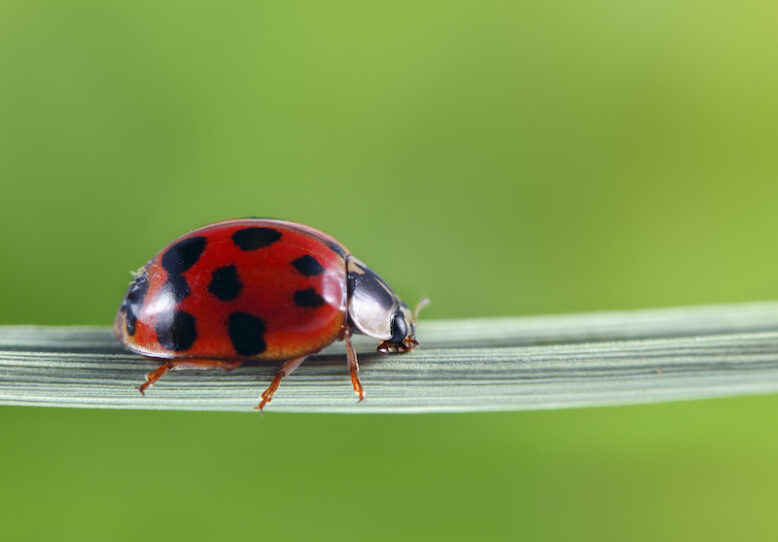
40. Coccinella
English translation: ladybug / ladybird
Etymology: It derives from the Latin coccinus, which in turn comes from the Greek kókkinos, meaning ‘scarlet red colour’.
Le coccinelle sono piccoli insetti colorati a forma di cupola.
Ladybugs are small colourful dome-shaped insects.
41. Clessidra
English translation: hourglass
Etymology: It derives from the Latin clepsydra which in turn comes from the Greek klepsýdra (water clock).
La clessidra è uno strumento per misurare il tempo.
The hourglass is an instrument for measuring time.

42. Ciofeca
English translation: a bad cup of coffee / awful thing
Etymology: one possibility according to Treccani is the Spanish chufa meaning “tiger nut” (an edible tuber produced by the plant Cyperus esculentus)
Altro che espresso, questa è una ciofeca!
This isn’t an espresso, it’s dishwater!

43. Semaforo
English translation: traffic light
Etymology: It is from the French ‘sémaphore’, which was formed irregularly from the Greek sēma ‘sign’ and –phoros ‘bearing’.
Guarda che il semaforo è verde. Puoi andare!
Look, the traffic light is green. You can go!

44. Raffica
English translation: gust
Etymology: it probably derives from the Old High German word raffōn, meaning “to grasp” or “to seize”
Il vento soffiava a raffiche così forti che anche i lampioni oscillavano.
The gusts of wind were so strong that even the street lamps were shaking.

45. Spiritosaggine
English translation: wisecrack
Etymology: According to Treccani, spiritosaggine is a direct derivative of the adjective spiritoso
Ne abbiamo abbastanza delle tue spiritosaggini!
We’ve had enough of your wisecracks!

46. Spazzatura
English translation: garbage / trash
Etymology: the word spazzatura is a derivative of the Italian verb spazzare (“to sweep”)
Bisogna portare fuori la spazzatura.
We need to take out the trash.

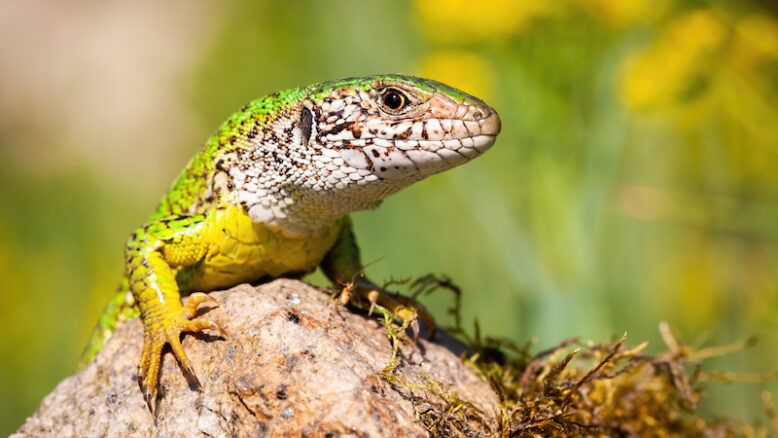
47. Lucertola
English translation: lizard
Etymology: it derives from the Latin lacĕrta (meaning “lizard”)
Sapevi che la lucertola si nutre principalmente di insetti?
Did you know that the lizard feeds mainly on insects?
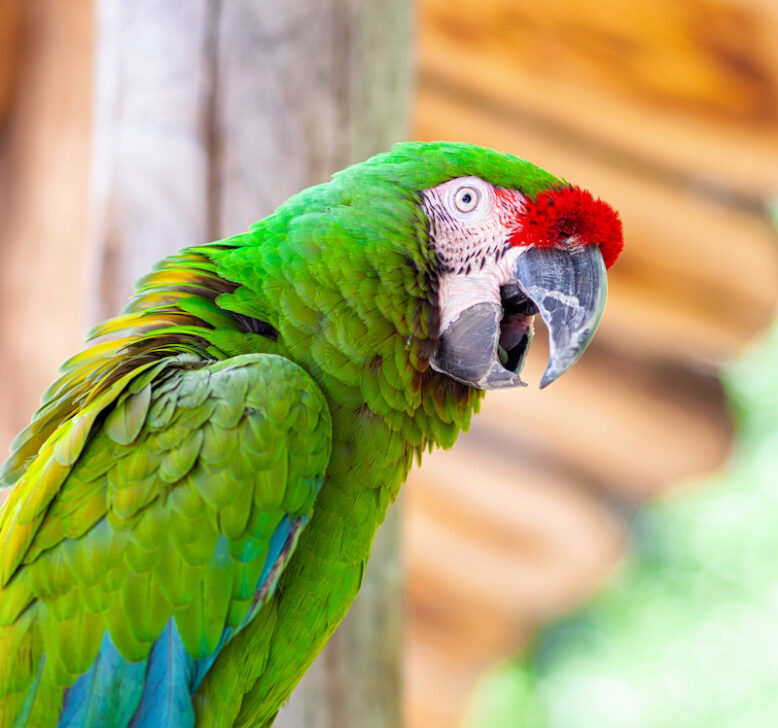
48. Pappagallo
English translation: parrot
Etymology: This word entered the Italian language from the Arabic babaġā via the Greek papagâs.
Ieri ho visitato uno zoo e ho visto tanti pappagalli colorati.
Yesterday I visited a zoo and saw a lot of colourful parrots.
49. Fruscio
English translation: rustle
Etymology: Fruscio is onomatopoeic, which means that it was conceived from the sound with which it is associated.
Mi piace ascoltare il fruscio delle foglie mosse dal vento.
I like listening to the rustle of the leaves blowing in the wind.

50. Gironzolare
English translation: to wander / hang about
Etymology: Gironzolare derives from the verb girare which means to turn / to spin or to travel around.
È da più di tre ore che gironzola per le vie della città. Spero che non si sia persa.
She’s been wandering the city streets for more than three hours. I hope she is not lost.


Heather Broster is a graduate with honours in linguistics from the University of Western Ontario. She is an aspiring polyglot, proficient in English and Italian, as well as Japanese, Welsh, and French to varying degrees of fluency. Originally from Toronto, Heather has resided in various countries, notably Italy for a period of six years. Her primary focus lies in the fields of language acquisition, education, and bilingual instruction.